TL;DR

Get business pricing on tools and workshop supplies
- Business-only prices and quantity discounts
- Tax-exempt purchasing
- Multiple users, one account, clear invoices
Tool bag sizes vary from small pouches to large chests, depending on the job. Choosing the right size depends on tools, job complexity, and mobility needs. Recent innovations make larger bags lighter and more customizable.
Ever lugged around a tiny pouch that barely fits your screwdriver, or a massive bag that feels like carrying a small suitcase? The right tool bag isn’t just about size — it’s about matching your tools, your work style, and your environment.
Choosing the wrong size can slow you down or cause fatigue. This guide breaks down how different jobs demand specific bag sizes, with real-world examples and practical tips to help you pick the perfect fit.
Match your tool bag size to your job’s complexity and tool variety.
Medium-sized bags offer a good balance for many trades, combining capacity with portability.
Larger bags are essential for heavy-duty tasks but require consideration of weight and mobility.
Latest materials and modular designs help make bigger bags lighter, smarter, and more comfortable.
Always evaluate your work environment and tools when selecting a bag to maximize efficiency.
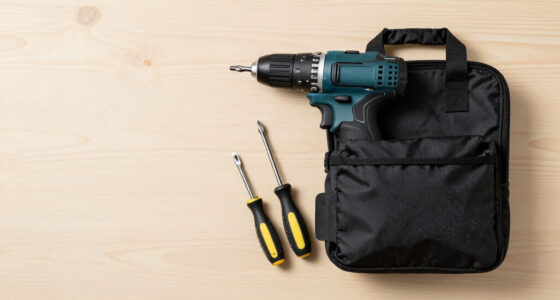
Small Tool Pouches: Ideal for quick fixes and essential tools
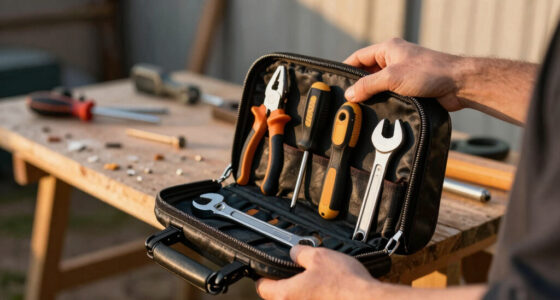
Small tool pouches are around 10-15 liters — compact, lightweight, and designed for carrying just the essentials. Think of a handyman on a quick repair call, grabbing a pouch with screwdrivers, pliers, and a few bits. These are perfect for jobs where mobility matters more than capacity.
For example, an electrician might carry a small pouch on their belt for quick fixes or troubleshooting, saving time and avoiding fatigue from lugging a heavy bag.
10 liter tool pouch for electricians
As an affiliate, we earn on qualifying purchases.
As an affiliate, we earn on qualifying purchases.
Medium Tool Bags: Balancing capacity and mobility for most trades
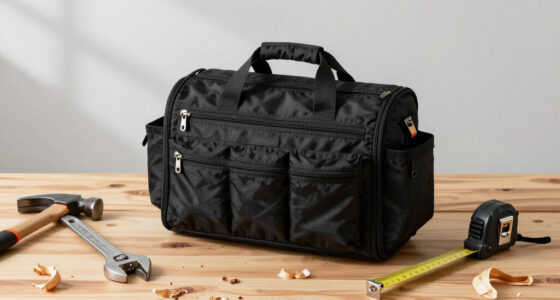
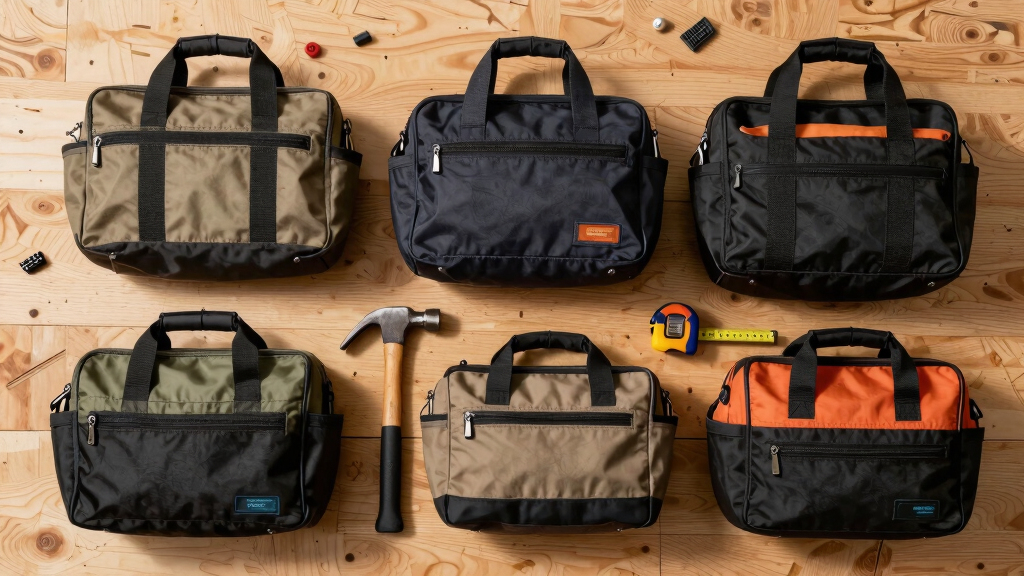
Medium-sized bags hold around 20-30 liters — a sweet spot for many professionals. Carpenters, maintenance workers, and HVAC technicians often use these for their versatility. They can carry a decent number of hand tools, small power tools, and accessories without becoming burdensome.
Imagine a plumber heading to a site with a bag that holds a wrench set, tape measure, and a handful of fittings — enough to handle most tasks without multiple trips back to the truck.
Choosing a medium bag means striking a balance: it’s large enough to carry essential tools but still manageable enough for daily use. The tradeoff is that while you gain capacity, you might sacrifice some ease of movement if the bag becomes overloaded. Proper weight distribution and ergonomic features are crucial to prevent fatigue during long workdays.
20-30 liter medium tool bag for carpenters
As an affiliate, we earn on qualifying purchases.
As an affiliate, we earn on qualifying purchases.
Large Tool Bags & Chests: For heavy-duty jobs and full tool sets
Large bags and chests typically surpass 50 liters — built for the big jobs. Think electricians with a full set of screwdrivers, pliers, wire strippers, and even a small drill. Or a contractor carrying multiple power tools, batteries, and heavy equipment.
Picture a construction site where a foreman needs to access a wide array of tools — the large bag keeps everything organized and within reach, despite the weight.
However, the increased capacity comes with significant tradeoffs. Heavier bags can slow you down, cause strain, and reduce mobility, especially if not designed with ergonomic features. Selecting a large bag requires careful consideration of how often you’ll need to move around with it and whether the added capacity justifies the extra effort. Proper organization within these bags is essential to avoid wasting time searching for tools amid the clutter.
heavy-duty 50 liter tool chest for contractors
As an affiliate, we earn on qualifying purchases.
As an affiliate, we earn on qualifying purchases.
Specialized Bags for Specific Jobs: Why one size doesn’t fit all
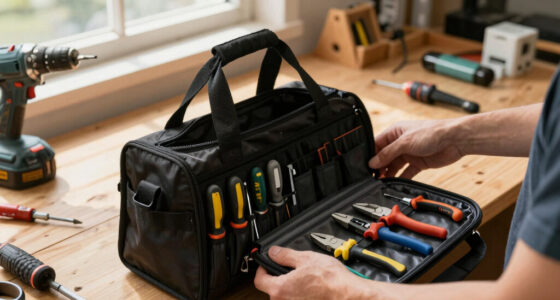
Besides size, material and design matter significantly. Electricians might prefer bags with multiple small compartments for wires and connectors, which helps in organizing delicate or numerous small items, reducing the risk of tangled or misplaced tools. Carpenters, on the other hand, need rugged, heavy-duty bags that withstand rough handling and outdoor conditions, ensuring longevity and durability of their investment.
Backpacks and rolling bags have gained popularity for those who carry heavier loads or work across multiple sites because they distribute weight more evenly, reducing fatigue. For example, an HVAC technician might use a backpack with insulated compartments for small parts or electronic devices, making it easier to carry and access specific items quickly. The design features directly impact productivity and comfort, emphasizing that the right tool bag isn’t just about size but also about tailored features that suit particular trade needs.
modular lightweight tool bag for DIY projects
As an affiliate, we earn on qualifying purchases.
As an affiliate, we earn on qualifying purchases.
How to pick the perfect size for your job in 3 simple steps
- Assess your tools: List your essential tools and categorize them by size, weight, and frequency of use. Think about whether you need quick access to certain items or if you prefer everything organized for full retrieval. This understanding helps determine if a small, medium, or large bag suits your workflow.
- Consider your work environment: Reflect on your typical work setting. Do you move frequently between sites, or stay stationed? If mobility is key, a lighter, more manageable size is preferable. If you often need a comprehensive set of tools accessible at once, a larger bag might be necessary. Recognize the implications: larger bags can increase fatigue and reduce agility, so weighing capacity against ease of movement is essential.
- Balance weight and convenience: Remember that bigger isn’t always better. Overloading a large bag can lead to strain, back pain, or decreased productivity. Invest in ergonomic features like padded straps and supportive handles to mitigate these issues. The goal is to find a size that maximizes efficiency without sacrificing comfort.
For example, if you’re a locksmith who primarily does quick, small repairs, a compact pouch is ideal. Conversely, a contractor with a full toolbox benefits from a larger, organized bag that consolidates all necessary tools, even if it’s heavier to carry.
Comparison Table: Sizes & Uses at a Glance
| Size | Capacity | Ideal For | Tools Carried |
|---|---|---|---|
| Small | 10-15L | Quick repairs, essential tools | Screwdrivers, pliers, small bits |
| Medium | 20-30L | Versatile, daily use | Hand tools, small power tools, accessories |
| Large | 50+L | Heavy-duty, full sets | Power tools, batteries, multiple hand tools |
Latest Trends: Making bigger bags lighter and smarter
Recent innovations focus on reducing weight without sacrificing strength. Materials like ballistic nylon and impact plastics are common. Modular designs let you customize compartments, while ergonomic handles and padded straps ease the load.
Some bags include specialized pockets for batteries, chargers, or electronic gadgets — perfect for trades that rely on tech. Rolling carts and backpacks have also gained popularity for heavy tools, making transport easier and less tiring.
Frequently Asked Questions
How do I determine the right size of tool bag for my specific job?
Start by listing your essential tools and their sizes. Think about how often you’ll need quick access versus full organization. Match this to a bag size that balances capacity with ease of carry — medium bags often suit most trades.
What are the advantages of larger tool bags over smaller ones?
Larger bags can carry more tools, batteries, and accessories, making them ideal for complex projects. They reduce the need for multiple trips back to the truck but can be heavier. Choose wisely based on your mobility needs.
Are there specific features I should look for based on my trade?
Yes. Electricians benefit from multiple small compartments for wires, while carpenters need rugged, durable materials. Consider padded straps for heavy loads or specialized pockets for small parts and electronics.
Can I carry heavy tools comfortably in large bags?
With modern ergonomic features like padded straps and balanced weight distribution, you can carry heavier loads more comfortably. However, it’s wise to avoid overloading and to select a bag with appropriate support.
How do recent innovations improve tool bag functionality?
Lightweight, durable materials and modular, customizable compartments make bigger bags easier to carry and organize. Rolling options and ergonomic designs also reduce fatigue, especially during long workdays.
Conclusion
The right tool bag size isn’t just about holding everything — it’s about working smarter, not harder. Pick a bag that fits your tools and your workflow, and you’ll move faster, carry less fatigue, and stay organized.
Remember, a well-chosen bag can be the difference between a smooth day and a frustrating one. Keep your tools close, your bag suited to your work, and your day will flow a lot easier.
Halloween Picks
halloween
As an affiliate, we earn on qualifying purchases.