
TL;DR

Get business pricing on tools and workshop supplies
- Business-only prices and quantity discounts
- Tax-exempt purchasing
- Multiple users, one account, clear invoices
Packing your tool bag smartly minimizes job time and risk. Focus on organization, essential tools, and safety gear to stay prepared for any service call.
Choose a durable, well-organized tool bag with multiple compartments to streamline your work.
Sort tools by usage frequency and keep essential items in quick-access pouches.
Always carry spare parts and consumables relevant to your trade to avoid delays.
Regularly inspect and maintain your tools to extend their lifespan and reliability.
Stay updated on new tool bag features like modular designs and built-in charging ports to boost efficiency.
Start with the right tool bag — here’s how to pick one that lasts
Choosing the right tool bag sets the foundation for efficient packing. Look for a bag with durable fabric like reinforced nylon or polyester. Heavy-duty zippers and reinforced handles matter because they withstand the rigors of daily use and prevent premature failure. Think about size: a bag that’s too small can restrict your ability to carry necessary tools, forcing you to make multiple trips or leave essentials behind. Conversely, an overly large bag can become cumbersome, making it harder to maneuver and increasing fatigue. For a service tech, a bag with multiple compartments and padding isn’t just convenient — it’s essential for protecting delicate tools and maintaining quick access. The right choice enhances your productivity and safety, reducing the risk of dropped or damaged tools and allowing you to focus on the task at hand.
For example, a plumber might prefer a compact, waterproof pouch with dedicated sections for wrenches and fittings to keep moisture out and prevent corrosion, while an electrician benefits from a larger bag with specialized pouches for multimeters and screwdrivers for quick retrieval and organized storage.
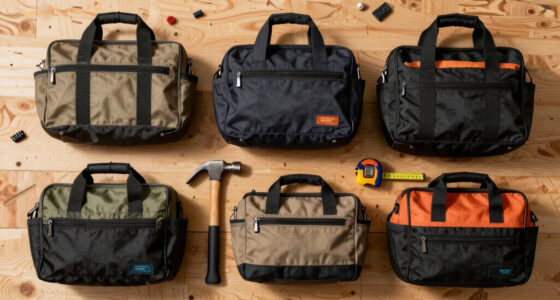
durable tool bag with multiple compartments
As an affiliate, we earn on qualifying purchases.
As an affiliate, we earn on qualifying purchases.
Organize your tools like a pro — the step-by-step system
- Sort tools by frequency of use. Keeping daily essentials at the top or in quick-access pouches reduces the time spent searching and minimizes frustration during busy workdays. This organization isn’t just about convenience; it impacts your overall efficiency and safety. When tools are organized properly, it minimizes the risk of dropping or damaging delicate items and reduces the chance of forgetting critical tools, which can cause work stoppages. Properly arranged tools also streamline workflow, allowing you to focus on the job rather than hunting for the right wrench or screwdriver. This method reduces mental clutter, helping you stay focused and reducing fatigue caused by unnecessary movements or stress.
- Use compartmentalized pouches or small containers inside the bag for tiny parts like screws or connectors. Proper segregation prevents loss, reduces clutter, and makes it easier to find small items when needed — a small but crucial factor in avoiding delays or mistakes. When small components are mixed together or loose, it’s easy to lose track of them, which can lead to delays or even safety hazards if incompatible parts are used accidentally. Segregation ensures you can quickly identify and retrieve exactly what you need, maintaining workflow continuity and preventing costly mistakes.
- Label sections or use color-coded pouches to identify tools at a glance. Visual cues speed up retrieval and help maintain organization, especially when multiple team members access the same bag or when working in low-light conditions. This level of organization reduces cognitive load, allowing you to work more confidently and efficiently. It also minimizes the risk of using the wrong tool or wasting time searching, which is critical in time-sensitive situations. Clear labels and color coding also facilitate team coordination, as everyone can quickly find and return tools to their designated spots, maintaining order and safety.
- Secure sharp or heavy tools with straps or protective sleeves to prevent injuries and damage. Properly secured tools not only protect you and your colleagues but also preserve the integrity of your tools, extending their lifespan and maintaining safety standards. When heavy or sharp tools are unsecured, they pose a risk of accidental cuts, punctures, or injuries during transport or use. Secure storage helps prevent these hazards, especially in dynamic work environments where movement is frequent. Additionally, well-secured tools are less likely to be damaged, which saves money and ensures reliable performance over time. This attention to safety and maintenance ultimately fosters a safer, more professional work environment and reduces liability.
For example, a HVAC technician might keep screwdrivers and multimeters in the main compartment for quick access, while spare filters and fittings go in a separate pouch attached outside. This layered approach ensures that critical tools are always within reach, and less frequently used items are stored safely away, reducing clutter and risk.
As an affiliate, we earn on qualifying purchases.
Choose the tools you absolutely must carry — what every pro packs
Every service call demands a core set of tools. Think of this as your toolbox backbone. Selecting the right tools isn’t just about having the basics; it’s about understanding what’s essential for your trade and the specific tasks you’ll encounter. Carrying unnecessary tools adds weight and can slow you down, which may lead to fatigue or even injury over time. Missing critical items, however, can cause delays, forcing multiple trips or incomplete work, which impacts your professionalism and customer satisfaction. For example, a well-rounded electrician’s kit might include a multimeter for diagnosing electrical issues, wire strippers for efficient wiring, and insulated screwdrivers for safety. A plumber, on the other hand, needs a pipe wrench, basin wrench, and a reliable flashlight for dark spaces. Knowing what to pack involves a strategic balance: bringing enough tools to handle common problems without overloading your bag with seldom-used items. This ensures you’re prepared for most scenarios, reducing the need for additional trips, which saves time, minimizes fatigue, and enhances safety. Overpacking can also make your bag unwieldy, increasing the risk of dropping tools or causing strain, while underpacking might leave you unprepared for unexpected issues, leading to hurried, unsafe work or callbacks. The key is to assess your trade’s typical tasks and pack accordingly, always considering the tradeoff between thoroughness and portability.
As an affiliate, we earn on qualifying purchases.
Include spare parts and consumables — don’t leave it to chance
Bringing spare parts isn’t just a convenience — it’s a strategic move that can save you hours of work and customer dissatisfaction. When you arrive at a job and find a crucial component missing or damaged—such as a gasket, fuse, or switch—your entire workflow can come to a halt. This often leads to callbacks, additional trips, or customer frustration, all of which impact your reputation and profitability. Carrying extras of common items like screws, nuts, washers, and fuses allows you to respond immediately to such issues, keeping the job on track and preventing delays. Organizing these spare parts in small containers or zip pouches within your bag ensures quick retrieval, especially when time is critical. Understanding which parts are most likely to wear out or get lost—based on your experience—allows you to stockpile those specific items, making your response more efficient. For example, a technician working on dishwashers might keep extra door seals and replacement filters handy, ensuring that a simple component replacement doesn’t turn into a multiple-visit ordeal. This proactive approach not only shortens job times but also demonstrates professionalism, reliability, and preparedness, which can lead to repeat business and positive reviews.
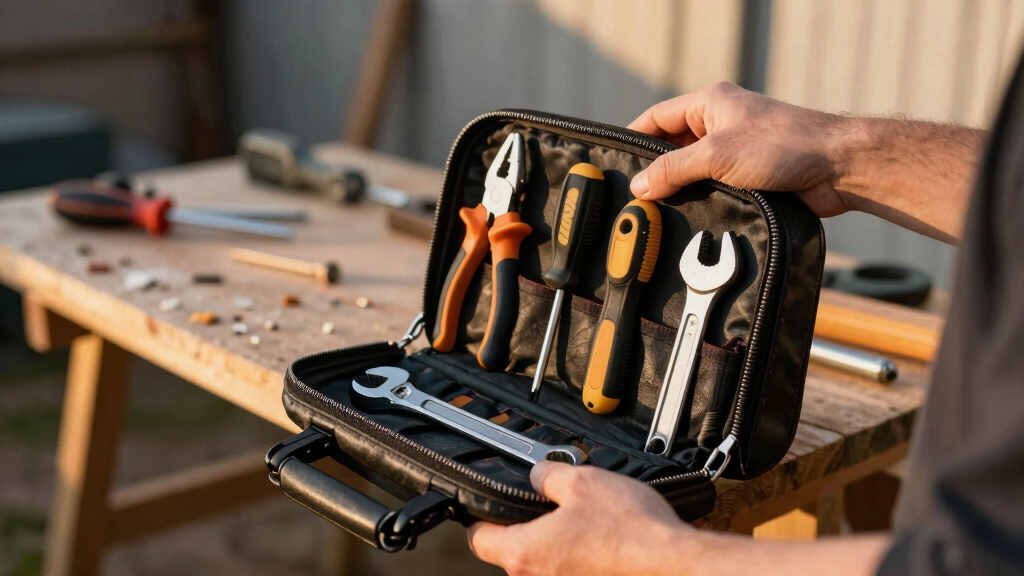
organized service technician tool bag
As an affiliate, we earn on qualifying purchases.
As an affiliate, we earn on qualifying purchases.
Pack safety gear that matches the job’s risks
Safety gear isn’t optional — it’s a critical component of your toolkit that protects you from potential hazards. The importance of matching PPE to specific risks cannot be overstated, as improper or inadequate safety measures can lead to injuries, legal issues, and increased liability. For electrical work, insulated gloves, safety glasses, and a voltage tester are vital to prevent electric shocks and eye injuries. For HVAC or roofing jobs, masks, ear protection, and fall harnesses may be necessary. Thinking ahead about hazards allows you to pack appropriate gear, ensuring you’re prepared for unexpected situations. For example, a service call involving roof work requires fall protection gear and high-visibility vests, especially in low-light or busy environments. Proper PPE not only keeps you safe but also demonstrates professionalism and adherence to safety standards, which can be critical for insurance and regulatory compliance. Investing in the right safety gear and using it consistently minimizes injuries, reduces downtime, and fosters a safety-first mindset on all jobs. Recognizing the specific risks of each task and matching your PPE accordingly is crucial because it directly impacts your safety, the quality of your work, and your reputation as a professional who values safety above all.
Keep your tools in top shape — maintenance tips to extend their life
Tools that are clean and well-maintained work more efficiently and last longer, ultimately saving you money and hassle. Regular maintenance isn’t just about appearance; it’s about ensuring safety, precision, and reliability. When tools are neglected, their performance can degrade, leading to inaccuracies, increased risk of injury, or unexpected failures during critical moments. For example, dull blades or worn-out batteries can cause delays, force you to redo work, or even compromise safety. Establishing a routine for inspecting, cleaning, and repairing your tools helps catch issues before they escalate. Wiping down metal parts prevents rust, sharpening blades ensures clean cuts, and replacing batteries maintains consistent power. For instance, a seasoned electrician often sharpens screwdrivers and inspects pliers for cracks or wear before heading out, which prevents surprises that could compromise safety or efficiency. Proper maintenance also preserves the value of your investment, reducing the need for costly replacements. Incorporating quick inspections into your packing routine ensures your tools are always ready for action, reducing the risk of breakdowns that can cause delays or safety hazards. Ultimately, well-maintained tools contribute to higher-quality work, safer environments, and a reputation for professionalism.
Frequently Asked Questions
What tools should I always carry in my service call bag?
Focus on the essentials for your trade: screwdrivers, pliers, wrenches, a tape measure, and safety gear. Tailor your kit based on the specific tasks you perform most often.How do I organize my tool bag effectively?
Use compartments, pouches, and labels to keep tools sorted by type or use. Keep frequently used tools at the top or in dedicated quick-access pockets.What size and type of tool bag is best for my needs?
Pick a bag that balances capacity with portability. For small jobs, a compact pouch works; for larger projects, a robust, multi-compartment bag is better.How often should I clean and maintain my tools and bag?
Inspect and clean tools after each use. Reorganize and wipe down your bag weekly or after each service call to keep everything in prime condition.Are there any new innovations in tool bags I should consider?
Yes, smart bags with built-in chargers, LED lights, and modular compartments help improve organization and convenience on the job.Conclusion
A thoughtfully packed tool bag is the backbone of a smooth service call. Invest time in organizing, maintaining, and choosing the right gear, and you’ll work faster, safer, and with less stress. When your tools are ready, so are you — for whatever the job throws your way.Columbus Day / Indigenous Peoples' Day Picks
long weekend sales
As an affiliate, we earn on qualifying purchases.