
TL;DR

Get business pricing on tools and workshop supplies
- Business-only prices and quantity discounts
- Tax-exempt purchasing
- Multiple users, one account, clear invoices
Rolling tool bags are ideal for heavy, bulky loads and uneven terrain, thanks to wheels and large capacity. Shoulder tool bags suit lighter, quick-access needs, offering portability and simplicity. Your choice depends on your workload and work environment.
Ever tried lugging a heavy toolbox across a construction site? It’s a workout — and a hassle. The way you carry your tools can make or break your day. Choosing the right tool bag isn’t just about storage; it’s about efficiency, comfort, and safety.
In this guide, you’ll see how rolling tool bags and shoulder tool bags stack up. We’ll break down their strengths, weaknesses, and the best scenarios for each. Whether you’re a pro contractor or a DIY enthusiast, knowing the difference can save you time, effort, and even back pain.
Choose a rolling tool bag for heavy loads, uneven terrain, or large toolkits to reduce physical strain.
Opt for a shoulder tool bag when your tasks are quick, indoor, or require frequent tool access in tight spaces.
Capacity and organization are key — match your tool volume with the bag’s size and compartment features.
Invest in quality materials and construction to ensure longevity, especially if you work daily in tough environments.
Hybrid tool bags offer flexibility but often come at a higher price; consider your specific work needs before buying.
What’s the real difference between rolling and shoulder tool bags?
Rolling tool bags are built with wheels and a telescoping handle, making them easy to drag across floors, pavement, or uneven surfaces. Think of it like a rolling suitcase for your tools. Shoulder tool bags, on the other hand, are compact, with a strap or handle, designed for quick, light trips.
Understanding this difference is crucial because it directly impacts your physical health and efficiency. A rolling bag distributes weight over wheels, reducing strain on your back and arms, which is especially important during long days or when carrying heavy loads. Conversely, shoulder bags, while more portable, can cause fatigue or injury if overloaded or used improperly. The choice reflects not just convenience but also long-term health considerations, especially for those who work daily with heavy tools.
As an affiliate, we earn on qualifying purchases.
How portability and terrain influence your choice
Portability isn’t just about weight; it’s about how easily you can navigate your work environment. If you’re working on a sprawling job site with uneven surfaces or gravel paths, a rolling tool bag becomes invaluable. Heavy-duty wheels and a sturdy handle allow you to glide over rough terrain, minimizing fatigue and reducing the risk of dropping or damaging tools. This not only saves your energy but also protects your tools from potential impacts caused by rough handling.
On the other hand, for quick repairs or indoor jobs in tight spaces, a shoulder bag offers unmatched agility. Its lightweight design and compact size enable you to maneuver through narrow hallways, stairs, or crowded work areas without fuss. This means faster setup and less time spent trying to fit bulky equipment into confined spaces.
For example, an electrician moving between multiple sites with varying terrain benefits from a rolling bag that minimizes physical strain and maximizes efficiency. Meanwhile, a plumber performing quick fixes in residential settings will appreciate the portability of a shoulder bag, which allows rapid access and easy transportation in tight quarters.
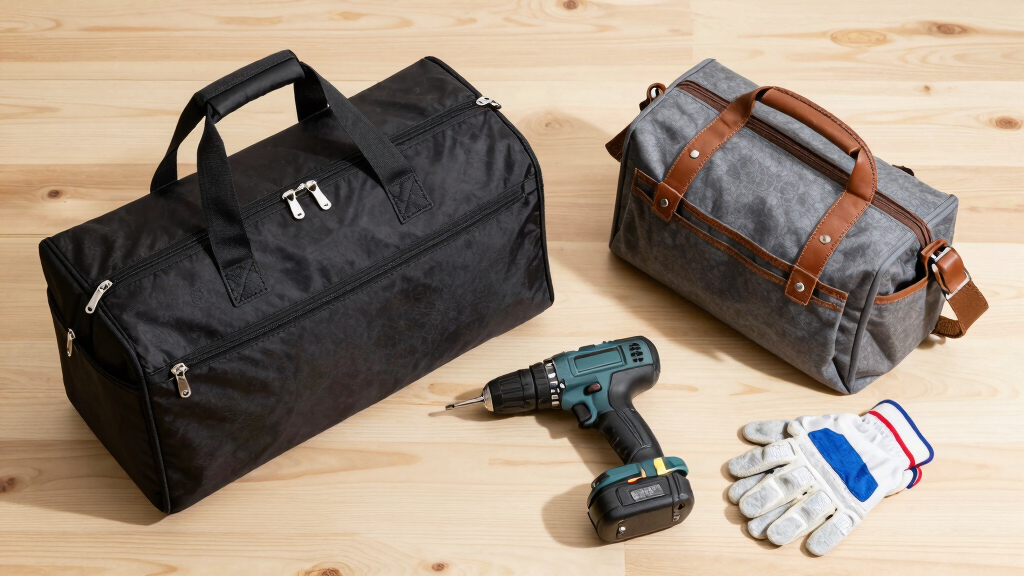
shoulder tool bag for electricians
As an affiliate, we earn on qualifying purchases.
As an affiliate, we earn on qualifying purchases.
Capacity showdown: Which bag holds more?
When it comes to storage, size and capacity are critical because they determine how many tools and accessories you can carry without sacrificing organization or convenience. Rolling tool bags are often designed with high capacity in mind, supporting up to 150 pounds of tools. This capacity is achieved through multiple compartments, large main sections, and expandable pockets, enabling you to organize your tools systematically and access them quickly when needed. This is especially advantageous for professionals who carry a wide variety of tools for complex tasks, reducing the need for multiple trips or additional bags.
In contrast, shoulder tool bags typically top out around 30 to 50 pounds. They are optimized for essential tools and quick access rather than large toolkits. This limitation means you need to prioritize which tools to carry, often leaving behind less-used items. The smaller size encourages better organization within a limited space, but it also requires careful planning to ensure you have what you need without overloading.
Choosing between these options hinges on your workload. A professional tradesperson with a comprehensive toolkit benefits from the capacity of a rolling bag, while a homeowner or DIYer with a few essential tools might prefer the simplicity and portability of a shoulder bag.
As an affiliate, we earn on qualifying purchases.
Durability and materials — what really lasts?
Both bag types are made from tough materials like nylon, polyester, or leather. But the durability of each depends significantly on the quality of materials and construction. A well-crafted rolling bag with reinforced corners, sturdy handles, and heavy-duty wheels can withstand years of daily use, especially if it’s designed with protective features like water resistance and abrasion-proof fabrics. The inclusion of reinforced stitching and durable zippers further enhances longevity, reducing the need for frequent replacements.
Similarly, shoulder bags crafted from rugged, water-resistant fabrics with reinforced straps and sturdy hardware can stand up to harsh conditions. For instance, a contractor working outdoors benefits from a weatherproof, abrasion-resistant shoulder bag, which protects tools from rain and rough handling. The key is not just the material but also how it’s assembled—quality stitching, reinforced stress points, and thoughtful design determine a bag’s lifespan. Investing in a durable bag means fewer replacements and more reliable performance, which is especially important for those who rely on their tools daily.
As an affiliate, we earn on qualifying purchases.
Frequently Asked Questions
Is a rolling tool bag better for heavy tools?
Yes, rolling tool bags are designed to carry heavier loads with less strain. They typically support up to 150 pounds, making them ideal for large toolkits or bulky gear. This capacity allows you to transport your tools efficiently without risking injury or damage to your tools. However, it’s important to consider that while they excel at heavy loads, they may be less convenient in tight indoor spaces or uneven terrain if not equipped with suitable wheels or handles. The tradeoff is in the balance between capacity and maneuverability, so evaluate your typical workload and environment to decide.
Can a shoulder bag carry enough tools for a full day?
Generally, shoulder bags are best suited for essential or lighter tools rather than an entire professional toolkit. While some larger models can carry a respectable amount, they are limited in capacity compared to rolling bags. For a full day’s work involving multiple tools and accessories, a shoulder bag might become cumbersome or require frequent repacking. Overloading a shoulder bag can also cause discomfort or strain, especially if carried for extended periods. Therefore, if your work involves carrying many tools or heavy equipment, a rolling bag will typically offer better capacity, ease of transport, and reduced fatigue.
Are hybrid tool bags worth the extra cost?
Hybrid tool bags can be a worthwhile investment if your work demands versatility. They combine features of both rolling and shoulder bags, allowing you to switch between wheeled transport and portable carrying. This flexibility is advantageous for professionals who move between indoor and outdoor environments, or who need to adapt quickly to different job sites. However, they often come with a higher price tag due to their complex design and added features. Consider your specific needs—if you frequently switch between terrains or work environments, a hybrid bag can save you money and space in the long run. But for those with consistent routines, a dedicated style might be more cost-effective.
Which is more durable: a rolling or shoulder bag?
Durability depends primarily on the quality of materials and construction rather than the style itself. Both rolling and shoulder bags can last for years if they are made with reinforced fabrics, sturdy zippers, and resilient hardware. For example, a rolling bag with reinforced corners and heavy-duty wheels designed for rough terrain will often outperform cheaper models, but a well-made shoulder bag with weather-resistant fabric and reinforced straps can withstand outdoor conditions just as effectively. Ultimately, choosing a high-quality bag suited to your work environment and handling habits is key to ensuring longevity. Proper maintenance, such as cleaning and checking for wear, also plays a vital role in durability.
How do I maintain my tool bag?
Proper maintenance of your tool bag involves regular cleaning to remove dirt and debris, checking wheels, zippers, and handles for signs of wear, and organizing tools to prevent unnecessary strain on the fabric and hardware. For rolling bags, periodically lubricate wheels and inspect handles for stability. For shoulder bags, ensure straps are intact and stitches are secure. Additionally, storing your bag in a dry, cool place when not in use helps prevent mold, rust, or material degradation. Rotating tools and keeping them clean also reduces internal wear and prolongs the life of your bag. Investing a few minutes in maintenance not only extends your bag’s lifespan but also keeps your tools accessible and in good condition, ultimately supporting your work efficiency.
Conclusion
The right tool bag makes a real difference in your day-to-day work. Think about your load, terrain, and how often you need quick access. A well-chosen bag boosts efficiency and keeps you comfortable.
Remember: a durable, organized, and suited bag is more than just a carrier — it’s part of your toolbox. Choose wisely, and your tools will thank you for it.
Fall yard work Picks
leaf blowers
As an affiliate, we earn on qualifying purchases.