
TL;DR

Get business pricing on tools and workshop supplies
- Business-only prices and quantity discounts
- Tax-exempt purchasing
- Multiple users, one account, clear invoices
Tool rolls provide better organization and portability for wrenches, while pouches offer more versatility and protection. Your choice depends on how you work and what you value most—ease of access or rugged durability.
A tool roll offers superior organization with dedicated pockets, helping you find wrenches faster.
Pouches are more versatile, accommodating a wider range of tools and shapes, especially for on-site work.
Durability depends heavily on material and maintenance—leather and nylon are both strong but require different care.
Size should match your tool set—measure your wrenches and choose a storage option that fits comfortably.
Emerging trends include lightweight, water-resistant fabrics, modular designs, and smart tracking features.
What Is a Tool Roll — And Why It Might Be Your Best Friend
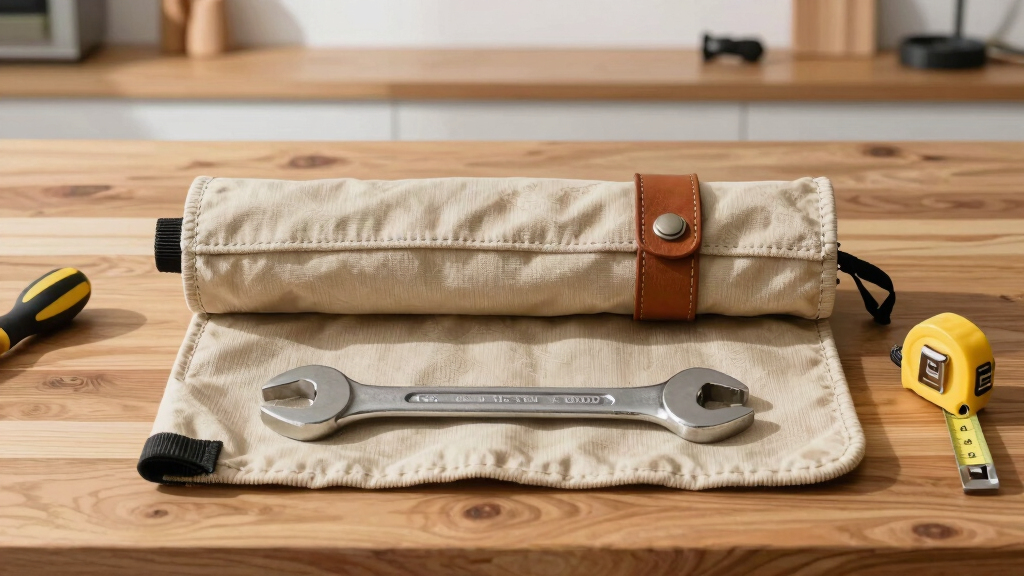
A tool roll is a fabric or leather strip with individual pockets for each wrench, all rolled up and secured with straps or buckles. Imagine rolling out a fabric garden hose, but instead of water, you’re pulling out a wrench.
It’s perfect for technicians who need quick access and easy organization. For example, an electrician often carries multiple wrenches. With a tool roll, he can see and grab the right size instantly, saving precious minutes on-site.
Plus, tool rolls are lightweight, easy to pack into a larger toolbox, and simple to clean. When dirty, a quick wash or wipe often does the trick, especially if made from nylon or treated leather.
Choosing a tool roll means prioritizing speed and organization. The dedicated pockets prevent tools from shifting or scratching each other, which can extend their lifespan. However, the tradeoff is that a tightly packed roll might be less flexible for larger or irregular-shaped tools, requiring careful packing. For those who work in fast-paced environments where quick tool access is critical, a tool roll can be a game-changer.
As an affiliate, we earn on qualifying purchases.
What Is a Tool Pouch — And When It Works Best
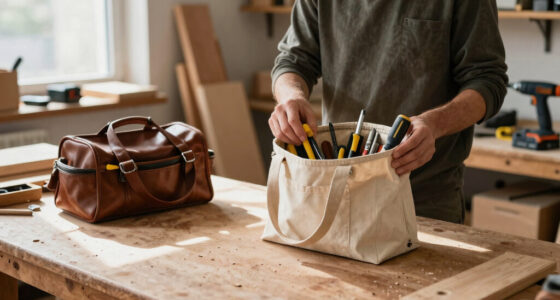
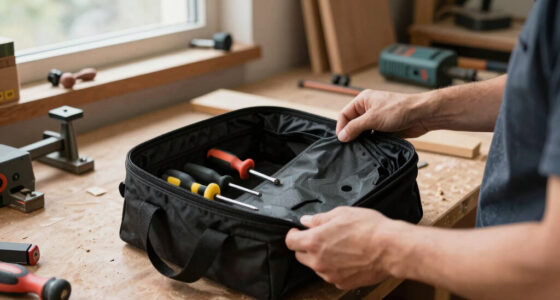
A tool pouch resembles a small bag, often with open or zipper compartments made from leather, nylon, or canvas. Think of it as a mini satchel you carry on your belt or shoulder.
This setup works well for those who need to carry a variety of tools, not just wrenches. For example, a mechanic on a busy garage floor might prefer a pouch that can hold a wrench, screwdriver, and pliers all in one place.
Protection varies by material—leather offers rugged durability, while nylon is lighter and easier to wipe clean. It’s less about perfect organization and more about versatility and quick access to larger or odd-shaped tools. The tradeoff here is that pouches often lack the dedicated slots that keep tools perfectly organized, which can lead to more time spent searching for the right tool. However, their flexible design allows for carrying a broader range of tools, making them ideal for multi-tool needs or unpredictable work environments.
Opting for a tool pouch often means valuing adaptability over meticulous organization. They’re especially useful in dynamic jobs where tools are frequently added or removed, or when working with larger, irregularly shaped tools that wouldn’t fit neatly in a roll’s pockets.
heavy-duty tool pouch for wrenches
As an affiliate, we earn on qualifying purchases.
As an affiliate, we earn on qualifying purchases.
Tool Roll vs Tool Pouch: The Big Head-to-Head Comparison
| Feature | Tool Roll | Tool Pouch |
|---|---|---|
| Organization | Excellent, dedicated slots for each wrench, which helps prevent tools from shifting, scratching, or getting lost. This precise organization reduces the time spent searching and enhances workflow efficiency, especially in fast-paced environments. | Less organized, with open compartments or flexible pockets. While this allows for carrying larger or irregular tools, it increases the risk of tools shifting, scratching, or becoming difficult to find quickly. The flexibility can be advantageous for varied tool sets but may require more time to locate specific items. |
| Portability | Lightweight, compact, and easy to carry, especially when rolled tightly. Its design minimizes bulk, making it ideal for technicians who need to move quickly between jobs or work in tight spaces. | Bulkier, especially when filled with multiple tools. It can be worn on the waist or shoulder, but its size may be less convenient for quick movement. However, it can often hold more tools at once, reducing the need to carry multiple storage items. |
| Protection | Good for scratches, minor impacts, and keeping tools organized. The snug fit of pockets helps prevent tools from banging into each other, reducing wear and tear. | Better for rough handling, especially if made from rigid or padded materials. The open design can absorb shocks better for larger or fragile tools, but it offers less protection against scratches or impacts during transport. |
| Ease of Cleaning | Usually washable or wipeable, with materials like nylon or treated leather that resist dirt buildup. | Depends on material—leather requires conditioning and careful cleaning, while nylon or canvas can be wiped or machine washed. The ease of cleaning can influence maintenance and longevity. |
| Customization | High, with adjustable pockets and straps allowing you to tailor the fit and organization to your needs. This flexibility can optimize workflow and tool security. | Low, with fixed compartments. While this simplifies the design, it limits adaptability for different tools or changing needs, potentially requiring multiple pouches for different tasks. |
| Best For | Mobile techs, electricians, or anyone needing quick access and precise organization. Ideal for jobs where tools must be retrieved rapidly and kept in perfect order. | Workshop, construction sites, or jobs requiring a versatile range of tools. Suitable for carrying larger, irregular, or a mix of tools that don’t fit neatly into pockets. |
As an affiliate, we earn on qualifying purchases.
Which One Lasts Longer — Durability Tips for Your Gear
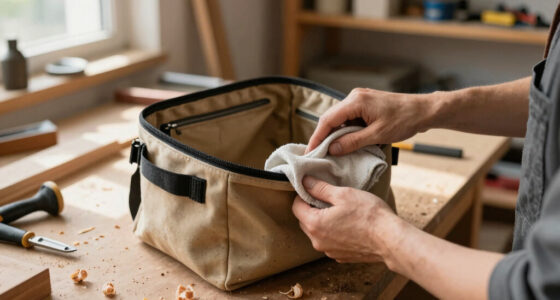
When it comes to durability, both options can last years with proper care. Leather pouches, if conditioned regularly, resist wear and tear well, especially in outdoor settings. Fabric rolls made from ballistic nylon or Cordura are tough, water-resistant, and handle rough treatment. The longevity of your gear depends heavily on the quality of materials used and how well you maintain them over time. For example, neglecting to clean or condition leather can lead to cracking and deterioration, while failing to clean nylon or canvas can cause dirt buildup that weakens fibers. Regular inspections, cleaning, and proper storage are essential to extend their lifespan. Consider your work environment: in wet, muddy, or outdoor settings, choosing water-resistant or waterproof materials can make a significant difference. Ultimately, investing in high-quality materials and maintaining them properly ensures your gear remains functional and reliable for years, regardless of style.
As an affiliate, we earn on qualifying purchases.
Picking the Right Size for Your Wrenches and Tools
Size matters. Too small a pouch or roll, and you’ll struggle to fit your wrenches. Too big, and it becomes bulky and cumbersome, making it less practical for daily use. Measure your most-used wrenches—most sets range from 6″ to 12″ in length—and choose a storage option that can comfortably hold them all without excessive slack or tightness. For example, if your typical set includes 8 wrenches from ¼” to ¾”, a roll with matching pockets ensures quick access and prevents tools from shifting during transport. Conversely, if you frequently carry larger or oddly shaped tools, look for a pouch with flexible compartments or extra space, which allows for adaptability without sacrificing protection. Remember, a properly fitting storage solution enhances efficiency, reduces tool damage, and minimizes fatigue during long workdays.
The Future of Tool Storage: Trends to Watch
Innovation keeps pushing tool storage forward. Expect lighter, stronger fabrics like ballistic nylon with water resistance. Modular designs let you customize your setup—adding or removing compartments as needed, which allows for tailored solutions that grow with your needs. Eco-conscious materials are gaining traction, with brands offering biodegradable or recycled fabrics that don’t compromise durability, aligning with sustainable practices. Smart features like RFID tags or digital tracking are also emerging, making it easier to locate your tools quickly and prevent loss. These advancements aim to enhance convenience, durability, and environmental responsibility, ensuring your gear remains effective and sustainable. For example, a construction crew might use a modular roll that adapts to different job sizes and tool sets, saving space, reducing clutter, and improving efficiency—an investment that pays off in the long run.
Actionable Tips to Choose the Best for You
- Assess your typical tool load—how many wrenches do you carry, and what other tools are essential?
- Decide on your work environment—indoor, outdoor, rough terrain, or a mix? This influences material choice and design features.
- Prioritize organization or ruggedness based on your work style—do you need quick access with maximum order or durable protection for harsh conditions?
- Test different options—try a roll and a pouch with your tools before buying. Pay attention to how easily you can retrieve tools and how comfortable the setup feels during movement.
- Maintain your gear—clean, condition, and store properly to extend lifespan. Regular upkeep can prevent premature wear and keep your tools in top shape.
Frequently Asked Questions
Is a tool roll better for quick access to wrenches?
Yes. A tool roll’s dedicated pockets keep each wrench visible and easy to grab, reducing search time on busy job sites.Can I wash a leather tool pouch?
Leather needs special care—clean with a damp cloth and condition regularly to prevent cracking. Nylon or fabric pouches are easier—just wipe or machine wash if needed.Which lasts longer, a tool roll or pouch?
Durability depends on material and care. Leather can last decades if maintained, while high-quality nylon rolls handle rough outdoor conditions well.What features should I look for in a tool pouch?
Look for sturdy zippers, reinforced stitching, and water-resistant materials. Modular compartments and adjustable straps add versatility.Are there eco-friendly options for tool storage?
Yes. Many brands now offer recycled fabrics, biodegradable leathers, and sustainable manufacturing practices, making eco-conscious choices easier.Conclusion
Choosing the right tool storage isn’t just about size or material. It’s about how you work. Think about your daily routine, your environment, and what matters most—speed, protection, or flexibility. A good choice can save you time, frustration, and even extend the life of your wrenches. Your gear is an investment—treat it like one.Fall Picks
fall essentials
As an affiliate, we earn on qualifying purchases.