
TL;DR

Get business pricing on tools and workshop supplies
- Business-only prices and quantity discounts
- Tax-exempt purchasing
- Multiple users, one account, clear invoices
Reinforced bottoms on tool bags protect against abrasion, moisture, and sagging. They extend the bag’s lifespan and improve tool access, especially for daily use and wet conditions.
Imagine dragging your tool bag across a gritty concrete floor, the bottom scuffed and worn before your day even begins. That’s the single biggest reason tool bags give up the ghost. Reinforced bottoms turn that grind into a thing of the past.
If you’re tired of replacing bags every year or dealing with soggy, sagging storage, understanding what makes a reinforced bottom so vital can change how you pick your gear. Today, we’ll break down why the base matters, the types available, and how to spot the best options for your work.
A reinforced bottom is the most common point of failure; investing in one can double your bag’s lifespan.
Choose the type of reinforcement based on your work environment—molded bases for wet, rugged sites; fabric for lighter use.
Regular maintenance, like hose-offs and inspections, keeps reinforced bases performing longer.
Weight and price vary; balance durability with your daily carry capacity and budget.
Stay ahead by watching for industry trends toward lighter, waterproof, modular tools.
Why a Reinforced Bottom Is Your Bag’s Best Friend
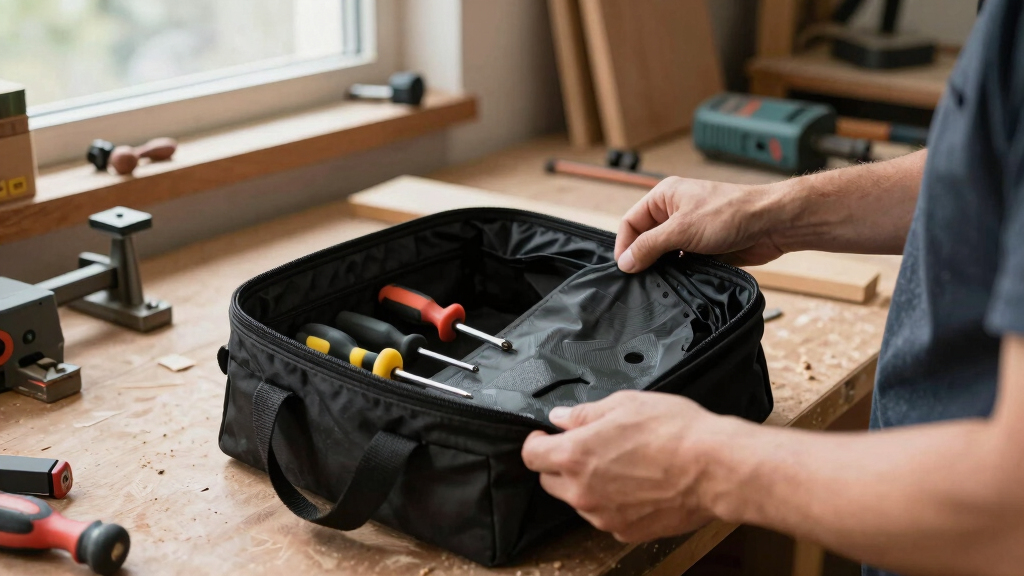
The reinforced bottom is the foundation of any durable tool bag. It’s the part that takes the brunt of contact with the ground, truck beds, or construction site floors. Without it, your tools risk moisture damage, tears, or the bag collapsing under heavy loads.
For example, a carpenter working on-site often drags their bag across rough concrete. A bag with a sturdy, molded base will stay upright, resist water, and keep tools organized—saving time and money in the long run.
Research shows that most tool bag failures happen at the bottom seam or fabric, which is why a reinforced base isn’t just an extra feature—it’s a necessity for serious use. This is because the bottom endures repeated impacts, abrasions, and exposure to moisture, all of which weaken the material over time. Choosing a reinforced bottom means you’re investing in a more resilient structure that can withstand these stresses, ultimately reducing replacement costs and downtime. The tradeoff is often a slight increase in weight and cost, but the longevity gained usually outweighs these considerations.
As an affiliate, we earn on qualifying purchases.
What Are the Main Types of Reinforced Bases? (And Which One Fits Your Job?)
Reinforced bottoms come in several styles, each suited to different tasks. Here’s a quick breakdown:
| Type | Material | Best For |
|---|---|---|
| Molded Plastic / Polypropylene | Rigid, waterproof shell | Heavy-duty, wet environments, truck beds |
| Ballistic Nylon / 1680D Fabric with Reinforced Layer | Thick, layered fabric, waterproof coating | General trades, daily carry, moderate wetness |
| Rubberized / PVC-Coated Bottom | Flexible, water-resistant | Light to medium use, wet conditions, where flexibility matters |
| Leather Bottom | Traditional, durable leather | Classic style, occasional heavy use, aesthetic preference |
Understanding these options allows you to match the reinforcement type with your typical work environment. For instance, a plumber working in wet conditions benefits from a molded plastic or rubberized base for maximum water resistance, whereas a carpenter might prefer a fabric-reinforced bottom that offers a good balance between durability and weight. Some bags incorporate plastic skid feet or riveted metal feet—raised spots that elevate the fabric, reducing direct contact with abrasive surfaces and moisture, which significantly prolongs the bag’s lifespan and maintains its structural integrity over time.
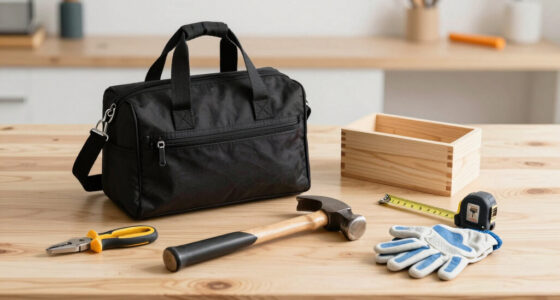
heavy duty tool bag with molded base
As an affiliate, we earn on qualifying purchases.
As an affiliate, we earn on qualifying purchases.
How Reinforced Bottoms Keep Your Tools Dry, Upright, and Safe
Reinforced bottoms do three big jobs: resist water, keep the bag upright, and prevent sagging under heavy loads. This isn’t just about durability; it’s about making your workday smoother.
A molded base, for example, keeps the bag standing tall even when empty or half-full—imagine grabbing your drill quickly without digging through a collapsing sack. This stability not only saves time but also prevents accidental spills that could damage your tools or cause injury.
Plus, waterproof bases with sealed seams or drain holes help shed rain or spilled liquids—saving tools from rust and corrosion. This water resistance is crucial in environments where exposure to moisture is inevitable, such as outdoor job sites or plumbing jobs. A sturdy, waterproof base also minimizes the risk of the bag becoming soggy, which can lead to mold growth or unpleasant odors, further protecting your tools and prolonging the life of your gear.
Sturdy bases also distribute weight evenly, so your bag sits flat and stable, even when loaded with heavy wrenches, screwdrivers, and bits. This balanced weight distribution reduces strain on the seams and fabric, preventing premature wear and tear, and ensuring your tools remain accessible and organized during demanding work conditions.
As an affiliate, we earn on qualifying purchases.
Weight, Maintenance, and Cost: What You Need to Know
Adding a reinforced base means a bit more weight—usually between 1 to 3 pounds, depending on the material and size. For someone who carries the bag all day, that weight adds up, but it’s a worthwhile tradeoff for durability. Heavier bases often mean more robust materials that resist impact and moisture better, which can save money in the long run by reducing replacements.
Cleaning is straightforward—hose off a molded base or wipe down rubberized bottoms. Fabric bases might stain or fray over time but can often be patched or reinforced with additional fabric or seam tape. Regular maintenance, like inspecting seams and cleaning off dirt, extends the life of the reinforced bottom and keeps it performing at its best.
Price varies too. A basic soft-sided bag with a fabric bottom might cost around $50–$80. More durable, molded-base bags often start at $100 and climb higher, especially if they include waterproof features or rugged materials. While the initial investment may be higher, the increased lifespan and protection often justify the cost, especially for professionals who depend on their tools daily.
Choosing the right balance depends on your work style: do you need maximum durability, or lightness for quick moves? The key is to assess your typical workload, environment, and budget to find a reinforced bottom that offers the best value for your specific needs.
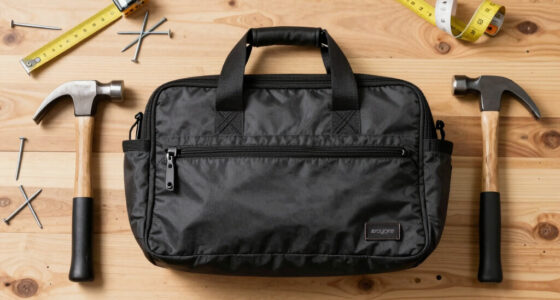
professional tool bag with durable bottom
As an affiliate, we earn on qualifying purchases.
As an affiliate, we earn on qualifying purchases.
Latest Trends & Future of Reinforced Bases in Tool Bags
The industry is moving toward lighter, stronger materials. Manufacturers now favor molded, waterproof bases made from recycled or lighter polymers to cut weight without sacrificing toughness.
Some brands are integrating modular stacking systems, where the base doubles as a platform or interlocking lid, increasing versatility and allowing customization based on the task at hand. This innovation helps tradespeople adapt their tool storage to different job types, reducing the need for multiple bags.
Eco-conscious options are emerging, but the reinforced base itself remains largely made from durable virgin polymers for maximum lifespan. Future developments may include biodegradable or recycled materials that meet the same standards of strength and water resistance, aligning with sustainability goals.
The trend points to bags that are more lightweight, waterproof, and adaptable—perfect for the modern tradesperson juggling tools, safety, and mobility. These advances not only improve convenience but also contribute to environmental sustainability by reducing the overall carbon footprint of manufacturing and disposal.
Frequently Asked Questions
Is a hard bottom or soft bottom tool bag better?
It depends. Hard bottoms, like molded plastic, resist abrasion and keep the bag upright—great for rough, wet sites. Soft, fabric bottoms are lighter and squeeze into tighter spaces but may wear faster, especially on abrasive surfaces.Can you repair or replace a worn tool bag bottom?
Usually not for molded bases—they’re permanently attached. Fabric bottoms can sometimes be patched or reinforced at a seam or with a repair kit. For heavy wear, replacing the entire bag might be more practical.Are waterproof bottoms really waterproof?
Most are water-resistant against splashes and standing water, but seams and zippers can leak. Fully sealed molded bases with drain holes are best for wet environments, providing extra protection.Does a reinforced bottom add much weight?
Typically 1–3 pounds, depending on material and size. For all-day carry, consider if the added weight affects your comfort. For truck or shop storage, it’s usually a worthwhile tradeoff.What’s the best way to clean a tool bag with a molded base?
Hose it off with water and a brush if needed. The sealed plastic base resists stains and dirt, making maintenance quick and simple—especially after muddy or wet jobs.Conclusion
A tough, reinforced bottom isn’t just an upgrade—it’s the backbone of a reliable, long-lasting tool bag. For any tradesperson who depends on their gear to keep working, it’s the feature that pays for itself over time.
When you pick your next bag, look beyond pockets and aesthetics—focus on that bottom. It’s the foundation that keeps your tools dry, accessible, and ready for action.
Halloween Picks
halloween
As an affiliate, we earn on qualifying purchases.