TL;DR

Get business pricing on tools and workshop supplies
- Business-only prices and quantity discounts
- Tax-exempt purchasing
- Multiple users, one account, clear invoices
The best HVAC tool bag balances size, durability, and organization. Focus on compartments, materials, and comfort to make your work easier and safer.
Match the bag size to your typical tool load to avoid overburdening or under-capacity.
Prioritize durable materials like reinforced nylon with water resistance for longevity.
Choose a model with multiple compartments and tool loops to keep everything organized.
Select a carrying style—backpack, shoulder, or tote—that suits your daily mobility needs.
Invest in quality features like secure zippers and reinforced bases to protect your tools.
Why Size and Capacity Matter for HVAC Tool Bags
HVAC technicians carry a mix of small tools and larger equipment. Picking a bag that fits your typical workload is key. Too small, and you’ll be digging around for tools constantly. Too big, and it becomes a cumbersome burden.
For example, if you usually carry a multimeter, refrigerant scales, screwdrivers, and a few pliers, a medium-sized bag with enough compartments works best. If you’re also lugging around power drills or larger components, consider a bigger, reinforced model.
Think about your daily load. Do you need space for future tools? Or just enough for the essentials? The right size makes a noticeable difference in comfort and efficiency.
As an affiliate, we earn on qualifying purchases.
Durability and Material: What Will Last Through Your Toughest Days?
Durability is the backbone of a good HVAC tool bag. Look for high-quality fabrics like heavy-duty nylon or polyester. Reinforced bottoms and sturdy zippers add extra lifespan. Imagine a bag that survives a year of daily drops, spills, and heavy loads—that’s the goal.
For example, a technician I know swears by a bag with a reinforced base and water-resistant fabric. It handles rain, dirt, and rough handling without falling apart. The investment pays off in fewer replacements and fewer interruptions.
Choosing quality materials means your tools stay protected, and your bag lasts longer—saving you money over time.
However, keep in mind that higher-quality materials often come with increased weight. Finding a balance between durability and portability is crucial, especially if you work long hours or carry the bag for extended periods. A heavy bag might last longer but could cause fatigue if not designed ergonomically. Therefore, consider both the material and overall construction to ensure your bag can withstand daily wear while remaining manageable.
As an affiliate, we earn on qualifying purchases.
How to Pick Comfort and Fit — Don’t Ignore Your Body
Comfort can’t be overlooked. An uncomfortable bag wears you down fast. Padded shoulder straps, handles, and ergonomic design matter. If a bag causes shoulder strain or digs into your side, you won’t want to carry it long-term.
For example, a backpack-style bag with padded straps distributes weight evenly across your back. It’s a game-changer during long days on rooftops or tight crawl spaces.
Adjustable straps let you customize the fit, reducing fatigue and making it easier to work for hours without pain.
Beyond straps, consider the overall weight of the bag when empty. A lightweight yet sturdy design reduces fatigue, especially when fully loaded. Also, check if the bag’s shape conforms well to your body and work environment. For example, a slim profile is better in tight spaces, while a wider bag might be more stable on your back. Prioritizing comfort and fit ensures you can focus on your work rather than battling your gear, leading to increased productivity and reduced injury risk.
As an affiliate, we earn on qualifying purchases.
Organizational Features: Keep Your Tools Easy to Find
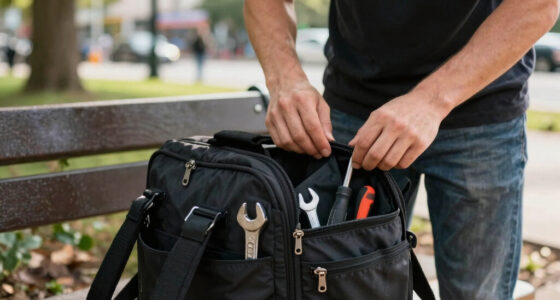
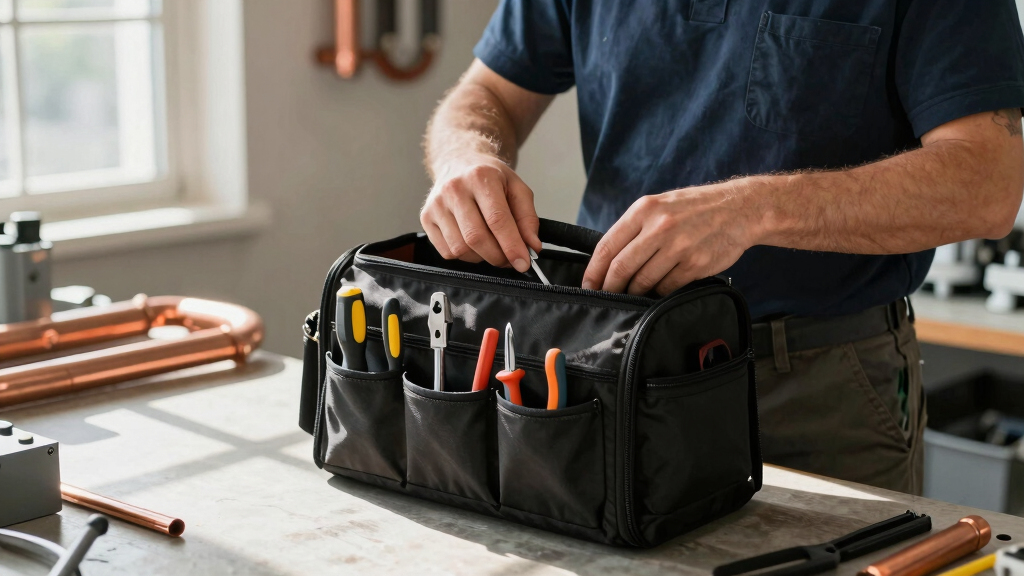
Good organization is the secret to efficient work. Look for multiple compartments, pockets, and tool loops. Small parts like screws or O-rings need dedicated spaces, so nothing gets lost or mixed up.
For instance, a bag with a separate section for refrigerant gauges and another for hand tools keeps everything accessible. You’re not wasting time hunting for that tiny screwdriver.
Some bags have modular inserts or removable pouches, letting you customize your setup based on each job.
Deeply understanding the importance of organization reveals that it’s not just about convenience but about safety and efficiency. When tools are organized, you spend less time searching and more time working. Properly designed compartments prevent damage to delicate tools and reduce the risk of injury from misplaced items. Investing in a bag with thoughtful organizational features ultimately enhances your work quality and safety.
As an affiliate, we earn on qualifying purchases.
Mobility Options: Shoulder, Backpack, or Trolley?
How do you prefer to carry your tools? Each style has pros and cons. Shoulder bags are quick to access but can strain one side. Backpacks distribute weight evenly, great for long walks or stairs. Trolleys or wheeled bags handle heavy loads but add bulk.
For example, if you’re running multiple service calls in a day, a backpack might save your back. On the other hand, a tote with handles works fine for shorter trips.
Think about your daily routine and pick a style that aligns with your mobility needs.
Choosing the right mobility option depends not only on how often you need to access your tools but also on the terrain and environment you work in. For example, a trolley might be ideal if you frequently move over uneven ground or staircases, reducing physical strain. Conversely, a shoulder bag offers quick access in tight spaces but might cause fatigue if overloaded. Evaluating your typical work conditions helps you select a mobility style that minimizes fatigue and maximizes efficiency, ensuring your tools are always within reach without compromising your comfort.
Compare the Best Features in a Simple Table
| Feature | Should You Look For? |
|---|---|
| Material | Heavy-duty nylon or polyester |
| Compartments | Multiple, including small pockets for tiny parts |
| Padding | Comfortable shoulder straps, handles |
| Portability | Backpack, tote, or shoulder strap options |
| Reinforced Base | Yes, for durability and stability |
Security and Price: Don’t Skimp or Overspend
Secure zippers, lockable compartments, and sturdy closures keep your tools safe. If your tools are valuable or fragile, prioritize security features.
Price ranges from $30 to $150. Cheaper bags often wear out faster, while premium models last years and offer better features. Balance your budget with your needs.
Remember, investing in a durable, well-organized bag pays off by saving money and hassle in the long run.
Additionally, consider whether the security features are user-friendly. Locks and zippers should be easy to operate with gloves on and should not compromise quick access to your tools in urgent situations. A well-secured bag ensures your tools are protected from theft and accidental spills, but overly complex locking mechanisms might hinder efficiency. Weigh these tradeoffs carefully to find a balance that offers both security and practicality.
Stay Ahead With Recent Innovations
Modern HVAC tool bags are evolving fast. Innovations include water-resistant fabrics, modular designs, and smart compartments for electronics. Some even feature RFID tags for tool tracking.
For example, a new model might have a built-in USB port and dedicated space for a tablet, making tech management easier on site.
Keeping an eye on these features helps you choose a future-proof bag that adapts as your work changes.
What’s the Bottom Line? Your Perfect HVAC Bag Is Out There
Choosing the right HVAC tool bag is about finding a balance. Size, durability, comfort, and organization all matter. Think about your daily routine and pick a bag that fits naturally into your workflow.
Don’t settle for a bag that’s just okay—invest in one that boosts your efficiency and keeps your tools safe. The right choice can transform your workday into a smoother, safer experience.
Frequently Asked Questions
What size of tool bag is best for HVAC work?
A medium-sized bag often hits the sweet spot—big enough for your essential tools but not so bulky that it slows you down. It depends on your workload, but balancing capacity and portability is key.Should I go for a backpack, shoulder bag, or tote?
It depends on how you work. Backpacks distribute weight evenly, great for long days. Shoulder bags are quick to grab, but can cause fatigue. Totes are simple for short trips. Pick what fits your daily routine best.What materials last the longest?
Heavy-duty nylon or polyester with reinforced bases are the most durable. They resist tears, water, and wear from daily use—keeping your tools safe over time.Are there must-have features I should look for?
Yes. Multiple compartments, padded straps, secure zippers, and reinforced bottoms are the key features that make a tool bag both functional and long-lasting.How much should I spend on a good HVAC tool bag?
Expect to pay between $30 and $150. Cheaper bags might fall apart quickly, while higher-end models offer better durability and features. Choose based on your needs and budget.Conclusion
A reliable HVAC tool bag isn’t just a carrier — it’s a work partner that boosts your efficiency. Take the time to choose one with the right size, durability, and features. Your tools—and your back—will thank you. When you find that perfect bag, work becomes a little easier, and your day a lot smoother.Fall yard work Picks
leaf blowers
As an affiliate, we earn on qualifying purchases.