TL;DR

Get business pricing on tools and workshop supplies
- Business-only prices and quantity discounts
- Tax-exempt purchasing
- Multiple users, one account, clear invoices
Tool backpacks are generally more comfortable and better organized for longer commutes, while tool bags suit shorter trips and lighter loads. Recent trends favor ergonomic, weather-resistant designs with tech features. Your choice hinges on how much you carry and how you travel.
A tool backpack offers better weight distribution and organization for longer or active commutes.
Weatherproof and tech-friendly features are increasingly common, making backpacks more versatile.
Assess your daily tool load and travel distance before choosing between a backpack or a bag.
Proper features like lockable zippers and padded compartments protect your tools and electronics.
Durability depends on quality materials and maintenance, with backpacks generally lasting longer in tough conditions.
Tool Backpack vs Tool Bag for Commuters
Imagine grabbing your tools in the morning: do you reach for a balanced backpack or a simple grab-and-go bag? The right answer depends on your load, route and tolerance for strain. This guide turns those daily realities into a clear carry decision.
Two carriers. Two very different commutes.
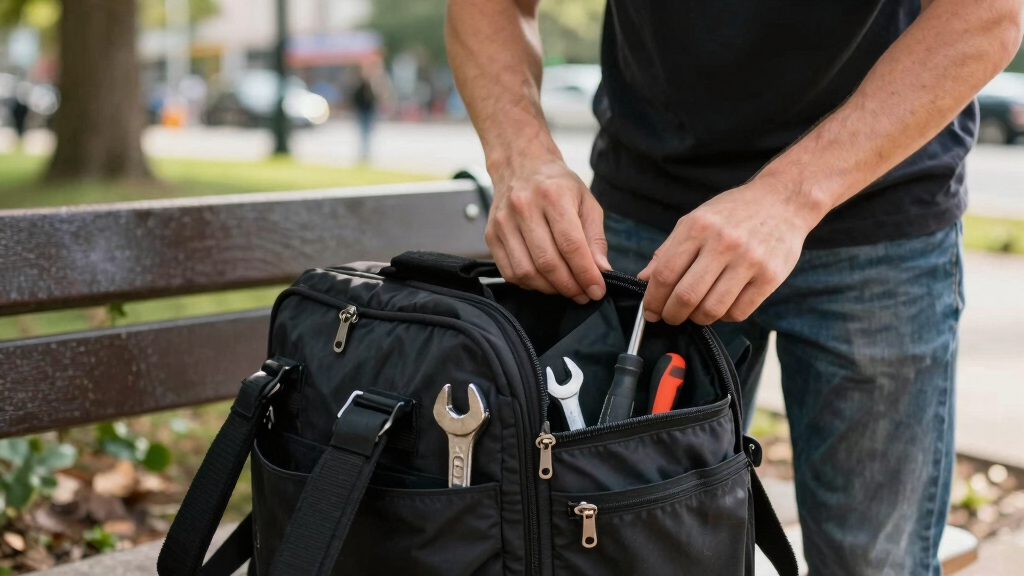
A backpack spreads weight across both shoulders and keeps hands free. A tool bag prioritizes immediate access and low empty weight, but concentrates the load through one hand or shoulder.
Tool Backpack
The stronger all-rounder for walking, biking, public transit and heavier daily kits.
- Padded straps distribute weight across the upper body.
- Dedicated zones separate tools, small parts and electronics.
- Reinforced shells and coatings improve weather protection.
- Hands-free carrying makes stairs and cycling easier.
Tool Bag
A practical, lighter solution when the route is short and the tool list stays disciplined.
- Wide openings make frequently used tools easy to reach.
- Lower empty weight suits compact hand-tool loads.
- Simple construction can mean a lower purchase price.
- Works well between a vehicle and a nearby jobsite.
Where each format wins
The highlighted column reflects the stronger commuter fit overall. Your actual winner can change when quick access matters more than distance, comfort or weather protection.
| Feature | Tool Backpack | Tool Bag | Commuter impact |
|---|---|---|---|
| Capacity | ✓Large; tools, gadgets and personal gear | ~Smaller; essentials-focused | Backpack suits variable or expanding kits. |
| Comfort | ✓Padded straps and supportive back panel | ✗Handle or single strap; concentrated load | Critical for walking, cycling and standing. |
| Organization | ✓Multiple specialized compartments | ~Fewer pockets and open storage | Zones reduce rummaging and tool damage. |
| Weather resistance | ✓Often coated, sealed or waterproof | ~Varies; usually less protected | Important for exposed outdoor routes. |
| Quick access | ~Organized but requires opening zones | ✓Wide top and immediate visibility | Bag wins during frequent short stops. |
| Ideal use | ✓Long commute, heavy load, tech carry | ✓Short trip, light load, vehicle access | Match the carrier to the route, not habit. |
The backpack is becoming a mobile workstation.
Recent designs combine tough fabrics with electronics protection, modular storage and anti-theft details. These features matter most when tools and devices share the same commute.
Coated shells
Water-resistant nylon, sealed seams and raised bases help keep tools and electronics away from rain, snow and wet platforms.
Protected power
Padded laptop sleeves, cable routing and USB charging access support the growing mix of tools, tablets and mobile devices.
Smarter closure
Lockable zippers, concealed pockets and RFID-blocking sections add reassurance on crowded trains and urban routes.
Build the decision around your routine.
Start with the commute, then audit what you actually carry. Comfort, protection and security should follow from those facts—not from the carrier’s appearance.
Map the route
Measure distance and note stairs, cycling, transfers, crowds and outdoor exposure.
Audit the load
Lay out daily tools, batteries, electronics and personal items before sizing capacity.
Fit the carrier
Test strap adjustment, back support, balance and movement with realistic weight inside.
Check protection
Inspect seams, base, zippers, padding and weather coverage before committing.
Comfort is only half the job.
A good carrier also stops tools from shifting, moisture from entering and valuable electronics from becoming easy targets. Small construction details create the largest long-term difference.
Secure loose tools
Use fitted loops and compartments so dense items cannot shift or strike electronics.
Pad your devices
Keep tablets and laptops in suspended sleeves away from sharp edges and the bag base.
Prepare for rain
Combine coated fabric with sealed zippers or a fitted cover during sustained downpours.
Inspect high-stress points
Clean the carrier and check straps, seams, zipper tracks and base wear regularly.
Let distance and load make the choice.
Choose a tool backpack when your commute is long, active, crowded or weather-exposed—especially when you carry heavy tools or electronics. Choose a tool bag for short, vehicle-based trips where low weight and fast access matter most.
What’s the real difference between a tool backpack and a tool bag?
Tool backpacks are designed for comfort and convenience, especially over longer distances or heavier loads. They feature padded straps, multiple compartments, and often specialized pockets for tech or small parts. These features are crucial because they directly influence how comfortably and efficiently you can carry your tools. For example, a well-padded backpack distributes weight evenly across your shoulders and back, reducing fatigue and the risk of strain, which is essential if your commute involves walking or biking for extended periods.
Tool bags tend to be simpler — a single handle or shoulder strap, fewer pockets, and less weight. While they are lighter and easier to grab quickly, they often lack the ergonomic design needed for longer or more frequent trips. The main tradeoff here is between convenience and comfort: a bag may be easier to access but can cause discomfort if used for extended periods or heavy loads. Understanding these differences helps you choose based on how much you carry and how far you travel.
ergonomic tool backpack for commuters
As an affiliate, we earn on qualifying purchases.
As an affiliate, we earn on qualifying purchases.
Why do commuters prefer tool backpacks today?
More people are choosing tool backpacks because they blend comfort with smart organization, addressing the practical needs of daily commuters. A well-made backpack with padded straps and a supportive back panel reduces the strain on your shoulders and spine, which is especially important if your route involves walking, biking, or standing for long periods. This ergonomic benefit can prevent chronic back pain and fatigue, making your commute less physically taxing.
Furthermore, modern backpacks with features like weather resistance and tech integration are tailored to the realities of urban life. For instance, a commuter biking through rain needs a backpack with waterproof fabric and secure compartments to protect delicate electronics. The added organizational features mean you can easily find and access tools or devices without rummaging through clutter, saving time and reducing frustration. These advantages collectively explain why backpacks are increasingly favored—they enhance comfort, security, and efficiency, directly impacting your daily routine and overall well-being.
weatherproof tool bag with organized compartments
As an affiliate, we earn on qualifying purchases.
As an affiliate, we earn on qualifying purchases.
How to pick the perfect tool carrier for your daily routine
- Assess your commute distance and terrain. Do you walk, bike, or take transit? Longer, active commutes require ergonomic features like padded straps and back support to prevent fatigue and injury. If your route is short and mostly vehicle-based, simpler options may suffice.
- Determine your tool load. Are you carrying heavy power tools or just hand tools? Larger capacity backpacks with reinforced compartments can handle heavier loads more comfortably, distributing weight evenly and reducing strain.
- Consider your comfort preferences. Padded shoulder straps, adjustable harnesses, and breathable back panels can make a significant difference in how comfortable your carry is over time. Ignoring comfort features may lead to discomfort or even injury after repeated use.
- Check for weather resistance. Waterproof fabrics and sealed seams protect your tools and electronics from rain, snow, or splashes, which is critical if you commute outdoors or in unpredictable weather. Failing to consider weatherproofing can result in damaged tools and electronics, increasing long-term costs and inconvenience.
- Think about security. Lockable zippers, hidden compartments, and RFID-blocking pockets help prevent theft and unauthorized access. These features are especially important in crowded transit stations or urban environments where theft risk is higher. Prioritizing security features can save you from potential loss and hassle.
tech-friendly tool backpack with lockable zippers
As an affiliate, we earn on qualifying purchases.
As an affiliate, we earn on qualifying purchases.
Compare the pros and cons: Tool backpack vs tool bag
| Feature | Tool Backpack | Tool Bag |
|---|---|---|
| Capacity | Large, fits multiple tools and gadgets | Smaller, for essentials only |
| Comfort | Padded straps, ergonomic design | Handles or shoulder strap, less padding |
| Organization | Multiple compartments, specialized pockets | Fewer pockets, simpler layout |
| Weather Resistance | Often waterproof or weatherproof | Varies, usually less protected |
| Ideal For | Longer commutes, tech integration, heavy loads | Short trips, quick access, lighter loads |
As an affiliate, we earn on qualifying purchases.
What features should you look for in a commuter tool backpack?
- Padded straps and back panel for comfort during long walks or bike rides.
- Weather-resistant fabric to keep tools dry in rain or snow.
- Multiple compartments to separate power tools, small parts, and electronics.
- Security features like lockable zippers or hidden pockets.
- Tech-friendly features such as USB ports or padded laptop compartments.
How recent tech trends are changing tool carriers for commuters
Today’s tool backpacks are smarter. Many include built-in USB ports for charging devices on the go, RFID-blocking pockets for security, and modular compartments that adapt to your tools. Lightweight, weatherproof fabrics are now standard, making them more suited for outdoor commutes.
For example, a commuter biking through rain appreciates a backpack with a waterproof coating and a quick-access pocket for keys and phone. These innovations make carrying tools more practical, safe, and comfortable.
How durable are these tools carriers really?
Both tool backpacks and bags are made from tough materials like nylon, polyester, or leather. But backpacks often feature reinforced seams and weatherproof coatings, boosting their lifespan. A good backpack can last 3-5 years of daily use, even in rough weather.
For example, a BestBeltShop waterproof backpack endured a week of rain during a construction project — no soggy tools, no fuss. Durability depends on quality materials and proper maintenance.
How to keep your tools and electronics safe during your commute
Choose a backpack with lockable zippers and padded compartments. Use weatherproof covers when rain is heavy. Keep valuable electronics in RFID-blocking pockets or inside padded laptop compartments. Secure loose tools to prevent shifting and damage.
For instance, a commuter used a backpack with a lockable main zipper and a padded tablet sleeve. When caught in a sudden downpour, her electronics stayed dry, and her tools stayed put.
What’s the bottom line? Which tool carrier should you pick?
Think about your commute, tools, and comfort. For longer, active trips, a well-organized, ergonomic backpack wins. For quick trips with fewer tools, a smaller bag may suffice. Matching your needs with these factors leads to happier, less stressful mornings.
Remember, a good tool carrier isn’t just about capacity — it’s about how well it fits your routine and keeps your tools secure and accessible.
Frequently Asked Questions
Is a tool backpack worth it for short commutes?
If your trip is less than a mile or involves just a few lightweight tools, a simple tool bag or pouch might be enough. But if you prefer comfort and better organization, a small backpack can still be a smart choice.Can I carry electronics safely in a tool backpack?
Yes, many modern backpacks feature padded compartments specifically designed for laptops, tablets, and other electronics. Look for models with reinforced sections for added protection.What’s the best material for weatherproofing?
Nylon with waterproof coatings or sealed seams offers excellent protection. Leather can also be durable, but it’s less weather-resistant unless treated properly.How much should I expect to spend on a quality commuter tool backpack?
Good quality options range from $50 to $200, depending on features, materials, and brand. Investing a little more often means better durability and added features.Are there security features to prevent theft in crowded transit stations?
Yes. Look for backpacks with lockable zippers, hidden compartments, or RFID-blocking pockets to keep your tools and electronics safe during busy commutes.Conclusion
Choosing the right tool carrier boils down to how far and how comfortably you want to carry your gear. A well-chosen backpack can transform your daily routine — turning a burdensome chore into a smooth, efficient start to the day. Pick what fits your style, and never settle for less than a reliable, organized carry.Halloween Picks
halloween
As an affiliate, we earn on qualifying purchases.