
TL;DR

Get business pricing on tools and workshop supplies
- Business-only prices and quantity discounts
- Tax-exempt purchasing
- Multiple users, one account, clear invoices
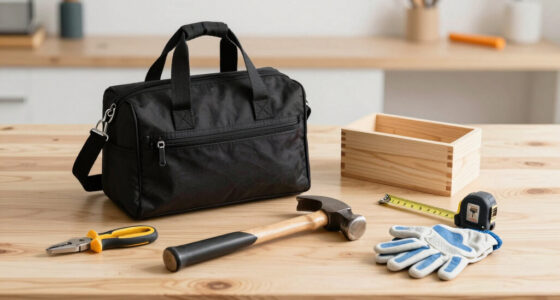
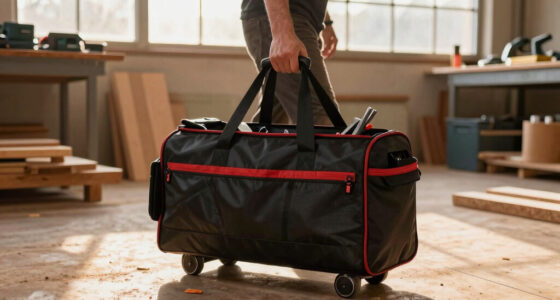
Open tote bags offer quick access but less protection, while closed tool bags provide better organization and security. Your choice depends on how you work and what you need from your tool carrier.
Ever grabbed a tool bag, only to find yourself fumbling to find that one wrench. Or maybe you prefer the peace of mind knowing your tools stay clean and secure. The choice between an open tote and a closed tool bag isn’t just about looks—it’s about how you work, where you work, and what tools you need.
In this guide, you’ll learn the key differences, real-world scenarios, and recent trends shaping these two popular options. Whether you’re a seasoned tradesperson or a DIY enthusiast, understanding these can save you time, protect your tools, and boost your efficiency.
Choose an open tote for quick tool access in indoor or fast-paced settings.
Opt for a closed bag when protection, organization, or security matters—especially outdoors.
Consider your work environment, tool size, and weight when selecting the right bag.
Durable materials like reinforced nylon or leather extend your bag’s lifespan under daily use.
Stay updated on modular and smart features to maximize your tool storage efficiency.
Why Accessibility Matters More Than You Think
Open tote bags give you instant access. Think of a handyman on a busy job site who needs a quick swap of screwdrivers. With an open tote, he just reaches in, grabs what he needs, and keeps moving. No zippers, no fuss.
In contrast, a closed tool bag keeps tools tucked away behind a zipper or flap. It might take an extra second to unzip, but the payoff is less clutter, less dust, and more security. For indoor projects or when you need tools at your fingertips, the open tote wins.
For example, a plumber working inside a home might prefer an open tote because he frequently switches out tools. Meanwhile, a contractor transporting tools between sites might choose a closed bag for safety and protection.
Understanding why accessibility matters helps you weigh the tradeoffs: quick access can significantly improve workflow efficiency, especially in fast-paced environments, but it may come at the cost of less protection and increased exposure to elements or theft. Conversely, a closed bag’s slower access might be a worthwhile tradeoff if your work environment demands higher security or protection from dust and weather.
As an affiliate, we earn on qualifying purchases.
Organization & Storage: Which Keeps Your Tools Neat?
Open totes usually feature a large, single compartment—think of it like a big toolbox with no dividers. This setup makes it easy to toss in tools, but it can quickly turn into a jumble. This disorganization can lead to wasted time when searching for specific tools, especially small or specialized ones. The lack of dedicated spaces means you might accidentally damage delicate tools or misplace items, reducing efficiency and risking tool longevity.
Closed tool bags often include multiple pockets, dividers, and compartments, which serve as designated homes for each tool. Imagine a bag lined with elastic loops, zippered pockets, and removable trays—everything has a specific place. This setup not only speeds up your workflow by making tools easier to find but also prevents damage from tools knocking against each other. Well-organized storage reduces frustration and increases safety, as sharp or heavy tools are less likely to shift unexpectedly.
For instance, an electrician who carries many small parts benefits from a closed bag with dedicated sections, minimizing the risk of losing vital components. A painter might prefer an open tote for larger brushes and rollers, accepting the tradeoff of less organization for faster access, especially when speed outweighs the need for meticulous order.
Choosing the right organization setup depends on your trade and workflow priorities. If your work involves many small, delicate tools or parts, a well-organized, compartmentalized bag reduces downtime and protects your equipment. Conversely, if you value speed and flexibility over perfect order, an open tote might be more suitable, accepting the tradeoff of potential clutter.
As an affiliate, we earn on qualifying purchases.
Protection & Security: Keeping Tools Safe Inside and Out
Tools in an open tote are exposed to dust, dirt, and weather. If you’re working outdoors, rain or mud can splash right in, which could lead to rust or damage over time. For example, a roofing worker’s open tote might get soaked in a sudden downpour, potentially damaging sensitive tools or making them unsafe to use until cleaned and dried.
Closed bags provide a shield—zippers, flaps, and sometimes lockable features—keeping tools dry, clean, and secure. This is especially important when tools are left unattended or transported over long distances. Think of a construction worker leaving his bag on-site overnight—he’d want a lockable zipper to prevent theft or accidental loss. Additionally, the enclosure minimizes exposure to corrosive elements, extending the lifespan of your tools.
Environmental factors and theft risk heavily influence your choice: in outdoor or high-theft areas, a closed bag offers peace of mind, reducing the likelihood of rust, damage, or theft. For indoor or protected environments, the open tote’s convenience might outweigh these concerns, but always weigh the potential costs of damage or loss against the ease of access.
As an affiliate, we earn on qualifying purchases.
Portability & Comfort: Carrying Heavy Loads
Both bags can come with sturdy handles or shoulder straps, but comfort depends heavily on design and construction. Heavy tools—think 30+ pounds—require padded straps, ergonomic handles, and balanced weight distribution to prevent fatigue and strain during extended periods of carrying. Without these features, even a well-organized bag can become a burden, leading to discomfort or injury over time.
For example, a tile installer might carry a heavy bag across a large job site. In such cases, padded straps, padded back panels, and adjustable features become critical to reduce fatigue and prevent musculoskeletal strain. Choosing a bag with a comfortable carrying system can make a significant difference in overall productivity and well-being.
Size considerations also come into play: smaller open totes are easier to carry and maneuver, but might lack capacity for all your tools. Larger closed bags can accommodate more equipment but may be cumbersome, especially if poorly designed. The key is balancing capacity with comfort—select a bag that fits your typical workload without sacrificing mobility or comfort.
As an affiliate, we earn on qualifying purchases.
Material & Durability: What Holds Up Day After Day
Common materials include canvas, nylon, leather, or polyester. Heavy-duty nylon and reinforced polyester resist tears and abrasions best, making them ideal for rugged environments. Leather, while stylish and durable, can be stiff, heavier, and less water-resistant unless specially treated. The choice of material affects not only durability but also weight and flexibility, influencing how comfortable and practical the bag is during daily use.
Imagine a steelworker dragging his bag across rough concrete—only a tough, rip-resistant material will stand up to such abuse without tearing or fraying. Reinforced seams and waterproof coatings further extend the lifespan by preventing leaks and unraveling at stress points. Investing in quality materials is essential if your work involves harsh conditions, as cheaper fabrics tend to degrade quickly, leading to higher replacement costs and downtime.
Ultimately, selecting a bag with durable, weather-resistant materials ensures your tools stay protected and your investment lasts longer, especially when exposed to daily wear and tear. Prioritize construction quality and material choice based on your specific working conditions to maximize longevity and performance.
Choosing the Right Bag for Your Job: Quick Tips
- Assess how often you need quick access to tools. Do you swap tools frequently? Go open. Recognize that in fast-paced environments, the ability to quickly grab the right tool can significantly reduce downtime and increase productivity, making open totes a preferred choice. However, consider if your environment also demands protection or security, which might outweigh the benefit of speed.
- Consider your environment. Outdoor work calls for protective, closed bags that shield tools from weather and theft, while indoor work may favor open totes for ease of access. Think about environmental factors like rain, dust, and exposure to elements, which directly impact the durability and practicality of your choice.
- Think about organization. Do you prefer everything in its place? Closed bags with compartments and dividers help streamline your workflow, especially when dealing with many small or delicate tools. If you prioritize speed and flexibility, open totes might be more suitable, even if it means sacrificing some order.
- Evaluate weight and comfort. Will you carry heavy loads often? Padded straps, ergonomic handles, and balanced weight distribution are essential to prevent fatigue and injury. Overlooking these features can lead to discomfort, reducing your efficiency and increasing the risk of musculoskeletal issues.
- Match materials to your durability needs. Heavy-duty nylon or leather lasts longer under tough conditions, protecting your tools and your investment. Consider the typical environment and frequency of use to choose materials that offer the best balance of durability and weight.
Making an informed decision based on these factors ensures you select a tool bag that enhances your productivity, protects your tools, and provides comfort during long workdays.
Latest Trends Making Tool Bags Better Than Ever
Modern tool bags are packed with features that boost convenience. Lightweight, water-resistant fabrics like high-denier nylon are standard now, offering durability without adding weight. Some bags incorporate modular compartments, allowing you to customize your setup based on the specific tools needed for each job, which enhances efficiency and organization.
Smart features are transforming tool storage as well: RFID tags help you track your tools, reducing loss and theft, while built-in charging ports keep your devices powered on-site, minimizing downtime. Ergonomic improvements like contoured straps, padded handles, and adjustable features significantly reduce fatigue, especially during long days of hauling tools. Eco-friendly options, using sustainable materials, are gaining popularity, aligning with a growing emphasis on environmental responsibility.
For example, a carpenter might choose a modular bag with removable sections that can be reconfigured for different projects, saving time and streamlining tool access. These innovations collectively make modern tool bags more functional, durable, and user-friendly, helping professionals work smarter and more efficiently than ever before.
Frequently Asked Questions
Can I use an open tote for outdoor work?
Yes, but only if it’s made from water-resistant or tough, weatherproof materials. Otherwise, tools can get dirty, wet, or damaged quickly outdoors.How do I pick the right size tool bag?
Estimate the number of tools you carry regularly. Choose a size that fits your essentials without being bulky. Larger bags are better for holding power tools, smaller ones suit daily hand tools.Are closed tool bags more theft-proof?
Generally, yes. Lockable zippers and secure compartments make it harder for thieves to grab tools. For high-value equipment, a closed bag adds an extra layer of security.What materials last the longest?
Heavy-duty nylon, reinforced polyester, and genuine leather top the list for durability. They resist tears, abrasions, and weather better than cheaper fabrics.Can I add compartments or customize my bag?
Many modern bags feature modular designs or removable dividers, allowing you to tailor your storage setup. Check for compatibility before buying if customization is critical.Conclusion
Picking between an open tote and a closed tool bag isn’t about one being better—it’s about what fits your workflow best. Think about how often you need quick access, whether you’re outdoors or indoors, and how much protection your tools require.
Remember, a well-chosen bag saves time, protects your investment, and makes your workday smoother. Don’t settle for just any bag—pick what helps you work smarter, not harder.
Halloween Picks
halloween
As an affiliate, we earn on qualifying purchases.