
TL;DR

Get business pricing on tools and workshop supplies
- Business-only prices and quantity discounts
- Tax-exempt purchasing
- Multiple users, one account, clear invoices
Hard-bottom tool bags are more durable and protective, ideal for heavy-duty environments. Soft-bottom bags are lighter and flexible, suited for quick, lighter jobs. Your choice depends on your workload and environment.
Hard-bottom tool bags provide superior impact protection and longevity in harsh environments.
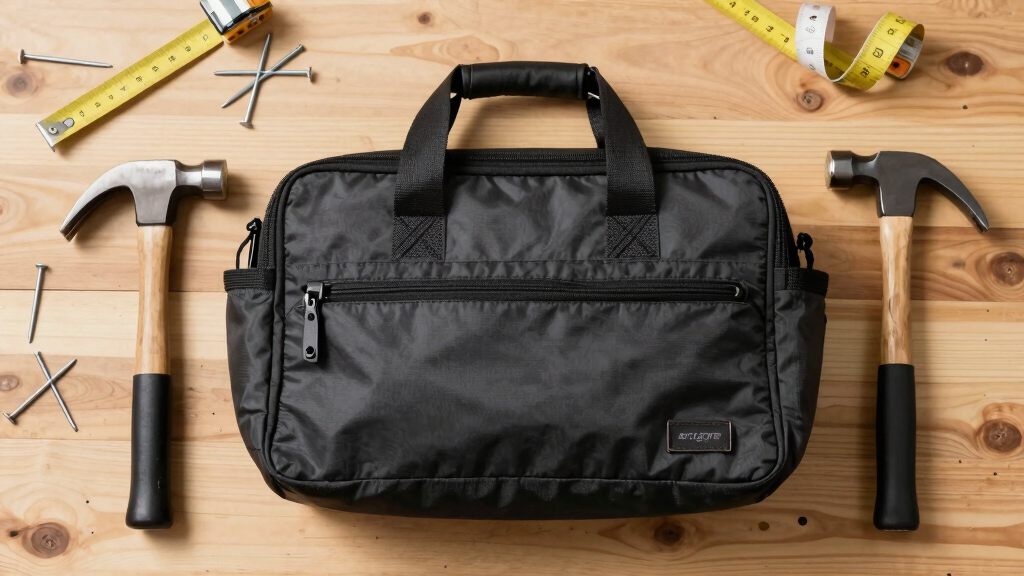
Soft-bottom bags are lighter, more flexible, and easier to customize for quick access or lighter loads.
Hybrid bags combine the best features, offering impact resistance with lightweight design.
Choosing the right bag depends on your workload, environment, and organizational needs.
Investing in quality features like waterproof fabrics and modular interiors can improve your efficiency.
What Exactly Are Hard-Bottom and Soft-Bottom Tool Bags?
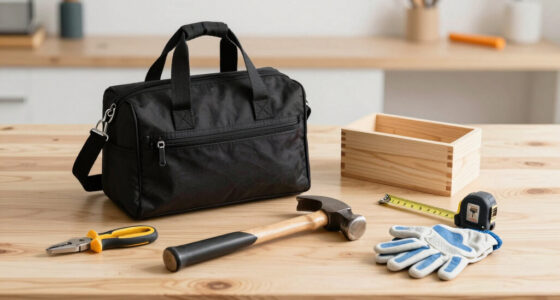
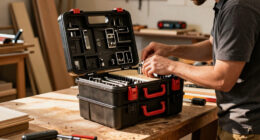
Hard-bottom tool bags feature a sturdy, often molded, base made from plastic, metal, or reinforced composites. They stand tall even when empty, keeping tools safe from crushing or bending. This design ensures that your tools are protected from external impacts and prevents the bag from collapsing under weight, which can be critical when carrying fragile or expensive equipment. Soft-bottom bags, on the other hand, are crafted from flexible fabrics like nylon or canvas, relying on the structure of their walls and internal supports for shape. This flexibility allows for easier storage in tight spaces and quick access but can compromise the overall stability and protection of your tools. Imagine a rugged plastic crate versus a soft-sided duffel — both carry tools, but each has a different personality. The choice impacts not only how well your tools are shielded but also how the bag behaves under different conditions, affecting your workflow and safety.
For example, a plumber might prefer a hard-bottom bag to endure rough job-site drops, while a painter might lean toward a soft, lightweight model for quick trips around the house. The decision hinges on balancing protection with convenience, depending on your specific trades and typical work environment.
As an affiliate, we earn on qualifying purchases.
Why Durability and Protection Matter in Your Choice
Durability isn’t just about lasting longer — it’s about protecting your tools from damage and ensuring your safety on the job. When tools are exposed to impacts, drops, or harsh conditions, the integrity of your bag becomes crucial. Hard-bottom bags excel here because their reinforced bases absorb shocks and prevent tools from crushing or deforming under pressure. This means fewer replacements and less downtime, especially in demanding environments like construction sites or industrial settings. If you’ve ever dropped your bag from a ladder or stepped on it during a busy day, you understand how crucial a firm base is — it minimizes the risk of tools falling out, breaking, or causing injury. Conversely, soft-bottom bags, while more vulnerable to wear, often include features like water-resistant fabrics and padded interiors, which can mitigate some risks. For instance, a soft-sided electrician’s bag might have a waterproof coating that keeps tools dry in rain, even if the exterior isn’t as tough as a hard shell. The tradeoff is that soft bags might require more careful handling or additional protective accessories to match the impact resistance of hard-bottom models. Ultimately, your choice should weigh the importance of long-term protection against convenience and work environment demands.
As an affiliate, we earn on qualifying purchases.
Weight & Portability — Which Bag Feels Lighter in Your Hand?
Hard-bottom bags tend to weigh more due to their rigid base — sometimes by 2-3 pounds — which adds up when carried for long periods. This extra weight can lead to fatigue, especially if you’re moving around all day or climbing ladders. Moreover, their inflexibility can make quick, light trips cumbersome, as you might be hesitant to lift or carry a bulky, rigid container repeatedly. Soft-bottom bags, made from lightweight fabrics like nylon or canvas, are generally easier to carry and maneuver. Their flexibility allows you to fold or compress them when not in use, making storage and transport more convenient. Imagine a carpenter heading to a job site: a soft, canvas bag might feel like carrying a feather compared to a bulky plastic shell. However, this lighter weight often comes with a tradeoff—less impact resistance and structural support, which can be problematic if your tools are heavy or if the bag needs to withstand rough handling. If you frequently carry heavy tools or work in physically demanding environments, the additional weight of a hard-bottom bag might be an unavoidable burden, but it offers superior protection for your gear.
As an affiliate, we earn on qualifying purchases.
Organization & Accessibility — How Easy Is It to Find Your Tools?
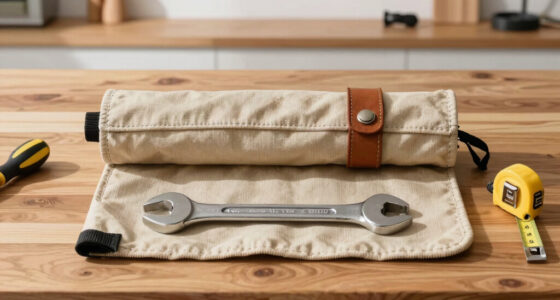
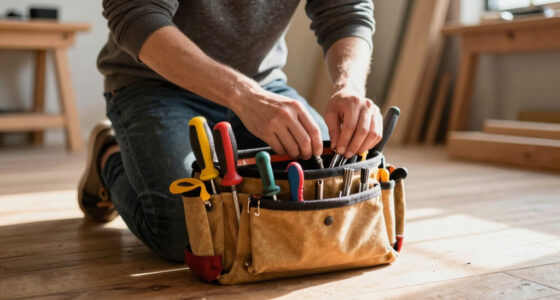
Hard-bottom tool bags often come with built-in dividers, rigid compartments, and molded trays. These features provide a dedicated space for each tool, reducing clutter and making it quicker to locate what you need. A well-organized hard-bottom bag can significantly improve efficiency, especially when working under time constraints or in complex tasks where every second counts. Think of it like a toolbox with designated slots — organized and efficient, minimizing frustration and accidental tool damage. Soft-bottom bags are more flexible, allowing you to customize the interior with pouches, velcro dividers, or removable inserts. This adaptability is advantageous if your toolkit varies or if you need to swap out tools frequently. For example, a painter or drywall installer might benefit from a soft, collapsible bag that can be adjusted for different projects. However, the lack of rigid structure can lead to more rummaging, as tools may shift or settle into different positions, making it harder to quickly find what you need. The choice depends on your organizational style — whether you prefer a fixed, structured layout or flexible, customizable compartments.
As an affiliate, we earn on qualifying purchases.
Cost Factors — Are Hard-Bottom Bags Worth the Price?
Hard-bottom tool bags are typically pricier — often 20-50% more than soft-sided options — because of their durable materials and reinforced construction. This higher cost reflects their longer lifespan, impact resistance, and suitability for demanding environments. For professionals who rely on their tools daily, investing in a hard-bottom bag can be cost-effective in the long run, as it reduces the need for replacements and minimizes tool damage. Conversely, soft-bottom bags are more budget-friendly, making them accessible for DIYers or those with lighter workloads. For example, a basic nylon soft bag might cost around $30, while a heavy-duty hard-shell model can run over $80. While the initial investment may be higher, the durability and protection benefits often justify the price difference, especially if you work in rugged conditions or transport fragile tools regularly. The decision hinges on balancing your budget with your need for longevity and protection. Cheaper soft bags may save money upfront but could incur higher costs over time if they wear out or fail to protect your tools adequately.
The Latest Trends: Hybrid & High-Tech Bags
Manufacturers are now blending the best of both worlds: hybrid tool bags with a soft outer shell and a hard, impact-resistant base. These bags aim to offer durability, lightweight portability, and flexible organization. Imagine a soft canvas exterior with a reinforced, molded bottom for impact protection, combining the flexibility of soft bags with the toughness of hard cases. The use of advanced materials like lightweight plastics and water-resistant fabrics ramps up the durability while keeping weight manageable. Plus, ergonomic features like padded straps and modular interiors make these bags a no-brainer for busy professionals who need both protection and mobility. These innovations address many of the tradeoffs seen in traditional designs, offering a balanced solution that adapts to various job scenarios while reducing fatigue and increasing efficiency.
Which Type Works Best for Your Job? A Quick Guide
Choosing the right bag depends on your work environment and the tools you carry. If you handle heavy, impact-prone jobs, a hard-bottom bag will last longer and better protect your gear, reducing replacement costs and potential downtime. Think of a mechanic dropping tools into a rugged plastic case before climbing under a car — durability is key. For quick jobs, or if you value ease of carrying and flexibility, soft-bottom models excel because they are lighter and more adaptable to tight spaces. A painter or drywall installer might prefer a soft, collapsible bag that can be easily stowed away or carried over the shoulder, enhancing mobility and speed. The decision should consider how often you need to access your tools quickly, the environment you work in, and whether protection or convenience is your priority. Understanding these factors helps you select a bag that enhances your productivity and safety.
How to Pick the Perfect Tool Bag — 3 Simple Steps
- Assess your typical workload: heavy tools or light accessories? Understanding your usual tool weight helps determine if you need a sturdy, impact-resistant base or if a lightweight soft bag suffices.
- Consider your environment: rough sites or indoor projects? Rough environments demand more durable, impact-resistant bags, while indoor or less demanding settings may allow for lighter, softer options.
- Decide on priorities: durability, weight, organization, or budget? Clarifying your main needs helps narrow down options and avoid costly mismatches. For example, if impact resistance tops your list, lean toward a hard-bottom model that can withstand drops and rough handling, ensuring your tools stay safe and accessible.
Summary: Which Bag Should You Choose?
In the end, your choice comes down to your work style and specific needs. Hard-bottom tool bags excel where protection and durability are paramount, especially in demanding environments where tools are frequently dropped or subjected to impact. Soft-bottom bags are your go-to for lightweight, flexible, and quick access needs, ideal for less rugged tasks or when mobility is a priority. Hybrid designs now offer a blend of both benefits, providing impact resistance with the convenience of lightweight, customizable features. Consider how you carry, store, and access your tools daily — the right bag can significantly improve your efficiency, safety, and overall work experience. The best tool bag isn’t just a container; it’s an extension of your workflow, designed to keep your tools protected, accessible, and organized in every situation.
Frequently Asked Questions
Are hard-bottom tool bags more durable than soft ones?
Yes, hard-bottom bags tend to withstand impacts and rough handling better, making them last longer in tough environments. They protect tools from crushing and deformation, especially on construction sites or when dropped.Can I carry a soft-bottom bag for heavy tools?
You can, but it may not be ideal long-term. Soft bags are lighter and more flexible but wear out faster under heavy loads or impacts. For heavy, frequent use, a hard-bottom or hybrid bag offers better protection.Do hybrid tool bags really combine the best of both worlds?
Absolutely. Hybrid bags feature a soft, flexible exterior with a reinforced, impact-resistant base. They give you durability, lightweight handling, and organizational flexibility in one package.Which is better for electricians or painters?
It depends on their tasks. Electricians carrying small parts benefit from soft, customizable bags. Painters or trades working in rugged environments may prefer hard-bottom models for added protection and durability.How do I decide which bag fits my needs?
Evaluate your typical workload, environment, and organizational preferences. Heavy impact or rough sites favor hard-bottom bags, while quick, lighter jobs lean toward soft or hybrid options.Conclusion
Your tool bag isn’t just a carrier — it’s a partner on the job. If durability and protection are your top concerns, a hard-bottom model is worth every penny. But if flexibility and ease matter more, a soft or hybrid bag keeps your work flowing smoothly. Pick what suits your style and environment, and your tools will thank you.Columbus Day / Indigenous Peoples' Day Picks
long weekend sales
As an affiliate, we earn on qualifying purchases.