
TL;DR

Get business pricing on tools and workshop supplies
- Business-only prices and quantity discounts
- Tax-exempt purchasing
- Multiple users, one account, clear invoices
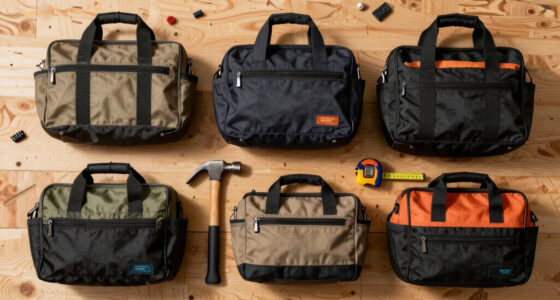
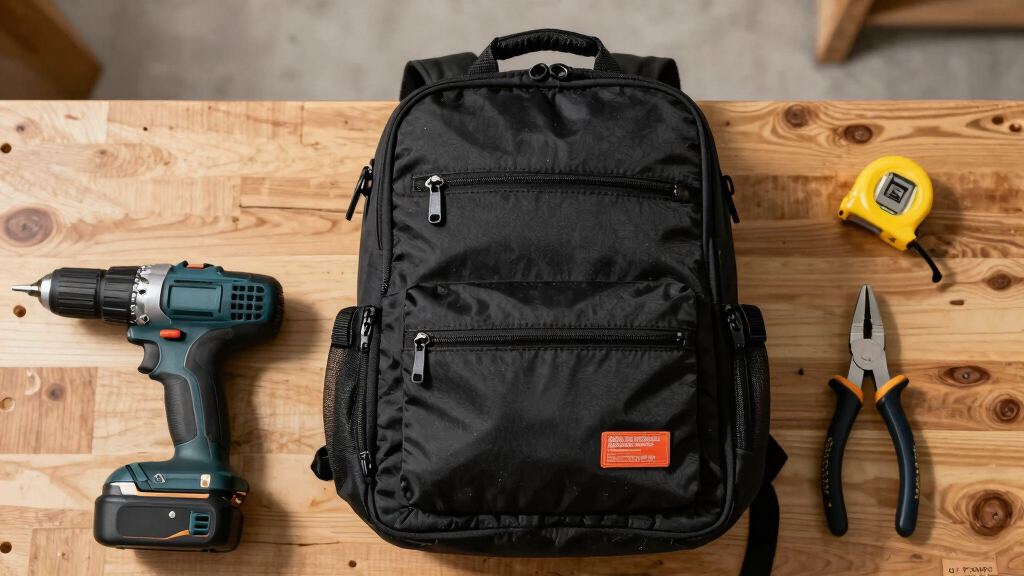
The best electrician’s tool backpack combines tough materials, ample organized space, and ergonomic design. Knowing your needs and recent trends helps you pick a gear that lasts and boosts efficiency.
Switching from a tool belt to a backpack might seem like a small change. But the right backpack can transform your workday—more space, better organization, less fatigue. You carry a lot of small, heavy tools, and your gear needs to keep up.
In this guide, you’ll learn exactly what to look for in a tool backpack. From materials that survive the daily grind to smart designs that make your tools easier to find. Ready to upgrade your setup? Let’s get into it.
Choose a backpack with heavy-duty, water-resistant materials to withstand daily wear.
Match the size and capacity to your typical tool set to avoid overloading or under-storing.
Prioritize ergonomic features like padded straps and back support to prevent fatigue.
Opt for safety features such as reflective strips and waterproof fabric for visibility and protection.
Stay updated on new features like modular compartments and smart tech for added convenience.
Why Durability Matters More Than You Think
When you’re climbing ladders or squeezing into tight spaces, your backpack takes a beating. Look for heavy-duty polyester or nylon fabrics. Reinforced stitching and sturdy zippers prevent tears and broken closures. Imagine hauling a fully loaded pack all day—your gear should resist the inevitable knocks and scrapes.
For example, a common scenario is dropping the backpack onto concrete. A durable fabric with reinforced corners can prevent rips that send tools flying. Over time, cheap materials cost more in replacements—so invest in quality upfront.
Choosing durable materials isn’t just about longevity; it’s about ensuring your tools and your investment stay protected. A fragile backpack might save money initially but can lead to costly replacements and downtime. The tradeoff is clear: spend a bit more now to avoid bigger costs later, ensuring your gear stays intact through daily wear and tear.
As an affiliate, we earn on qualifying purchases.
Find the Perfect Size and Capacity for Your Tools
The trick is choosing a backpack that fits your tools without turning into a bulky burden. Think about your daily load: pliers, screwdrivers, wire strippers, a small drill. Look for models offering at least 20-30 liters of capacity. Compartments and pockets should match your typical tools.
A real-world example: an electrician carrying a digital multimeter, insulated screwdrivers, and a few connectors needs quick access. Overstuffing leads to discomfort; too small, and you’ll leave tools behind.
Understanding the capacity helps you balance portability and accessibility. Too large a pack might become unwieldy, causing strain during long days, while too small can hinder your workflow. The tradeoff lies in choosing a size that offers enough organized space without compromising mobility. Consider your typical workload—if you often carry bulky power tools, prioritize larger capacity; for lighter, more frequent trips, a compact pack suffices.
heavy-duty tool backpack for electricians
As an affiliate, we earn on qualifying purchases.
As an affiliate, we earn on qualifying purchases.
How Comfort and Fit Boost Your Day
If your backpack isn’t comfortable, you’ll feel it by mid-morning. Look for padded shoulder straps, a padded back panel, and adjustable straps. These features distribute weight evenly, reducing fatigue. Imagine lugging a 15-pound pack while climbing or crawling—comfort is everything.
For example, a well-padded strap system can prevent shoulder strain after a full day of work, especially when the pack weighs over 20 pounds. Ergonomic design isn’t just a luxury; it’s a necessity for long shifts.
Pro tip: test the pack with a load before buying. Feel how the weight shifts and whether straps dig into your shoulders.
Prioritizing ergonomic features means considering how the pack interacts with your body during movement. Proper weight distribution reduces fatigue and the risk of musculoskeletal issues. The tradeoff is that more padded and adjustable features might add weight or cost, but they significantly enhance comfort and productivity over time.
water-resistant electrician tool bag
As an affiliate, we earn on qualifying purchases.
As an affiliate, we earn on qualifying purchases.
Safety Features That Keep You Visible and Protected
On busy job sites, visibility matters. Reflective strips or bright colors help keep you seen. Water-resistant or waterproof fabrics protect your tools from rain or accidental spills. If you’re working outdoors, these features aren’t optional—they’re vital.
Imagine a sudden thunderstorm soaking your pack. Waterproof material keeps your tools dry, saving you time and money. Reflective elements can also alert drivers or coworkers to your presence at dawn or dusk.
Choosing a backpack with these safety features is about more than convenience; it’s about reducing risks. Reflective strips increase your visibility, which can prevent accidents, especially in low-light conditions. Waterproof fabrics safeguard your investment and ensure your tools perform when needed most. The tradeoff is that adding these features can sometimes increase the weight or cost of the pack, but the safety benefits often outweigh these minor drawbacks.
ergonomic electrician tool backpack
As an affiliate, we earn on qualifying purchases.
As an affiliate, we earn on qualifying purchases.
Latest Trends and Smart Features You’ll Love
Electricians today want more than just a tough pack. Features like built-in LED lights, USB charging ports, and RFID tags for inventory are popping up. Modular designs with removable pouches let you customize your setup.
Imagine a backpack with a built-in LED light illuminating your workspace or a USB port charging your phone while you work. These innovations save time and make your day smoother.
Many models now feature lightweight, eco-friendly fabrics, aligning durability with sustainability.
Understanding these trends helps you choose a backpack that not only meets your current needs but also adapts to future demands. Smart features can streamline your workflow—saving you time and reducing frustration. The tradeoff might be increased complexity or cost, but the efficiency gains often justify the investment.
Frequently Asked Questions
What is the best material for an electrician’s tool backpack?
Heavy-duty polyester or nylon with reinforced stitching offers the best mix of durability and water resistance, standing up to daily wear and weather conditions.How much should I expect to spend on a quality electrician’s tool backpack?
Prices range from around $50 to over $150 depending on features, size, and brand. Investing a bit more often pays off in longer lifespan and better organization.Are there specific brands known for reliable electrician tool backpacks?
Yes, brands like Klein Tools, CLC, Milwaukee, and Dewalt are popular for their durability, organization, and ergonomic designs tailored for electricians.How do I choose the right size backpack for my tools?
Assess your typical tool set and select a pack with enough compartments and capacity—usually 20-30 liters—without making it bulky or hard to carry.Can a tool backpack replace a tool belt?
Many electricians use both. Backpacks are ideal for transporting larger or heavier tools, while belts provide quick access during on-site tasks.Conclusion
Picking the right tool backpack isn’t just about holding your tools—it’s about working smarter, safer, and more comfortably. Focus on durability, fit, and features that match your everyday needs.
Invest wisely, and your new backpack will become your most trusted partner on every job site—ready to carry you through long days with less fatigue and more efficiency.
Halloween Picks
halloween
As an affiliate, we earn on qualifying purchases.