TL;DR

Get business pricing on tools and workshop supplies
- Business-only prices and quantity discounts
- Tax-exempt purchasing
- Multiple users, one account, clear invoices
Hunker reports that a fresh, hard coating on a mower deck may make grass easier to shed than a pitted or porous surface. Some products are marketed as non-stick, but the benefit is not established for every coating, and preparation and safe application take more work than a temporary spray.
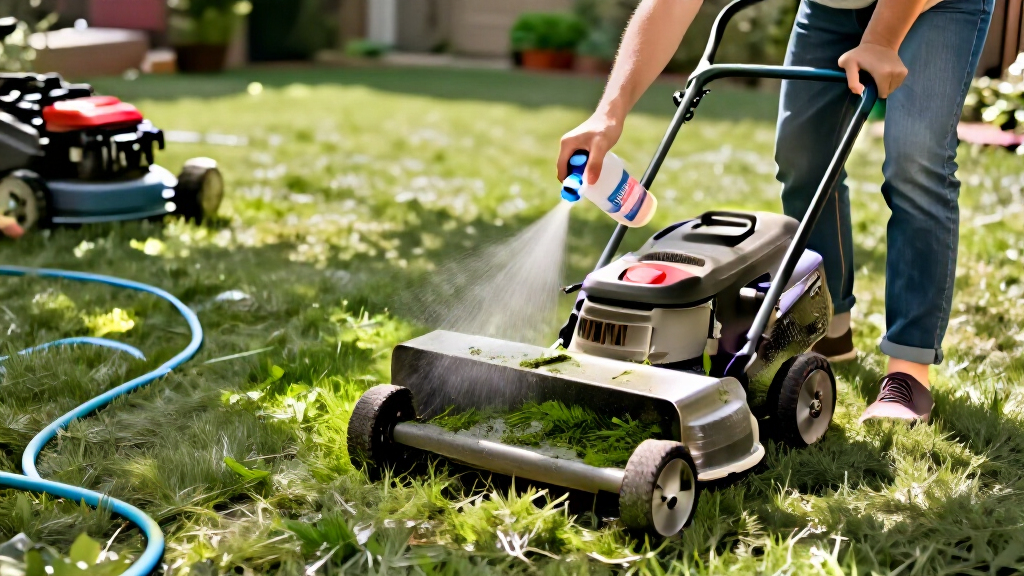
Hunker reports that applying a hard coating to the underside of a lawn mower deck may make grass less likely to stick, offering an alternative to repeated applications of WD-40 or cooking oil. The approach involves removing old debris and loose paint, preparing the metal and applying a suitable coating; its effectiveness depends on the product and the deck’s condition.
Grass buildup beneath a mower deck can interfere with blade rotation and hold moisture against the metal, according to Hunker. That can make mowing harder on the machine and encourage rust. The report says sprays such as WD-40 and cooking oil may provide temporary relief, but need to be reapplied rather than forming a durable coating.
Hunker describes several categories of paint and coating, including enamel, urethane and alkyd-based products. It cites KBS Coatings’ RustSeal, a moisture-curing urethane that can be brushed or sprayed. The report says the product can create a hard, slick surface and treat rust, but notes that its manufacturer does not claim it prevents grass from sticking.
The report also names Majic Black Matte Non-Stick Mower Spray Paint, an alkyd-based aerosol product. According to Hunker, its manufacturer says the paint prevents grass from sticking, and the formula contains graphite, an ingredient used in some non-stick coatings. These are product-specific statements, not evidence that every paint or coating will have the same effect.
A Coating Could Reduce Deck Cleanup
The practical appeal is less frequent scraping and cleaning, alongside a surface that may hold less grass and moisture. If a coating reduces buildup, it could help limit one source of wear and rust described in the report. But the source does not provide controlled testing, measured performance, or a comparison of how long painted decks stay clear versus decks treated with sprays.
For mower owners, the key trade-off is upfront preparation versus repeated maintenance. Painting requires cleaning, rust treatment where needed, drying time and adherence to product instructions. It is not a quick substitute for checking the deck, and a coating should not be treated as a repair for structural corrosion or mechanical problems.
mower deck non-stick coating spray
As an affiliate, we earn on qualifying purchases.
As an affiliate, we earn on qualifying purchases.
The Right Coating Depends on Deck Condition
Hunker frames product choice around the condition of the mower. A deck with substantial rust may call for a product designed to address rust, while a newer deck in good shape may be a candidate for a coating marketed with a non-stick additive. The report says the latter may help shed grass and the moisture it carries, but does not claim that it will remove existing rust.
The suggested preparation follows standard metal-painting steps: remove grass and loose paint, degrease the surface, treat rust as directed and let the metal dry. Hunker advises removing the blade safely and masking the rotor and parts that should not be painted. Coatings may require a hardener or thinner, depending on the product; users should follow the label rather than assume all paints are applied the same way.
“Spraying the deck with WD-40 or cooking oil is a temporary fix that has to be repeated often.”
— Hunker report
As an affiliate, we earn on qualifying purchases.
How Well Coatings Perform Remains Unclear
The source does not report independent tests, the number of mower decks evaluated, how long any coating lasted, or how much it reduced grass buildup. It also does not establish whether the cited products perform similarly under different mowing conditions. The anti-sticking benefit for RustSeal is particularly uncertain because Hunker says its manufacturer does not make that claim. Readers should distinguish that product’s stated rust-treatment role from the separate claim made about Majic’s non-stick paint.
Application details vary by product, including whether mixing, particular drying conditions or a longer cure period are required. The report does not give one waiting time that applies to all coatings. It also does not describe how painting affects every mower model or warranty, so those points should be checked against the mower and coating instructions.
grass buildup prevention for lawn mower
As an affiliate, we earn on qualifying purchases.
As an affiliate, we earn on qualifying purchases.
Check Labels Before Painting the Deck
Anyone considering the method should inspect the deck, choose a coating for its condition and follow both the mower and product instructions. Hunker advises allowing the prepared metal to dry, working in a well-ventilated space and wearing a respirator when applying paint. The blade must be removed safely, and parts that should not be coated should be masked.
Before mowing again, users should wait for the coating to cure for the time specified on its label; being dry to the touch does not necessarily mean it has hardened fully. The next practical test is whether the coating reduces buildup through regular use. The source provides no follow-up results, so any longer-term effect remains to be seen.
mower deck coating for rust and grass shedding
As an affiliate, we earn on qualifying purchases.
As an affiliate, we earn on qualifying purchases.
Key Questions
What is the alternative to oil or WD-40?
A hard paint or coating applied to the mower deck is the alternative described by Hunker. The report says a slick surface may make grass easier to shed, but effectiveness depends on the product and surface condition.
Does every coating stop grass from sticking?
No. Hunker says the manufacturer of RustSeal does not claim that it prevents grass from sticking. It reports that Majic markets its Black Matte Non-Stick Mower Spray Paint for that purpose. Those claims apply to the named products, not all coatings.
Should a rusty mower deck get the same paint as a newer deck?
Not necessarily. Hunker says deck condition should guide product choice: a product intended to treat rust may suit a badly rusted deck, while a coating with a non-stick additive may be considered for a deck in good condition. Follow the product label and address existing rust before painting.
What safety steps does the report recommend?
Hunker advises safely removing the blade, masking parts that should not be painted, working in a well-ventilated area and wearing a respirator when applying paint. Follow the mower and coating instructions, including the full curing time, before using the machine.
Source: rss
Columbus Day / Indigenous Peoples' Day Picks
long weekend sales
As an affiliate, we earn on qualifying purchases.