
TL;DR

Get business pricing on tools and workshop supplies
- Business-only prices and quantity discounts
- Tax-exempt purchasing
- Multiple users, one account, clear invoices
Organizing your tool bag carefully can cut job time by up to 30%. Use compartments, customize storage, and leverage new tech for smarter, safer workdays. Staying organized keeps tools accessible and lasts longer.
Ever been on a job and spent five minutes rummaging for that one screwdriver? It’s frustrating — and costly. A cluttered tool bag isn’t just a minor annoyance; it drags down your efficiency and can even compromise safety.
In this guide, you’ll learn how to create a tool organization system that actually works. We’ll cover recent innovations, practical tips, and real-world scenarios that help you cut search time, stay safe, and protect your tools. Better organization isn’t just about neatness — it’s about working smarter every day.
Group similar tools together and keep frequently used items at the top for quick access.
Choose a tool bag that matches your trade — durability, organization, and comfort matter.
Use modular inserts and labels to customize and maintain your setup.
Leverage new tech like RFID tags for tracking high-value tools.
Regularly review and reorganize your bag after each job to stay efficient.
Tool Bag Organization for Service Techs
A place for every tool means fewer delays, safer movement and less wear. Build a repeatable layout around access frequency, protected storage and a quick reset after every job.
Arrange by frequency, function and risk
The best layout follows your hands. Put everyday tools in the natural grab zone, group related items and isolate sharp, delicate or high-value equipment.
Build the grab zone
Keep frequently used tools at the top or in the front pocket.
Group like with like
Store screwdrivers, pliers, wrenches and testers in distinct zones.
Contain small parts
Use labeled pouches for screws, nuts, connectors and consumables.
Protect and tether
Secure delicate, expensive or drop-prone tools in designated spaces.
Choose a system that fits the trade
Durability matters, but so do customization, weight distribution and the ability to adapt when your tool set changes.
| Feature | Traditional Canvas | Modular Pouches | Hybrid + Tech |
|---|---|---|---|
| Durability | Reliable for general use, though seams and fabric can wear under heavy loads. | Tough, weather-resistant components withstand rough handling. | Reinforced zones, impact resistance and weatherproof materials. |
| Organization | Fixed pockets allow tools to shift and clutter the main compartment. | Adjustable inserts create a tailored position for each tool category. | Flexible compartments plus RFID or digital inventory options. |
| Weight | Can become tiring and awkward when fully loaded. | Ergonomic distribution supports extended carrying. | Comfortable straps offset added shells or tracking hardware. |
| Best for | Basic tools, occasional use and straightforward service calls. | Electricians, HVAC technicians and changing job configurations. | Tech-heavy work requiring inventory control and rapid access. |
New technology raises the ceiling
Modern systems combine physical organization with tracking, customization and ergonomic protection.
Modular inserts
Reposition dividers and pouches around each job. The result is less empty space, less tool movement and faster visual checks.
RFID inventory
Tag high-value tools and verify the loadout digitally before leaving the site, reducing loss and replacement delays.
Rugged ergonomics
Weatherproof fabrics, reinforced shells, device sleeves and padded straps protect both the technician and the kit.
Keep the bag tidy and job-ready
Organization lasts only when it becomes a closing routine. A brief reset prevents small issues from turning into delays or safety hazards.
Remove
Take out broken, duplicate and unused tools to reduce clutter and weight.
Contain
Return loose fasteners and connectors to clearly labeled pouches.
Inspect
Check tools, tethers, pockets and straps for damage or wear.
Reposition
Restore each tool to its assigned zone and prepare for the next task.
Verify
Scan the inventory visually or digitally before leaving the site.
The small upfront investment in organization can save up to 20–30% of job time while reducing fatigue, tool loss, accidental damage and unsafe rummaging.
How to Arrange Your Tool Bag for Fast Access
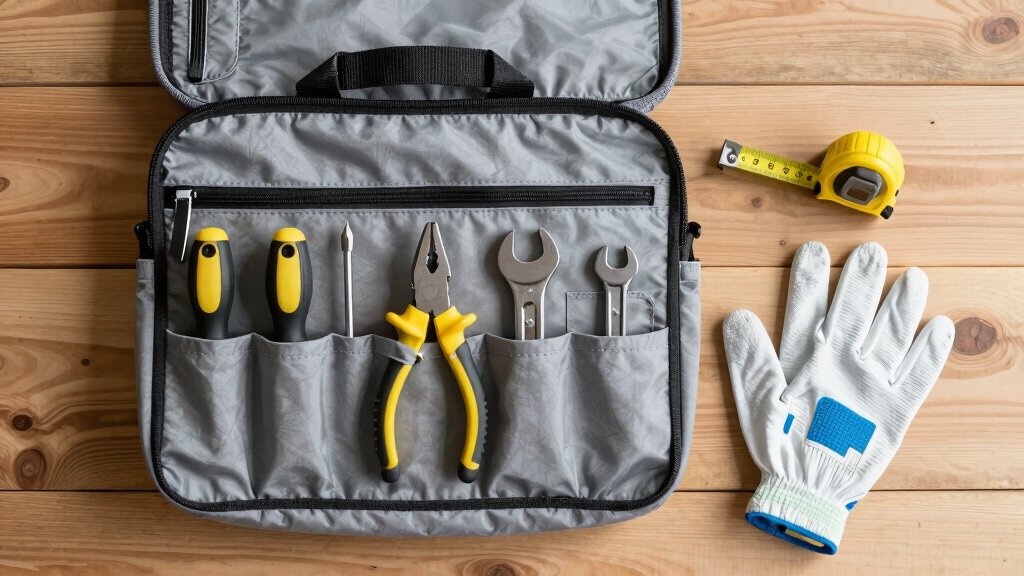
Organizing your tool bag for quick access is the foundation of efficiency. When you know exactly where each tool lives, you spend less time searching and more time working. Start by grouping similar tools together — screwdrivers with screwdrivers, pliers with pliers.
Use compartments or small pouches for different categories. Keep your most-used tools at the top or in the front pocket — that’s where your hand naturally goes. For example, if you’re an electrician, keep your wire strippers and voltage testers in easy-to-reach spots. A clear, well-thought-out layout reduces time wasted and keeps your mind focused on the job.
Beyond convenience, this strategic organization also minimizes the risk of losing tools or accidentally leaving them behind, which can lead to delays and additional costs. By establishing a consistent placement system, you create muscle memory, allowing you to locate tools instinctively, especially in high-pressure situations. This approach not only saves time but also enhances safety, as you’re less likely to fumble or drop tools when they’re stored properly. The implications are significant: a well-organized bag means fewer interruptions, less stress, and a lower chance of accidents caused by misplaced tools. The tradeoff, however, is that initial setup requires time and discipline to maintain, but the long-term gains in productivity and safety far outweigh this effort.
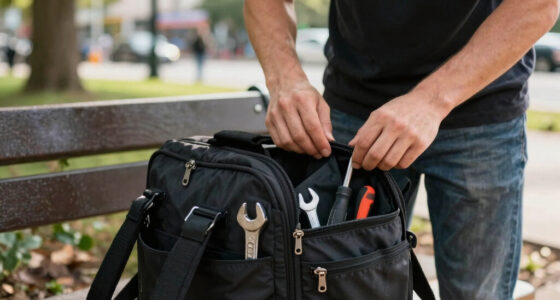
professional tool bag with compartments
As an affiliate, we earn on qualifying purchases.
As an affiliate, we earn on qualifying purchases.
Compare Tool Bag Types — Which One Fits Your Trade?
| Feature | Traditional Canvas Bags | Modular Pouches & Inserts | Hybrid & Tech-Integrated Bags |
|---|---|---|---|
| Durability | Good, but can wear out over time, especially with heavy use, exposing seams or fabric to tears which can compromise the bag’s integrity. | Excellent, customizable compartments made from tough, weather-resistant materials that withstand rough handling and environmental conditions. | Very durable, weather-resistant, with added reinforcement in high-stress areas. Often designed with impact-resistant shells or waterproof fabrics to extend lifespan in harsh conditions. |
| Organization | Limited, depends on the number and size of pockets. Often results in cluttered interiors where tools can shift or become hard to find quickly. | Highly customizable, with adjustable inserts and modular compartments that adapt to specific tools or trades, allowing for tailored setups that improve efficiency. | Advanced compartments with integrated RFID slots, digital inventory management, and flexible configurations. These features enable precise organization and quick inventory checks, reducing search time and loss. |
| Weight | Heavy, especially when loaded with tools, which can cause fatigue and reduce mobility during long workdays. | Lightweight, designed to distribute weight ergonomically, reducing fatigue and making it easier to carry for extended periods. | Balanced weight distribution with ergonomic handles and straps, often incorporating lightweight, impact-resistant materials to ease transport even when fully loaded. |
| Best for | General service techs who need a simple, reliable carrier for basic tools and occasional use. | Electricians, HVAC technicians, and specialized trades that require organized, customizable setups for a variety of tools and accessories. | Tech-savvy, mobile, or jobs involving frequent tool tracking and quick access to a wide array of high-tech tools, emphasizing efficiency and safety through innovation. |
Understanding these differences helps you select a bag that not only suits your current needs but also adapts as your work evolves. For instance, trades requiring frequent tool updates benefit from modular systems, while tech-heavy jobs gain from RFID integration. Carefully weighing these options ensures you invest in a solution that enhances productivity and tool longevity, while also considering the tradeoffs in weight, flexibility, and cost. The right choice can make your workday smoother, safer, and more efficient, ultimately saving you time and money in the long run.
As an affiliate, we earn on qualifying purchases.
Top 5 Tips to Keep Your Tool Bag Tidy & Ready
- Regularly clean out your bag — remove broken or unused tools. This prevents clutter from accumulating and makes space for essentials, reducing the risk of carrying unnecessary weight or outdated tools that could fail during a job.
- Use small pouches for tiny parts like screws, nuts, or connectors. Label these pouches clearly to avoid hunting through the entire bag when you need a specific item. This organization saves crucial seconds and prevents small parts from getting lost or mixed up.
- Label compartments if possible, so you know exactly what’s inside. Clear labels or color coding can significantly speed up your workflow, especially when multitasking or working in unfamiliar environments.
- Apply tool tethering for high-value or frequently used tools — prevent loss or falling. Tethers also help keep tools in place if you need to move around quickly or work in awkward positions, reducing the chance of dropping expensive or critical tools. This practice is especially important for high-value or delicate tools, as it minimizes the risk of costly damage or loss, which can delay work and increase expenses.
- Reorganize after each job to adapt to different needs or tools used that day. This habit ensures your setup remains optimal and that you’re always prepared for the next task, minimizing delays caused by disorganization. Establishing a routine of quick reassessment keeps your tools accessible and your workflow efficient, preventing small issues from snowballing into bigger delays or safety hazards.
As an affiliate, we earn on qualifying purchases.
The Latest in Tool Bag Tech — Smarter, Tougher, Better
Recent innovations are transforming how service techs carry and manage their tools. Modular inserts allow for precise customization, enabling you to tailor your bag to specific jobs, which reduces clutter and improves quick access. RFID tags embedded in tools create digital inventories, allowing for instant verification of tools and minimizing loss. These technologies matter because they directly impact your efficiency; knowing exactly what you have and where it is saves time and reduces frustration, especially in high-pressure situations. They also help prevent theft and loss, which can be costly and time-consuming to replace.
Furthermore, materials have advanced to include weatherproof, impact-resistant fabrics that withstand harsh environments such as rain, dust, and extreme temperatures. This durability ensures your tools stay protected, extending the life of your equipment and reducing replacement costs. Imagine a bag with RFID chips that alert you if a tool is missing or misplaced, or modular pouches that adapt instantly to different tasks. These innovations not only make your work easier but also safer, as you can quickly locate and access the right tools without fumbling or risking damage. The tradeoff is that these advanced systems may come with higher upfront costs, but the long-term savings in time, safety, and tool longevity often outweigh initial investment — making them a smart choice for serious professionals.
In essence, technology is elevating tool organization from simple storage to smart management, giving service techs a competitive edge in efficiency, safety, and cost management. Embracing these innovations can transform your daily routine, helping you work more confidently and effectively in challenging environments.
As an affiliate, we earn on qualifying purchases.
How Proper Organization Saves You Time and Money
Think about the last time you wasted 10 minutes searching for a specific screwdriver or tester. That’s 10 minutes you could spend on a different job or taking a break. Studies show that a well-organized tool bag can cut search time by up to 30%. But beyond just saving time, organized tools reduce the risk of dropping or damaging expensive equipment, which can lead to costly replacements and delays. For example, knowing exactly where your crimping tool or multimeter is stored means fewer frantic searches and less chance of losing critical tools during transit or on-site work. The implications are clear: a properly organized bag improves workflow predictability, minimizes downtime, and helps you avoid unnecessary expenses.
When your tools are in the right place, your overall productivity increases. Less time wasted means more jobs completed each day, directly boosting earnings. Moreover, a well-maintained setup reduces the likelihood of accidents caused by misplaced tools, which can lead to injuries or safety violations. The tradeoff here is investing time upfront to organize, but the return on that investment is substantial — faster jobs, fewer lost tools, and safer working conditions. Over time, these efficiencies compound, translating into higher profitability and fewer operational headaches, making organization not just a matter of convenience but a crucial business strategy.
Frequently Asked Questions
How should I organize my tool bag for maximum efficiency?
Start by grouping similar tools together, keeping your most-used items at the top. Use compartments or pouches for different tool types, and reorganize regularly based on your workflow.What are the best types of tool bags or organizers for service technicians?
Look for durable, weather-resistant bags with customizable compartments and padded straps. Modular systems or hybrid tech-enabled bags offer added flexibility for different trades.How can I prevent losing tools during jobs?
Use tethering for high-value tools, RFID tags for tracking, and always store tools in designated compartments. Regularly check for missing items before leaving a site.What are some tips for maintaining an organized tool bag?
Clean out your bag after each job, remove broken or unused tools, and reorganize based on what you’ve used that day. Consistent upkeep prevents clutter and loss.Are there any new technologies that help with tool organization?
Yes, RFID tool trackers, digital inventory apps, and modular storage systems are becoming popular, making it easier to track, organize, and access your tools quickly.Conclusion
Smart organization isn’t just about tidiness — it’s about working faster, safer, and smarter. The right setup can shave minutes off every job and protect your tools for years to come.
Take a moment to review your current system. Then, tweak your setup to fit your work style. Because in the end, a well-organized tool bag isn’t just a box — it’s your secret weapon for better days on the job.
Fall yard work Picks
leaf blowers
As an affiliate, we earn on qualifying purchases.