
TL;DR

Get business pricing on tools and workshop supplies
- Business-only prices and quantity discounts
- Tax-exempt purchasing
- Multiple users, one account, clear invoices
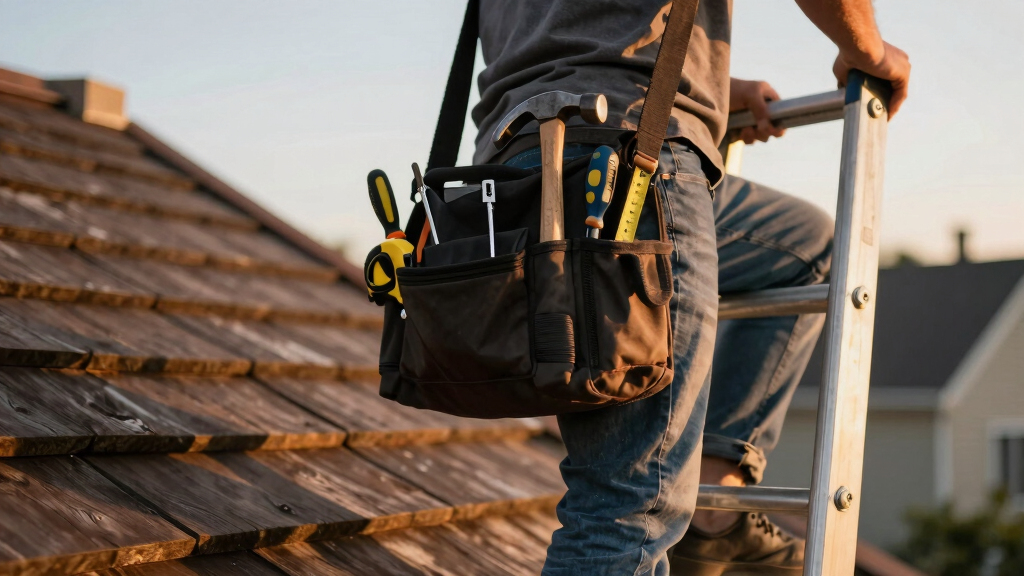
Carrying hand tools to a roof requires a mix of safety gear, smart organization, and durable, lightweight carriers. Modern innovations like magnetic strips and ergonomic belts boost efficiency and reduce fatigue. Proper planning prevents accidents and saves time.
Transporting tools to a roof isn’t just about hauling gear up there. It’s about doing it safely, efficiently, and without risking tools falling or wasting time. The right approach can prevent injuries, save energy, and keep your workflow smooth.
Whether you’re installing shingles, siding, or gutters, your tools are your best friends on the job. The question is: what’s the best way to carry them? This guide breaks down practical options, recent innovations, and real-world tips to make your tool transport safer and smarter.
Use a combination of secure tool belts, pulley systems, and magnetic holders for safety and efficiency.
Limit carried tools to essentials to reduce fatigue and prevent dropping hazards.
Modern ergonomic belts and magnetic strips can significantly speed up tool access and organization.
Always wear fall protection gear and secure tools with lanyards or magnetic holders.
Plan your trip — minimize trips up and down the roof by organizing tools beforehand.
Why Your Choice of Tool Carrying Method Matters Big Time
Carrying your tools the right way isn’t just about convenience. It’s about safety, efficiency, and avoiding costly accidents. Falling tools cause injuries and slow down work, costing time and money.
Imagine dropping a hammer from 20 feet. The damage isn’t just to the tool — it’s a risk to anyone below. Using secure methods like tool belts, lanyards, or pulley systems can cut the risk of dropped tools by over 80%, according to industry safety stats.
Beyond safety, the way you carry tools impacts your fatigue and overall productivity. Overloading a pouch or carrying heavy tools in a way that causes strain can lead to quicker exhaustion, reducing your ability to work effectively over the long haul. The tradeoff here is between convenience and safety — sacrificing proper organization can lead to accidents or fatigue that slow down your progress. Selecting the correct method means balancing quick access with secure carry, minimizing fatigue while maximizing safety.
As an affiliate, we earn on qualifying purchases.
Top 4 Ways to Carry Hand Tools to a Roof (and How to Pick the Right One)
| Method | Best For | Pros | Cons |
|---|---|---|---|
| Tool Belt & Pouches | Essential, small hand tools | Quick access, lightweight, flexible | Limited capacity, can cause fatigue if overloaded |
| Tool Bags & Buckets | Multiple tools, larger items | Capacity, easy to carry with handles | Heavier, can be cumbersome |
| Tool Harnesses & Pouches | Heavy or bulky tools, safety focus | Distributes weight, keeps tools secure | More complex to use, initial setup time |
| Mechanical Aids (Pulleys, Carts) | Heavy tools, multiple trips | Reduces physical strain, safe lifting | Requires setup, limited mobility |
Choosing the right method depends on the load, your work style, and safety needs. For quick jobs, a sturdy tool belt keeps essentials handy. For heavier, bulkier tools, a pulley system or cart can save your back.
However, it’s essential to understand that each method involves tradeoffs. For example, a tool belt offers quick access but can cause fatigue if overloaded, potentially leading to dropped tools. Conversely, pulley systems are safer for heavy loads but require setup time and space, which might not always be feasible. Your choice should consider the weight, frequency of use, and safety implications to optimize both safety and efficiency.
ergonomic tool belt for construction
As an affiliate, we earn on qualifying purchases.
As an affiliate, we earn on qualifying purchases.
How to Use a Pulleys and Lanyards for Heavy Tools — Step-by-Step
- Secure a sturdy pulley system on a strong anchor point near the roof edge.
- Attach a heavy-duty lanyard to the tool, ensuring it’s rated for the weight.
- Pull the tool up slowly, watching for any snags or tangles.
- Secure the tool to a stable hook or belt once it reaches the roof.
- Double-check all attachments before working to prevent accidents.
Understanding the step-by-step process helps prevent accidents and ensures safety. Proper setup minimizes the risk of equipment failure during lifting, which is crucial when dealing with heavy or sharp tools. It also reduces physical strain on workers, allowing them to focus more on their tasks rather than worrying about safety hazards. This method’s success depends on correct anchoring, rated hardware, and careful handling, making it a reliable choice for heavy tool transport.
As an affiliate, we earn on qualifying purchases.
Modern Tool Bags and Belts That Make a Difference
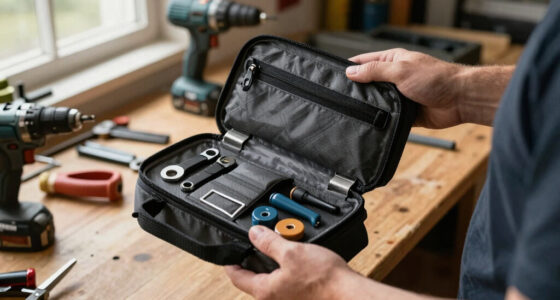
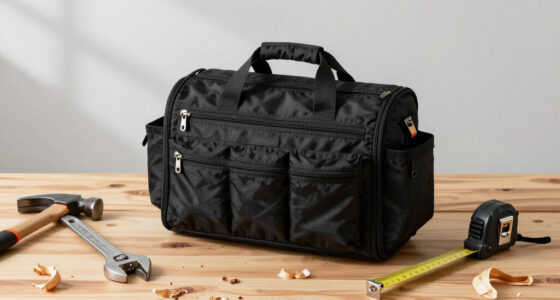
Today’s tool belts and pouches aren’t just leather straps with pockets. They’re lightweight, durable, and packed with features. Think padded straps for comfort and multiple compartments for quick access.
For example, a BestBeltShop engineer designed a belt with reinforced stitching and a breathable mesh back, making long days easier. Magnetic strips integrated into the belt or wall-mounted racks help hold small tools like screwdrivers or bits — keeping them from slipping or falling.
Choosing a belt with adjustable straps and quick-release buckles can also speed up your day and prevent overloading, which causes fatigue. The key is selecting gear that balances weight, comfort, and accessibility. Well-designed belts can significantly reduce the time spent searching for tools and prevent the fatigue that leads to mistakes or accidents, especially when working in awkward positions or for extended periods.
roofing safety harness with tool lanyard
As an affiliate, we earn on qualifying purchases.
As an affiliate, we earn on qualifying purchases.
Safety Tips You Can’t Ignore When Carrying Tools to a Roof
Safety on a roof starts with the right gear and smart habits. Always wear a harness with a lanyard attached to a secure anchor point. Use tool lanyards to prevent tools from falling — even a small drop can cause serious injury or damage.
Plan your trip: carry only what you need. Overloading increases fatigue and the chance of dropping items. Secure all tools immediately when not in use, especially on windy days or when working at heights.
Remember, OSHA recommends securing tools and maintaining fall protection gear at all times. Skipping safety steps can cost lives. The implications of neglecting safety are severe, including injury, legal penalties, and project delays. Developing disciplined habits like double-checking attachment points and maintaining clear communication can significantly reduce accident risks and ensure everyone’s safety on site.
The Latest Innovations That Make Tool Carrying Safer and Easier
Recent tech and design improvements are changing how tradespeople carry tools. Magnetic tool holders attach to scaffolding or walls, keeping tools within reach and off the ground. Ergonomic belts with padded straps and quick-release buckles reduce fatigue and speed up setup.
Wireless tools mean fewer extension cords and less clutter, but carrying them still requires secure storage. Smart belts with multiple compartments and quick grab zones are becoming standard for busy roofers. These innovations directly impact safety by reducing the likelihood of dropped tools and fatigue-related mistakes, which are common causes of injuries on roofing sites.
According to an anonymous researcher at BestBeltShop, these innovations have cut tool-related injuries by nearly 30% in some roofing crews. The key takeaway is that integrating these new technologies can lead to safer, faster, and more efficient workdays, ultimately saving time and reducing risk.
Frequently Asked Questions
What is the safest way to carry tools to a roof?
The safest method combines a sturdy tool belt or pouch with a fall harness and tool lanyards. Using pulley systems for heavy tools also reduces physical strain and prevents accidents.
What tools should I carry in a roofing job?
Stick to essentials: screwdrivers, pliers, utility knives, hammers, tape measures, and chalk lines. Carry only what you need to avoid overloading and fatigue.
How can I prevent tools from falling off the roof?
Secure tools with lanyards, store small items on magnetic strips, and keep tools in secure pouches or belts. Always double-check attachments before working.
Are there specialized tools or equipment for carrying tools to a roof?
Yes, tools like harnesses with pockets, pulley systems, and lightweight, reinforced tool bags are designed specifically for safe roof transport.
What are best practices for organizing tools on the roof?
Keep frequently used tools within easy reach, organize by type, and secure all tools when not in use. Planning your setup reduces trips and accidents.
Conclusion
Your tools are your lifeline on the roof — carrying them safely isn’t just smart, it’s essential. Invest in the right gear, organize smartly, and use modern tools to keep your day efficient and injury-free.
Remember: a safe, organized approach saves time, money, and your well-being. Now, go equip yourself for safer, smarter roofing days.
Fall Picks
fall essentials
As an affiliate, we earn on qualifying purchases.