TL;DR

Get business pricing on tools and workshop supplies
- Business-only prices and quantity discounts
- Tax-exempt purchasing
- Multiple users, one account, clear invoices
A good contractor tool bag should be durable, well-organized, comfortable to carry, and weather-resistant. Recent innovations include lightweight fabrics, modular designs, and smart features that can boost your efficiency and protect your tools.
Imagine this: it’s 7 a.m., and your tool bag rips open as you climb a ladder. Tools scatter across the pavement, costing you time and frustration. The right tool bag isn’t just about holding tools—it’s about making your workday smoother, safer, and more efficient.
In this guide, you’ll learn exactly what features to look for in a contractor tool bag. From durability to organization, and even the latest tech trends, you’ll see how to pick a bag that lasts and keeps your tools protected through every job site storm.
Durability matters — choose heavy-duty fabrics with reinforced stitching for longevity.
Organizational features like labeled pockets save time and frustration.
Comfort during long days depends on padded straps and balanced weight distribution.
Weather resistance protects your tools from rain and mud, extending their lifespan.
Smart features can add convenience but prioritize sturdy design first.
Why Durability and Material Quality Matter More Than You Think
When you’re lugging tools around all day, your bag takes a beating. Heavy-duty fabrics like ballistic nylon, thick canvas, or high-grade polyester stand up to scrapes, tears, and weather. Reinforced stitching and rugged zippers are the backbone of a long-lasting bag.
For example, a carpenter working outdoors found that a bag with double-stitched seams and waterproof zippers kept his tools dry through rain and mud. That kind of durability pays off over time—fewer replacements, fewer headaches.
Tip: Always check the fabric’s tear resistance rating and inspect seams before buying. A durable bag is an investment that saves money in the long run.
As an affiliate, we earn on qualifying purchases.
Size and Capacity—Pick the Perfect Fit for Your Tools
Contractor tool bags come in all sizes—from compact pouches to large, multi-compartment monsters. Think about what you carry daily. If you’re an electrician with a handful of screwdrivers and a multimeter, a smaller bag might do. If you’re a plumber with wrenches, pipes, and fittings, go bigger.
For example, a plumber might need a bag with at least 20 liters of capacity, with room for large wrenches and spare fittings. Overpacking can make a bag bulky and uncomfortable, while underpacking limits your tools.
Tip: Choose a size that balances capacity with ease of carrying. Expandable compartments add flexibility without bulk.
waterproof tool bag with multiple compartments
As an affiliate, we earn on qualifying purchases.
As an affiliate, we earn on qualifying purchases.
How Organization Features Save You Time and Frustration
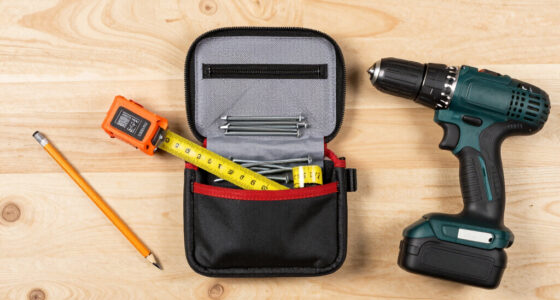
Nothing wastes time like digging through a jumble of tools. Look for multiple pockets, dividers, and specialized compartments. Pouches for screws, pliers, and small parts keep everything within reach.
A concrete example: a electrician’s bag with labeled pockets for different screw sizes saved him 10 minutes every morning. Over a week, that adds up to nearly an hour of saved time.
Some bags even have foam inserts or removable trays, making it easier to find what you need at a glance.
Tip: Prioritize bags with clear, labeled pockets for quick access—your toolbox should be as organized as a well-structured workbench.
As an affiliate, we earn on qualifying purchases.
Comfort and Portability—Carry Your Tools Without Strain
If your bag feels like a brick, your workday gets tougher. Look for padded, adjustable shoulder straps or sturdy handles. A balanced design spreads weight evenly, reducing fatigue during long shifts.
For example, a drywall installer preferred a bag with padded straps and a wide, padded handle. Even after 8 hours, he reported less shoulder pain and felt less worn out.
Tip: Test the bag’s weight distribution and comfort before buying. A little padding goes a long way when carrying heavy loads all day.
As an affiliate, we earn on qualifying purchases.
Weather Resistance—Keep Your Tools Dry in the Worst Weather
Rain, mud, or snow shouldn’t ruin your tools or your day. Look for water-resistant fabrics or waterproof coatings. Sealed zippers and flap covers add extra protection.
Imagine a roofing crew working through a sudden downpour. Their waterproof tool bags kept their drills and nails dry, preventing costly damage and corrosion.
Tip: Consider a bag with a rain flap or built-in cover if you frequently work outdoors.
Tech Trends and Modern Features—Are Smart Tool Bags Worth It?
Today’s tool bags are evolving. RFID tags and Bluetooth trackers help locate missing tools quickly. Modular designs let you customize compartments for your specific trade.
A flooring installer uses a Bluetooth-enabled bag, pinging his phone to find his favorite screwdriver. It saved him from running back and forth across the site.
While these add-ons cost more, they can save hours and reduce frustration, especially in big projects.
Tip: For most trades, focus on durability and organization first, then consider smart features if you often lose tools or work on large sites.
The Price of a Good Tool Bag—What You Need to Know
Quality costs. A sturdy, well-organized bag usually runs between $50 and $150. Cheaper bags often wear out fast or don’t hold up to daily use. Premium models with smart features can go higher.
According to BestBeltShop, investing in a durable bag with a good warranty can save money over time—fewer replacements, less tool damage.
Tip: Balance your budget with your needs. Sometimes, spending a little more upfront pays off in the long run.
How to Pick the Right Tool Bag for Your Trade
Follow these steps:
- Identify your tools: List everything you carry daily.
- Assess your environment: Outdoor or indoor, rain or shine?
- Decide on size: Small for minimal tools, large for lots of gear.
- Check organization: Pockets, dividers, special compartments.
- Test comfort: Carry the bag around, see how it feels.
- Set a budget: Match features to what you can afford.
This straightforward process helps you avoid buying a bag that’s too small, too flimsy, or too bulky.
Tip: When possible, try the bag with your tools in the store or warehouse, mimicking your daily load.
Frequently Asked Questions
What material is best for a contractor tool bag?
Heavy-duty fabrics like ballistic nylon, thick canvas, or high-grade polyester offer the best durability. Look for water-resistant coatings and reinforced seams for added protection.How do I choose the right size tool bag?
Match the size to your daily tools. Use a small bag for minimal equipment and a larger one if you carry bulky or many tools. Consider expandable compartments for flexibility.Are waterproof or weather-resistant bags worth it?
Absolutely. They protect your tools from rain, mud, and snow, preventing damage and corrosion. For outdoor work, waterproof features are a smart investment.What features should I prioritize for heavy-duty use?
Focus on rugged fabrics, reinforced stitching, heavy-duty zippers, and weather resistance. Comfort features like padded straps also make a big difference over long shifts.How do I organize my tools efficiently?
Use bags with multiple labeled pockets, dividers, and removable trays. Keep frequently used tools in quick-access spots to save time and avoid digging.Conclusion
Your tool bag isn’t just a carrier — it’s a work partner. Picking the right one means fewer broken tools, less wasted time, and a smoother workday.
Remember, the best tool bag adapts to your trade, fits your tools, and withstands the elements. Invest wisely—your tools and your back will thank you.
Fall Picks
fall essentials
As an affiliate, we earn on qualifying purchases.