TL;DR

Get business pricing on tools and workshop supplies
- Business-only prices and quantity discounts
- Tax-exempt purchasing
- Multiple users, one account, clear invoices
Properly setting up a drill pouch involves choosing the right size, organizing bits by type or size, and maintaining it regularly. This setup boosts productivity and protects your tools, saving time and effort on the job site.
Imagine this: you’re halfway through a job, and reaching for a specific drill bit feels like hunting for a needle in a haystack. That moment of frustration can be avoided. Setting up your drill pouch correctly turns chaos into order, making your work smoother and faster.
In this guide, you’ll discover how to pick the right pouch, organize your bits and tools effectively, and keep everything in top shape. Whether you’re a professional or a weekend warrior, a well-set-up pouch will become your best tool.
Choose a durable, well-sized pouch with multiple compartments tailored to your tools.
Organize drill bits by size or type; keep frequently used ones within easy reach.
Regularly clean and review your pouch to maintain its efficiency and lifespan.
Modern features like modular design and quick-access closures can boost productivity.
Balance the load evenly to prevent discomfort during extended wear.
How to Set Up a Drill Pouch
Turn a jumble of bits and small tools into a fast, balanced system. The right pouch, logical zones, and a simple maintenance rhythm protect your gear while keeping every essential within easy reach.
Match the pouch to the work
Start with what you actually carry each day, then leave a little room for future additions. Overcrowding slows access, damages delicate bits, and makes the pouch uncomfortable to wear.
Right-sized, not stuffed
Choose enough dedicated pockets for daily bits, drivers, and small accessories without allowing loose tools to collide.
Built for your environment
Leather offers rugged longevity; ballistic nylon and reinforced polyester deliver durable performance at a lighter weight.
Open, secure, reachable
Prioritize multiple compartments, secure belt attachment, and closures you can operate quickly while staying focused on the job.
Five moves to peak efficiency
Build the system deliberately. Each step reduces rummaging, limits damage, and improves comfort during long work sessions.
Choose
Fit today’s kit with modest room to grow.
Sort
Group bits by type, size, or task.
Secure
Seat every bit snugly to stop movement.
Add tools
Use dedicated pockets for drivers and parts.
Balance
Wear-test and redistribute the load.
Organize around frequency, then type
Front zone — daily bits
Keep high-frequency sizes and driver bits visible and immediately reachable.
Middle zone — task families
Separate wood, metal, and masonry bits; add labels or color coding.
Rear zone — occasional tools
Store specialty bits and lower-frequency accessories away from prime space.
Side zone — slim accessories
Secure small screwdrivers, pencils, extensions, or measuring tools vertically.
Recommended accessibility by usage frequency
Choose materials and features wisely
The best professional setup combines durable construction, adjustable organization, secure closures, and a comfortable belt connection.
| Option | Durability | Weight | Weather resistance | Best fit |
|---|---|---|---|---|
| Ballistic nylon | ✓ Excellent | ✓ Light | ✓ Strong | Daily professional use |
| Leather | ✓ Excellent | ✗ Heavy | ~ Variable | Rugged, long-term service |
| Reinforced polyester | ~ Good | ✓ Light | ~ Good | Budget-friendly versatility |
✓ strength ~ tradeoff ✗ limitation
Keep the system dependable
A few minutes of upkeep prevents loose stitching, failed closures, trapped debris, and clutter from becoming expensive problems.
Maintenance rhythm
Features worth watching
Reconfigure storage as tools and job requirements change.
Reach common tools quickly while keeping pockets secure.
Dedicated spaces support drivers, tape measures, and extensions.
Lighter materials and better load distribution reduce fatigue.
A small setup creates a better workday
Organization compounds: every improvement supports the next.
Choose the Perfect Drill Pouch to Match Your Needs
The first step is picking a pouch that fits your workflow. Think about what you carry daily. Do you need space for lots of bits, or just a few essentials? Durable materials like nylon or leather stand up to rough use, while reinforced polyester offers a lighter, budget-friendly option.
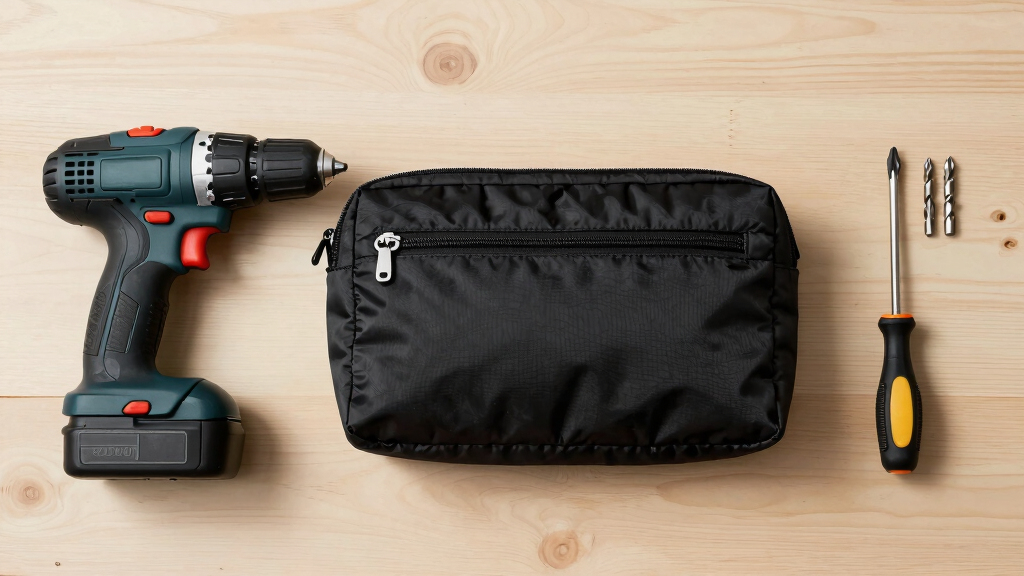
Look for a pouch with multiple compartments and pockets. For example, a common setup might include separate sections for masonry bits, wood bits, and small screwdrivers. The right size and features make a huge difference in your day-to-day work.
As an affiliate, we earn on qualifying purchases.
Organize Your Drill Bits and Tools for Fast Access
Effective organization saves time and reduces frustration. Categorizing your bits by size or type isn’t just about tidiness; it directly impacts your efficiency. When your tools are well-organized, you can quickly locate the right bit without wasting precious minutes searching. Using labels or color coding adds an extra layer of clarity, helping you identify tools at a glance, especially in high-pressure situations. Placing the most-used bits in the most accessible compartments minimizes the need to rummage through your pouch, streamlining your workflow. Distributing weight evenly isn’t just about comfort; it prevents fatigue and maintains balance, which is crucial during long work sessions. Properly organized tools also reduce the risk of damaging delicate bits or losing small parts, ultimately extending their lifespan and maintaining their performance.
Why does this matter? Well-organized tools mean less downtime, fewer mistakes, and a safer work environment. When you spend less time searching and more time working, your productivity increases, and you can focus on quality rather than frustration. The tradeoff is investing a little time upfront to organize, which pays off by saving hours in the long run.
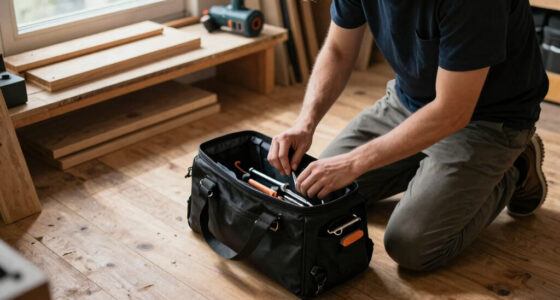
tool pouch with multiple compartments
As an affiliate, we earn on qualifying purchases.
As an affiliate, we earn on qualifying purchases.
Step-by-Step: Load Your Drill Pouch for Peak Efficiency
- Pick the right size pouch that fits your collection, considering future additions to avoid overcrowding.
- Fill the compartments with your drill bits, ensuring they sit snugly to prevent falling out or damage during movement.
- Place frequently used bits at the top or front for quick access, reducing the time spent searching during work.
- Add small tools like screwdrivers or bits in dedicated pockets, making sure they’re secure and easy to retrieve.
- Adjust the placement for comfort and balance before heading out, considering how you’ll wear or carry the pouch for optimal ergonomics.
For example, a plumber might keep pipe bits in one section, while a carpenter keeps standard sizes at the front. This tailored setup reduces search time and frustration, allowing you to focus on your work rather than hunting for tools.
As an affiliate, we earn on qualifying purchases.
Keep Your Drill Pouch in Top Shape with Regular Maintenance
Maintaining your pouch isn’t just about cleanliness; it’s about ensuring longevity and consistent performance. Regularly wipe it with a damp cloth to remove dust, debris, or wood shavings that can cause wear over time. Inspect for worn or damaged pockets and replace them promptly to prevent losing tools or damaging your gear. Reorganizing periodically is crucial, especially when you acquire new bits or tools. This keeps your system efficient and prevents clutter from accumulating, which can slow you down in the middle of a job. Proper upkeep also involves checking for broken zippers, loose stitches, or worn straps—addressing these issues early can save you money and prevent accidents. A well-maintained pouch not only lasts longer but also keeps your tools secure, reducing the risk of damage and ensuring they’re ready when you need them most.
Why does this matter? Regular maintenance ensures your tools are always ready to perform, and your pouch remains reliable, reducing unexpected breakdowns or delays. The tradeoff is time spent on upkeep, but that small investment results in fewer costly repairs or replacements and a smoother workflow.
As an affiliate, we earn on qualifying purchases.
Latest Trends in Drill Pouch Design You Should Know
Modern drill pouches are evolving to meet the demands of busy professionals and DIY enthusiasts alike. Modular designs allow you to customize compartments based on your specific tools, which enhances organization and flexibility. Lightweight, high-strength materials like ballistic nylon or reinforced polyester provide durability without adding unnecessary weight, reducing fatigue during extended use. Some pouches now feature built-in holders for screwdrivers, measuring tapes, or other accessories, streamlining your setup. Quick-release buckles and magnetic closures improve access speed, saving valuable time on the job. Ergonomic designs are increasingly popular, focusing on reducing strain during long workdays. These innovations collectively improve efficiency, comfort, and longevity of your tools and storage system, making your workday smoother and more productive.
Understanding these trends helps you choose a pouch that adapts to your evolving needs. For example, a modular system might allow you to expand or reconfigure your setup as your toolkit grows, which is a significant advantage over traditional, static designs. The tradeoff is often a higher initial cost or learning curve, but the long-term benefits of customization and durability are worth it.
Frequently Asked Questions
What is the best type of drill pouch for professional use?
A pouch made from heavy-duty materials like ballistic nylon with adjustable compartments and secure closures offers durability and flexibility for daily professional use.How do I organize my drill bits effectively?
Categorize them by size or type, label compartments, and place the most frequently used bits at the front or top for quick access during work.Can I attach a drill pouch to my belt?
Yes, most drill pouches come with belt loops or clips, making it easy to attach and detach as needed, giving you mobility on site.How do I maintain and clean my drill pouch?
Wipe it with a damp cloth regularly, remove debris, and check for worn or damaged parts. Replace or repair as needed to keep it functioning well.What features should I look for in a drill pouch?
Look for durability, sufficient capacity, adjustable compartments, comfortable fit, and quick-access features like magnetic closures or quick-release buckles.Conclusion
A well-set-up drill pouch isn’t just about storage — it’s about creating a smooth, efficient workflow. When your tools are organized logically, you spend less time searching and more time working.
Take a few minutes to set up your pouch today. Your future self will thank you for the faster, safer, and more enjoyable workdays.
Fall yard work Picks
leaf blowers
As an affiliate, we earn on qualifying purchases.