TL;DR
Zippered pouches secure tools better and protect against dust and moisture, while open pouches offer quick access and simplicity. Your choice depends on your work setting and priorities.
If you’ve ever wrestled with a loose tool falling out mid-swing or struggled to find that one screwdriver amidst a jumble, you know how critical your tool storage really is. The type of pouch you choose can mean the difference between a smooth, efficient workday and constant frustration.
In this guide, you’ll see how zippered and open tool pouches stack up in key areas like security, accessibility, and durability. Knowing their strengths and weaknesses helps you pick what works best for your specific tasks — whether you’re on a busy construction site or doing quick repairs in your garage.
Open pouches excel at quick access, making them perfect for fast-paced tasks.
Zippered pouches offer superior security and protection against dust, moisture, and loss.
Durability depends heavily on material choice; heavy-duty nylon or leather lasts longer.
Modern designs include modular compartments and smart features for added versatility.
Your environment and work habits should drive your choice—there’s no one-size-fits-all.
Quick Access or Secure Storage? Find Out Which Fits Your Style
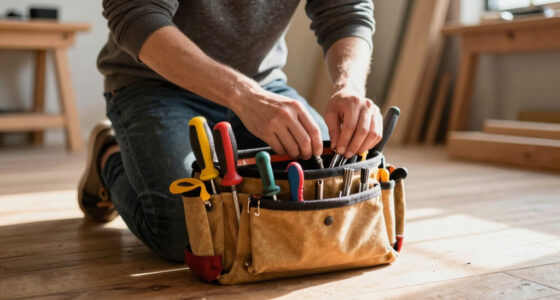
When it comes to grabbing tools fast, open pouches shine. Think about electricians working on a panel — they need to reach for pliers, screwdrivers, and testers repeatedly. An open pouch lets them see everything at a glance and grab tools without fumbling.
However, this ease of access comes with tradeoffs. Open pouches often lack security features, increasing the risk of tools falling out or getting lost, especially in chaotic or dynamic environments. This means you might spend extra time searching for misplaced tools or dealing with clutter. Conversely, zippered pouches, while slightly slower to access, provide a secure enclosure that prevents accidental spills and keeps your tools organized and safe during transport. This security can save time and reduce frustration in the long run, especially when working on busy or hazardous sites.
Example: A mechanic might prefer open pouches for quick-access screwdrivers but switch to zippered pouches for transporting delicate electronics or small parts to prevent loss.
As an affiliate, we earn on qualifying purchases.
Security and Safety: Why Zippers Matter in Rough Environments
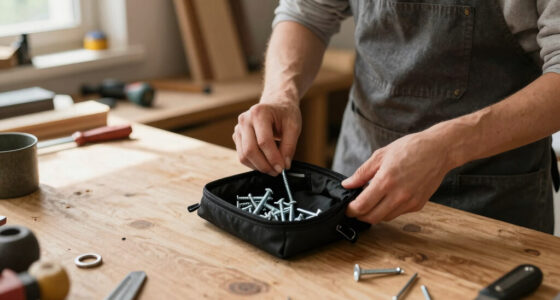
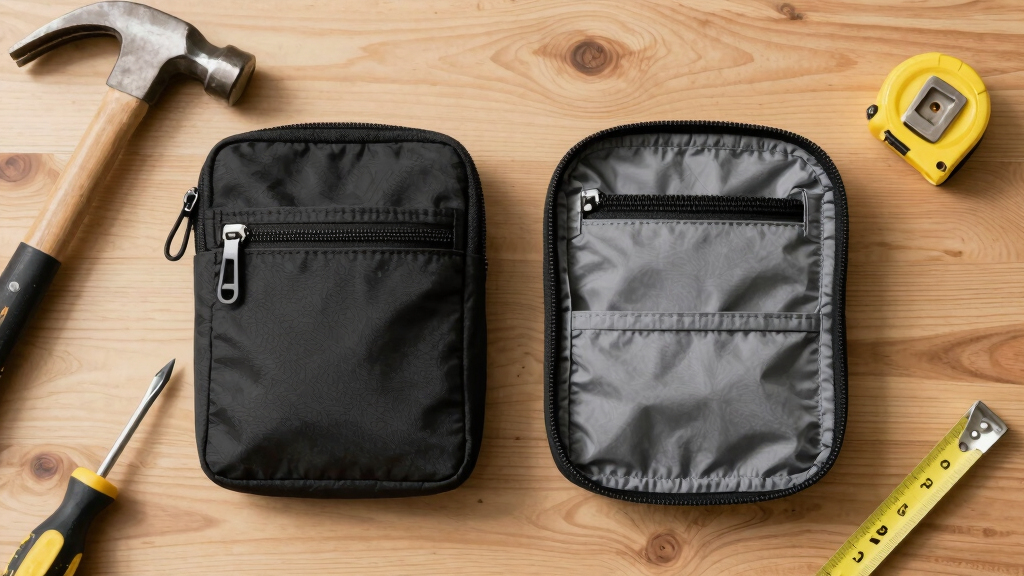
Zippered pouches excel at keeping tools in place because they create a physical barrier that prevents tools from falling out, especially during movement or jostling. This is particularly vital in environments where safety hazards are present, such as construction sites or when working at heights. The secure closure reduces the risk of tools becoming hazards to others below or causing damage to delicate equipment. Moreover, zippers act as a shield against environmental elements—dust, rain, mud, and debris—that can compromise the condition of your tools and their lifespan. This protection ensures that tools remain clean, dry, and functional longer, reducing maintenance and replacement costs.
Understanding why zippers matter in demanding settings reveals that they are not just convenience features but critical safety and longevity components. Opting for zippers with durable teeth and lockable sliders further enhances this benefit, ensuring that your tools stay secure even in the roughest conditions. The tradeoff is that zippered pouches may be slightly heavier or bulkier, but the added security and protection often outweigh these minor inconveniences in challenging environments.
Key point: Zippers with robust teeth and lockable sliders are best for rugged conditions, preventing accidental openings.
As an affiliate, we earn on qualifying purchases.
Durability Showdown: Which Lasts Longer?
Zippered pouches tend to be more durable in harsh environments because their construction often incorporates reinforced materials like heavy-duty nylon, thick polyester, or rugged leather, which resist tears, abrasions, and weather damage. The added water-resistant coatings protect tools from moisture, which can cause rust and deterioration. This means that in demanding conditions—such as muddy construction sites or outdoor repairs—zippered pouches maintain their integrity longer, ultimately saving money and reducing downtime.
Open pouches, often made from softer, less resistant fabrics, may initially be lighter and more flexible but tend to wear out faster when exposed to constant use, dirt, and moisture. Fraying edges, fabric tears, and water absorption can weaken open pouches over time, necessitating more frequent replacements. The tradeoff is that open pouches might be less expensive upfront, but their shorter lifespan in tough environments can lead to higher long-term costs.
Real-world tip: Look for zippered pouches with reinforced seams and rust-proof zippers for extra longevity, especially if your work environment is rough or outdoor-based.
As an affiliate, we earn on qualifying purchases.
Organization and Capacity: How Do They Compare?
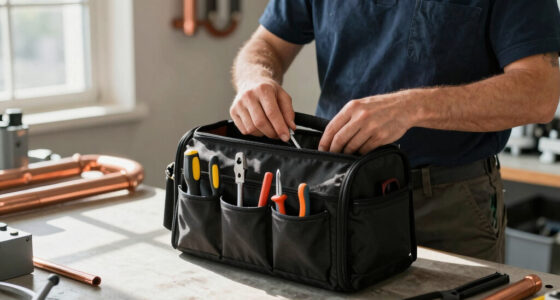
Open pouches usually have fewer compartments, making quick access easier but risking clutter and difficulty in locating specific tools or small parts. The simplicity allows for rapid retrieval but can lead to disorganization over time. Zippered pouches, on the other hand, often feature multiple pockets, dividers, and modular compartments that help categorize tools, fasteners, and accessories. This structured organization minimizes the time spent searching and reduces the risk of losing small items, which can be especially critical when working on detailed or complex tasks.
Comparison table:
| Feature | Open Pouches | Zippered Pouches |
|---|---|---|
| Ease of Access | Very quick, visual | Slower, more secure |
| Organization | Less structured | Multiple compartments |
| Tool Security | Low | High |
| Protection from Dust/Moisture | Minimal | High |
Choosing between open and zippered pouches involves weighing the importance of immediate accessibility against the need for organized storage and protection. If your work requires frequently switching tools or quick retrieval, open pouches may be more suitable. Conversely, if you need to keep small parts organized and protected from environmental hazards, zippered pouches provide a superior solution. The decision hinges on understanding these tradeoffs and aligning them with your specific workflow and safety considerations.
As an affiliate, we earn on qualifying purchases.
Material Matters: What’s Built to Last?
Both types come in a range of materials, but choosing durable fabrics is essential for long-lasting performance. Heavy-duty nylon and reinforced polyester resist tears, abrasions, and weather damage, making them ideal for rugged use. Leather adds a rugged aesthetic and durability but can be heavier and more costly. For outdoor work, water-resistant coatings on zippered pouches are especially beneficial, as they prevent moisture from seeping in and damaging your tools.
Understanding why material choice matters helps you evaluate the long-term cost and performance of your pouch. For example, a zippered pouch made from tear-resistant nylon with rust-proof zippers can withstand dirt, moisture, and rough handling, maintaining its integrity over years. Conversely, open pouches made from thin fabric may fray, absorb water, and degrade faster, leading to more frequent replacements. The key is matching the material to your environment to optimize durability and value.
Pro tip: Match your pouch material to your environment for longer-lasting gear.
Frequently Asked Questions
Which is better for quick tool access—zippered or open pouches?
Open pouches generally allow faster access since you can see and grab tools instantly. They’re ideal for tasks where speed matters most.Are zippered pouches more secure than open ones?
Yes, zippered pouches prevent tools from falling out and protect contents from dust and moisture, making them better for rough or outdoor environments.Can I find a pouch that combines both features?
Some pouches feature partial zippers, flaps, or quick-access openings alongside secure compartments, offering a balanced approach.What materials are best for durability?
Heavy-duty nylon, reinforced polyester, and leather stand out for their toughness and resistance to wear and tear.Are zippered pouches suitable for outdoor or harsh environments?
Absolutely, especially those with water-resistant coatings and rugged zippers, designed to withstand dirt, rain, and rough handling.Conclusion
Choosing between zippered and open tool pouches boils down to your work style and environment. Think about whether quick access or secure storage is more critical. The right pouch makes your day easier — a simple upgrade with big payoff.
Invest wisely, and your tools will serve you better, no matter the job. After all, your gear should work as hard as you do.