
TL;DR

Get business pricing on tools and workshop supplies
- Business-only prices and quantity discounts
- Tax-exempt purchasing
- Multiple users, one account, clear invoices
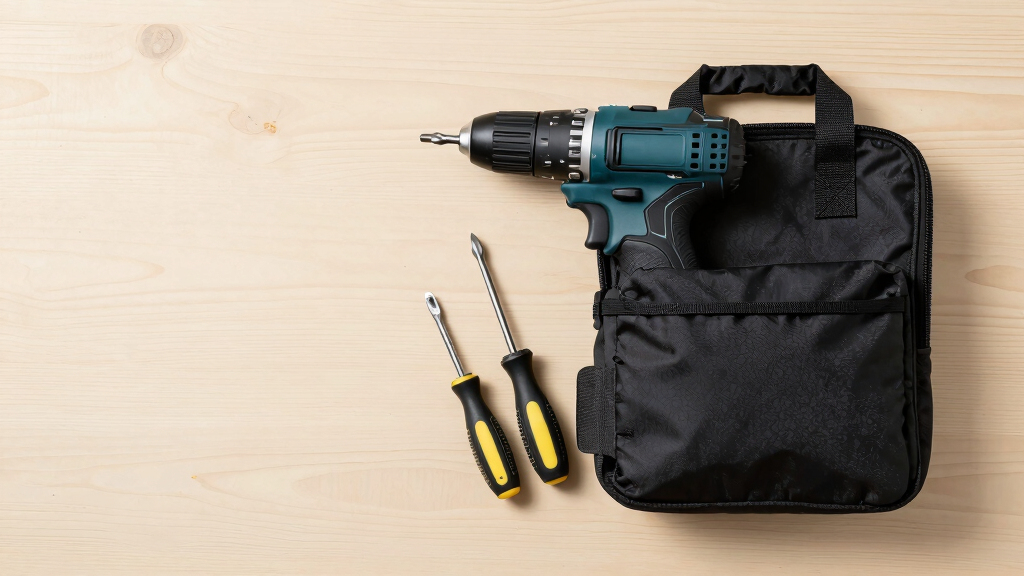
A drill and impact driver pouch keeps your tools organized and accessible. Choosing the right pouch depends on durability, size, and features suited to your work. This guide covers what to look for and how to optimize your setup.
Imagine this: you’re halfway through a job, your impact driver slips from your hand, and you spend precious minutes hunting for it in your cluttered bag. Sound familiar? A good pouch isn’t just a bag; it’s your workday’s best friend, keeping your drill, impact driver, and accessories within arm’s reach.
This guide breaks down everything you need to know about choosing the perfect pouch — from materials to features — so you can work faster, safer, and with less frustration. Whether you’re a seasoned pro or tackling a DIY project, knowing how to pick the right pouch can make a real difference.
Choose pouches made from tough, weather-resistant materials for outdoor work.
Prioritize adjustable straps and reinforced stitching for heavy-duty use.
Use multiple pouches for better organization, especially when handling different tools or accessories.
Invest in modular systems if you want flexibility and customization.
Regularly clean and inspect your pouch to extend its lifespan and maintain performance.
What Makes a Good Drill and Impact Driver Pouch? Expect Durability and Ease of Access
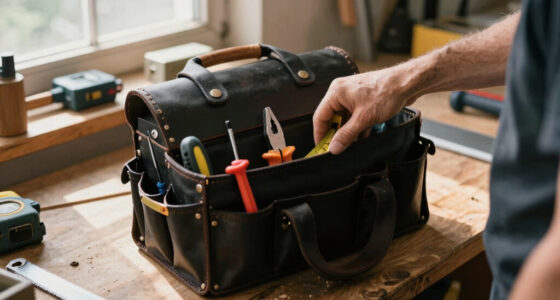
A quality pouch is built tough. It withstands the rigors of job sites — dirt, moisture, and rough handling. Look for reinforced stitching and heavy-duty materials like nylon or leather.
Beyond durability, it should offer easy access. Compartments with wide openings or large flaps help you grab your tools in a flash. Think of the pouch as your tool’s home, not a cluttered closet.
For example, a tradesperson on a roofing job needs quick access to a drill. A pouch with a flap that flips open smoothly and a sturdy belt clip keeps everything within reach, even when climbing ladders.
As an affiliate, we earn on qualifying purchases.
Types of Pouches — Which One Fits Your Work Style?
Not all pouches are the same. Here’s what you’ll find:
- Belt Pouches: Worn directly on your waist, perfect for quick access and mobility.
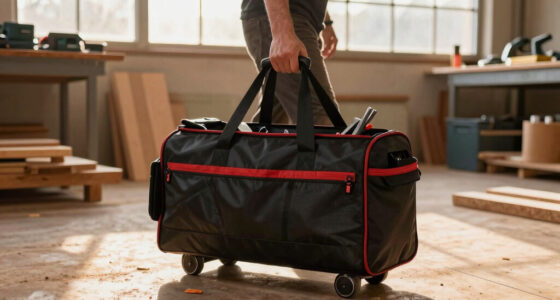
- Tool Bags: Larger, with multiple compartments for organizing bits, chargers, and tools.
- Magnetic Pouches: Use embedded magnets to hold small metal parts or bits, ideal for fast swaps.
- Specialized Pouches: Designed for specific tools or accessories, like extra batteries or drill bits.
Choosing the right type depends on your work environment and the tools you need to carry. For instance, a belt pouch provides quick, on-the-go access for short tasks, enhancing efficiency. Conversely, larger tool bags offer comprehensive organization for longer projects but may sacrifice speed. Understanding these tradeoffs helps you select a pouch that aligns with your workflow, reducing clutter and saving time.
As an affiliate, we earn on qualifying purchases.
Materials Matter: Picking the Right Fabric for Tough Jobs
The material of your pouch directly impacts how long it lasts and how well it performs under different conditions. For example, nylon and polyester are popular because they balance weight and resilience, making them suitable for daily use without adding unnecessary bulk. Leather, while offering premium durability, can become heavier and less water-resistant over time, which might be a tradeoff if weight or weather resistance are priorities. Modern synthetic blends often combine water resistance with tear strength, providing a balanced option for outdoor work.
Choosing the right material involves considering your typical work environment. For outdoor jobs in rain or snow, a water-resistant pouch prevents rust and damage, ensuring your tools stay dry and functional. However, water-resistant fabrics might be slightly less breathable, which can matter if your pouch is exposed to sweat or humidity frequently. The tradeoff is durability versus comfort and weight, so select a material that aligns with your work conditions and the longevity you require.
For instance, a construction worker exposed to varied weather conditions benefits from a waterproof nylon pouch that keeps tools dry, whereas a homeowner doing indoor repairs might prioritize lighter, more flexible materials.
As an affiliate, we earn on qualifying purchases.
Design Features That Make Your Pouch Work Harder for You
Look for features that boost convenience and strength, but also understand why these features matter. Multiple compartments prevent clutter and allow you to organize tools, bits, and accessories separately, reducing the time spent searching. Adjustable straps and padded belts ensure a comfortable fit, especially during long workdays, preventing fatigue and discomfort. Reinforced stitching is critical because it handles the stress of heavy tools without ripping or tearing, directly contributing to the pouch’s lifespan. Compatibility with your tools—ensuring the pouch fits your specific drill and impact driver sizes—avoids frustration and the need for replacements.
Imagine a pouch with a padded belt and reinforced seams. It feels sturdy even when loaded with a heavy impact driver and spare batteries. That’s how design features translate into real-world durability—by supporting your tools and your body, they reduce wear and tear on both the pouch and you. This not only extends the lifespan of your pouch but also enhances safety and efficiency on the job site.
As an affiliate, we earn on qualifying purchases.
Latest Trends in Pouch Design — What’s New and Useful?
Innovation is shaping how we carry tools, with a focus on reducing fatigue, increasing versatility, and integrating smart technology. Lightweight, high-strength materials allow for durable pouches that don’t weigh you down, which is crucial for prolonged use. Ergonomic designs with padded belts and better weight distribution help minimize strain, especially during extended work sessions. Modular systems, which let you attach or detach pouches based on the task, provide customizable setups that adapt to your workflow, saving space and time. Smart features like built-in charging ports or LED lights enhance functionality, especially in low-light conditions, making your work more efficient and safer. Eco-friendly options are also gaining popularity, aligning with sustainable practices without sacrificing quality.
For example, a contractor might choose a modular, lightweight pouch with integrated LED lighting, enabling quick tool access and better visibility in dark spaces. These innovations reflect a broader trend toward smarter, more adaptable tool management, improving productivity and comfort.
How to Choose the Perfect Pouch — 5 Key Tips
Picking the right pouch isn’t guesswork when you understand the implications of each choice. Determine your work environment first—outdoor, indoor, or mixed conditions—to identify whether waterproof features are essential. Assess your tools carefully; if your impact driver or drill is larger or heavier than average, choose a pouch that provides a snug fit to prevent shifting or damage during use. Organization needs vary—some workers prefer multiple compartments for dedicated tools, while others opt for simpler designs for quick access. Comfort features like adjustable straps and padded belts are critical for reducing fatigue, especially when working long hours. Lastly, consider your budget; higher-quality pouches with reinforced materials and smart features cost more but can significantly extend lifespan and performance. Investing wisely ensures your tools stay protected and accessible, minimizing downtime and frustration.
For example, a plumber working outdoors benefits from a waterproof, heavy-duty pouch with multiple compartments for fittings and tools. Understanding your specific needs and the tradeoffs involved helps you make an informed decision that enhances your efficiency and safety.
Can You Attach Multiple Pouches to One Belt? Yes, and Here’s Why You Should
Absolutely. Attaching multiple pouches is a smart move if you handle diverse tasks because it allows you to keep everything you need within easy reach, reducing unnecessary movement and search time. For example, an electrician might wear a main pouch for their impact driver, with smaller pouches attached for screw bits, tape measures, or safety gloves. Modular systems with clips or Velcro make customizing your setup straightforward, enabling quick adjustments based on the task at hand. However, it’s important to consider the weight distribution—overloading your belt can cause discomfort or strain, leading to fatigue and potential injury. Proper placement of pouches along your belt helps balance the load, ensuring comfort and efficiency throughout the workday. This approach ultimately improves workflow, minimizes interruptions, and keeps your tools organized and accessible at all times.
Maintaining Your Pouch — Keep It Clean and Tough
Easy maintenance not only keeps your pouch looking good but also ensures it performs reliably over time. Most fabric pouches can be wiped clean with a damp cloth, and for stubborn dirt or stains, mild soap and water are effective. If your pouch is waterproof or water-resistant, rinsing with water and air drying is recommended—avoid machine washing, which can weaken seams or damage the fabric. Regularly inspect your pouch for signs of wear, such as frayed seams or loose stitches. Reinforce or repair these areas promptly to prevent further damage that could compromise the pouch’s integrity. Proper care extends the lifespan of your pouch, saving you money and reducing the need for frequent replacements. Think of it as giving your work gear a quick tune-up—small efforts that lead to long-term benefits, ensuring your tools stay protected and your workflow remains smooth.
Frequently Asked Questions
How do I know what size pouch to buy for my impact driver?
Measure your impact driver’s length, width, and height, then compare with pouch specifications. Most standard pouches fit impact drivers up to 8 inches long, but check for extra room if you have a larger model.Are waterproof pouches worth the extra cost?
Yes. Waterproof pouches protect your tools from rain, snow, and moisture, especially for outdoor jobs. They help prevent rust and damage, saving you money and headaches in the long run.Can I attach a pouch to my existing work belt?
Most pouches are designed with belt loops or clips that fit standard work belts. Just check the belt width and pouch attachment style before buying to ensure compatibility.How long does a good-quality pouch usually last?
A durable pouch can last 3-5 years with regular use and proper care. Heavy-duty models with reinforced stitching and weather-resistant fabrics tend to hold up better over time.Are modular systems better than single pouches?
Modular systems offer flexibility, letting you customize your setup based on the job. They are great if you need to switch tools quickly or carry different accessories, but for simple needs, a single sturdy pouch might suffice.Conclusion
A well-chosen drill and impact driver pouch isn’t just storage — it’s part of your workflow. It keeps your tools protected, accessible, and ready when you need them most. Don’t settle for flimsy or cluttered setups.
Pick a pouch that matches your work style, invest in quality, and give it regular TLC. Your tools — and your productivity — will thank you. After all, a good pouch makes every job smoother, faster, and less stressful.
Fall yard work Picks
leaf blowers
As an affiliate, we earn on qualifying purchases.