
TL;DR

Get business pricing on tools and workshop supplies
- Business-only prices and quantity discounts
- Tax-exempt purchasing
- Multiple users, one account, clear invoices
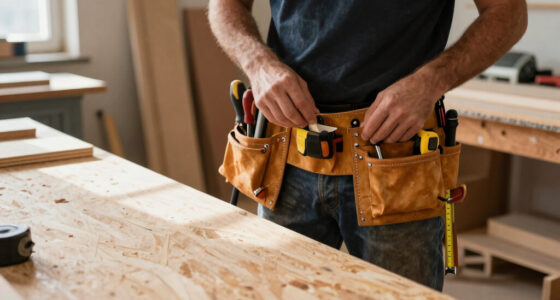
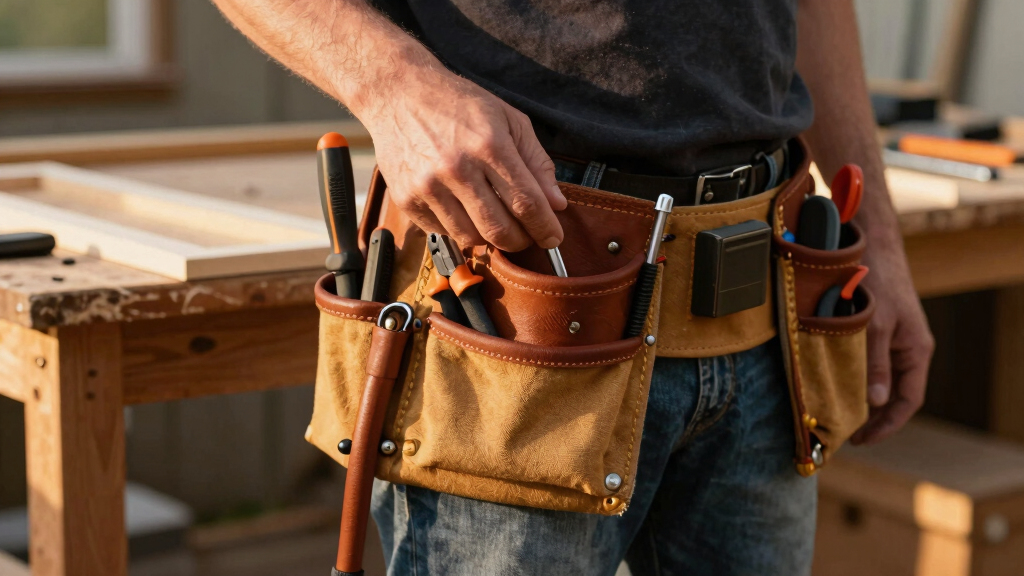
Proper tool belt pocket layout for trim work keeps your most-used tools within reach, enhances safety, and minimizes fatigue. Customizing your setup based on workflow saves time and effort.
Prioritize quick access for your most-used tools—position them at waist level for speed.
Use durable materials like leather or reinforced nylon to extend your belt’s lifespan.
Customize your layout with modular or adjustable pouches tailored to your specific trim tasks.
Distribute weight evenly and consider ergonomic design to reduce fatigue.
Stay open to new features like magnetic strips or integrated lighting for added efficiency.
Why Your Tool Belt’s Pocket Layout Matters More Than You Think
Having the right pocket layout for trim work isn’t just a convenience; it’s a game-changer. When your most-used tools sit right where your hand naturally falls, you cut down on wasted motion. This isn’t just about saving seconds—it’s about minimizing repetitive strain and fatigue that can accumulate over a long day. For example, if your tape measure is buried deep, you might twist unnaturally or waste precious time searching, which can lead to awkward postures or accidental drops. A thoughtfully designed layout ensures that each tool’s placement considers your workflow, reducing unnecessary movements and increasing safety. The tradeoff often involves initial setup time, but the long-term gains in efficiency and comfort far outweigh this. Ultimately, a strategic pocket layout translates directly into faster work, reduced physical stress, and fewer dropped tools—benefits that compound over multiple projects.
As an affiliate, we earn on qualifying purchases.
How to Design a Tool Belt Pocket Layout That Works for Trim Work
- Identify your most-used tools: tape measure, pencils, screwdrivers, nails, utility knife, small hammer. Consider how frequently you need each tool and the typical sequence of your tasks. Do you switch between measuring, marking, and fastening often? Recognizing these patterns helps in prioritizing placement.
- Place these tools in pockets that sit at waist level and are easy to reach with a quick glance. Position them so your hand naturally falls on them without stretching or twisting, reducing strain and speeding up your workflow.
- Position heavier tools—like a small hammer—lower on the belt for balance. This prevents top-heavy weight distribution that can cause discomfort or back strain, especially when moving or working in awkward positions.
- Use pockets with secure closures—flaps, elastic tops, or magnets—to prevent tools from falling out, which not only reduces frustration but also minimizes the risk of dropping and damaging your tools or causing injury.
- Adjust pocket placement based on your workflow—whether you work standing, kneeling, or in tight spaces. Flexibility in layout allows you to adapt to different tasks and environments, maintaining efficiency and comfort.
As an affiliate, we earn on qualifying purchases.
Compare Popular Pocket Materials to Pick the Best for Durability
| Material | Pros | Cons |
|---|---|---|
| Leather | Very durable, ages well, looks professional | Heavier, more expensive, can stiffen over time |
| Reinforced Nylon | Lightweight, resistant to water and tears, easy to clean | Less traditional look, can wear out faster if not high quality |
| Canvas | Affordable, flexible, comfortable | Wears quickly, less resistant to harsh conditions |
As an affiliate, we earn on qualifying purchases.
Customizing Your Pocket Layout for Your Unique Trim Tasks
Every trim job demands a tailored approach. A baseboard installer might prioritize quick access to a tape measure, pencils, and nails, while a crown molding specialist may need small levels, screwdrivers, and marking tools within immediate reach. To achieve this, incorporate modular pouches or adjustable pockets into your belt, allowing you to reconfigure as needed. For example, if you switch frequently between framing and finishing, a belt with removable or repositionable pouches can save you significant time—eliminating the need to carry multiple belts or spend time reorganizing during a job. Think about your typical workflow and identify which tools are essential for rapid access versus those used less frequently. By creating a system that adapts to your specific tasks, you minimize unnecessary movements, reduce fatigue, and maintain high productivity. The key is to evaluate your routine, identify bottlenecks, and use modular components that can be easily reconfigured, making your tool belt an adaptable extension of your workflow rather than a static container.
As an affiliate, we earn on qualifying purchases.
Ergonomics and Comfort: Keep Fatigue at Bay
Proper pocket placement isn’t just about quick access—it’s about reducing physical strain. Distributing weight evenly across your hips prevents overloading one side, which can lead to muscle fatigue or back pain. Positioning pockets slightly in front of your hips or at a gentle angle allows your arms to move naturally, minimizing awkward reaching or twisting. Padding on straps and pockets further alleviates pressure points, especially during long days or when carrying heavy or sharp tools. For instance, a carpenter working all day on a ladder benefits from a layout that keeps tools close without causing discomfort or requiring unnatural postures. The tradeoff here involves balancing accessibility with ergonomic design—overstuffed pockets or poorly placed tools can negate the benefits. The goal is to create a setup that feels intuitive, reduces fatigue, and supports your posture, ultimately enabling you to work longer and more comfortably without risking injury or discomfort.
Smart Features and Innovations That Boost Your Trim Work Efficiency
Modern tool belts are evolving with innovative features that can significantly enhance your workflow. Magnetic strips embedded in pockets or along the belt allow quick, secure attachment of small metal tools like nails, screws, or screwdrivers, reducing retrieval time and preventing drops. Built-in LED lights illuminate dark corners or tight spaces, helping you see clearly without needing an external light source. Some advanced belts incorporate Bluetooth sensors that can track your tools, alerting you if a tool is missing or left behind—a game-changer for safety and time management. While these features might seem like luxury additions, they often lead to tangible productivity gains by saving seconds on each task and reducing frustration. The decision to incorporate these innovations depends on your specific needs and budget, but even small enhancements can compound into significant efficiency improvements over a busy workday. Think of these features as tools that complement your core setup, enabling you to work smarter and safer.
Frequently Asked Questions
How should I organize my tool belt for trim work?
Place your most-used tools—tape measure, pencils, screwdrivers—at waist level for quick reach. Keep heavier tools lower for balance, and use secure pockets to prevent dropping tools. Tailor the layout based on your specific tasks for maximum efficiency.What materials are best for durable tool belt pockets?
Leather and reinforced nylon are top choices for their durability and resistance to wear. Leather ages well and looks professional, while reinforced nylon offers a lightweight, water-resistant option that’s easy to clean.Can I customize my tool belt layout easily?
Absolutely. Modular pouches and adjustable pockets make it simple to tailor your belt to different jobs. Switching out pouches or repositioning pockets lets you adapt quickly to new tasks or preferences.How do ergonomic design features help reduce fatigue?
Proper placement of pockets distributes weight evenly and minimizes awkward reaching or twisting. Padded straps and ergonomic angles make long days more comfortable, especially when working in tight spaces or on ladders.What are some must-have tools for trim work in my belt?
Common tools include a measuring tape, pencils, screwdrivers, nail set, utility knife, and a small hammer. Keep these in accessible pockets to speed up your workflow and avoid unnecessary searching.Conclusion
A smart pocket layout transforms your tool belt from cluttered to streamlined. Think about your workflow, pick durable materials, and arrange tools where they naturally fall. The result? Faster, safer, and less tiring days on the job site. Your most efficient trim work starts with the right setup—so get to organizing.Fall yard work Picks
leaf blowers
As an affiliate, we earn on qualifying purchases.