TL;DR

Get business pricing on tools and workshop supplies
- Business-only prices and quantity discounts
- Tax-exempt purchasing
- Multiple users, one account, clear invoices
The best HVAC tool belt setup balances comfort, durability, and organization. Modular, ergonomic designs and smart tool placement save time and cut fatigue during long days on the job.
If you’ve ever spent a day crawling under a furnace or balancing on a ladder, you know how a poorly organized tool setup can slow you down. The right tool belt isn’t just about holding tools — it’s about making your whole day smoother. It’s where comfort meets function, durability meets quick access, and smart design can transform a tough day into a productive one.
In this guide, you’ll learn how to set up a tool belt that works with your body, matches your tools, and stands up to the wear and tear of HVAC work. No fluff, just practical tips based on real-world experience. Ready to upgrade your gear? Let’s dive in.
Prioritize a well-fitting, adjustable belt with padded straps for all-day comfort.
Choose durable, weather-resistant materials like leather or reinforced nylon.
Organize tools by frequency of use, using multiple pouches and loops for quick access.
Distribute weight evenly, and consider suspenders for heavy tool loads.
Regularly clean and inspect your belt to extend its lifespan and maintain safety.
Best Tool Belt Setup for HVAC Techs
Build a Tool Belt That Works as Hard as You Do
The best HVAC tool belt setup balances comfort, durability, and organization. Modular pouches, ergonomic support, and smart placement help you move faster, cut fatigue, and keep essential tools ready when you are under a furnace, on a ladder, or working in tight mechanical spaces.
Industry guidance suggests ergonomic organization can reduce worker fatigue by up to 30% during long shifts.
Choose adjustable pouches, secure loops, and optional suspenders so the belt adapts to your workflow.
Keep high-use tools close, heavy tools centered, and specialty gear protected from water, dust, and drops.
Possible with ergonomic fit and organized carry.
Typical price band for professional HVAC belts.
Screwdrivers, pliers, multimeter, gauges, strippers, testers.
Leather, reinforced nylon, and heavy-duty polyester.
Clean, inspect stitching, check closures, rebalance load.
Setup Blueprint
What an HVAC Belt Must Get Right
A strong setup is not just storage. It is a repeatable system for reducing reach, protecting tools, balancing weight, and keeping your body moving naturally through crawlspaces, ladders, attics, and service calls.
Fit First
Choose adjustable straps, padded waist support, and a belt that sits on the hips without pinching, sliding, or restricting movement.
Built for Abuse
Leather, ballistic nylon, reinforced polyester, rivets, and heavy stitching resist moisture, grease, tearing, and daily abrasion.
Fast Grabs
Keep screwdrivers, pliers, voltage testers, and multimeters in the easiest zones. Store rare tools deeper or farther back.
Centered Load
Place heavy tools close to your center of gravity and distribute weight side to side to prevent hip, back, and shoulder strain.
Low Bulk
Use compact pouches and secure closures so tools stay tight to your body when climbing, kneeling, or squeezing into tight spaces.
Inspect Often
Clean dirt and moisture, check stitching, confirm buckles hold, and remove tools you do not need for the day’s job list.
Weight Strategy
Distribute the Load Before It Drains the Shift
The right belt should keep tools close, balanced, and stable. Uneven carry can pull your posture out of line, increase fatigue, and make ladder work feel less controlled.
Balanced Belt Map
Use zones instead of random pockets. The goal is a setup your hands can find without looking.
Comfort Flow
Start Light
Carry only the tools needed for the service pattern.
Center Heavy
Keep dense tools close to hips and core.
Balance Sides
Match left and right weight to prevent drag.
Add Suspenders
Use shoulder support for heavier setups.
Material + Feature Match
Choose the Belt That Fits the Work
The best material depends on your service environment. Wet roofs, dirty crawlspaces, hot mechanical rooms, and daily ladder work all reward different tradeoffs.
| Setup Type | Comfort | Durability | Water Resistance | Modularity | Best Use |
|---|---|---|---|---|---|
| Reinforced Nylon | ✓ Lightweight | ✓ Strong | ✓ Good | ✓ Excellent | Daily HVAC service calls and ladder work. |
| Leather | ~ Breaks in | ✓ Excellent | ~ Needs care | ~ Moderate | Heavy-duty carry and long product life. |
| Heavy Polyester | ✓ Flexible | ~ Good | ✓ Good | ✓ Good | Budget-friendly setups with decent toughness. |
| Basic Canvas | ✓ Light | ✗ Lower | ✗ Poor | ~ Limited | Occasional use, not ideal for pro HVAC work. |
Field Performance
Where the Efficiency Gains Come From
A better belt does three things at once: reduces wasted motion, improves access, and lowers body strain. The setup below shows how different upgrades contribute to a smoother workday.
Impact by Upgrade
Modern Belt Features
Swap holders by job type instead of carrying a one-size-fits-all load.
Padded belts, suspenders, and harness compatibility help spread weight.
Secure storage for digital multimeters, phones, tablets, and testers.
Reinforced synthetics and coated fabrics protect tools in wet conditions.
Traceability Chain
From Better Setup to Better Service
How to Pick a Comfortable, Perfect-Fitting HVAC Tool Belt
The first step is finding a belt that feels like it was made for your body. Look for adjustable straps, padded waistbands, and lightweight materials. A belt that hugs your hips without pinching or slipping reduces fatigue and lets you focus on your work.
Imagine a busy morning, crawling under a duct — your belt stays in place, and your tools are right where you need them. That’s the power of a good fit. Try on different styles, and pay attention to how they feel after a few minutes of movement. Comfort isn’t just a luxury — it’s a productivity booster.
Choosing a belt that fits well is crucial because it directly impacts your energy levels and safety during work. An ill-fitting belt can cause chafing, restrict movement, or even shift unexpectedly, leading to distractions or accidents. Prioritize adjustable features and padding that conform to your body’s shape, and consider the weight distribution of your tools to ensure your belt supports your workload without causing strain.
As an affiliate, we earn on qualifying purchases.
Choosing Durable Materials That Withstand Daily Wear and Tear
HVAC techs need a belt that can handle grease, water, and rough handling. Leather, reinforced nylon, and heavy-duty polyester are your best bets. These materials resist tearing, fraying, and weather damage.
Picture a rainy afternoon, tools slick with condensation. A waterproof or water-resistant belt keeps everything dry and functional. Investing in quality materials extends your belt’s life, saving you money over time.
Beyond resistance to the elements, durable materials also influence the belt’s longevity and safety. A belt made from subpar materials might fray or break when you’re in the middle of a job, risking dropped tools or injury. Choosing high-quality, weather-resistant fabrics ensures your gear can withstand daily exposure to moisture, dirt, and physical stress, making it a cost-effective investment that pays off over time.
Additionally, durable materials often contribute to a belt’s overall stability and load-bearing capacity. A sturdy belt maintains its shape and support even when loaded with heavy tools, preventing sagging or shifting that could compromise safety or efficiency. This resilience means fewer replacements and less downtime, ultimately supporting your productivity and safety on the job.
As an affiliate, we earn on qualifying purchases.
Organizing Tools for Fast Access and Reduced Frustration
The secret to an efficient HVAC tool belt: smart organization. Use multiple pouches, loops, and compartments. Keep frequently used tools like screwdrivers, pliers, and multimeters in easy-to-reach spots.
Imagine reaching for a refrigerant gauge on a ladder — quick access can save minutes. Arrange your tools based on how often you use them and their size. Labeling pouches can also prevent fumbling around in tight spots.
Effective organization isn’t just about tidiness; it’s about optimizing your workflow. When tools are arranged logically, you minimize the time spent searching or fumbling, which reduces frustration and increases safety. For example, keeping your most-used tools in front or on the sides where they can be grabbed instantly prevents unnecessary movements that can lead to accidents or fatigue. Consider the layout of your workday and position tools accordingly, balancing accessibility with security to prevent accidental drops or misplacements.
Deeply understanding your workflow helps you design an organization system that minimizes unnecessary movements. For instance, placing your most frequently used tools at waist level or in quick-access pouches reduces bending or reaching, which can cause strain over time. Also, consider the environment—tools stored in waterproof pouches or with secure closures prevent loss or damage, especially in humid or dirty conditions. The goal is to create a system that not only speeds up your work but also enhances safety by reducing distractions and clutter.
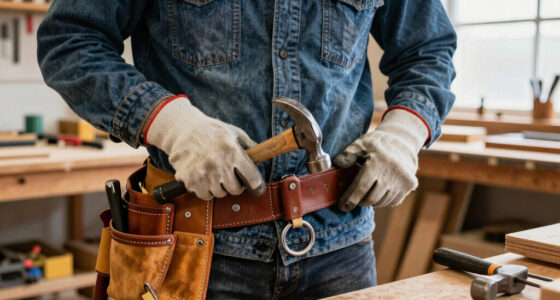
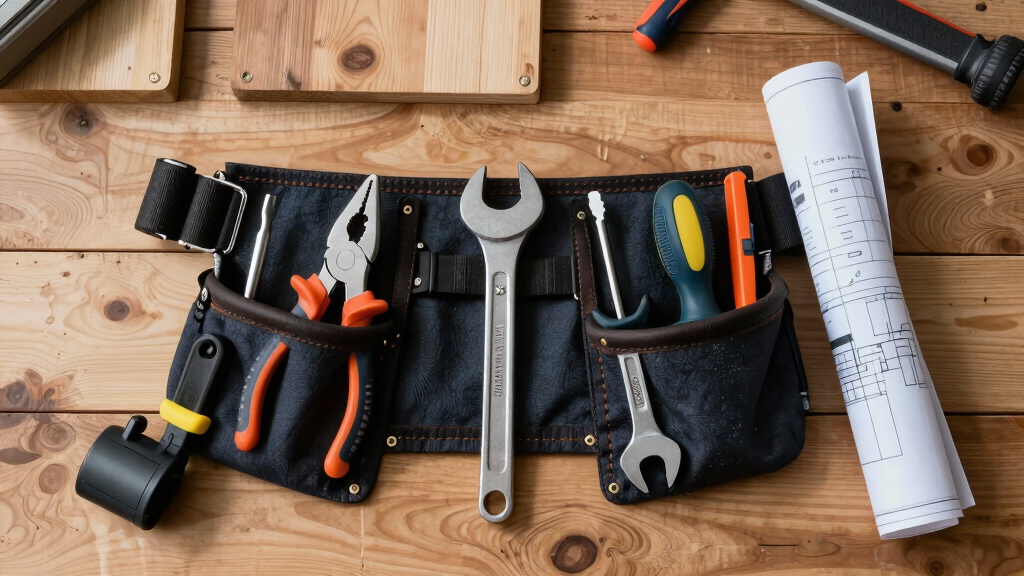
heavy-duty work tool belt with pouches
As an affiliate, we earn on qualifying purchases.
As an affiliate, we earn on qualifying purchases.
How to Distribute Weight for All-Day Comfort
Proper weight distribution can cut back on back pain and fatigue. Use a belt with evenly spaced pouches, and consider suspenders or harnesses for heavier setups. The goal: keep tools close to your body, balanced side to side.
Picture a HVAC tech on a ladder, carrying a heavy pipe wrench and a toolbox. If those tools drag you down, you’ll tire faster. A well-balanced setup keeps you agile and reduces strain, especially over long shifts.
Distributing weight properly isn’t just about comfort—it’s about preventing injury. Excessive load on one side can cause muscle strain, joint stress, or even long-term back problems. Using suspenders or harnesses helps distribute weight evenly across your shoulders and hips, reducing localized pressure. When setting up your belt, place heavier tools closer to your center of gravity and lighter items further out. Adjusting straps for a snug fit ensures the weight stays close to your body, maintaining mobility and reducing fatigue over extended periods.
Deep consideration of weight distribution involves evaluating your typical workload and movement patterns. For instance, if you often carry a heavy refrigerant gauge, position it so it doesn’t pull your belt downward or cause imbalance. Incorporate lightweight, ergonomic pouches to prevent adding unnecessary bulk. Remember, the goal is to maintain a natural posture; uneven weight can cause misalignments that lead to discomfort or injury over time. Proper distribution enhances not only comfort but also safety, allowing you to work longer and more efficiently without risking musculoskeletal issues.
adjustable padded tool belt for contractors
As an affiliate, we earn on qualifying purchases.
As an affiliate, we earn on qualifying purchases.
The Best Features to Look for in an HVAC Tool Belt
Some features make a big difference in daily use. Look for padded straps, reinforced stitching, water resistance, and modular pouches. These details improve durability and comfort over months of use.
Imagine working in hot weather, sweat dripping down your back. A padded, breathable belt keeps you cooler and more comfortable. Modular pouches mean you can customize your setup as your toolkit evolves.
- Adjustable straps for a perfect fit
- Heavy-duty, tear-resistant fabric
- Multiple pockets and loops for organization
- Waterproof or water-resistant materials
- Compatibility with suspenders or harnesses
Choosing belts with these features means investing in gear that can handle the rigors of daily HVAC work while keeping you comfortable and adaptable. The right features can significantly reduce the need for replacements and improve your overall efficiency by making your setup more ergonomic and resilient to the demands of the job.
Can I Customize or Upgrade My Existing Tool Belt?
Yes, most tool belts are modular and can be customized. Add or remove pouches, upgrade straps, or attach suspenders for better support. Customization lets you tailor your setup to your specific needs.
For example, if you find your current belt too bulky, swap out some pouches for lighter options. Or add a dedicated pocket for your digital multimeter. Small tweaks can make a big difference in how your belt feels and functions.
Regularly inspecting your gear and upgrading worn or outdated parts ensures your setup remains effective and comfortable. Over time, tools and work habits change, so adapting your belt can help maintain optimal efficiency and reduce discomfort or injury. Upgrading components like straps or adding specialized pouches can also prevent premature wear and tear, extending the life of your gear and saving you money in the long run.
How to Clean and Maintain Your HVAC Tool Belt
Keeping your tool belt clean extends its life and keeps tools sanitary. Dirt, grease, and moisture can cause wear or mold. Regularly wipe down with a damp cloth, and spot clean stubborn stains with mild soap.
Imagine a belt caked with drywall dust and oil. A quick scrub with a damp rag and a splash of soap restores its appearance and function. Let it air dry in a well-ventilated spot, not in direct sunlight.
Inspect stitching and straps monthly. Replace worn pouches or loose hardware before they fail during a job. Proper maintenance not only prolongs the lifespan of your belt but also ensures safety and hygiene, preventing potential health issues caused by mold or bacteria. Regular upkeep keeps your gear looking professional and functioning reliably, saving you money and downtime in the long run.
Tough Belts for Tight Spaces & Ladder Work
When working in tight spots or on ladders, your belt needs to stay secure and flexible. Look for belts with quick-release buckles, lightweight construction, and low-profile pouches. They won’t snag or get in your way.
Picture climbing a ladder, tools strapped securely but not bulky. A slim, durable belt allows for agility and safety. Some belts include suspenders or padded straps for added stability in awkward positions.
Choose gear that’s easy to adjust and quick to put on or take off — especially when space is limited. Think about the balance between security and flexibility; a belt that’s too rigid might restrict movement, while one that’s too loose could lead to tools falling or shifting unexpectedly. Prioritize quick-release features for rapid adjustments, and select low-profile designs to prevent snagging or discomfort in confined spaces, ensuring safety and efficiency in challenging environments.
Latest Innovations in HVAC Tool Belts You Should Know
New designs focus on modularity, ergonomic support, and tech integration. Some belts now include compartments for tablets or smartphones, reflecting the digital shift in HVAC work. Lightweight, high-strength materials like ballistic nylon dominate recent models.
Imagine carrying your digital multimeter and tablet in a single, organized setup, without sacrificing mobility. Innovative belts also feature better padding, breathable fabrics, and quick-adjust straps for all-day comfort.
These upgrades help you stay organized, connected, and comfortable, no matter how tough the job. Embracing these advancements can streamline your workflow, reduce physical strain, and enhance your ability to adapt to various job site conditions, ultimately improving productivity and safety.
Frequently Asked Questions
What is the best type of tool belt for HVAC technicians?
The best tool belt for HVAC techs combines durability, comfort, and organization. Look for adjustable, padded belts made from heavy-duty materials like leather or reinforced nylon, with multiple pouches for easy access to essential tools.
How do I choose a tool belt that fits comfortably for all-day use?
Focus on adjustable straps, padded waistbands, and lightweight materials. Test the belt in a movement scenario—bending, climbing, crawling—to ensure it stays secure and comfortable for hours.
What tools should I carry in my HVAC tool belt?
Carry essential tools like screwdrivers, pliers, multimeters, refrigerant gauges, wire strippers, and small power tools. Organize them so the most frequently used are easiest to reach, saving time and reducing frustration.
Are there lightweight options that don’t compromise durability?
Yes, modern belts made from ballistic nylon or composite fabrics offer a lightweight yet tough alternative to leather. They resist tearing and weather damage while adding minimal weight.
How do I maintain and clean my tool belt?
Wipe down regularly with a damp cloth, spot clean stains with mild soap, and air dry. Inspect for wear or loose hardware monthly, replacing worn parts to keep your belt in top shape.
Conclusion
A well-crafted HVAC tool belt isn’t just about carrying tools — it’s about working smarter, safer, and longer. The right setup reduces fatigue, boosts efficiency, and keeps your tools within arm’s reach at all times.
Invest in quality, customize your setup, and keep it maintained. Your back, your tools, and your paycheck will thank you.
Fall Picks
fall essentials
As an affiliate, we earn on qualifying purchases.