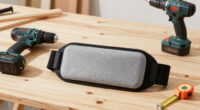
TL;DR

Get business pricing on tools and workshop supplies
- Business-only prices and quantity discounts
- Tax-exempt purchasing
- Multiple users, one account, clear invoices
Modular tool belts offer unmatched flexibility with customizable pouches, while fixed belts provide durability and stability. Your choice depends on work style, tool variety, and comfort needs.
Choose fixed belts for stability and durability when your tool setup stays consistent.
Opt for modular systems if your work requires frequent tool changes or customization.
High-quality materials and quick-attach features improve the lifespan and flexibility of modern belts.
Always measure your waist and consider how weight distribution impacts comfort over long hours.
Hybrid systems are emerging, blending the best of both worlds for versatile tradespeople.
Choose the belt that matches the rhythm of your work.
Modular tool belts offer unmatched flexibility with swappable pouches. Fixed-pocket belts bring stability, durability, and a familiar layout. The best choice depends on how often your tools change, how much weight you carry, and how long you spend wearing the rig.
Two systems, two jobsite personalities.
Think of fixed belts as a rugged daily backpack that always carries the same load. Modular belts are more like building blocks: clip, hook, Velcro, and reposition the exact pouches your next task needs.
Stable, simple, ready for repeat work.
Fixed-pocket belts have sewn-in pouches arranged in a set pattern. Fewer attachment points usually mean fewer failure points, making them a reliable choice when your tools rarely change.
Customizable for shifting tool needs.
Modular systems use removable pouches, holders, and clips. Swap a screwdriver pouch for a tape holder, move weight around your hips, or build separate setups for morning and afternoon tasks.
The showdown: how they stack up.
Neither belt wins every category. Fixed-pocket belts usually dominate durability and cost. Modular belts win when speed, customization, and comfort tuning are worth the higher upfront price.
| Feature | Fixed-Pocket Belts | Modular Belts | Edge |
|---|---|---|---|
| Design | Set configuration with sewn-in pockets | Attachable, removable pouches | ~ Task dependent |
| Customization | Limited layout changes | High; reconfigure instantly | ✓ Modular |
| Durability | Generally more robust | Depends on attachment quality | ✓ Fixed |
| Comfort | Uniform fit, less adaptable | Better weight placement control | ✓ Modular |
| Cost | Typically less expensive | Higher upfront, more versatile | ✓ Fixed upfront |
| Conversion | Usually not designed for modular add-ons | Built around compatible accessories | ✗ Hard to retrofit |
Workflow chain: from task to belt setup.
A good tool belt shortens the distance between intent and action. The decision starts with the work pattern, then moves through tool variety, load, fit, and material quality.
Decision signals: when each belt pulls ahead.
Use this quick read as a practical scorecard. Higher bars indicate where that belt type tends to deliver more value for the average tradesperson or serious DIYer.
Best when consistency beats customization.
Best when the job changes by the hour.
Materials and design trends are closing the gap.
Modern belts are not stuck in the old leather-versus-nylon debate. Better fabrics, quick-attach hardware, ergonomic padding, and hybrid layouts are making both categories smarter.
Ballistic nylon and reinforced leather.
These materials improve abrasion resistance without making the belt feel unnecessarily heavy during long shifts.
Magnetic holders and quick clips.
Newer modular systems reduce reconfiguration time and make pouch swaps feel less fiddly on active job sites.
Stable base, flexible add-ons.
Hybrid belts blend fixed core pockets with modular expansion for tradespeople whose work varies day to day.
Common questions, answered fast.
The practical answer usually comes down to moving parts, compatibility, and how often your workday forces a different tool layout.
Which is more durable?
Fixed belts tend to last longer because they have fewer moving parts and fewer attachment points. High-quality modular belts can still be durable when their clips, stitching, and pouches are maintained.
Can I convert a fixed belt later?
Usually no. Fixed belts are sewn around a set configuration. Some add-on pouches may fit compatible systems, but it is better to choose based on long-term needs.
Which is better for electricians?
Electricians often benefit from modular belts because the tool mix changes across tasks. Carpenters doing repetitive work may prefer fixed belts for stability.
Are modular belts worth it?
They are worth the extra cost when frequent pouch changes save time and reduce clutter. For casual DIYers or stable setups, a fixed belt may be the smarter buy.
Pick for workflow, not trend.
A modular belt shines when flexibility matters. A fixed belt is hard to beat when your loadout is consistent and durability is the priority. Measure your waist, think about weight distribution, and choose the system that keeps tools within reach without punishing your back.
What Are Fixed-Pocket Tool Belts? Why They Still Work for Many
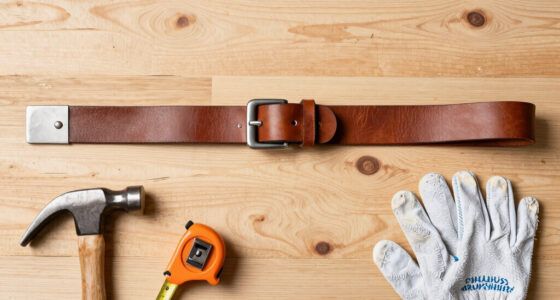
Fixed-pocket tool belts have a set configuration—pockets sewn directly onto a sturdy belt. Imagine a leather belt with a hammer loop and five fixed pouches, all arranged in a specific pattern. They’re built for durability and stability, giving you peace of mind that your tools won’t shift around.
For trades like plumbing or carpentry, where the tool setup stays the same day after day, fixed belts are a reliable workhorse. They’re simple, rugged, and often last for years. Think of them as your trusty, no-nonsense backpack that’s always ready for the same load.
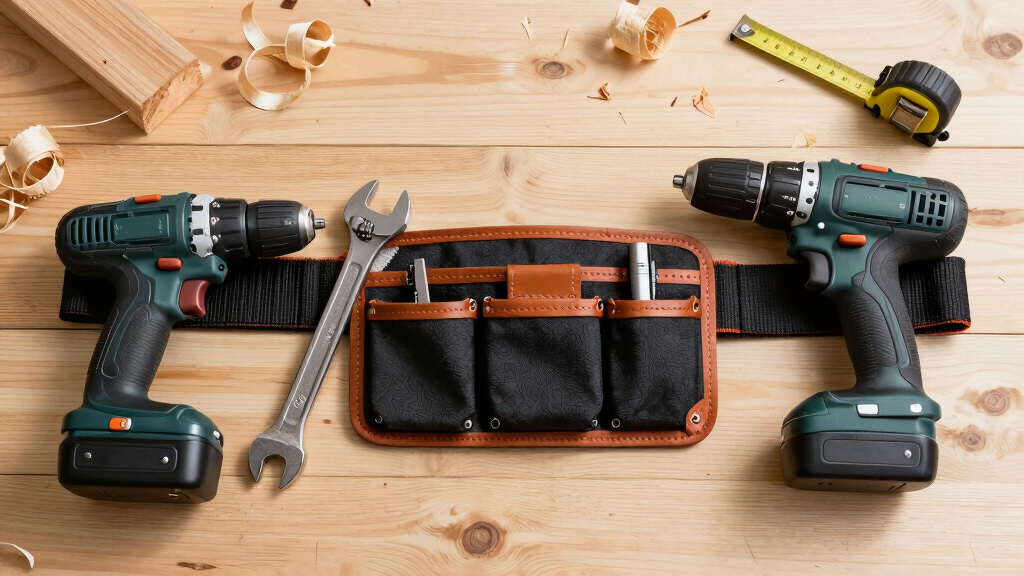
modular tool belt with customizable pouches
As an affiliate, we earn on qualifying purchases.
As an affiliate, we earn on qualifying purchases.
What Makes Modular Tool Belts a Game-Changer for Dynamic Jobs
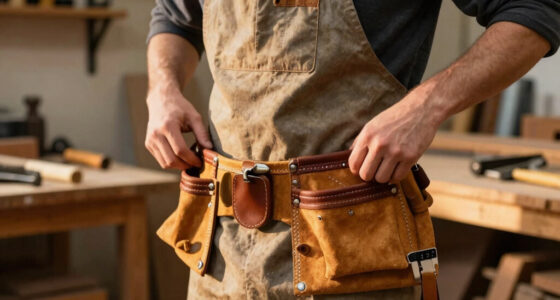
Modular tool belts are like a set of building blocks—pouches that clip, hook, or Velcro onto a sturdy belt. Need a screwdriver pouch in the morning, then swap it for a tape measure holder in the afternoon? No problem. They’re designed for quick changes, adapting to your work on the fly.
Picture a carpenter switching from framing tools to finish carpentry. With modular systems, they can reconfigure their belt in seconds—saving time and avoiding clutter. It’s like having a custom toolkit tailored to each task.
As an affiliate, we earn on qualifying purchases.
Modular vs Fixed: The Showdown — How Do They Stack Up?
| Feature | Fixed-Pocket Belts | Modular Belts |
|---|---|---|
| Design | Set configuration, sewn-in pockets | Attachable, removable pouches |
| Customization | Limited, fixed layout | High, reconfigure instantly |
| Durability | Generally more robust | Depends on quality, attachments wear over time |
| Comfort | Uniform fit, less adaptable | Adjustable for better weight distribution |
| Cost | Typically less expensive | Higher upfront, more versatile |
adjustable work belt for contractors
As an affiliate, we earn on qualifying purchases.
As an affiliate, we earn on qualifying purchases.
The Latest Trends: Better Materials and Smarter Designs
Both systems are evolving fast. Modern materials like ballistic nylon and reinforced leather boost durability without adding weight. Quick-attach features—like magnetic pouches and adjustable straps—make reconfiguring faster than ever.
Some systems even blend fixed and modular elements, giving you a stable base with customizable options. Plus, ergonomic designs focus on weight distribution, helping you work longer without fatigue.
For example, a plumber might use a hybrid belt with a fixed base but attach extra pouches for specialty tools needed on specific jobs.
As an affiliate, we earn on qualifying purchases.
Which Tool Belt Fits Your Work Style? Key Facts to Know
Choosing depends largely on your daily tasks. Fixed belts are better for repetitive, stable setups—like drywall finishing—while modular belts shine in roles with changing tool needs, such as electrical work or remodeling.
Cost is another factor. Modular systems often cost more upfront but can save time and hassle. Brands like Carhartt or Milwaukee offer both options, so pick one that matches your budget and work demands.
And don’t forget fit: measure your waist and consider how you’ll carry weight. Many modular systems have adjustable straps for a snug, comfortable fit.
Your Common Questions — Answered
- Which is more durable: modular or fixed? Fixed belts tend to last longer because they have fewer moving parts and fewer points of failure. However, high-quality modular systems, with reinforced attachments and premium materials, can also last a long time if properly maintained. The durability tradeoff often comes down to how well you care for the belt and the quality of the components.
- Can I convert a fixed belt into a modular system? Typically, no. Fixed belts are sewn with pockets in a fixed configuration, making reconfiguration difficult or impossible. Some modular pouches might be compatible with certain fixed belts if they use universal attachment systems, but overall, they are designed separately. This means you should choose the type that best suits your long-term needs rather than trying to convert one into the other.
- Which is better for electricians or carpenters? Electricians often benefit from modular belts because they need to adapt quickly to different tools and tasks throughout the day, making reconfiguration essential. Carpenters, especially those working on repetitive tasks, may prefer fixed belts for their stability and durability, which support heavy or consistent loads. The decision hinges on the nature of daily tasks and the importance of flexibility versus stability.
- Are modular belts worth the extra cost? For professionals whose work involves frequent tool changes, reconfiguring their belt can save significant time and reduce clutter, making the investment worthwhile. The flexibility helps keep tools organized and easily accessible, which can improve productivity and reduce fatigue. For casual DIYers or those with a fixed tool setup, the cost difference might not be justified.
- How should I choose size and fit? Proper fit is crucial for comfort and safety. Measure your waist accurately and consider how much weight you’ll carry. Look for adjustable straps and padded belts to distribute weight evenly. Remember, a well-fitting belt reduces strain and fatigue, especially during long workdays, and ensures your tools stay secure without slipping.
Frequently Asked Questions
Can I switch from a fixed to a modular belt later?
Most fixed belts aren’t designed for modular attachments, but some modular pouches can be added to certain fixed systems if they’re compatible. Consider your long-term needs before making the switch.Are modular belts more comfortable during long workdays?
Yes, because you can adjust pouch placement and weight distribution, reducing strain. Proper fit and ergonomic design further enhance comfort.What’s the best material for durability?
Ballistic nylon and reinforced leather stand out for durability. But remember, how you care for your belt impacts longevity just as much as material choice.Is it worth investing in a hybrid system?
If your work varies day to day, hybrid belts give you stability plus flexibility. They can adapt to different tasks, making them a smart choice for versatile professionals.Conclusion
Picking the right tool belt isn’t about the latest trend—it’s about what keeps your workflow smooth and your tools within reach. Modular belts excel when flexibility matters, but a solid fixed belt offers unmatched durability for consistent tasks. Think about your job style, and choose what works best — your back, tools, and productivity will thank you.Halloween Picks
halloween
As an affiliate, we earn on qualifying purchases.