TL;DR

Get business pricing on tools and workshop supplies
- Business-only prices and quantity discounts
- Tax-exempt purchasing
- Multiple users, one account, clear invoices
A padded belt supports your lower back by evenly distributing weight, stabilizing your lumbar area, and encouraging proper posture. When used correctly, it cuts down on muscle strain and fatigue during strenuous tasks.
A padded belt stabilizes your lower back, reducing muscle activation and fatigue during strenuous work.
Proper fit and correct usage are essential—wear it during heavy lifts, not all day long.
Innovations in materials make modern padded belts more breathable and comfortable, encouraging consistent use.
Avoid over-reliance on belts; combine with core exercises to build long-term back strength.
Choosing a belt with adjustable straps and quality padding maximizes support and comfort.
Lower-back support that works like distributed load control.
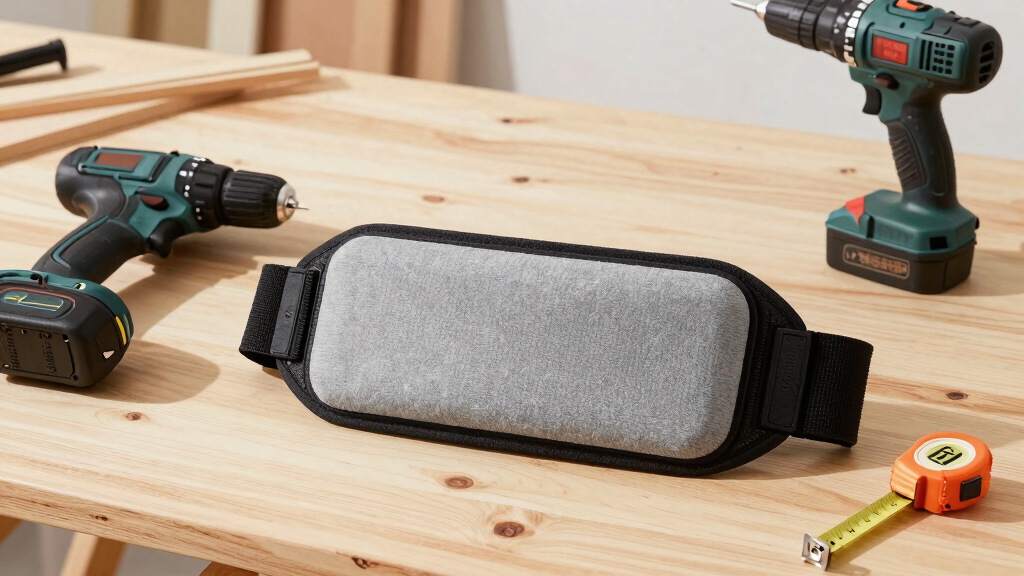
A padded belt supports your lower back by spreading pressure, stabilizing the lumbar area, and encouraging better posture. Used during heavy lifting or strenuous tasks, it can reduce muscle strain and help you stay on your feet longer without turning the belt into a crutch.
Up to 30%
reduction in lower-back muscle activation when a lumbar support belt is properly fitted.
Task-Based
wear it for heavy lifts, hauling, kneeling work, and repeated bends, then loosen it during breaks.
Support, not substitution.
The belt helps tired muscles work less, but core strength and lifting technique still carry the long game.
Practical guideLumbar bracing reduces excess motion during lifting.
Foam or gel spreads pressure across the waist and hips.
Continuous wear can encourage dependency over time.
adjustable straps, breathable fabric, moldable support.
The belt turns a single stress point into a supported system.
When you lift, bend, twist, or haul, your lower back absorbs much of the load. A padded belt helps distribute that load and gives the lumbar region a firmer boundary to work against.
Weight disperses instead of digging in.
Cushioned padding spreads pressure across a wider surface, reducing sharp strain around the lower back and waist.
The spine gets steadier feedback.
Compression and contouring help limit awkward movement, especially when a task includes repeated bends or rotation.
Your body gets a reminder to brace.
A snug belt encourages upright lifting mechanics without locking you into a rigid, uncomfortable position.
How fatigue drops during a tough workday.
The belt does not make heavy work light. It reduces the amount of stabilizing work your back muscles must do while you move through the hardest parts of the job.
Heavy task begins
Load, posture, and repetition start increasing lumbar demand.
Belt stabilizes
Adjustable compression gives the lower back a firmer brace point.
Muscles work less
Research-backed reductions in activation can reach up to 30%.
Fatigue eases
Less overexertion means fewer end-of-day aches and spasms.
Traditional belt vs. padded belt: what changes?
A padded belt wins when comfort and support have to coexist. The best version feels snug and secure while still letting you bend, kneel, reach, and breathe.
| Feature | Traditional Belt | Padded Belt | Fatigue Impact |
|---|---|---|---|
| Support Level | ~ Basic tension | ✓ Cushioned lumbar support | Better stabilization under repeated strain |
| Comfort | ~ Often stiff | ✓ Soft, moldable padding | More likely to be worn correctly |
| Breathability | ✗ Limited airflow | ✓ Moisture-wicking fabric | Less heat buildup during long shifts |
| Adjustability | ~ Simple straps | ✓ Multiple tension zones | More precise fit without over-tightening |
Fit sweet spot: snug, not restrictive.
A useful belt should feel like a second skin: firm enough to support your lower back, loose enough to preserve movement, breathing, and circulation.
The long-term relief formula is support plus strength.
Wear the padded belt for the hardest lifts and most strenuous tasks, then remove or loosen it during lower-demand periods so your core keeps doing its job.
Pick adjustable, breathable, well-padded construction.
Look for straps that fine-tune fit, materials that wick sweat, and foam or gel that conforms to your body instead of creating pressure points.
Do not crank it tight or wear it as an all-day brace.
Over-tightening can restrict movement and blood flow. Overuse can train your body to depend on the belt instead of building resilience.
Quick answer
Yes, padded belts can reduce back fatigue when used correctly. They are best for work periods involving lifting, construction, warehouse tasks, or repeated bending.
- Use during heavy effort: lifting, hauling, kneeling, and repeated bends.
- Take breaks: loosen the belt so your muscles do not become dependent.
- Train the core: pair belt use with strengthening work for long-term back health.
- Check the fit: snug support should never limit breathing, circulation, or natural movement.
Why a Padded Belt Is Your Back’s Best Friend
When you lift, bend, or twist repeatedly, your lower back absorbs most of that stress. A padded belt acts like a shock absorber, spreading out the load and supporting muscles that get tired fast. Think of it as a cushion for your spine, preventing muscles from overworking and muscles spasms from sneaking in.
For example, a carpenter lifting heavy beams or a plumber kneeling for hours can feel the difference. The belt stabilizes without restricting movement, so you stay flexible but supported. That support means fewer sore muscles at the end of the day and less risk of injury.
As an affiliate, we earn on qualifying purchases.
What Makes a Padded Belt Support Your Back Better?
A good padded belt combines comfort, adjustability, and support. Recent designs feature:
- Lightweight, breathable fabrics that wick sweat and prevent chafing
- Memory foam or gel padding that molds to your body
- Adjustable straps for a snug fit
For example, a tradesperson wearing a belt with memory foam padding reports less discomfort during long shifts. The key is fitting the belt properly—too loose and it won’t support; too tight and it restricts movement and blood flow.
back support belt for heavy lifting
As an affiliate, we earn on qualifying purchases.
As an affiliate, we earn on qualifying purchases.
How a Padded Belt Actually Reduces Back Fatigue
Here’s the secret: a padded belt stabilizes your lumbar region like a built-in brace. It reduces muscle activation by up to 30%, according to studies, which means your muscles don’t work as hard. That’s like giving your back a firm hand to hold it steady.
Imagine lifting a heavy box—without support, your back muscles strain to keep you upright. With a padded belt, those muscles relax a bit, cutting fatigue and soreness.
In practice, this means you can work longer without feeling like your back is about to give out. It’s not magic—it’s physics and good design working together.
As an affiliate, we earn on qualifying purchases.
The Right Way to Use a Padded Belt for Long-Term Back Relief
- Choose a belt that fits snugly but isn’t tight to the point of cutting off circulation.
- Wear it during heavy lifting or strenuous tasks, not all day long.
- Take breaks and loosen the belt to avoid muscle dependency.
- Complement with core-strengthening exercises for better long-term health.
A warehouse worker follows these steps, wearing the belt only during the toughest lifts. Over weeks, they notice less back soreness and easier days.
breathable padded back support belt
As an affiliate, we earn on qualifying purchases.
As an affiliate, we earn on qualifying purchases.
Comparison Table: Traditional vs. Padded Belts
| Feature | Traditional Belt | Padded Belt |
|---|---|---|
| Support Level | Basic, mainly tension | Enhanced, cushioned support |
| Comfort | Variable, often stiff | Soft, moldable padding |
| Breathability | Limited material options | Breathable fabrics and moisture-wicking |
| Adjustability | Usually simple straps | More precise fit with multiple straps |
Common Mistakes That Reduce Your Belt’s Effectiveness
Wearing a padded belt incorrectly can backfire. For example, slouching or wearing it too tight can cause more harm than good. Over-reliance on the belt without core exercises weakens your muscles over time.
An experienced worker learned that tightening the belt too much made their back stiff, and they felt worse after a few hours. The key is proper fit and not using it as a crutch.
How to Pick the Best Padded Belt for Your Work
Look for belts with:
- Adjustable straps for a personalized fit
- Breathable, durable materials
- Ample padding that molds to your body
Try them on and move around. A good belt feels like a second skin—supportive but not restrictive.
Frequently Asked Questions
Can wearing a padded belt cause muscle weakness?
Yes, overusing a belt without strengthening your core can lead to muscle dependency and weakness over time. Use it as a support tool, not a crutch.How tight should a padded belt be?
It should be snug enough to support your lower back without restricting movement or blood flow. Adjust straps for a comfortable, firm fit.Is it better to wear a padded belt all day?
No, prolonged use can weaken your core muscles. Wear it during heavy lifting or strenuous tasks, and take breaks to let your muscles recover.Can I wear a padded belt for everyday activities?
Generally, no. They’re best suited for specific tasks like lifting or construction work. For daily wear, consult a healthcare professional.What features should I look for in a padded belt?
Choose adjustable straps, breathable materials, and padding that molds to your body for maximum comfort and support.Conclusion
A padded belt isn’t just a piece of gear—it’s a game changer for your back health on tough workdays. When used right, it keeps fatigue at bay and your back feeling fresh. Remember, it’s support, not a substitute for strength—pair it with core work and proper lifting technique for best results. Your back will thank you for it.Halloween Picks
halloween
As an affiliate, we earn on qualifying purchases.