TL;DR

Get business pricing on tools and workshop supplies
- Business-only prices and quantity discounts
- Tax-exempt purchasing
- Multiple users, one account, clear invoices
Choosing a tool belt isn’t just about price. Focus on fit, material, and pockets. A good belt boosts efficiency and safety, lasting for years with proper care.
Prioritize material and fit; comfort and durability matter for long-term use.
Start simple with a basic belt—add modular pouches as your skills grow.
Match your tool belt to your trade for better efficiency and safety.
Maintain your belt regularly to extend its lifespan.
Safety first: ensure proper fit and avoid overloading to prevent fatigue and accidents.
Choose the belt that keeps every tool where your hand expects it.
TL;DR: Choosing a tool belt is not just about price. Focus on fit, material, and pocket layout first. A good belt improves efficiency, reduces fatigue, and can last for years with proper care.
“The best beginner belt is simple, adjustable, and organized enough to stop the pocket hunt.”
Key buying principlePossible improvement when tools stay within easy reach.
Typical range for a basic beginner tool belt.
Enough storage for essentials without clutter.
Measure waist or hips before buying.
Canvas and nylon keep weight manageable.
Quality belts last with cleaning and dry storage.
Pick the foundation before the features.
Material affects durability, weight, comfort, and weather resistance. Think of the belt like a chassis: if the base does not match the workload, every pouch and buckle has to compensate.
Tough and traditional
Best for: long-term durability and a professional look. It is heavier and usually costs more, so it is often better after you know exactly what you carry.
Light and flexible
Best for: active beginners, outdoor work, and moisture-prone projects. Look for reinforced stitching and tear-resistant fabric.
The middle ground
Best for: affordable starter setups that need breathability and structure without leather-level weight.
Nylon
Low fatigue and flexible movement for long sessions.
Canvas
Sturdy enough for basics, breathable enough for daily work.
Leather
Long-lasting but heavier and more expensive.
Recycled
Eco-friendly fabrics are growing in availability.
What matters most when you are starting out.
A beginner belt should help you work cleaner, not tempt you to carry the whole garage. Start with comfort, core pockets, and room to grow.
| Feature | Beginner Choice | Why It Matters | Risk If Ignored | Priority |
|---|---|---|---|---|
| Adjustable fit | ✓ Multiple holes or straps | Lets you tune comfort across layers and body position. | Slipping belt, pinching, back strain. | High |
| Pocket count | ✓ 4-6 essential pockets | Keeps tools visible and easy to reach. | Clutter, wasted time, awkward weight. | High |
| Padding | ~ Helpful for long workdays | Reduces pressure around the waist and hips. | Fatigue during extended use. | Medium |
| Modular pouches | ~ Nice upgrade path | Allows project-specific storage later. | Overbuying before you know your workflow. | Medium |
| Heavy leather build | ✗ Not always ideal first | Durable, but heavier and pricier. | Paying for capacity you do not need yet. | Low |
The beginner setup flow.
The right buying sequence is simple: fit first, then pockets, then comfort, then trade-specific upgrades. That order prevents most bad purchases.
Measure
Use a tape around waist or hips. Do not guess sizing.
Choose
Pick nylon, canvas, or leather based on weight and workload.
Limit
Start with hammer, drivers, pliers, tape, knife, and level.
Balance
Distribute tools evenly to protect posture and movement.
Maintain
Clean, dry, inspect stitching, and condition leather monthly.
Beginner priorities by practical impact.
Price matters, but it should not lead the decision. Fit, material, and organization have a bigger effect on safety and daily efficiency.
Match the belt to the work, not the display rack.
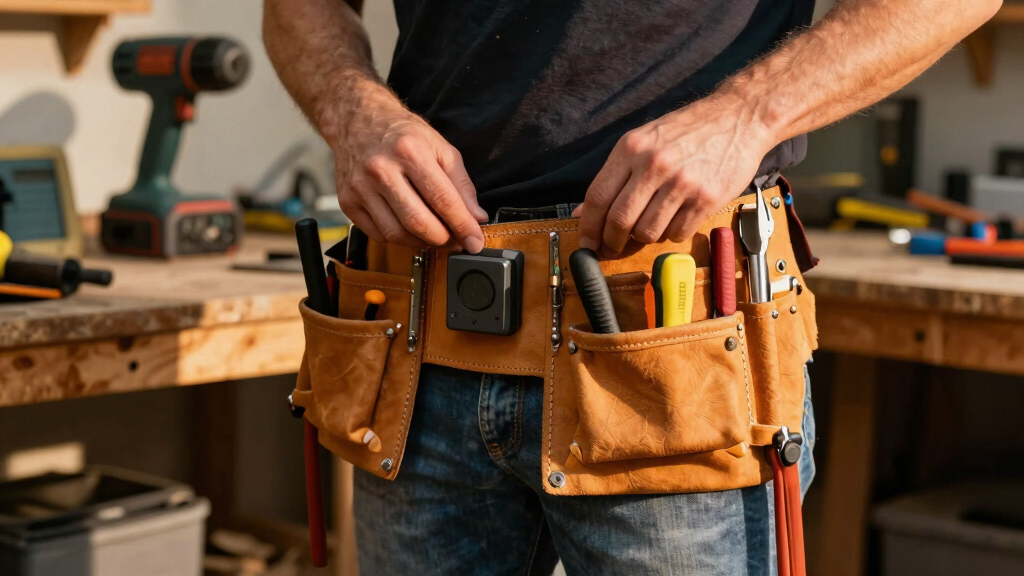
Different trades need different pocket shapes. Choose around the tools you actually carry, then add modular pouches when your workflow becomes clearer.
Small-slot control
Prioritize screwdriver slots, wire stripper storage, fastener pockets, and a secure phone or tester pouch.
Larger open pouches
Look for hammer loops, tape measure clips, level storage, and reinforced pockets for fasteners.
Deep heavy pockets
Choose stronger pouches for wrenches, tape, fittings, and tools that are bulkier than typical drivers.
Ask these questions at the shelf.
A good beginner belt is an investment in safety and smoother work. These checks keep the purchase grounded in real use.
Quick buyer filter
Choose simple first. Start with the tools you use every project, then expand after you understand what slows you down.
For most beginners, an adjustable nylon or canvas belt with essential pockets is the cleanest starting point.
- 01What is my main project or trade? Electrician, carpenter, plumber, DIY repairs, or mixed use.
- 02Do I need light or heavy duty? Choose lightweight for movement, heavy duty for daily rugged work.
- 03How many tools do I carry daily? Start small, then add modular pouches later.
- 04What is my budget? Basic beginner belts often sit in the $20-50 range.
- 05Will it stay safe on a ladder? Avoid loose fit, overload, and uneven weight.
Fast answers before you buy.
Keep the decision practical: fit, comfort, and essential storage beat flashy extras for a first belt.
What is the best beginner tool belt?
A simple, adjustable nylon or canvas belt with a few essential pockets is usually the best first choice.
How do I choose the right size?
Measure your waist or hips and compare that number with the manufacturer sizing chart. Adjustable straps help.
Are leather belts worth it for beginners?
They can be, but leather is heavier and pricier. Start with leather if durability matters more than weight.
What should I carry first?
Start with a hammer, screwdrivers, pliers, tape measure, utility knife, level, and the fasteners for the current task.
How to Pick the Perfect Material for Your Tool Belt
Material choice affects durability, weight, and comfort. Leather belts are tough and look professional—ideal if you want something that lasts for years. But they’re heavier and pricier. Nylon or polyester belts are lightweight, flexible, and resistant to wear, perfect if you move around a lot. Canvas offers a middle ground—sturdy but breathable. For example, if you’re a carpenter working outdoors, a water-resistant nylon belt might be your best bet.
Think of your belt like a car’s chassis: it’s the foundation. Pick a material that matches your workload and comfort needs. If you’re in a trade that involves moisture or rough handling, go for high-tech, tear-resistant fabrics.
adjustable tool belt for beginners
As an affiliate, we earn on qualifying purchases.
As an affiliate, we earn on qualifying purchases.
Find the Right Fit: Size and Adjustability Matter
Tool belts should sit snugly but not cut into your waist or hips. Measure your waist or hips with a tape—don’t guess. Most belts come with adjustable straps or multiple sizing options, which is a huge plus. For instance, if you’re fluctuating between sizes, an adjustable belt lets you customize the fit. Imagine working all day with a belt that’s too tight—your back and stomach will protest.
Look for belts with quick-release buckles or multiple holes. That way, you can fine-tune comfort on the fly. Remember, a well-fitting belt reduces fatigue and prevents tools from slipping or falling.
durable work tool belt with pockets
As an affiliate, we earn on qualifying purchases.
As an affiliate, we earn on qualifying purchases.
Pockets and Storage: What You Need for a Beginner Setup
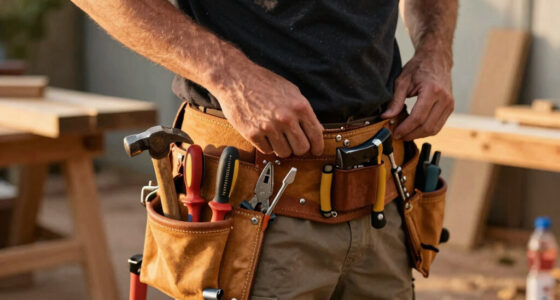
For beginners, fewer is more. A belt with 4-6 essential pockets works perfectly. Think: a large pouch for your hammer, small slots for screwdrivers, a loop for your tape measure, and maybe a pocket for pliers. For example, a basic setup might include a main pocket for larger tools and smaller ones for fasteners and bits. Overloading your belt with too many pockets can cause clutter and discomfort.
Understanding the importance of storage is key: the right arrangement ensures you can access your tools quickly without fumbling, which can slow down your work and cause frustration. The size and placement of pockets also influence how evenly weight is distributed across your waist, affecting your posture and fatigue. Choosing a belt with the right number and size of pockets means you can organize your tools efficiently, reducing the time spent searching and minimizing strain over long workdays.
As an affiliate, we earn on qualifying purchases.
Comfort Counts: Weight, Padding, and Ergonomics
Carrying tools all day wears you down if your belt isn’t comfortable. Lightweight belts reduce fatigue, especially if you carry a lot. Padding around the waist adds a cushion—think of it like wearing a padded belt at a concert. For example, a padded nylon belt with breathable mesh can make a 10-hour workday feel less brutal.
Ergonomic design isn’t just a buzzword. It means the belt distributes weight evenly and moves with you. Avoid stiff, rigid belts that chafe or pinch. Remember, comfort isn’t just a luxury—it’s a safety issue, preventing strain injuries over time. Proper ergonomic features can prevent common musculoskeletal problems, such as back pain or shoulder strain, especially when the belt is used daily. Investing in a well-designed belt can mean fewer breaks and a more productive workday, as fatigue and discomfort are minimized.
comfortable tool belt for carpentry
As an affiliate, we earn on qualifying purchases.
As an affiliate, we earn on qualifying purchases.
Matching Your Tool Belt to Your Trade
Different trades have different needs. Electricians might prefer belts with small pouches for screwdrivers and wire strippers. Carpenters need larger pockets for hammers and levels. Plumbers often carry wrenches and tape, so a belt with deep pockets is best. For example, a plumber’s belt might need a dedicated space for a 24-inch pipe wrench, which is bulkier than typical screwdrivers.
Thinking about your specific trade helps you select a belt that enhances efficiency. For instance, having the right pocket size and placement reduces the time spent rummaging for tools, preventing unnecessary movements that can cause fatigue or even accidents. A belt designed for your trade ensures your tools are organized logically, reducing the risk of dropping or damaging equipment and enabling quicker access during critical moments.
Latest Trends in Tool Belts You Should Know About
Tool belts are evolving fast. Modular, customizable systems let you swap out pouches based on your project. Lightweight, ergonomic designs with breathable fabrics reduce fatigue. Some newer belts even include weather-resistant, tear-proof materials. For example, a carpenter working outdoors might opt for a belt made from recycled, water-resistant fabric with reinforced stitching for longevity.
Smart features are emerging, like integrated LED lights or pockets designed to hold smartphones securely. Eco-friendly options are also gaining ground as tradespeople seek sustainable gear. These innovations not only improve functionality but also reflect a shift towards more sustainable and safety-conscious work environments. Choosing a belt with these features can significantly enhance your productivity, comfort, and safety, especially on longer or more challenging projects.
Your Quick Checklist Before Buying a Tool Belt
Before you buy, ask yourself:
- What’s my main trade or project? (Electrician, carpenter, etc.)
- Do I need a lightweight, flexible or heavy-duty belt?
- How many tools do I carry daily? (Start small, grow later)
- What’s my budget? ($20 to $50 covers basic options)
- Do I want a modular setup or a simple belt?
Matching your needs with these questions simplifies decision-making. Remember, a good belt is an investment in safety and efficiency.
Maintaining and Caring for Your Tool Belt
Keep your belt in top shape by cleaning it regularly. Wipe down fabric belts with a damp cloth; leather belts benefit from conditioning with a leather protector. Store it in a cool, dry place away from direct sunlight. If you get caught in the rain, hang it to dry—never leave it wet, as this weakens materials and causes mold.
For example, a leather belt used daily might need monthly conditioning to prevent cracking. Proper care extends its lifespan and keeps your tools secure.
Safety Tips When Using Your Tool Belt
Always ensure your belt fits snugly without restricting movement. Loose belts can cause tools to fall, creating hazards. Avoid overloading—carrying too many tools can strain your back and hips. Remember, safety isn’t just about the tools—your gear plays a big part.
For example, if you’re working on a ladder, ensure the belt doesn’t shift or cause imbalance. Regularly check for worn stitching or damaged buckles before starting work.
Frequently Asked Questions
What’s the best beginner tool belt?
A simple, adjustable nylon or canvas belt with a few essential pockets is perfect for beginners. It’s affordable, lightweight, and easy to use, making your first steps into trades smoother.
How do I choose the right size?
Measure your waist or hips with a tape—don’t guess. Use the sizing chart provided by the manufacturer. Opt for an adjustable belt for flexibility as your body or needs change.
Are leather tool belts worth it for beginners?
Leather belts are durable and look professional but tend to be heavier and cost more. They’re better suited for experienced tradespeople or those needing long-lasting gear. For starters, a nylon belt is usually more practical.
Can I customize my tool belt?
Yes, many modular systems allow you to add or remove pouches based on your specific needs, giving you flexibility as your work evolves.
What tools should I carry in my beginner’s tool belt?
Start with a hammer, screwdrivers, pliers, tape measure, utility knife, and a level. These basics cover most small projects and daily tasks.
Conclusion
Choosing the right tool belt isn’t about the flashiest design; it’s about fit, function, and durability. Think of it as an extension of your hand—reliable, comfortable, and ready when you are. Invest wisely, and your belt will serve you well through many projects to come.Fall Picks
fall essentials
As an affiliate, we earn on qualifying purchases.