TL;DR

Get business pricing on tools and workshop supplies
- Business-only prices and quantity discounts
- Tax-exempt purchasing
- Multiple users, one account, clear invoices
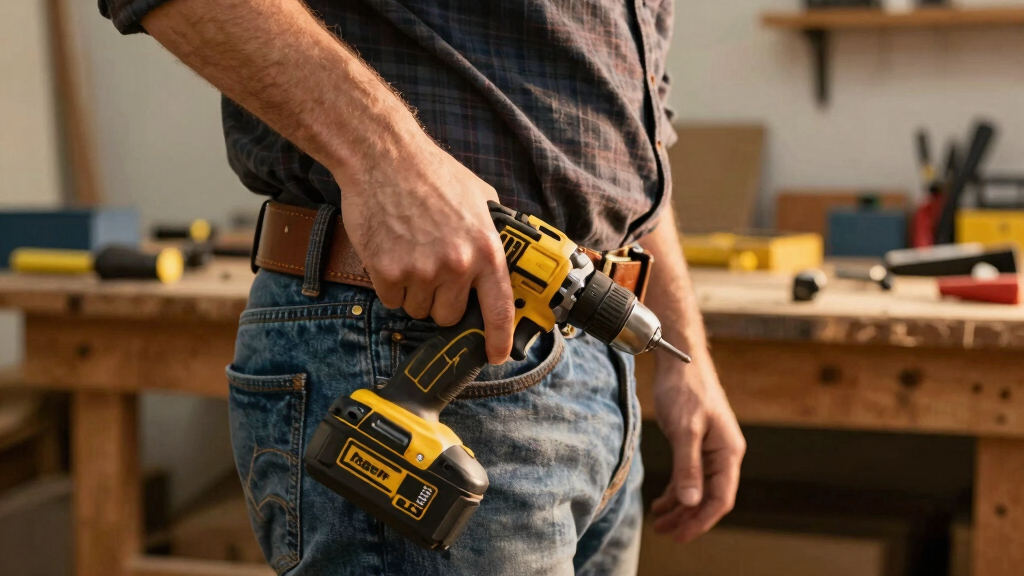
The best way to carry a cordless drill on a belt is with a dedicated, adjustable holster made from durable materials. It offers security, quick access, and comfort, especially with recent innovations like modular and ergonomic designs.
Imagine this: you’re halfway through a job, reaching for your drill, only to fumble and drop it. Frustrating, right? How you carry your cordless drill can make all the difference between a smooth workday and a costly mishap. If you’re tired of awkward, unreliable solutions, this guide will show you the best ways to keep your drill secure, accessible, and comfortable on your belt.
Whether you’re a seasoned pro or a weekend warrior, understanding the right holster or carrier can boost your efficiency and safety. Let’s cut through the clutter and focus on what really works in the real world.
Choose a dedicated, adjustable holster made from durable materials for best security and comfort.
Match your holster’s size and features to your drill’s dimensions and your work environment.
Regularly inspect and maintain your holster to prevent wear and accidental drops.
Safety first: always secure your drill properly and remove batteries when not in use.
Modern designs now include modular, ergonomic features that make carrying easier and safer.
Practical field guide · belt carry systems
Best Way to Carry a Cordless Drill on a Belt
The short answer: use a dedicated, adjustable drill holster built from durable material. The right fit keeps the tool secure through movement, puts it within one-handed reach, and reduces the hip and back strain caused by an unstable carrier.
01 · What matters
Five features that earn their place on your belt
A good holster is more than a pouch. Each feature should solve a real job-site problem: impact, movement, awkward access, fatigue, or exposure to weather.
Built for abrasion
Heavy-duty nylon, maintained leather, or molded plastic resists job-site wear. Outdoor crews should prioritize water resistance and fast drying.
Adjustable retention
Straps should grip the drill without crushing it. Adjustment accommodates different tools, belt sizes, clothing layers, and working positions.
Locking backup
A clip, latch, magnetic closure, or molded compartment acts as a fail-safe while climbing, kneeling, crawling, or moving quickly.
Contoured support
Padding and a hip-following shape reduce pressure points. Stable weight distribution limits fatigue during long shifts.
One-hand release
The drill should draw cleanly without snagging. A quick release only works when it is equally resistant to accidental opening.
Fast but unstable
The tool swings, shifts weight, catches on obstacles, and may drop during sudden movement.
Secure but slow
Excess retention forces awkward pulling and wastes time when switching tools repeatedly.
02 · Selection flow
Fit the holster to the tool, belt, and job
Treat selection like a five-point inspection. Compatibility comes first; convenience only matters after the drill stays safely attached.
Measure
Record drill diameter, overall profile, battery shape, and working weight.
Match
Choose nylon outdoors, leather for comfort, or molded plastic for structure.
Confirm
Check the loop or clip against the exact width and thickness of your belt.
Draw
Test a one-handed release from standing, kneeling, and climbing positions.
Inspect
Look for weak stitching, loose clips, cracked plastic, and worn retention straps.
Priority profile
Pass the movement test
- Walk briskly without excessive drill swing
- Kneel without the handle digging into your leg
- Bend without the carrier sliding around the belt
- Draw and reholster without looking down
- Engage retention before climbing or crawling
03 · Compare
Dedicated holster vs. universal holder
Universal holders add flexibility, but a dedicated drill holster typically wins when the drill is used all day and secure, repeatable access matters.
| Feature | Dedicated drill holster | Universal tool holder |
|---|---|---|
| Tool fit | ✓ Purpose-shaped, snug, often adjustable | ~ Flexible fit with more potential movement |
| Retention | ✓ Straps, clips, latches, or molded support | ~ Depends heavily on strap design |
| Quick draw | ✓ Consistent one-handed access | ~ Can snag or change with tool loadout |
| Multi-tool use | ✗ Primarily intended for one tool type | ✓ Adapts to several hand and power tools |
| Best use | ✓ Daily professional work and frequent switching | ~ Casual DIY and mixed-tool setups |
Heavy-duty nylon
Flexible, tear resistant, weather tolerant, and usually lighter than leather. A practical all-rounder for changing conditions.
Leather
Comfortable as it breaks in and offers a classic profile. It needs cleaning and conditioning to resist moisture and cracking.
Molded composite
Maintains an open shape for reliable reholstering. Modern lightweight composites improve rigidity without excessive bulk.
04 · Safety routine
A secure carry is a maintained carry
Even the best holster becomes unsafe when straps stretch, stitching separates, or clips loosen. Make inspection part of the tool routine.
Lock it before moving
Tighten retention straps and engage clips before climbing, crawling, or crossing uneven ground.
Remove the battery during downtime
Take the battery out during long breaks, transport, or storage to prevent accidental activation.
Inspect high-stress points
Check belt loops, stitching, rivets, clips, latches, and molded edges for wear or deformation.
Clean without weakening
Use mild soap and water where appropriate, dry fully, and follow the maker’s care guidance.
Replace compromised parts
Do not rely on improvised repairs when retention straps, clips, or attachment points are damaged.
The reliable-carry chain
Every link supports the next. Skip one and the entire system becomes less predictable.
Why a Good Holster Matters More Than You Think
A sturdy, well-designed holster isn’t just about keeping your drill close. It’s about safety, speed, and reducing strain. Picture lugging a bulky, poorly fitting carrier all day—your back and hips will pay the price. A dedicated holster distributes weight evenly, minimizes fatigue, and prevents accidental drops that can cause injury or damage.
Choosing a high-quality holster means considering how it impacts your workflow. For example, a holster with poor retention might seem convenient but can lead to accidental drops if it doesn’t hold the drill securely during vigorous movement. Conversely, a holster that’s too tight might slow down your work, making you fumble when drawing the tool. The tradeoff is between security and accessibility. Finding that balance ensures safety without sacrificing efficiency. Additionally, a holster designed with ergonomic considerations can prevent long-term strain on your body, which is crucial during extended work shifts. Overall, investing in a good holster enhances safety, reduces fatigue, and keeps your workflow smooth.
As an affiliate, we earn on qualifying purchases.
What Features Make a Drill Holster Stand Out
- Durable Material: Heavy-duty nylon, leather, or molded plastic resist weather and wear. The material determines how well the holster withstands the rigors of job site conditions, impacting longevity and reliability. For example, nylon offers flexibility and resistance to tearing, suitable for active environments, while leather provides comfort and a classic look but may require more maintenance.
- Adjustable Straps: Fit snugly around your belt and grip your drill securely. Proper adjustability ensures the holster conforms to your body and gear, reducing movement that could lead to accidental drops. It also allows for customization based on different belt sizes or clothing layers, which is essential for versatility across various work conditions.
- Locking Clips or Mechanisms: Prevent accidental slips during movement. These features act as fail-safes, ensuring your drill doesn’t fall out during sudden movements or when crawling into tight spaces. They are especially important in dynamic work environments where safety is paramount.
- Ergonomic Design: Padded, contoured shapes that reduce strain over long hours. An ergonomic holster minimizes pressure points and awkward postures, decreasing fatigue and the risk of musculoskeletal issues. For example, a contoured design that aligns with your hip reduces tension on your back and hips, allowing for more comfortable extended wear.
- Quick-Release: Allows fast, one-handed access to your drill without fumbling. This feature is crucial for efficiency, especially when you need to switch tools rapidly. However, quick-release mechanisms must also be secure enough to prevent accidental disengagement, so balancing ease of access with security is key.
For example, a construction worker might prefer a nylon holster with a magnetic latch for quick access and durability under harsh conditions, while a handyman might opt for leather for comfort and style. The goal: a snug fit that keeps the drill steady but is easy to grab when needed. The right features can significantly impact your safety and productivity, making them worth careful consideration.
As an affiliate, we earn on qualifying purchases.
How to Pick the Right Holster for Your Drill
- Measure Your Drill: Check its size and weight. Most holsters fit drills up to 3.5 inches in diameter and 5 pounds in weight. Understanding your drill’s dimensions helps prevent purchasing a holster that’s either too loose or too tight, which could compromise security or ease of access. For instance, a heavier drill might require reinforced straps or a more robust locking mechanism to prevent slippage during vigorous work.
- Match Material and Design: Consider your work environment—weatherproof nylon for outdoors, leather for indoor use. The material choice affects not just durability but also how comfortable the holster feels during long shifts. For example, a humid or rainy site demands water-resistant materials to prevent deterioration and maintain safety.
- Check Compatibility: Ensure your belt width (usually 1.5 to 2.5 inches) matches the holster’s loop or clip. An ill-fitting holster can shift during movement, increasing the risk of dropping the drill or causing discomfort. Proper compatibility ensures the holster stays in place and is easy to draw from, which directly impacts your efficiency and safety.
- Test Accessibility: Can you draw the drill quickly and with one hand? Practice before committing. This step is critical because a holster that’s difficult to access can slow down your work, especially in time-sensitive situations. Testing helps identify any awkward angles or mechanisms that might hinder quick retrieval, allowing you to choose a holster that balances security with ease of use.
- Read Reviews and Feedback: Look for durability and ease of use reports from fellow tradespeople. Real-world feedback provides insights beyond product descriptions, revealing how holsters perform under actual working conditions. For example, a holster might seem perfect in photos but may fail after a few weeks of heavy use, so reviews help you make informed decisions.
For instance, a plumber might prioritize a slim, lightweight holster for tight spaces, understanding that ease of movement is crucial, while a roofer needs a robust, weather-resistant model that can withstand the elements and rough handling. Tailoring your choice based on these factors ensures the holster supports your specific work demands effectively.
As an affiliate, we earn on qualifying purchases.
Comparison Table: Holster Types for Carrying a Cordless Drill
| Feature | Dedicated Drill Holsters | Universal Tool Holders |
|---|---|---|
| Design | Specifically shaped for drills, snug fit, often with locking mechanisms. | Attach to belts, hold multiple tools, adjustable straps. |
| Durability | High, made from nylon, leather, or molded plastics. | Variable, depends on materials used; often nylon or fabric. |
| Ease of Access | Quick draw, often one-handed. | |
| Best For | Daily professional use, safety, quick access. | Multi-tool setups, casual DIY projects. |
As an affiliate, we earn on qualifying purchases.
Safety Tips for Carrying Your Drill on a Belt
- Secure It Properly: Always tighten straps and lock clips to prevent accidental drops.
- Remove the Battery: When not in use or during long breaks, take out the battery to avoid accidental activation.
- Check for Wear: Regularly inspect straps, clips, and the holster shell. Replace if damaged.
- Be Mindful of Triggers: Ensure your drill’s trigger isn’t pressed or snagged during movement.
- Practice Safe Drawing: Use smooth, controlled motions to draw and replace your drill for safety and efficiency.
For example, a painter carrying a drill on a busy site should double-check the locking mechanism before climbing scaffolding. It’s a small step that prevents big accidents.
Keeping Your Drill and Holster in Top Shape
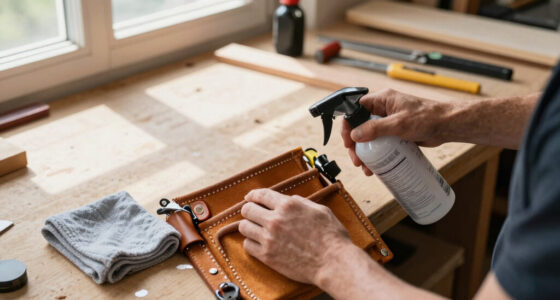
Regular maintenance extends the life of your holster and keeps your drill secure. Cleaning nylon or leather with a damp cloth—avoiding harsh chemicals that can weaken materials—helps preserve the integrity of your gear. Additionally, inspecting straps, clips, and the holster shell every few months allows you to catch signs of wear early, such as fraying or cracking, which could lead to failure during use. Replacing worn parts promptly ensures your tool remains secure and reduces the risk of accidental drops. This proactive approach minimizes downtime and safety hazards, ensuring your setup remains reliable over time. A well-maintained holster not only prolongs its lifespan but also keeps your drill ready for action whenever you need it, contributing to overall job site safety and efficiency.
For example, after a muddy day, wiping down your holster with a damp rag and inspecting straps can prevent tears or loosening that might cause a tool to fall.
Frequently Asked Questions
What is the best type of holster for carrying a cordless drill?
A dedicated, adjustable drill holster made from durable materials like nylon or leather offers the best balance of security, accessibility, and comfort. It’s designed specifically to hold your drill snugly and keep it ready for action.How do I ensure my drill stays secure on my belt?
Use a holster with adjustable straps, locking clips, or molded compartments that fit your drill tightly. Test it by shaking gently to confirm it won’t slip or fall during movement.Can I carry other tools along with my drill on the same belt?
Yes, many modular holsters and tool belts allow you to attach multiple pouches or holders. Just ensure your belt and holsters are rated for the combined weight and size of all tools.What are the safety tips for carrying a cordless drill on a belt?
Secure the drill properly, remove the battery when not in use, and check for wear regularly. Avoid carrying with the trigger pressed or snagging the cord or trigger on other objects.Are lightweight holsters effective for carrying a drill?
Yes, modern lightweight materials like high-strength nylon or composites provide secure carrying without adding unnecessary weight, making them ideal for all-day comfort.Conclusion
Carrying your cordless drill on a belt isn’t just about convenience — it’s about safety, speed, and reducing fatigue. The right holster, tailored to your tools and work style, can transform your daily routine. Remember, a secure, accessible drill keeps your work flowing smoothly and keeps you safe.
Next time you gear up, pick a holster that fits like a glove. Your back, your tools, and your job will thank you for it.
Halloween Picks
halloween
As an affiliate, we earn on qualifying purchases.