
TL;DR

Get business pricing on tools and workshop supplies
- Business-only prices and quantity discounts
- Tax-exempt purchasing
- Multiple users, one account, clear invoices
Tool vests and belts serve different needs. Vests distribute weight across your shoulders and offer more storage, while belts keep tools at your waist for quick access. Your choice depends on the job, comfort, and organization preferences.
Ever pick up a tool belt and wonder if a vest might be better? Or vice versa? The truth is, your choice can make or break your workday. Comfort, efficiency, and safety all hinge on the gear you wear. But with so many options and recent innovations, it’s easy to get overwhelmed.
In this guide, you’ll learn exactly what sets a tool vest apart from a tool belt. I’ll walk you through the key factors—like work environment, storage needs, and comfort—so you can make a smart decision that keeps you moving smoothly on the job.
Choose a tool vest if you need to carry many tools, work at heights, or want better weight distribution.
Opt for a tool belt when quick access to a few essential tools and lightweight comfort matter most.
Prioritize adjustable, ergonomic, and durable gear to maximize comfort and safety.
Modern materials and modular designs increase versatility and reduce fatigue.
Match your gear to your environment and workload for a smarter, safer workday.
What’s the real difference between a tool vest and a tool belt?
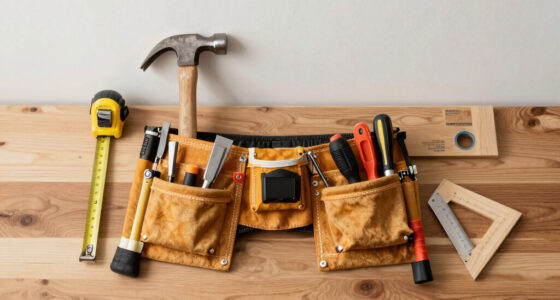
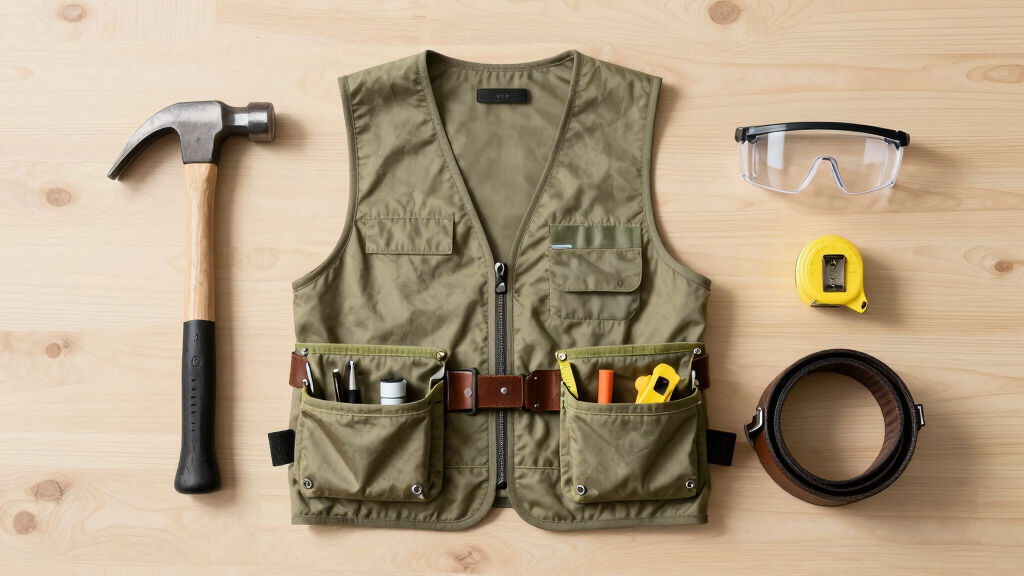
At their core, a tool belt wraps around your waist, offering quick access to essential tools. Think of it like a sturdy apron with pockets. A tool vest, on the other hand, is worn over your clothes, with multiple pockets and compartments hanging from your shoulders and torso.
Understanding these structural differences is crucial because they influence how you carry weight and access tools. A belt concentrates weight at your hips, which can be advantageous for tasks requiring quick, frequent tool access without much movement restriction. Conversely, vests distribute weight across your shoulders and chest, which can reduce strain during extended periods of work, especially when carrying many tools. This tradeoff impacts your endurance, comfort, and even safety—overloading either system can cause fatigue or discomfort, affecting your focus and performance. The choice isn’t just about storage capacity but also about how the gear interacts with your body and workflow.
ergonomic tool vest for construction workers
As an affiliate, we earn on qualifying purchases.
As an affiliate, we earn on qualifying purchases.
How your work environment shapes your choice
Are you roofing, wiring, or painting? Your work setting is a big factor. Tool belts excel in environments where quick tool access is vital, like framing or electrical jobs. They’re lightweight and easy to slip on and off, making them ideal for tasks that require frequent tool changes or minimal movement restriction.
Vests excel in jobs that demand carrying a wider array of tools, especially when movement is restricted or safety harnesses are involved. For example, roofers often prefer vests because they can carry everything from hammers to small drills without hindering mobility. The key is understanding the nature of your work—if your tasks involve frequent climbing, crawling, or working at heights, a vest’s distributed weight can help prevent fatigue and reduce strain. Conversely, for quick, repetitive tasks in confined spaces, a belt’s simplicity and accessibility might be more practical. Recognizing these tradeoffs ensures you select gear that enhances your safety, efficiency, and comfort during specific tasks.
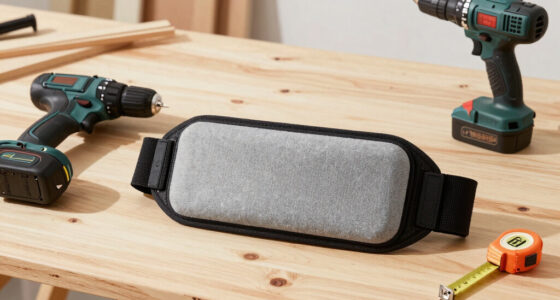
adjustable tool belt for electricians
As an affiliate, we earn on qualifying purchases.
As an affiliate, we earn on qualifying purchases.
Comfort and fit: Why it matters more than you think
A poorly fitting tool setup can turn a long day into a pain fest. Tool belts wrap around your waist, putting weight directly on your hips. If overloaded or poorly fitted, they can cause discomfort or back pain, especially if you’re moving around a lot or working for extended hours. This can lead to fatigue, reduced productivity, and even long-term musculoskeletal issues.
Vests distribute weight across your shoulders and chest, reducing localized strain. Proper fit involves more than just size; adjustable straps, padded sections, and breathable fabrics are vital. For example, a carpenter working 10 hours a day found a vest with padded shoulders much easier on his back than a traditional belt. The ergonomic design minimizes pressure points and allows for better movement, which is essential for maintaining stamina and safety. Investing in well-fitting gear isn’t just about comfort—it directly impacts your ability to work longer, safer, and more efficiently.
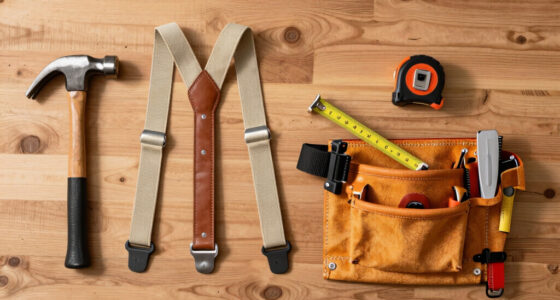
heavy-duty tool vest with multiple pockets
As an affiliate, we earn on qualifying purchases.
As an affiliate, we earn on qualifying purchases.
Storage and organization: More tools, less hassle
Imagine needing a screwdriver in a flash. A tool belt offers quick access with its pouches and loops — perfect for carrying your essentials. But its storage is limited to what fits around your waist, which can restrict how many tools or types of tools you carry.
Vests, meanwhile, come with multiple pockets, compartments, and even specialized holders. They allow for more detailed organization, which can significantly boost productivity. For example, a painter might keep brushes, tape, and small tools in dedicated pockets, reducing time searching and minimizing work interruptions. This detailed organization means less frustration and more focus on the task at hand. Proper storage isn’t just about convenience; it’s a strategic choice that can reduce the risk of dropping tools, losing small parts, or wasting time looking for the right item. The right setup can make your workflow smoother, safer, and more efficient.
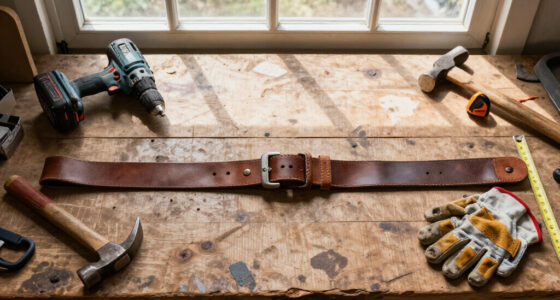
lightweight tool belt for carpentry
As an affiliate, we earn on qualifying purchases.
As an affiliate, we earn on qualifying purchases.
Mobility and accessibility—what really matters
Need quick tool access? Both gear types let you grab what you need, but how they do it impacts your movement. Tool belts keep your tools within arm’s reach at your waist, which is ideal for tasks that require frequent bending or reaching down. However, overloading can restrict movement or cause imbalance.
Vests, worn over clothing, offer easier access to a broader range of tools, especially when working at heights or on ladders. A roofer, for example, can reach tools from their vest pockets without bending over or twisting, maintaining better posture and safety. This flexibility reduces delays caused by searching or bending, and can prevent accidents. The key is understanding how each system affects your mobility—if your work involves lots of climbing or overhead work, a vest’s accessibility can be a game-changer. Selecting gear that enhances your agility directly contributes to safety and efficiency.
Weight distribution and fatigue: Why it pays to be smart
Carrying tools all day takes a toll. Tool belts put weight on your hips, which can cause fatigue, back pain, and joint stress after hours. Overloading or poor fit worsens this, potentially leading to long-term musculoskeletal issues. This can reduce your stamina and increase the risk of injury.
Vests, on the other hand, spread the load across your shoulders and chest, often reducing fatigue by up to 30%, according to recent ergonomic studies. Proper weight distribution minimizes strain on any single part of your body, enabling you to work longer hours with less discomfort. For instance, a plumber on a 12-hour shift found that a well-fitted vest kept him feeling less sore than a waist belt. This balance not only improves comfort but also enhances safety by reducing fatigue-related mistakes. Investing in gear that promotes better weight distribution is a smart move for durability, safety, and overall work endurance.
Materials and durability: What lasts through rough jobs?
Durability is non-negotiable. Leather, nylon, and heavy-duty canvas are common. Leather offers unbeatable toughness and ages well, developing a patina that adds to its character. It withstands abrasions, tears, and harsh conditions, making it ideal for rugged environments. Nylon and canvas are lighter, more breathable, and resist moisture better, which can be advantageous in wet or muddy conditions. Modern fabrics often incorporate reinforced seams and rust-resistant hardware, extending their lifespan and maintaining functionality over time. For example, a construction worker appreciated a nylon vest that dried quickly after rain, unlike leather that soaked up water and took longer to dry. Choosing high-quality, durable materials reduces replacement costs, keeps tools safe, and ensures your gear remains reliable through the toughest jobs. The tradeoff often involves balancing weight and flexibility with toughness—knowing which is more critical for your work helps in making the best choice.
Adjustability and ergonomic features: The small details that matter
Look for adjustable straps, padded sections, and ergonomic designs. These features ensure a snug fit, which reduces strain and prevents chafing during long hours of work. Proper adjustability allows you to customize the gear for your body shape and workload, preventing unnecessary pressure points that can lead to soreness or injury.
A worker who switched to a vest with adjustable shoulder straps reported less fatigue after a full day. Modular attachments and quick-release buckles add convenience, making it easier to adapt the gear for different tasks or personal preferences. Investing in gear with these features means your equipment works with your body, not against it, promoting better posture, reducing fatigue, and increasing safety. The small details—like padding, fit, and ergonomic design—can have a significant impact on your overall comfort and performance over time.
Latest trends: What’s new in tool-carrying gear?
Designers focus on reducing fatigue and increasing versatility. Ergonomic straps, lightweight fabrics, and modular systems now dominate the market, allowing users to adapt their gear to specific tasks or preferences. Hybrid options that combine vest and belt features are becoming popular, offering the advantages of both—such as quick access and distributed weight.
Modern innovations include pockets designed for smartphones or tablets, integrated tracking devices, and even modular attachments that can be added or removed as needed. For example, a tech-savvy electrician uses a vest with built-in pockets for his tablet and smartphone, keeping everything close at hand and reducing search time. These advancements not only improve safety and efficiency but also enhance comfort by reducing unnecessary weight and bulk. Staying updated on these trends helps professionals select gear that is both functional today and adaptable for the future.
What features should you really look for?
Prioritize multiple compartments, adjustable straps, breathable fabrics, and modular attachments. Durable hardware, like rust-resistant buckles and reinforced seams, also matter because they directly influence the longevity and safety of your gear.
For example, a carpenter’s vest with multiple small pockets allowed him to organize nails, screws, and tools perfectly, saving him time and reducing frustration. Quality features like reinforced stitching, rust-proof hardware, and modular design ensure your gear can withstand daily wear and tear while remaining functional. Remember, gear that fits well and is suited to your specific tasks reduces fatigue and enhances safety. Investing in high-quality, feature-rich gear might cost more upfront but pays off through durability, comfort, and efficiency in the long run.
Frequently Asked Questions
Which is better— a tool vest or a tool belt?
It depends on your work. Vests are better for carrying a variety of tools, especially at heights or in tight spaces. Belts are ideal for quick access and lighter loads. Think about your environment and what feels most comfortable.
Can I wear a vest and belt together?
Generally, it’s unnecessary and might be uncomfortable. Pick one based on your typical workload and mobility needs. Using one well-fitted system usually works best and keeps things simple.
What materials are best for durability?
Leather offers unmatched toughness and ages well, but nylon and canvas are lighter and resist water better. Modern fabrics with reinforced seams and rust-resistant hardware balance durability and comfort. Choose based on your work conditions and personal preference.
How do I find the right fit?
Look for adjustable straps, padded sections, and ergonomic designs. Try different options to see what feels best after a full day. Proper fit prevents fatigue and injuries.
Are safety considerations different for vests and belts?
Yes. Overloading either system can cause strain, but vests often distribute weight more evenly, reducing fatigue. Always prioritize gear that fits well and doesn’t hinder movement or safety.
Conclusion
Picking the right gear isn’t just about comfort. It’s about working smarter, safer, and longer. Whether you prefer the mobility of a vest or the quick access of a belt, your choice impacts every part of your day.
Stay mindful of your environment, your tools, and your body. The right tool-carrying gear makes all the difference—so choose wisely, and keep moving forward with confidence.
Halloween Picks
halloween
As an affiliate, we earn on qualifying purchases.