TL;DR

Get business pricing on tools and workshop supplies
- Business-only prices and quantity discounts
- Tax-exempt purchasing
- Multiple users, one account, clear invoices
A good drywaller tool belt combines comfort, durability, and organization. Choosing the right one can save time, reduce fatigue, and improve safety on the job site.
Imagine this: you’re hanging drywall, tape and mud ready at hand, but your tool belt keeps slipping or your essential screwgun is buried under a pile of other tools. Frustrating, right? The right tool belt isn’t just a bag—it’s part of your work armor. It keeps your tools within reach, your back pain at bay, and your day running smoothly.
In this guide, you’ll learn what makes a tool belt work for drywallers. From materials and fit to organization tricks, you’ll get a clear picture of what to look for. Whether you’re a seasoned pro or just starting out, these essentials will help you pick the gear that lasts and keeps you efficient.
Prioritize comfort and fit—an adjustable, padded belt reduces fatigue and back pain.
Organization matters—use specific pockets for each tool to save time and avoid drops.
Choose durable materials like leather for longevity, or lightweight options like nylon for comfort.
Maintain your belt regularly—clean, inspect, and repair to extend its lifespan.
Stay updated on new tech and eco-friendly belts to enhance efficiency and sustainability.
How to Pick a Comfortable, Durable Drywaller Tool Belt
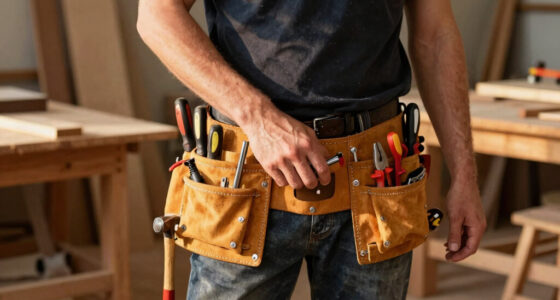
The best tool belt feels like an extension of your body. It doesn’t pinch, slip, or cause fatigue. Why does this matter? Because discomfort and poor fit can lead to fatigue, slower work, or even injury over time. Adjustable straps and padded waistbands help distribute weight evenly, reducing pressure points that cause soreness, especially in the hips and lower back. Reinforced stitching and sturdy hardware aren’t just about durability—they ensure the belt maintains its shape and support through daily wear, preventing unexpected failures that could cause accidents or damage your tools. Think of it as an investment: a well-made belt minimizes downtime and replacement costs. For example, a belt with padded suspenders helps spread weight across your shoulders, alleviating strain on your hips and back, which is crucial during long workdays. Choosing durable, high-quality materials like full-grain leather or heavy-duty nylon ensures your belt withstands the dust, moisture, and frequent use typical on drywall sites. This durability directly impacts your safety and efficiency—an inexpensive, flimsy belt might fail when you need it most, risking injury or tool loss. Real-world tip: A drywall pro I know switched to a leather belt with padded suspenders. His back feels better, and his tools stay put even when crawling into tight spaces, proving that comfort and durability go hand in hand for sustained productivity.
drywall tool belt with adjustable straps
As an affiliate, we earn on qualifying purchases.
As an affiliate, we earn on qualifying purchases.
The Pockets, Loops, and Compartments Every Drywaller Needs
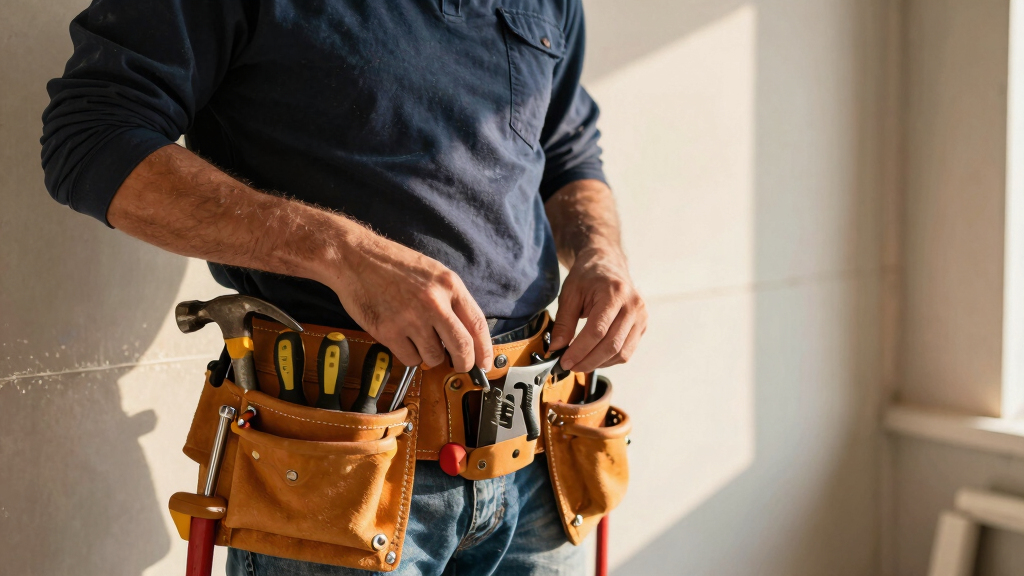
Effective organization in your tool belt isn’t just about convenience; it’s about efficiency and safety. When your tools are arranged thoughtfully, you reduce the time spent searching and minimize the risk of dropping or losing items mid-job, which can cause delays or safety hazards. Why does this matter? Because in drywall work, speed is essential, and misplaced tools can lead to unnecessary movement, fatigue, or even accidents. Proper placement of tools ensures quick access: screwdrivers and bits should be in front pouches or side loops for easy reach, so you can swiftly swap or retrieve them without fumbling. Securing the utility knife in a pocket with a flap prevents accidental cuts, which is critical when working in tight spaces or on ladders. Tape measures placed in large loops or clips keep them accessible and prevent swinging, which can cause distraction or injury. Pencil pockets should be small but easily reachable, allowing quick markings without fuss. Having dedicated spots for each tool means less time searching and more focus on your work, leading to increased productivity. Additionally, organized belts reduce the likelihood of dropping tools from heights or into awkward positions—saving time and preventing accidents. In essence, a well-organized belt transforms your workflow from reactive to proactive, making your day smoother and safer.
leather drywall tool belt with multiple pockets
As an affiliate, we earn on qualifying purchases.
As an affiliate, we earn on qualifying purchases.
Understanding Material Choices: Leather, Nylon, or Canvas?
The material of your tool belt influences its performance, longevity, and comfort. Leather is known for its toughness and resistance to tears and abrasions, making it ideal for demanding drywall environments where gear takes a beating. Its longevity means fewer replacements, which saves money in the long run, and its professional appearance can boost your confidence on-site. However, leather belts tend to be heavier and can stiffen over time, potentially causing discomfort if not properly cared for. Nylon and canvas are lighter and more breathable, reducing sweat buildup during hot days—an important factor when working in humid or poorly ventilated spaces. Their flexibility allows for easier movement, but they may wear out faster or fray after extensive use, especially in rough conditions. Choosing between these materials involves weighing durability against comfort. For example, a drywall professional working on a project with frequent tool exchanges and high dust exposure might prefer a leather belt for its toughness and longevity. Conversely, a worker prioritizing comfort during long days might opt for nylon or canvas, accepting that they may need to replace the belt more often. The tradeoff is clear: leather offers extended durability at the cost of weight and stiffness, while lighter materials improve comfort but may require more frequent replacement. Understanding these tradeoffs helps you select a belt that aligns with your work conditions and personal preferences, ensuring you get the best value and performance over time.
ergonomic drywall tool belt with suspenders
As an affiliate, we earn on qualifying purchases.
As an affiliate, we earn on qualifying purchases.
How to Adjust and Maintain Your Tool Belt for Long-Term Use
Proper adjustment and maintenance are vital to extend the lifespan of your tool belt and ensure it continues to support your work effectively. An ill-fitting belt can cause discomfort, reduce mobility, and increase fatigue—leading to slower work and potential injury. Why does fit matter? Because a snug, well-adjusted belt distributes weight evenly across your hips and waist, preventing pressure points that cause soreness. Many belts feature Velcro or buckle systems—testing these before work helps find the perfect balance between security and comfort. Maintenance isn’t just about keeping your belt clean; it’s about preserving its supportive features. Wiping it with a damp cloth after each use removes dust and debris, which can degrade materials over time. For leather belts, occasional conditioning keeps the leather supple and resistant to cracking, especially in dry environments. Regularly inspecting stitching, rivets, and hardware for signs of wear or rust is critical—small repairs now prevent larger failures later. For example, a drywall pro I know keeps a small toolkit with patches for rivets or worn-out buckles, so he can quickly fix issues on-site, avoiding delays. Proper adjustment and routine maintenance ensure your belt remains comfortable, supportive, and safe throughout its service life, ultimately saving you money and hassle.
lightweight nylon drywall tool belt
As an affiliate, we earn on qualifying purchases.
As an affiliate, we earn on qualifying purchases.
Latest Trends: Smart and Eco-Friendly Tool Belts
Technological advancements and environmental concerns are shaping innovative options for drywallers. Smart belts equipped with RFID tags enable you to track your tools digitally, reducing the time spent searching for misplaced items and preventing loss. Built-in charging ports for power tools mean your batteries stay topped up without additional bags or cords—saving time and reducing clutter. Why does this matter? Because lost tools and dead batteries can cause significant delays and frustration on site. Eco-friendly belts, made from recycled or sustainable materials, offer a greener alternative. While they might cost a bit more upfront, they often feature longer-lasting durability and reduce your overall carbon footprint. For instance, some models incorporate solar panels on the belt’s surface, harnessing sunlight to charge batteries—perfect for long days without access to power outlets. These innovations are designed to streamline your workflow, improve organization, and align with sustainable practices, ultimately making your work more efficient and environmentally conscious. Embracing these trends can give you a competitive edge and contribute to a greener industry.
Final Tips: Pick a Belt That Works as Hard as You Do
Prioritizing comfort, durability, and organization over flashy features ensures your tool belt enhances your workday rather than complicates it. A belt that fits well and feels sturdy becomes a trusted companion, supporting your efforts through long hours and tough conditions. Why does this matter? Because a poorly fitting or flimsy belt can cause discomfort, slow you down, and even lead to injuries. Trying different options—if possible—helps you find the perfect fit, as personal preference and body type vary. Remember, a high-quality belt isn’t just a holder for tools; it’s an extension of your work ethic. Investing in a well-made, reliable belt pays off by lasting through multiple projects, reducing downtime, and keeping you safer. The right belt can improve your efficiency, reduce fatigue, and make your workday smoother. When your gear works with you, not against you, every task becomes easier and safer, ultimately boosting your productivity and job satisfaction.
Frequently Asked Questions
How do I know if my tool belt fits properly?
It should sit snug around your waist without pinching or slipping. Adjust straps so the belt stays in place when you move, and ensure it distributes weight evenly across your hips. You shouldn’t feel pain or pressure after a full day.
Can I use a regular work belt for drywalling?
While a regular work belt might hold some tools, drywallers need multiple compartments and specialized pockets for small tools. A dedicated drywall tool belt offers better organization and comfort for the specific demands of hanging drywall.
What’s the best way to clean my leather tool belt?
Wipe it with a damp cloth after each use. For deep cleaning, use a leather conditioner to keep it supple. Avoid soaking it or using harsh chemicals—these can damage the material and shorten its lifespan.
How often should I replace my tool belt?
Inspect it monthly. Signs of wear, frayed stitching, or rusted hardware mean it’s time for a new one. Investing in a quality belt upfront reduces replacements and keeps you safer on the job.
Conclusion
Your tool belt is your silent partner on every drywall job. Pick one that fits well, feels tough, and keeps your tools at your fingertips. When your gear works with you, not against you, every day gets a little easier.
Remember, a quality tool belt isn’t just about holding tools—it’s about holding up your day. Invest wisely, and you’ll work smarter, safer, and more comfortably for years to come.
Columbus Day / Indigenous Peoples' Day Picks
long weekend sales
As an affiliate, we earn on qualifying purchases.