TL;DR

Get business pricing on tools and workshop supplies
- Business-only prices and quantity discounts
- Tax-exempt purchasing
- Multiple users, one account, clear invoices
A sagging tool belt wastes energy and causes discomfort. Proper fit, durable materials, smart organization, and added support features keep it firm and functional, even with heavy loads.
Ever had your tool belt slip down just when you’re mid-swing? It’s annoying — and it slows you down. Sagging belts aren’t just uncomfortable; they can cause fatigue and even risk dropping tools on the job. You’re about to learn simple, real-world tricks to keep your belt snug, supportive, and ready for the day’s work.
This isn’t about fancy gadgets or overcomplicated fixes. It’s about practical steps you can take today to extend your belt’s life and boost your comfort. Whether you’re a seasoned pro or just starting out, these tips will help you stay focused on the task, not your gear.
Select a high-quality leather or reinforced nylon belt for long-lasting shape retention.
Ensure your belt fits snugly but comfortably; adjust often as your body shifts.
Distribute heavier tools close to your body to keep the belt balanced.
Add suspenders for extra support when carrying heavy loads.
Regularly clean and inspect your belt to prevent wear from causing sagging.
Choose the Right Material for Lasting Support
The foundation of a sag-resistant tool belt is material quality. Leather, especially heavy-duty full-grain options, naturally holds its shape better over time. It’s thick, textured, and ages like a fine wine, developing character without losing support. Synthetic options like high-grade nylon are lighter and resist water, but they can stretch or warp faster if low quality.
Picture this: You’re lugging a full set of heavy screwdrivers, pliers, and a cordless drill. A leather belt will flex slightly but return to shape, while a cheaper nylon might sag into a puddle of loose fabric. According to BestBeltShop, a leather belt cared for with occasional conditioning lasts 3-5 years, maintaining its support through constant use.
Choosing the right material impacts your workload because it determines how well your belt maintains its shape under stress. A flexible but sturdy material reduces the need for frequent replacements and prevents sagging that can cause imbalance, which in turn affects your safety and efficiency. The tradeoff is often weight; leather tends to be heavier but more durable, while nylon is lighter but may require more frequent replacement or reinforcement.
As an affiliate, we earn on qualifying purchases.
Get the Fit Right — No Too Tight, No Too Loose
A tool belt that fits just right distributes weight evenly, preventing sag and strain. Too tight, and it’s uncomfortable; too loose, and it swings and sags under heavy loads. Measure your waist or hips accurately, aiming for a snug fit that still allows movement. Many belts come with adjustable straps — use them.
Imagine tightening your belt until it’s almost cutting into your skin — that’s too tight. Instead, tighten it enough so it stays in place, but still feels comfortable. A well-fitted belt is the first step toward avoiding sagging.
Proper fit isn’t just about comfort—it directly impacts how your weight is distributed. An ill-fitting belt can cause uneven pressure points, leading to discomfort and uneven load distribution, which accelerates sagging. Adjustments should be made as your body shifts during the day due to heat or activity, as this can loosen the fit. Using suspenders in conjunction with a correct fit can help distribute weight more evenly, reducing the strain on your belt and preventing early sagging.
reinforced nylon tool belt with suspenders
As an affiliate, we earn on qualifying purchases.
As an affiliate, we earn on qualifying purchases.
Organize Your Tools to Keep Load Balanced
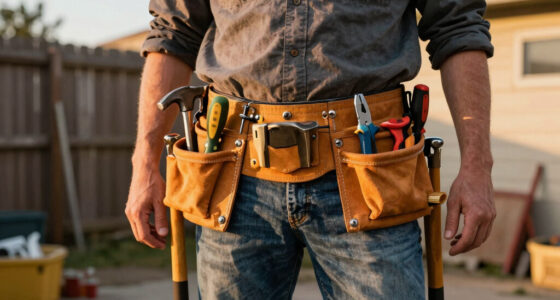
Heavy tools on one side make your belt droop faster. Spread out the weight evenly by placing heavier tools closer to your body and lighter items further out. Use modular pouches and tool holders to customize your setup. This not only prevents sagging but also speeds up your work.
Think of it like packing a backpack: heavy items go against your back, light ones on the outside. The same rule applies to your belt.
However, this isn’t just about convenience. Proper organization influences the overall load distribution, which affects how your belt bears weight over time. When heavy tools are concentrated in one area, they create uneven pressure points that cause the belt to sag prematurely, especially if the material isn’t supportive enough. By thoughtfully placing heavier tools near your center of gravity, you reduce the strain and improve posture, which can decrease fatigue and prolong belt life. The tradeoff is initial time spent organizing, but the long-term benefits include increased comfort and durability of your gear.
adjustable work belt for heavy tools
As an affiliate, we earn on qualifying purchases.
As an affiliate, we earn on qualifying purchases.
Support with Suspenders and Reinforced Belts
Suspenders aren’t just for fashion — they’re game-changers for preventing sagging. Attach sturdy suspenders to your belt, and they share the weight load across your shoulders and hips. This takes pressure off the belt itself, keeping it tight and upright all day.
Picture a carpenter hauling a load of heavy tools. Without suspenders, the belt sags, forcing him to constantly readjust. With suspenders, the weight is evenly distributed, and the belt stays in place.
Choosing belts with reinforced stitching and padded support isn’t just about durability; it directly affects how well the belt resists deformation from heavy loads. Reinforced belts distribute stress more evenly, reducing the likelihood of stretching or warping that causes sagging. Padded supports also add comfort, preventing pressure points that could lead to discomfort or improper load distribution. The tradeoff involves additional weight and sometimes increased cost, but the payoff is a more stable, longer-lasting belt that maintains its shape under stress. Properly supported belts can reduce sagging by up to 50%, especially when carrying more than 10 pounds of tools, making your work safer and more comfortable.
As an affiliate, we earn on qualifying purchases.
Maintain and Care for Your Belt Regularly
Keeping your belt in shape is as simple as regular maintenance. Leather belts benefit from occasional cleaning with saddle soap and conditioning with leather oil. This keeps them flexible and prevents cracking. Synthetic belts, on the other hand, should be cleaned with mild soap and checked for stretch or tears.
Imagine a worn-out belt, stiff and cracked, that sags under weight. Regular care prevents this by maintaining the belt’s structural integrity, ensuring it retains its shape and support. Neglecting maintenance accelerates material fatigue, leading to sagging and potential failure. A well-maintained belt also lasts longer, saving you money in the long run because replacement becomes less frequent. Regular inspections allow early detection of issues like frayed stitching or stretched fabric, which can be repaired before they compromise support. The choice of cleaning and conditioning methods matters because improper care can weaken materials or cause deterioration, negating the benefits of your investment. The tradeoff is time spent on upkeep, but the benefit is consistently reliable support and extended belt life.
Compare Support Features — What Works Best?
| Feature | Pros | Cons |
|---|---|---|
| Suspenders | Distributes weight evenly, prevents sagging, increases comfort | Additional gear to wear, can be uncomfortable if poorly fitted |
| Reinforced Belts | Greater durability, maintains shape longer | Heavier, less flexible |
| Ergonomic Design | Padded straps, lumbar support reduce fatigue | Higher cost, weight of support features adds to overall load |
| Proper Organization | Reduces uneven weight, prevents sagging | Requires time to set up initially |
Frequently Asked Questions
How can I prevent my tool belt from sagging when carrying heavy tools?
Use a belt with strong support features like suspenders, distribute heavier tools close to your body, and choose durable materials like leather or reinforced nylon. Proper fit and organization make a big difference.What materials are best for a sag-resistant tool belt?
Leather and high-quality nylon are top choices. Leather offers excellent shape retention and durability, while high-grade nylon is lightweight and water-resistant, but quality matters.Are there specific brands known for preventing sagging?
Brands like Carhartt, Occidental Leather, and Milwaukee are recognized for their sturdy, supportive belts with reinforced features and ergonomic designs.How should I organize my tools to minimize sagging?
Place the heaviest tools near your hips, close to your center of gravity. Use modular pouches to keep weight balanced and avoid piling all heavy tools on one side.Can I modify my existing tool belt to reduce sagging?
Yes. Adding suspenders, replacing worn straps, or reorganizing tools can improve support. Sometimes, simple adjustments make all the difference.Conclusion
Don’t let a sagging tool belt slow you down or cause discomfort. Focus on a good fit, quality materials, smart tool organization, and added support features. These simple steps keep your gear supportive and your workday smooth.
Next time you gear up, remember: a firm belt is a safer, more comfortable belt. Take control of your load, and your belt will do its job — no sagging, no fuss.
Halloween Picks
halloween
As an affiliate, we earn on qualifying purchases.