TL;DR

Get business pricing on tools and workshop supplies
- Business-only prices and quantity discounts
- Tax-exempt purchasing
- Multiple users, one account, clear invoices
The ideal tool belt width for comfort is around 3 inches, balancing support and flexibility. Wider belts distribute weight better but may be bulkier, so consider your body and tools when selecting. Recent designs focus on lightweight, adjustable, and ergonomic features for maximum comfort.
A 3-inch wide belt offers the best support-to-mobility balance for most workers.
Wider belts distribute weight more evenly, reducing fatigue during long shifts.
Materials like breathable nylon and foam padding significantly boost comfort.
Adjustability and ergonomic features—like lumbar support—are game changers.
Test different widths in real work scenarios to find what feels best for your body.
Why Belt Width Matters More Than You Think
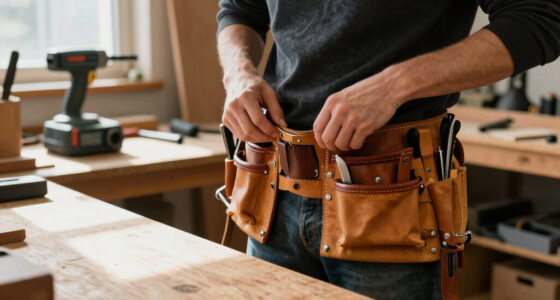
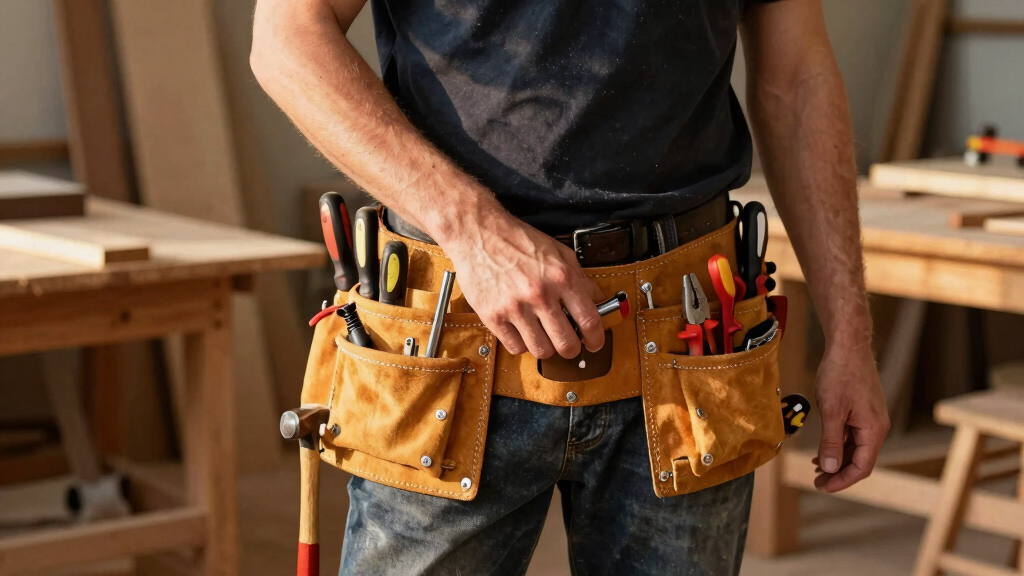
Many assume that all tool belts are roughly the same, but the width can make or break your comfort. A belt that’s too narrow may dig into your hips, concentrating weight and causing soreness. This localized pressure can lead to discomfort, fatigue, and even long-term musculoskeletal issues if worn repeatedly over time. Conversely, a belt that’s too wide might feel bulky or restrict movement, especially in tight workspaces, leading to reduced agility and possible chafing. The ideal width distributes weight across a broader area, reducing pressure points and preventing soreness. However, tradeoffs exist: wider belts can be heavier and less flexible, potentially causing fatigue or restricting movement. Therefore, selecting a belt with the right width involves balancing support with mobility, considering the nature of your work, the weight of your tools, and your body’s contours. For example, a carpenter with heavy power tools benefits from a wider, padded belt to evenly spread the load, whereas a drywall taper with lighter hand tools might prefer a narrower, more flexible model for ease of movement. Understanding these nuances helps prevent discomfort and enhances productivity over long workdays.
3 inch tool belt for all-day comfort
As an affiliate, we earn on qualifying purchases.
As an affiliate, we earn on qualifying purchases.
What Is the Ideal Width for All-Day Comfort?
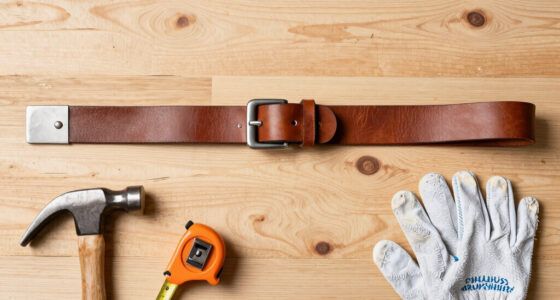
The consensus among experts points to around 3 inches as the optimal width for most trades. This size strikes a critical balance: it provides enough support to distribute weight evenly, which reduces pressure points that can cause soreness or fatigue, and it maintains enough flexibility for dynamic movement. If the belt is too narrow, it won’t provide sufficient support, resulting in increased strain on your hips and lower back over time. Conversely, a belt that’s too wide, such as 4 inches or more, can become cumbersome, restrict movement, and cause chafing, especially in tight spaces or during quick motions. For those carrying heavier tools or working extended hours, a slightly wider belt—around 3.5 inches—can add lumbar support, helping to prevent back strain and reduce fatigue. For lighter loads or tasks requiring agility, a narrower belt—around 2.5 inches—may suffice, offering less bulk and more freedom of movement. Think of choosing the right belt width like selecting the proper footwear: too narrow causes pinching and discomfort, while too wide can destabilize your footing. The goal is to find a size that supports your body’s natural movements and workload, minimizing fatigue and soreness, so you can work efficiently and comfortably all day long.
ergonomic tool belt with adjustable width
As an affiliate, we earn on qualifying purchases.
As an affiliate, we earn on qualifying purchases.
How to Pick the Right Width for Your Body and Job
- Measure your waist and hips accurately. Use a flexible tape measure around your waist where the belt sits, ensuring it’s snug but not tight. This measurement helps you select a belt that fits securely without cutting into your flesh or causing circulation issues, which is crucial for comfort during long hours.
- Assess your typical load. Heavier tools and multiple pouches increase the support needed. A wider belt helps distribute this weight evenly across your hips and lower back, reducing localized pressure that can lead to soreness and fatigue. Ignoring this can cause discomfort and even injury over time.
- Try different widths in store or on a trial basis. Physically feeling how each belt distributes weight and moves with your body reveals which provides the best comfort and least restriction. Comfort isn’t just about fit; it’s about how well the belt integrates with your movements and workload.
- Consider your work duration. Longer days or physically demanding tasks benefit from wider, padded belts that absorb shock and reduce strain. This extra support can prevent fatigue from building up over hours of continuous work, keeping you energized and reducing the risk of musculoskeletal issues.
- Balance support with mobility. If your work involves quick movements or working in tight spaces, narrower belts may offer better maneuverability. However, ensure they still provide enough support for your tools. Sometimes, a belt with adjustable padding or modular design can offer the best of both worlds, giving you support when needed and flexibility when required.
As an affiliate, we earn on qualifying purchases.
Frequently Asked Questions
Can I wear a wider tool belt if I carry heavy tools every day?
Yes, a wider, padded belt—around 3.5 inches—helps distribute the weight evenly and reduces back strain during long shifts.Is a narrower belt better for quick, light tasks?
Absolutely. For short jobs with minimal tools, a narrower belt around 2.5 inches offers more flexibility and less bulk.How do I know if a belt fits properly?
Your belt should sit snugly without pinching or slipping, with enough room for movement. Adjust straps to feel supported but not restricted.Are adjustable belts worth the extra cost?
Definitely. Adjustable belts let you customize fit for different tasks or body changes, making them more versatile and comfortable.What features should I prioritize for all-day comfort?
Look for padded, breathable materials, wider back panels, and ergonomic features like lumbar support or contoured designs.lightweight tool belt for long shifts
As an affiliate, we earn on qualifying purchases.
As an affiliate, we earn on qualifying purchases.
Conclusion
Your comfort starts with the right belt width—supportive enough to carry tools without pinching or slipping. Think of it like a good pair of shoes: fit matters. Take the time to try different options, and remember, a well-chosen belt keeps you working longer and feeling better at the end of the day.Columbus Day / Indigenous Peoples' Day Picks
long weekend sales
As an affiliate, we earn on qualifying purchases.