TL;DR

Get business pricing on tools and workshop supplies
- Business-only prices and quantity discounts
- Tax-exempt purchasing
- Multiple users, one account, clear invoices
Leather tool belts excel in durability and aesthetics but need maintenance, while nylon belts are lighter, easier to clean, and suited for wet conditions. Your choice hinges on your work style and environment.
Leather belts are known for their longevity and develop character over time, making them a cost-effective option in the long run.
Nylon belts are lighter, easier to clean, and handle moisture better—ideal for outdoor or wet environments.
Proper care extends the life of leather belts; nylon belts require minimal maintenance but can fray if overloaded.
Hybrid belts combine durability and comfort, offering versatile solutions for many trades.
Your work environment, comfort preference, and budget are the biggest factors in choosing the right material.
Leather vs Nylon Tool Belts Compared
TL;DR: Leather tool belts excel in durability and aesthetics but need maintenance. Nylon belts are lighter, easier to clean, and better suited for wet conditions. The right pick comes down to work style, environment, comfort, and budget.
High-quality leather can last a decade or more with regular conditioning and dry storage.
Nylon reduces fatigue, wipes clean fast, and handles rain, mud, and outdoor work better.
Newer designs combine leather reinforcement with nylon comfort and modular pouch systems.
Built for heavy loads and long service life.
Resists moisture and dries faster after rain.
Usually needs only mild soap and a wipe down.
Higher upfront cost can pay off over years.
Material Personalities
Leather and nylon solve different jobsite problems. Leather rewards patience and maintenance with longevity and character. Nylon wins on immediate comfort, easy cleaning, and damp-weather practicality.
Leather
Stiff at first, then molded to your body over time. It develops a patina and can handle demanding daily work when cared for properly.
- Strong long-term durability
- Professional, aged-in appearance
- Needs conditioning and dry storage
Nylon
Flexible right away, easier on the waist, and simple to clean after muddy or wet jobs. Reinforced versions perform best under heavy loads.
- Immediate comfort with little break-in
- Better for rain, mud, and moisture
- Can fray when overloaded or cheaply made
Hybrid
Hybrid belts pair tough leather stress points with nylon bodies, padded straps, modular pouches, and quick-release hardware.
- Good comfort-to-durability balance
- Useful for mixed trade environments
- Often costs more than basic nylon
Side-by-Side Showdown
Use this comparison as the fast filter: leather favors lifespan and load-bearing confidence, while nylon favors lightness, moisture resistance, and low maintenance.
| Feature | Leather | Nylon | Readout |
|---|---|---|---|
| Durability | ✓ Can last decades, ages well, and molds to the user with proper care. | ~ Tear-resistant at first but may fray or weaken with heavy use. | Leather leads for long-term heavy-duty use. |
| Weight | ~ Heavier and more fatigue-prone over long days. | ✓ Lightweight, flexible, and easier to wear for extended periods. | Nylon leads for all-day comfort. |
| Cost | ~ Higher upfront price but strong long-term value. | ✓ More affordable initially and easier for budget buyers. | Nylon wins upfront; leather can win over time. |
| Maintenance | ✗ Requires conditioning, cleaning, and careful storage. | ✓ Wipes clean quickly and needs minimal upkeep. | Nylon is simpler to maintain. |
| Appearance | ✓ Develops a rich patina and professional character. | ~ Practical, sporty, and available in many colors. | Leather wins for traditional aesthetics. |
| Weather | ✗ Can absorb moisture and crack if neglected. | ✓ Resists rain and mud better out of the box. | Nylon is the better wet-condition choice. |
Performance Snapshot
These qualitative scores translate the buying decision into practical jobsite traits: lifespan, comfort, cleaning effort, moisture handling, and upfront affordability.
Leather Scorecard
Best where heavy use, longevity, and professional appearance matter more than weight and maintenance.
Nylon Scorecard
Best where quick comfort, damp conditions, low cleaning effort, and lower upfront cost matter most.
Break-In Spectrum
Nylon feels comfortable almost immediately. Leather starts stiffer but becomes more personalized as it molds to the wearer.
Choice Flow
Start with your work environment, then filter by comfort, load, maintenance tolerance, and budget. The best belt is the one that matches your actual workday.
Environment
Wet outdoor work points toward nylon; dry heavy-duty work favors leather.
Load
Heavy tool setups benefit from leather or reinforced hybrid construction.
Comfort
For instant flexibility and lighter carry, nylon has the edge.
Care
Choose leather if you will condition it; choose nylon for low upkeep.
Budget
Nylon costs less upfront; leather can be cheaper over years of use.
You want a long-term tool partner.
Go leather for demanding daily use, heavy loads, classic appearance, and a belt that develops a custom fit and visible character over time.
You need light, clean, wet-ready gear.
Go nylon for landscaping, maintenance, outdoor work, rainy conditions, and anyone who wants a comfortable belt without a break-in period.
Frequently Asked Questions
Fast answers for the questions buyers usually ask before choosing between leather and nylon tool belts.
Is leather more durable than nylon?
Yes. Leather generally lasts longer with proper care and can exceed 10 years of heavy use, while nylon may need replacement sooner if it frays.
Are leather belts worth the extra cost?
For tradespeople who need years of heavy-duty service and a professional look, leather can be a smart long-run investment.
Which is better outdoors?
Nylon is usually better outdoors because it dries faster and resists water absorption better than untreated leather.
Can both types be customized?
Yes. Both leather and nylon belts can support pouches, holders, suspenders, modular accessories, and trade-specific setups.
Bottom Line
Leather offers unmatched durability and a professional look if you are ready to care for it. Nylon provides quick comfort and better resilience in damp conditions. Whichever you pick, buy quality construction, reinforced stress points, and a fit you can wear all day.
What Makes Leather Tool Belts Stand Out?
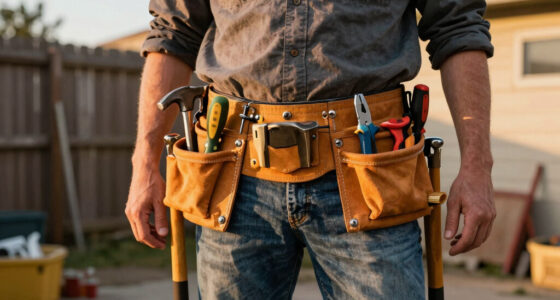
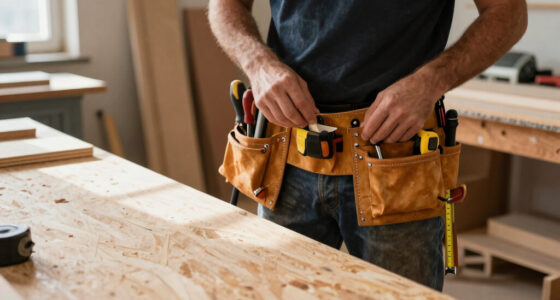
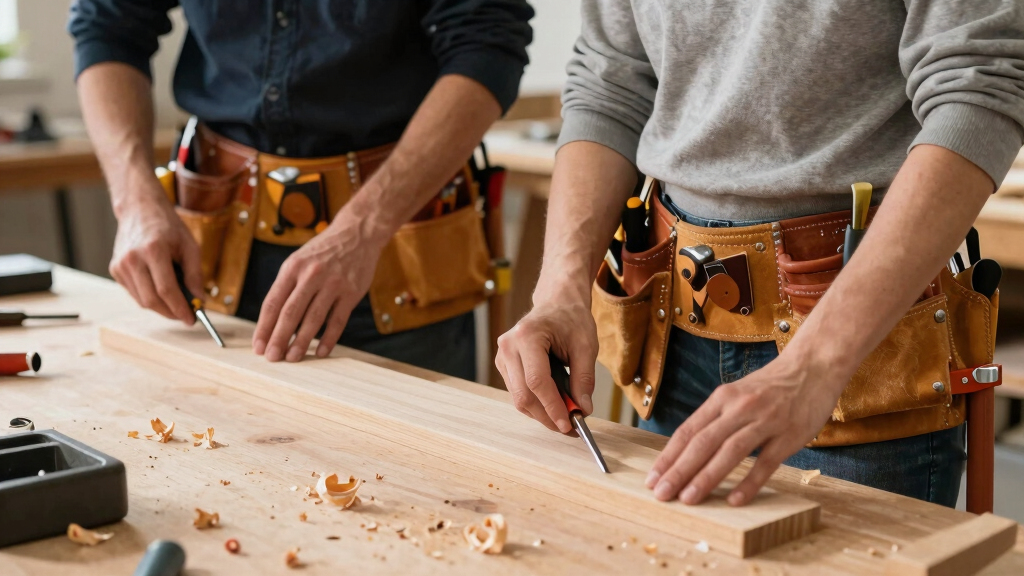
Leather belts are the classic choice for tradespeople who want durability and a professional look. They develop a rich patina over time, showing the wear of hard work. Imagine a seasoned carpenter’s belt that’s molded perfectly to their waist, tough as nails but still flexible after years of use. High-quality leather can last decades if cared for, making it a smart investment for long-term durability.
However, initial stiffness might slow you down. Expect a break-in period where the belt molds to your body, much like a well-worn pair of boots. Plus, leather needs some TLC—conditioning and keeping it dry prolongs its life and keeps it looking sharp.
**Practical takeaway:** If you want a belt that ages well and becomes uniquely yours, invest in quality leather and allocate time for regular maintenance. For daily demanding work, this can pay off by reducing replacement costs over time.
leather tool belt with adjustable straps
As an affiliate, we earn on qualifying purchases.
As an affiliate, we earn on qualifying purchases.
Why Nylon Tool Belts Are the Lighter, Easier Choice
Nylon belts are the lightweight champs in the tool belt world. They’re soft, flexible, and sit comfortably right out of the box. Picture a landscaper carrying their trimmer and tools on a belt that feels like a second skin—no stiff leather, just quick adjustments and instant comfort.
They’re also easier to clean—just wipe or rinse when muddy or wet. If rain or moisture is part of your daily grind, nylon shrugs off water better than leather, which can soak up moisture and take longer to dry. This quick-drying feature helps prevent the growth of mold or mildew, which can compromise the belt’s integrity and hygiene over time.
**Practical takeaway:** For outdoor workers or those working in wet environments, choosing nylon can save time on maintenance and reduce discomfort. Ensure you select a reinforced, quality nylon belt to withstand heavy use and avoid early fraying.
As an affiliate, we earn on qualifying purchases.
Leather vs Nylon: The Side-by-Side Showdown
| Feature | Leather | Nylon |
|---|---|---|
| Durability | Lasts decades, ages well, and can mold over time to fit the user, which enhances comfort and longevity. Its natural strength makes it resistant to tearing when properly cared for. | Resistant to tearing initially, but can fray or weaken with prolonged heavy use or poor quality materials. It often requires reinforcement in high-stress areas to match leather’s longevity. |
| Weight | Heavier, which can cause fatigue over long workdays, but this weight also signals robustness and quality. | Lightweight, reducing fatigue and making it easier to wear for extended periods, but sometimes at the expense of durability. |
| Cost | Higher upfront cost, but the long lifespan and aging process can make it more cost-effective over time. | More affordable initially, making it accessible for budget-conscious buyers, but may need replacing sooner depending on use. |
| Maintenance | Requires regular conditioning and proper storage to prevent cracking, stiffening, and drying out. Neglecting maintenance shortens its lifespan and aesthetic appeal. | Easy to wipe clean; however, prolonged exposure to moisture without proper drying can weaken the fibers, leading to tears or mold. Maintenance is minimal but essential for longevity. |
| Appearance | Develops a rich patina that signifies age and experience; ages gracefully, maintaining a professional look that improves with time. | Available in various colors and styles, with a more utilitarian or sporty look. It maintains a newer appearance longer but doesn’t develop the same patina as leather. |
| Weather Resistance | Susceptible to water damage if not treated; prolonged exposure can cause deterioration, but waterproofing treatments can improve resistance. | Resists rain and mud better out of the box; quick-drying and less prone to damage from moisture, making it ideal for wet conditions. |
**Practical takeaway:** When selecting between leather and nylon, consider your typical work environment and maintenance capacity. If you work in wet or outdoor conditions, nylon’s quick drying and moisture resistance can save time and extend your belt’s life. For demanding tasks with heavy loads and long-term use, investing in leather might be more cost-effective over the years, provided you’re willing to perform regular maintenance.
hybrid tool belt with pouch system
As an affiliate, we earn on qualifying purchases.
As an affiliate, we earn on qualifying purchases.
Frequently Asked Questions
Is leather more durable than nylon?
Yes, leather generally lasts longer, especially with proper care. It can easily exceed 10 years of heavy use, while nylon often needs replacement after a few years or fraying.Are leather tool belts worth the extra cost?
For tradespeople who need a belt that withstands years of heavy use and looks professional, leather is a smart investment. It ages beautifully and can be more cost-effective over time.Which is better for outdoor jobs—leather or nylon?
Nylon is usually better outdoors because it dries faster and resists water absorption. Leather can soak up moisture, which may lead to cracking if not properly maintained.How do I clean and maintain my leather or nylon belt?
Wipe nylon belts with a damp cloth and mild soap. For leather, use a leather conditioner regularly, especially after exposure to moisture or dirt. Proper maintenance prolongs your belt’s life.Can I customize either type with pouches or accessories?
Yes, both leather and nylon belts can be customized with pouches, tool holders, and accessories. Many brands offer modular options to fit your specific needs.As an affiliate, we earn on qualifying purchases.
Conclusion
Choosing the right tool belt starts with understanding your work’s demands. Leather offers unmatched durability and a professional look—if you’re ready to care for it. Nylon provides quick comfort and resilience in damp conditions. Whichever you pick, invest in quality, and your belt will serve you well for years.Fall Picks
fall essentials
As an affiliate, we earn on qualifying purchases.