TL;DR

Get business pricing on tools and workshop supplies
- Business-only prices and quantity discounts
- Tax-exempt purchasing
- Multiple users, one account, clear invoices
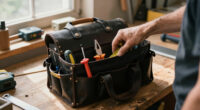
Waterproofing your leather tool belt involves cleaning, choosing the right product, applying in thin coats, and reapplying periodically. Proper care prevents damage and extends its life, making your gear last longer in tough conditions.
Ever pulled your leather tool belt out on a damp morning, only to find it stiff and stained with water? Leather is naturally porous, so moisture seeps in, causing mold, rot, and stiffness over time. Protecting your gear with proper waterproofing can double its lifespan and keep it looking sharp. In this guide, you’ll learn exactly how to waterproof your leather tool belt, what products work best, and simple steps to do it right.
Whether you’re a seasoned tradesperson or a DIY enthusiast, waterproofing isn’t just about avoiding messes. It’s about keeping your gear flexible, durable, and ready for whatever the job throws at it. Let’s get into the nitty-gritty, so your leather stays tough and functional for years to come.
Always start with a clean, dry leather surface before waterproofing.
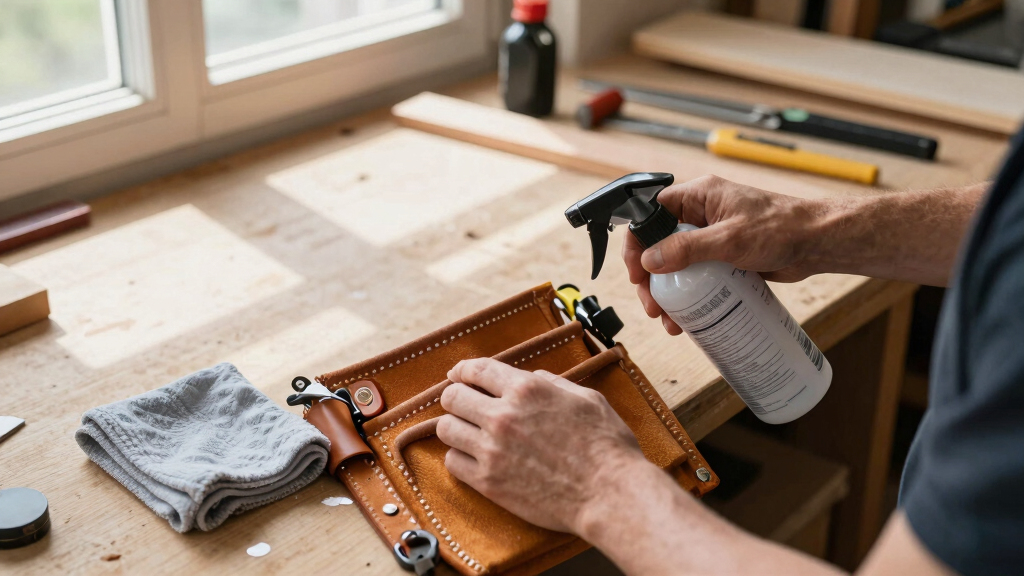
Choose a product suited to your needs—spray for ease, wax for long-term protection.
Apply in thin, even coats and let each dry completely for best results.
Reapply every 3-6 months or after exposure to water or heavy use.
Test products first to prevent darkening or stiffening of leather.
Why waterproofing your leather tool belt matters — and what happens if you skip it
Leather absorbs moisture like a sponge, especially when exposed to rain, dew, or sweat. Without protection, moisture can cause permanent damage—stiffness, cracking, or mold. Waterproofing creates a barrier, so water beads up and rolls off instead of soaking in. A well-waterproofed belt stays soft, flexible, and resistant to everyday messes.
Imagine working on a foggy morning, your belt brushing against wet wood or damp tools. If it’s not waterproofed, that moisture seeps in, weakening the fibers. Over time, that small leak turns into cracks and tears. Proper waterproofing can prevent that, saving you money and hassle. It’s a tradeoff: sacrificing a bit of initial effort for long-term durability, but missing it can lead to costly repairs or replacement, especially if mold or rot sets in. The right waterproofing helps maintain the natural flexibility and comfort of leather, which can be compromised if it’s left unprotected and exposed to moisture repeatedly.
leather waterproofing spray for tool belts
As an affiliate, we earn on qualifying purchases.
As an affiliate, we earn on qualifying purchases.
The best waterproofing products for leather — pros and cons
| Product Type | Pros | Cons |
|---|---|---|
| Silicone-based sprays | Easy to apply, quick-drying, effective water resistance | Can stiffen leather if overused, may alter appearance |
| Beeswax or wax-based conditioners | Deep nourishment, long-lasting protection, keeps leather soft | Requires buffing, can darken leather |
| Leather creams or oils (lanolin, mink oil) | Hydrates leather, adds flexibility | Less water-resistant, needs frequent reapplication |
Choosing the right product depends on your needs. For quick, effective water resistance, sprays work well. They form an initial barrier that prevents immediate water penetration, which is crucial for work environments where quick protection is needed. Wax-based products, on the other hand, penetrate deeper, nourishing the leather from within and creating a more resilient, flexible barrier. However, they require more effort to apply properly, including buffing and reapplication, which can be a tradeoff if you need fast results. Often, combining a spray for quick coverage with a wax for long-term protection offers the best balance—providing immediate defense and maintaining leather’s suppleness over time.
As an affiliate, we earn on qualifying purchases.
Step-by-step: How to waterproof your leather tool belt in 5 easy steps
- Clean the belt thoroughly with a damp cloth to remove dirt, oil, and dust. Let it dry completely—this is crucial for proper absorption. Dirt and oils can create barriers that prevent the waterproofing product from penetrating evenly, reducing its effectiveness. Ensuring a clean surface allows the product to bond properly to the leather fibers, ensuring better water resistance and longevity.
- Select your waterproofing product—be it spray, wax, or oil. Consider your specific needs: if you require quick protection, a spray might suffice; for ongoing maintenance, waxes or oils could be better. The choice impacts how well and how long your belt stays protected, so pick accordingly.
- Apply in thin, even coats, starting at one end and working your way around. Use a soft cloth or sponge for waxes, spray for liquids. Applying thin coats ensures even coverage without clogging pores or creating stiff spots. Multiple light coats allow each layer to penetrate and set properly, forming a more effective barrier than a single heavy application, which can lead to stiffening or uneven coverage.
- Allow each coat to dry fully—usually 15-30 minutes—before applying the next. Multiple coats build up a more durable, flexible resistance against water. Patience here is key: rushing can cause uneven drying or weak spots, reducing the overall effectiveness of the waterproofing.
- Reapply every 3-6 months, especially after heavy use or exposure to moisture. Regular reapplication maintains a continuous protective layer, especially in harsh conditions. This interval balances effectiveness with product longevity, ensuring your belt remains shielded without over-saturating the leather, which can cause damage or stiffening over time.
Think of it like waxing a car—layer by layer, evenly, and with patience. This approach ensures the waterproofing forms a resilient, flexible barrier that preserves the leather’s natural properties. The tradeoff is time and effort now for significant durability and protection later, preventing costly repairs or replacements due to water damage.
As an affiliate, we earn on qualifying purchases.
Tips for maintaining your waterproofed leather belt
- Inspect regularly for signs of wear or water penetration—stiffness, stains, or cracking. Early detection allows for timely reapplication of waterproofing agents, preventing minor issues from escalating into major damage, such as tears or mold. Regular inspection also helps you gauge whether the existing treatments are still effective or need reinforcement, ensuring your belt remains flexible and protected.
- Reapply waterproofing agents as needed—every 3-6 months or after heavy rain. The longevity of waterproofing depends on usage and environmental exposure. Reapplication restores the protective barrier, maintaining water resistance and preventing the leather from absorbing moisture that can cause deterioration.
- Avoid exposing your belt to extreme heat or direct sunlight, which can break down treatments. UV rays and high temperatures accelerate the aging process of waterproofing layers, causing them to crack or peel. Keeping your belt in a cool, shaded place ensures the longevity of both the waterproofing and the leather itself, preserving its flexibility and appearance.
- Store it in a cool, dry place when not in use. Proper storage reduces exposure to environmental factors that can degrade waterproofing treatments and leather quality. Using a breathable bag or hanging it in a well-ventilated area prevents mold growth and maintains the belt’s condition.
- Test new products on a small, hidden area first to check for darkening or stiffening. Leather reacts differently to various products; testing helps you avoid undesirable effects like discoloration or loss of flexibility. This step is especially important when trying new brands or formulations, ensuring your belt’s appearance and feel are preserved.
Think of your belt as a living thing—needs regular checkups and some TLC to stay in prime shape. Proper ongoing maintenance ensures it continues to serve you well, withstanding the rigors of daily use while maintaining its protective qualities.
As an affiliate, we earn on qualifying purchases.
Natural DIY solutions — are beeswax and lanolin enough?
Natural options like beeswax and lanolin are popular for waterproofing leather because they are non-toxic, environmentally friendly, and preserve the leather’s natural softness and breathability. These substances form a flexible, breathable barrier that can effectively repel water if applied correctly. For example, melting beeswax and rubbing it into your belt, then buffing it with a cloth, creates a protective layer that prevents water ingress while maintaining leather’s pliability. This approach is favored by many for its simplicity and safety, especially in environments where chemical exposure is a concern.
However, these natural solutions have limitations. They often require frequent reapplication—every couple of months—because they wear off with use and exposure. They may not provide as robust a water barrier as commercial products, especially in heavy rain or prolonged exposure. The tradeoff is that beeswax and lanolin maintain the leather’s natural feel and flexibility, which can be compromised by some chemical waterproofers. Their breathability also prevents trapping moisture inside, reducing the risk of mold or rot. Overall, natural DIY treatments are excellent for light to moderate waterproofing needs, but for more demanding conditions, combining them with commercial products might be necessary to ensure long-lasting protection.
Common pitfalls — what to avoid when waterproofing leather
Overdoing it is the biggest mistake. Applying too much product, too often, can leave your belt sticky, stiff, or prone to discoloration. Excessive application can clog the leather’s pores, impairing breathability and flexibility, which diminishes comfort and can accelerate wear. Never use petroleum-based oils or heavy-duty chemicals that aren’t specifically designed for leather—they can cause the fibers to deteriorate, leading to cracks or irreversible damage. Using the wrong product or too much of it can also alter the belt’s appearance, making it look uneven or overly dark, which is undesirable both aesthetically and functionally.
Always test first on a small, inconspicuous spot. If the leather darkens or stiffens significantly, wipe it off and try a milder product or reduce the amount used. Avoid waterproofing during humid weather or when the leather is damp, as moisture can interfere with the bonding process, leading to uneven protection or damage. Patience and moderation are key: applying thin, even coats and allowing proper drying time ensures your belt remains flexible and well-protected. Remember, a little goes a long way—overapplication can do more harm than good, and the goal is to reinforce, not impair, the natural properties of leather.
Frequently Asked Questions
How often should I waterproof my leather tool belt?
Typically, reapply every 3-6 months, especially after heavy use or exposure to moisture. Regular inspections help catch any early signs of wear.Will waterproofing darken my leather?
Many waterproofing products can cause slight darkening, especially waxes and oils. Testing on a hidden area first helps you avoid surprises.Can I use homemade solutions like beeswax or coconut oil?
Yes, natural options like beeswax or lanolin work well but may require more frequent reapplications. They keep the leather soft but might not be as water-resistant as commercial products.Is waterproofing safe for all types of leather?
Most leather responds well, but check manufacturer instructions for delicate or specialty leathers. Test first to avoid discoloration or stiffening.What’s the biggest mistake to avoid when waterproofing?
Applying too much product or overdoing it can stiffen or stain your belt. Use thin coats, follow instructions, and test first.Conclusion
Waterproofing a leather tool belt isn’t complicated—just a matter of choosing the right product, applying it carefully, and maintaining it regularly. This simple step keeps your gear flexible, durable, and ready for any job.
Think of it as giving your trusted work partner a shield against the elements—so it remains a reliable, long-lasting tool in your kit. A little effort now ensures your belt stays tough and flexible for years to come.
Columbus Day / Indigenous Peoples' Day Picks
long weekend sales
As an affiliate, we earn on qualifying purchases.