TL;DR

Get business pricing on tools and workshop supplies
- Business-only prices and quantity discounts
- Tax-exempt purchasing
- Multiple users, one account, clear invoices
A framer’s tool belt must carry key tools like tape measures, hammers, and pencils, organized for quick access. Modern belts combine durability with ergonomic design, making work easier and safer.
Ever tried working all day with a cluttered, uncomfortable belt bouncing around your hips? A framer’s tool belt isn’t just a pouch — it’s your portable workshop, built to hold what you need, when you need it. The right belt keeps your tools within arm’s reach, saves time, and reduces back strain.
Whether you’re building houses or framing walls, knowing what fits in your belt and how to organize it makes a huge difference. This guide breaks down the essentials, explores recent innovations, and shares tips to keep your gear accessible and in top shape.
Choose a belt material that balances durability with weather resistance—leather for longevity, nylon for lightweight comfort.
Organize tools by frequency of use with pouches and loops—keeping essential tools within quick reach speeds up your work.
Prioritize ergonomic features like padded straps and adjustable fit to prevent fatigue and injury.
Modern belts incorporate lightweight, high-tech, and eco-friendly materials, making them more versatile than ever.
Proper maintenance extends your belt’s lifespan, so clean, store, and replace worn parts regularly.
What Fits in a Framer’s Tool Belt
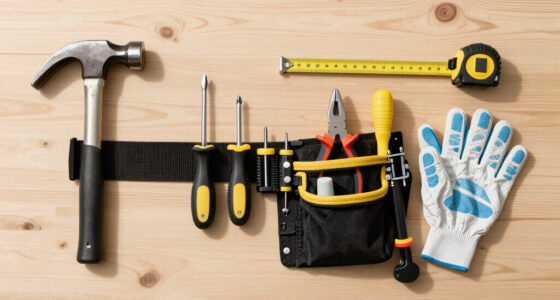
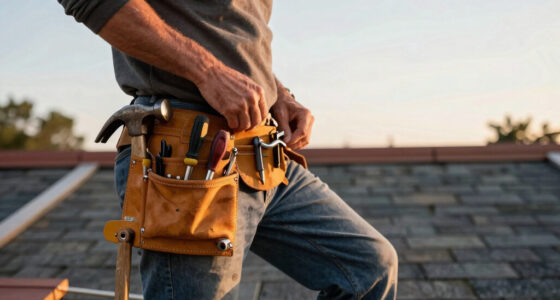
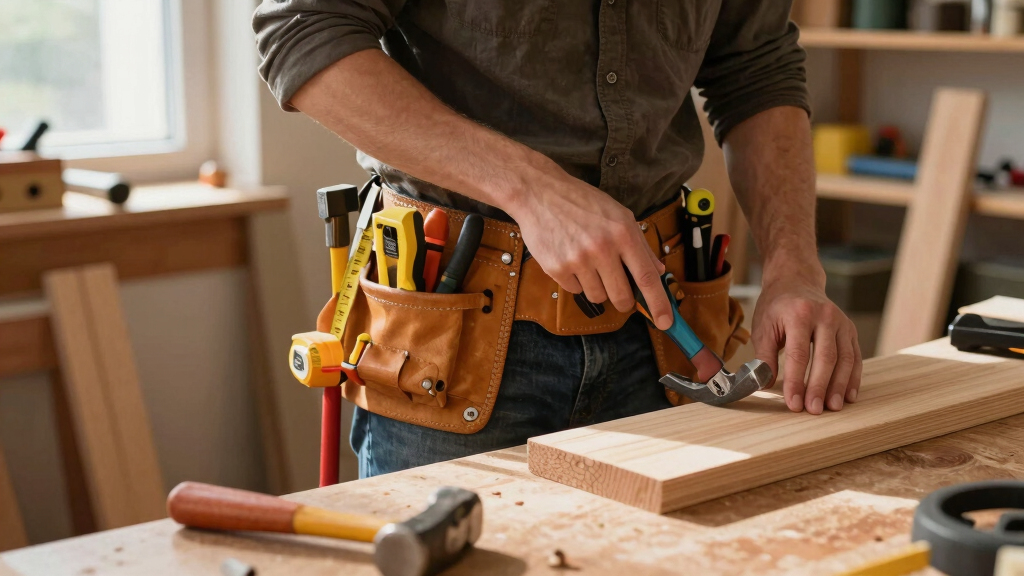
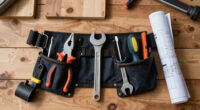
A framer’s tool belt is a portable workshop: tape, hammer, pencils, fasteners, cutting tools, safety gear, and the small accessories that prevent wasted trips. The best setup balances speed, durability, and ergonomic comfort so the belt works with your body instead of bouncing against it all day.
Key Insight
A high-quality framer’s belt can hold dozens of tools and accessories, but smart weight distribution matters more than raw capacity.
The Essential Loadout
The core belt is built around measuring, marking, cutting, fastening, and safety. Anything outside those groups has to earn its place by saving real time on the job.
Tape, square, level
A 25-foot tape, sturdy square, and compact level keep layout checks close instead of buried in a toolbox.
Hammer, nails, screws
Hammer loop on the side, fasteners in sorted pouches, and the most-used hardware where your hand naturally lands.
Pencils and chalk line
Marking tools should sit near the tape measure so measure-and-mark motions happen in one quick rhythm.
Utility knife and blades
A sharp knife, spare blades, and a protected slot prevent rummaging and reduce risky loose-blade storage.
Glasses and gloves
Safety items belong within reach but outside the busiest pockets so they stay clean, visible, and uncrushed.
Sharpener, bits, light
Small accessories can be huge time savers, provided they do not crowd out the daily-use tools.
Organize for Motion
Great belt organization follows the work sequence. Keep the highest-frequency tools in the easiest front pockets, heavier tools at the sides, and backup items in secondary pouches.
Measure
Tape measure and square stay forward for repeated layout checks.
Mark
Pencils, chalk, and sharpener sit beside measuring tools.
Cut
Utility knife gets a secure pocket with spare blades separated.
Fasten
Nails, screws, and hammer loop balance weight across the hips.
Reset
Reassess layout as the project changes to avoid clutter creep.
Material Tradeoffs
Leather, nylon, canvas, and hybrid belts each solve a different problem. The right choice depends on weather exposure, load weight, and how long you wear the belt each day.
Comfort is capacity.
A belt that carries more than your body can comfortably manage is not efficient. Padding, adjustable buckles, and wide support surfaces turn a heavy load into a usable all-day setup.
| Material | Durability | Weather Resistance | Weight | Best Fit |
|---|---|---|---|---|
| Leather | ✓ Excellent | ~ Needs care | ✗ Heavier | Long-term heavy framing |
| Nylon | ~ Strong | ✓ High | ✓ Light | Outdoor and wet jobs |
| Canvas | ~ Moderate | ~ Moderate | ✓ Light | Light-duty or budget setups |
| Hybrid | ✓ High | ✓ High | ~ Balanced | Custom all-around belts |
Modern Belt Upgrades
Recent designs focus on less fatigue, faster customization, and better protection for digital tools without turning the belt into clutter.
Modular Pouches
Snap-on pouches let framers tune the load for framing walls, exterior work, punch lists, or finish-adjacent tasks.
- + Faster setup changes between jobs
- + Better weight distribution by task
- ~ More parts to maintain and inspect
Tech-Ready Slots
Phone pockets, laser level storage, and digital measuring sleeves keep newer tools accessible while shielding them from impact.
- + Digital tools stay close and protected
- + Less walking back to the toolbox
- ~ Higher cost and added complexity
Ergonomic Support
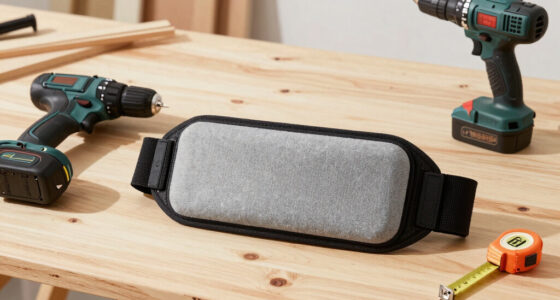
Padded suspenders, wider back supports, and adjustable systems reduce bouncing, chafing, and lower-back strain.
Eco Materials
Recyclable textiles and sustainably sourced components are becoming more common as construction buyers prioritize durability and lower waste.
Pick, Fit, Maintain
The right belt is not just what it holds. It is how it sits, how it moves, and how well it survives mud, rain, sawdust, and years of jobsite repetition.
A framer’s belt should carry the essential tools within arm’s reach, keep frequent-use items forward, balance heavy pieces at the sides, and fit securely enough to reduce fatigue through a full workday.
What are the must-have tools in a framer’s belt?
The core of any framer’s belt is a handful of reliable tools. Measuring tools like a 25-foot tape measure, a sturdy square, and a level are top priorities. Cutting tools include a sharp utility knife and sometimes small hand saws. Fastening tools are a hammer, nails, and screws — often stored in dedicated pouches or loops. Marking tools like pencils and chalk lines help you keep measurements accurate on-site.
Picture yourself installing a new wall. You pull out your tape, check the square, then grab the hammer and nails—all without rummaging through your gear. That’s what a well-packed belt does.
As an affiliate, we earn on qualifying purchases.
How to organize your tools for quick access?
Organization is the secret sauce. Use pouches and loops to keep tools sorted by frequency of use. Place your tape measure and pencil in easy-to-reach front pockets. Keep larger items, like a hammer or nail gun, on the sides or back. Balance weight evenly to prevent fatigue.
For example, if you often switch between measuring and marking, keep those tools side by side. When you need a quick check, you grab both without delay.
Pro tip: regularly reassess your setup. As your projects change, so should your belt’s organization.
ergonomic tool belt for construction workers
As an affiliate, we earn on qualifying purchases.
As an affiliate, we earn on qualifying purchases.
What are the best materials for a durable, comfortable belt?
Materials matter. Leather belts are champions for durability—they age beautifully and handle heavy loads. However, they can be heavier and less flexible, which might impact comfort over long days. Nylon or canvas belts are lighter, weather-resistant, and easier to clean, making them ideal for outdoor work and variable conditions. Some brands combine these materials, like ballistic nylon with leather accents, for the best of both worlds, offering durability and comfort.
Imagine working outside in rain and mud. A water-resistant nylon belt keeps your gear dry, while leather offers comfort and long-term wear. The choice depends on your typical work environment and personal preference. Remember, a durable belt must also be comfortable enough to wear all day, which is why padding and fit are critical considerations.
Remember: a good belt should have padded straps and adjustable buckles for all-day comfort. The tradeoff is often between weight and durability—lighter belts are easier to wear but may wear out faster, while heavier, leather belts last longer but can cause fatigue if not well-padded.
As an affiliate, we earn on qualifying purchases.
What recent innovations are changing how framers use their belts?
Modern belts now feature lightweight, high-tech materials like ballistic nylon, making them tougher without adding weight. Ergonomic designs with padded straps and adjustable systems help prevent fatigue during long days. Some belts even include modular pouches that snap on or off, letting you customize your setup based on the job at hand. This flexibility allows framers to adapt quickly, reducing time spent searching for tools.
Plus, some brands are integrating tech—think smartphone pouches or slots for laser levels. Imagine having your digital measuring device right on your waist, ready to go. These innovations boost efficiency and comfort, making the workday smoother. The tradeoff with tech integrations can be cost and complexity, but for many, the increased productivity justifies it.
Eco-friendly materials are also gaining ground, with brands offering recyclable or sustainably sourced options. These advancements not only improve durability but also align with environmentally conscious practices, which are increasingly important in construction today.
adjustable nylon tool belt for carpentry
As an affiliate, we earn on qualifying purchases.
As an affiliate, we earn on qualifying purchases.
What tools and accessories can a framer carry besides the basics?
Beyond the essentials, a framer might add specialized tools that streamline specific tasks. Small screwdrivers, pencil sharpeners, and spare nails or screws stored in tiny containers can save time. A pocket flashlight or chalk line reel can be invaluable for quick marking or working in low-light conditions. Some framers also carry a quick-attach pouch for their phone or a digital level, which helps keep digital tools accessible and protected during vigorous work.
For example, a cordless screw gun stored in a side pouch can significantly speed up assembly tasks, reducing trips to the toolbox. Small safety items like glasses or gloves should also be kept handy but out of the way to avoid clutter. The key is to weigh the benefits of additional tools against the potential for added weight and bulk, which can cause fatigue or hinder movement. The right accessories depend on your specific needs and project demands, but thoughtful addition can greatly enhance efficiency.
How do you pick the right size and fit for your belt?
A belt that’s too tight or too loose can cause discomfort or even injuries over time. Proper sizing begins with measuring your waist accurately, then adding a few inches to accommodate movement and the weight of your tools. Adjustable belts with padded straps allow you to fine-tune the fit, ensuring that the belt stays securely in place without constricting circulation or causing chafing.
Imagine a belt that shifts or rides up every time you move—this not only causes discomfort but also risks tools falling out or becoming inaccessible. Proper fit ensures your tools stay secure while allowing freedom of movement, which is vital for efficiency and safety. When trying on a belt, simulate typical movements and load your usual tools to assess comfort and security. Remember, a well-fitting belt minimizes fatigue and maximizes productivity, making it worth taking the time to find the right size.
Pro tip: Try different sizes and styles with your actual tools before making a purchase. Comfort and fit directly impact your performance and safety on site.
What are the key safety and ergonomic features to look for?
Safety should always be a priority. Look for belts with padded straps and wide, padded back supports to distribute weight evenly across your hips and lower back. This helps prevent strain and reduces the risk of long-term injury. Adjustable straps ensure a snug fit, which minimizes bouncing or shifting of tools during movement, decreasing the chance of accidental drops.
Ergonomics also involves choosing belts that don’t pinch, chafe, or cause pressure points. Proper padding and adjustable features help you avoid discomfort and injuries such as back pain or chafing. Additionally, belts with reflective strips or high-visibility colors are beneficial when working near traffic or in low-light conditions, enhancing safety. Investing in ergonomic features is a tradeoff—sometimes slightly higher cost—but the long-term benefits include better comfort, reduced fatigue, and fewer injuries, all of which improve overall productivity and well-being.
How do you maintain and care for your tool belt?
Maintaining your belt properly extends its lifespan and ensures safety. Regularly wipe down your belt with a damp cloth to remove dirt, dust, and debris that can degrade materials over time. Leather belts benefit from occasional conditioning with leather treatments to prevent cracking and stiffness, especially if exposed to moisture. Nylon or canvas belts can be washed with mild soap and air-dried, but avoid machine washing unless the manufacturer specifies so.
Be mindful not to overload your belt beyond its designed capacity; excessive weight accelerates wear and may cause straps or pouches to tear. Store your belt in a dry, cool place away from direct sunlight, which can weaken materials over time. Periodically inspect for signs of damage—frayed straps, worn-out pouches, or weakened stitching—and replace parts as needed. A well-maintained belt not only keeps your tools secure but also reduces the risk of accidents and improves overall efficiency on the job.
Frequently Asked Questions
What is the most important tool to carry in a framer’s belt?
The tape measure is arguably the most important because it’s used constantly. Without it, accurate measurements become guesswork, slowing down the entire job.How do I prevent my tools from falling out of my belt?
Use pouches with secure flaps or snaps for smaller tools, and loops that hold items tightly. Regularly check that pouches are in good shape and replace worn ones.Can I wear a belt all day without discomfort?
Yes, if you choose a belt with padded straps, adjustable fit, and proper weight distribution. Take breaks and adjust your belt if you start feeling fatigue.Are there belts designed specifically for outdoor weather conditions?
Absolutely. Weatherproof belts made from ballistic nylon or treated leather resist rain and mud, keeping your tools dry and your belt in good shape.How often should I replace or upgrade my tool belt?
It depends on usage, but check it annually for signs of wear like frayed straps or damaged pouches. Upgrading every 3-5 years ensures you stay comfortable and safe.Conclusion
In the end, a framer’s tool belt isn’t just about what you carry — it’s about how it works for you. A well-chosen, organized, and maintained belt turns a pile of tools into a seamless extension of your hand. It’s a simple upgrade that pays off in speed, safety, and comfort.
So, next time you gear up, think about what fits in your belt—and how it makes your day smoother. After all, a good tool belt isn’t just gear; it’s your workday’s best companion.
Fall Picks
fall essentials
As an affiliate, we earn on qualifying purchases.