TL;DR

Get business pricing on tools and workshop supplies
- Business-only prices and quantity discounts
- Tax-exempt purchasing
- Multiple users, one account, clear invoices
Tool belts are lightweight and offer quick access, ideal for small, detailed tasks. Aprons provide full coverage and protection, better suited for messy or heavy-duty work. Your choice depends on your project size, comfort, and safety needs.
Choose a tool belt for quick access and lightweight movement, ideal for small or detailed tasks.
Opt for a tool apron when you need full coverage, protection from dust, splinters, or stains, especially on larger projects.
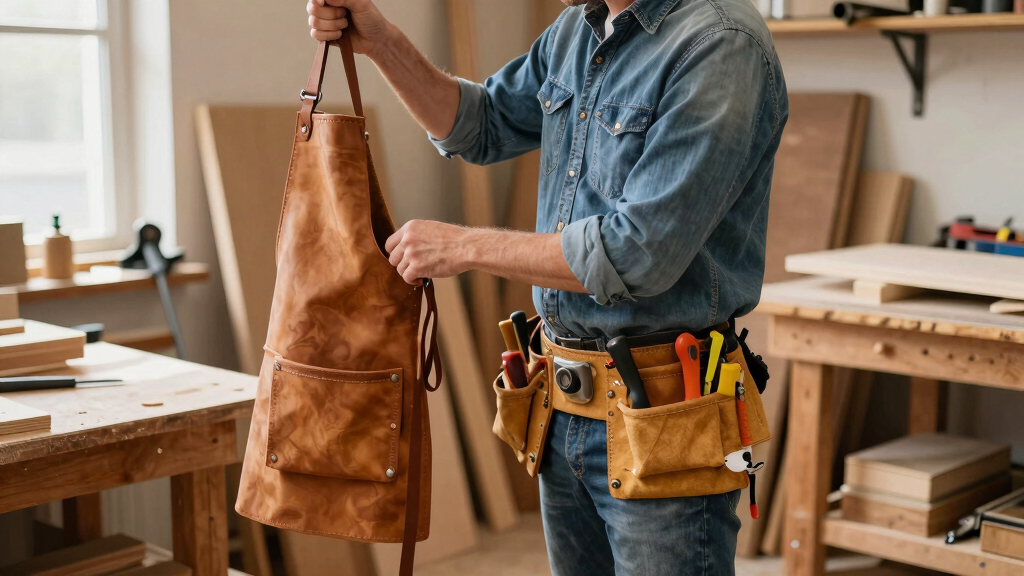
Leather aprons offer unmatched durability, lasting decades if cared for properly.
Modern ergonomic designs reduce fatigue, making long days more comfortable.
A hybrid setup—wearing a belt under an apron—can give you the best of both worlds.
What’s the Difference? Tool Belt or Apron — Here’s the Core
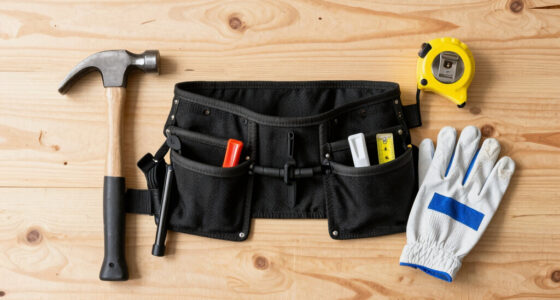
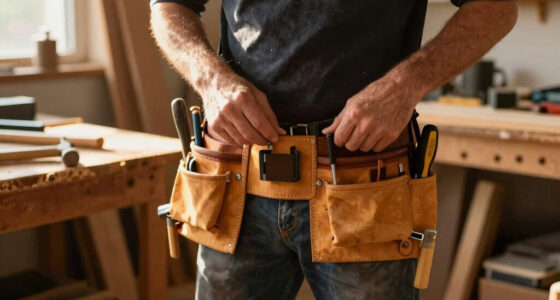
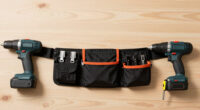
A tool belt is a waist-worn contraption with multiple pouches, designed for quick access to your essential tools. A tool apron is a full front covering, often extending from your neck to your knees, made of tough materials like leather or canvas. Think of the belt as your quick-draw holster, and the apron as your full-body shield.
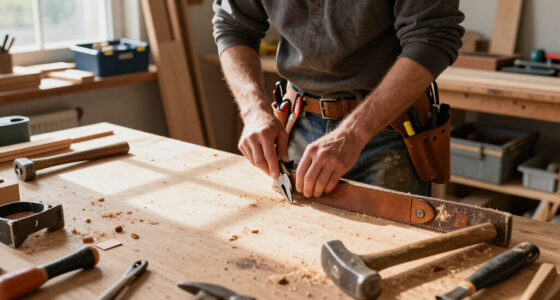
For example, if you’re installing crown molding, a tool belt keeps your screw gun and nails within arm’s reach. For messy sanding or staining, an apron covers your clothes from dust, splatters, and splinters.
As an affiliate, we earn on qualifying purchases.
Which Offers More Accessibility? Speed vs. Coverage
Tool belts excel in quick tool swaps — a screwdriver, a nail gun, a tape measure. They’re light, simple, and keep your hands free. If you’re moving around a lot, climbing ladders, or doing small tweaks, belts are your best friend.
Aprons, on the other hand, provide extensive coverage. They shield your chest and legs from dust, splinters, and accidental knocks. For instance, when working on a messy sanding project, an apron saves your clothes and keeps debris off your skin.
As an affiliate, we earn on qualifying purchases.
Comfort and Fit — What Really Matters When You Wear Them
Comfort isn’t just about the fit; it’s about how the gear shifts with your body. A well-made tool belt distributes weight evenly with padded waistbands, preventing fatigue. Many belts have adjustable straps so you can tighten or loosen as needed.
Aprons, especially leather ones, can feel stiff at first but mold to your body over time. If you’re bending, kneeling, or leaning frequently, a lightweight, padded apron can help prevent strain. The importance of fit extends beyond comfort — a poorly fitted apron or belt can hinder movement, cause chafing, or even lead to accidents. Proper adjustment ensures safety, reduces fatigue, and allows you to focus solely on your craft.
ergonomic tool apron for carpentry
As an affiliate, we earn on qualifying purchases.
As an affiliate, we earn on qualifying purchases.
Durability & Material — What Lasts the Longest?
Leather is king for durability. A good leather apron can last decades, resisting tears and wear. Canvas and synthetic fabrics are lighter and cheaper but may fray or wear out faster. The choice of material directly impacts your investment — while leather might require more initial cost, its longevity makes it cost-effective over time, especially for professionals who use their gear daily.
For example, a leather apron from BestBeltShop can handle years of heavy use, unlike cheaper canvas options that might start showing wear after a couple of seasons. Consider your workload and environment when choosing — heavy-duty tasks demand tough materials that won’t fail mid-job.
As an affiliate, we earn on qualifying purchases.
Mobility & Weight — Which Keeps You Moving?
Tool belts are lighter and less restrictive, ideal when you need agility. You can lift, climb, and move freely without feeling bogged down. Their design minimizes interference with your natural movements, making them suitable for detailed or precision work where every second counts.
Aprons can feel bulkier, especially leather ones, but they offer better protection. If you’re doing large-scale projects with lots of dust or splashes, the tradeoff might be worth it. Keep in mind that heavier gear can cause fatigue over long periods, so balancing protection with mobility is key to maintaining productivity and safety.
Organization & Storage — What Holds Your Tools Best?
Both options come with pockets, but tool belts often feature specialized compartments for screwdrivers, nails, and small parts. Some even have magnetic strips for quick grabbing. This organization allows for rapid tool retrieval, minimizing downtime during work.
Aprons usually have larger, deeper pockets, perfect for bigger tools or safety gear. For instance, a leather apron might have a dedicated pocket for a hammer and pliers, while a belt might hold small bits and fasteners. The choice affects workflow efficiency — well-organized storage reduces interruptions and keeps your tools within easy reach.
Latest Trends — What’s New in Tool Gear?
Modern designs focus on ergonomics: padded waistbands, adjustable straps, and lightweight materials reduce fatigue. Modular systems let you customize your setup with detachable pouches, enabling you to adapt your gear to different tasks seamlessly. This flexibility enhances efficiency and comfort, especially during long work sessions.
Hybrid designs are emerging — combining a full apron with integrated belt features — offering the best of both worlds. Eco-friendly fabrics are also gaining popularity for sustainability. Staying updated with these trends can help you select gear that not only lasts longer but also improves your overall working experience.
Cost & Value — What’s the Real Price of Durability?
Basic tool belts start around $20, while leather aprons can go over $100. But consider this: a leather apron that lasts 20+ years saves you money in replacements and offers unmatched durability. Investing in quality gear is especially beneficial for professionals or serious hobbyists who rely on their tools daily. Over time, the initial higher cost pays for itself through longevity and performance, reducing the need for frequent replacements and repairs.
For example, investing in a high-quality leather apron from BestBeltShop pays off for serious woodworkers who want gear that withstands daily use and heavy wear, ultimately providing better value than cheaper, less durable alternatives.
Safety Tips — What You Need to Know
Always wear gear that fits well and doesn’t restrict movement. For electrical or heavy machinery work, ensure your apron or belt doesn’t have loose straps that can get caught, which could cause accidents or injuries. Properly fitted gear minimizes the risk of slips, trips, or entanglement, especially when working around power tools or sharp objects.
Remember: protective gear isn’t just about the tools; it’s about your safety. When working with power tools, wear PPE like goggles and gloves, regardless of your gear choice. Being proactive with safety reduces the likelihood of injuries and keeps your focus on craftsmanship rather than mishaps.
Can You Use Both? The Hybrid Approach
Yes, many pros wear a tool belt under a sturdy apron for maximum flexibility. This combo allows quick tool access while providing full-body protection, especially during messy or heavy-duty tasks. The belt keeps your most-used tools within arm’s reach, while the apron shields you from dust, splinters, and accidental impacts, creating an efficient and safe working environment.
For example, you might keep your screw gun in the belt, while your apron shields you from dust and splinters during messy tasks. This approach maximizes efficiency, safety, and comfort, making it a popular choice among seasoned woodworkers.
Frequently Asked Questions
Is a tool belt better for detailed woodworking?
Yes. A tool belt’s quick-access design helps you grab small tools fast, keeping your workflow smooth during detailed work like fine joinery or finishing.Can I wear a tool apron for small projects?
Absolutely. An apron offers excellent protection and can hold larger tools and safety gear, making it ideal even for small or messy projects.What materials last the longest for woodworking gear?
Leather is the most durable, often lasting decades with proper care. Canvas and synthetic fabrics are lighter but may wear out faster, typically within a few years. The choice depends on your workload and how much wear and tear your gear will endure; leather is often worth the investment for heavy use due to its longevity.How do I pick the right size and fit?
Measure your waist comfortably and check adjustable features. For aprons, ensure they’re long enough to cover your torso without restricting movement. Proper fit is crucial because ill-fitting gear can cause discomfort, chafing, or even pose safety risks, especially when working with sharp tools or power equipment.Can I wear both a belt and apron together?
Yes, many professionals do. Wearing a belt under an apron offers quick tool access plus full-body protection, especially on large or messy projects. This combination allows you to stay organized and safe without sacrificing mobility.Conclusion
Your choice between a tool belt and apron boils down to how you work. Think about your project size, safety needs, and comfort. Investing in durable, well-designed gear pays off in time saved and fewer injuries. Remember: the right gear isn’t just a tool — it’s part of your craft.Columbus Day / Indigenous Peoples' Day Picks
long weekend sales
As an affiliate, we earn on qualifying purchases.