
TL;DR
Open a free Amazon Business account
Business pricing, bulk buying and tax-exempt orders.
Create a free accountAs an affiliate, we earn on qualifying purchases.
Tool belts offer quick, on-the-body access for mobile tasks, while bucket organizers provide larger storage for transporting multiple tools. Both serve different needs, and recent trends focus on durability and customization.
Ever wondered whether a tool belt or a bucket boss organizer fits your work style better? You’re not alone. Choosing the right gear can make or break your day—saving time, reducing fatigue, and boosting productivity.
This guide breaks down the key differences, recent innovations, and practical tips so you can decide what suits your projects best. Whether you’re a seasoned pro or tackling DIY jobs, understanding these tools helps you work smarter, not harder.
Choose a tool belt for quick access and mobility during active tasks.
Opt for a bucket boss organizer when transporting large tool collections or needing extensive storage.
Invest in high-quality, durable materials to get the most value and longevity from your gear.
Recent trends focus on lightweight, customizable, and tech-enhanced features to improve efficiency.
Using both tools in tandem maximizes organization and productivity on the job site.
What is a tool belt and why it might be your best friend
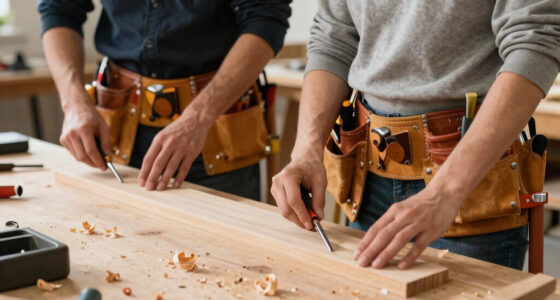
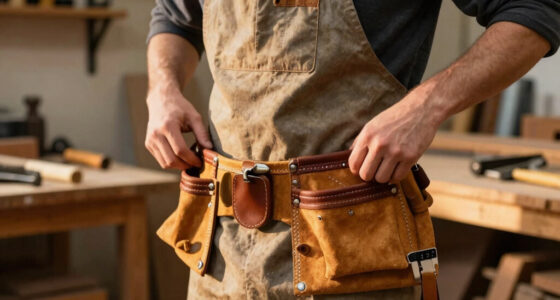
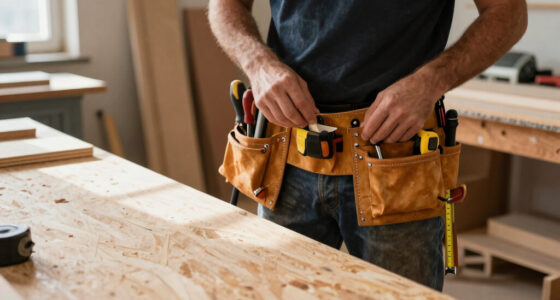
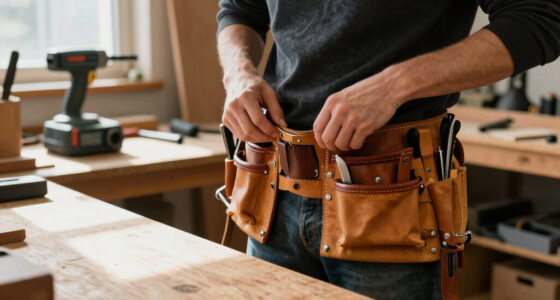
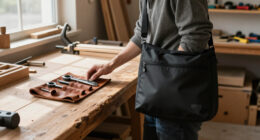
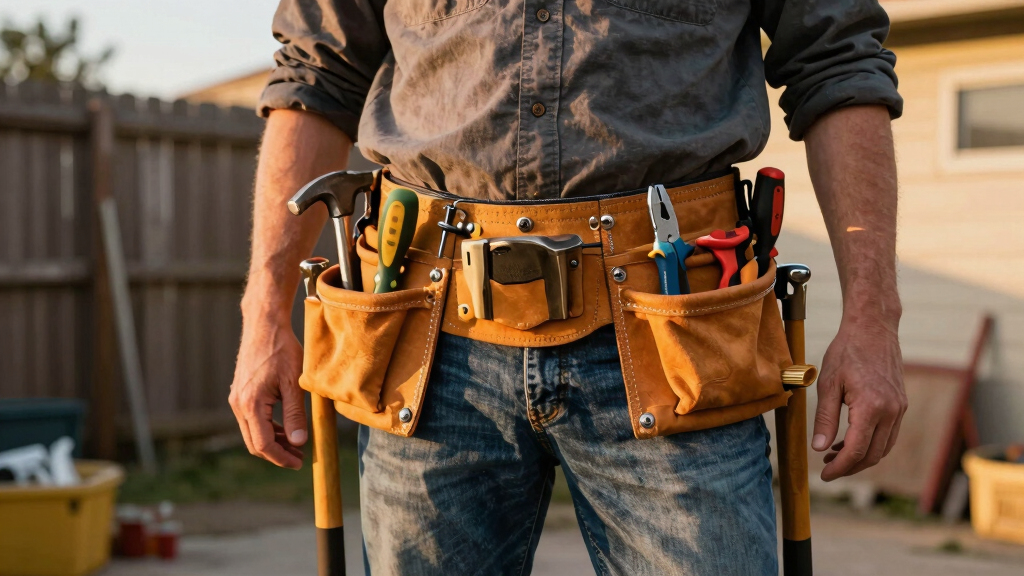
A tool belt is a wearable harness designed to keep your essential tools within arm’s reach. Picture yourself on a ladder, screwdriver in hand, with pliers and tape measure hanging comfortably at your waist. It’s perfect for tasks that demand quick tool swaps and constant movement.
For example, a carpenter on a framing job might rely on a sturdy leather belt with a few pouches for nails, a hammer loop, and a tape holder. The belt’s design distributes weight evenly, so you don’t strain your back after hours of work.
Choosing a good tool belt is about balancing accessibility with comfort. If the belt is too heavy or poorly fitted, it can cause fatigue or discomfort, which impacts your efficiency and safety. Conversely, a well-designed belt enhances your workflow by reducing unnecessary trips to fetch tools, thus saving time and energy. However, it’s important to recognize that a tool belt’s limited capacity means you need to prioritize essential tools—carrying too many can lead to clutter and hinder movement. The key is understanding your typical tasks and selecting a belt that complements your work style to maximize productivity while minimizing fatigue.

Tool Belt Pouch with Multiple Pocket, Adjustable Belt Utility Small Tool Pouches Electrician Tools Organizer for Carpenter Construction Technician Gardening, Mens (Color:Black+Grey)
- Multipurpose Belt Tool Pouch: Fits various professionals with multiple pockets
- Adjustable Waist Belt: Fits 32 to 46-inch waist sizes
- Lightweight and Durable: Made from oxford polyester with reinforced stitching
As an affiliate, we earn on qualifying purchases.
As an affiliate, we earn on qualifying purchases.
What is a bucket boss organizer and how it keeps your tools in check
A bucket boss organizer is a versatile, portable storage solution that fits into or attaches to a bucket, transforming it into a mobile toolbox. Its multiple compartments, loops, and pockets are designed to hold a variety of tools, fasteners, and small parts, making it easier to organize and access multiple items at once. The significance of this design lies in its ability to consolidate many tools into one manageable package, which is especially important when moving between different sites or tasks.
Imagine a landscaper switching from a truck to a garden bed. Instead of juggling multiple loose tools or heavy boxes, they simply lift a bucket filled with organized tools—knives, pruners, fasteners, gloves—each in designated compartments. This setup reduces the physical strain of carrying heavy gear and minimizes the time spent searching for the right tool, directly impacting efficiency. The organization allows quick identification and retrieval, which is crucial in time-sensitive situations where delays can be costly.
Choosing a bucket organizer involves considering the scope of your work: while it offers extensive storage, it may slow you down if you need quick, one-handed access to specific tools. Properly labeled and well-organized compartments are key to maximizing its benefits. The tradeoff is that, unlike a tool belt, it doesn’t keep tools readily at hand—so it’s best suited for tasks where carrying a large variety of tools is necessary, but immediate access is less critical.
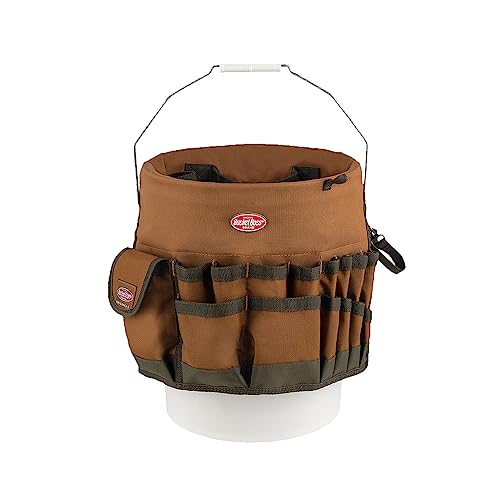
Bucket Boss The Bucketeer Bucket Tool Organizer in Brown, 10030
- Brand: Bucket Boss
- Model: The Bucketeer 10030
- Color: Brown
As an affiliate, we earn on qualifying purchases.
As an affiliate, we earn on qualifying purchases.
Tool belt vs bucket boss: How they stack up side-by-side
| Feature | Tool Belt | Bucket Boss Organizer |
|---|---|---|
| Portability | Worn on waist, highly mobile | Carried or placed in a bucket, less mobile |
| Accessibility | Tools within arm’s reach, quick access | Organized compartments, slower access |
| Capacity | Limited to essential tools | Large capacity, holds many tools |
| Comfort & Fit | Adjustable straps, ergonomic | No wearability, depends on container |
| Best use case | Quick, mobile tasks | Transporting and organizing large tool sets |
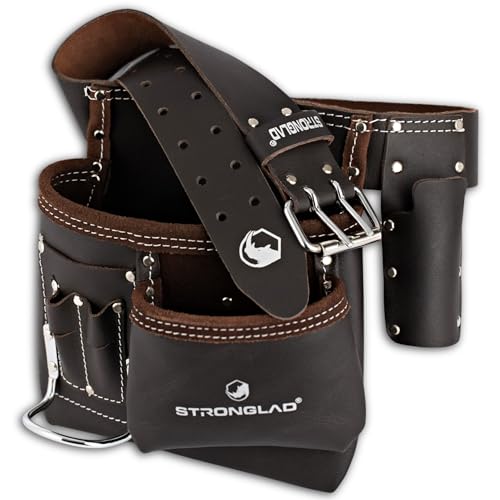
STRONGLAD Leather Tool Belt – 6-Pocket Oil-Tanned Utility Pouch, 29-46 in Adjustable Waist, Heavy-Duty Carpenter Drywaller Electrician Work Belt
- Jobsite Utility Tool Belt: 6-pocket oil-tanned leather design
- Practical 6-Pocket Layout: Nail pocket, main pocket, pencil sleeves, flat pocket
- Heavy-Duty Leather Build: Reinforced with rivets and tough stitching
As an affiliate, we earn on qualifying purchases.
As an affiliate, we earn on qualifying purchases.
What’s new? The latest trends in tool storage gear
Recent trends in tool storage gear focus on lightweight materials like high-density nylon and ergonomic padding. Modular designs allow you to customize your setup—adding or removing compartments based on the job.
Innovations like waterproof pockets, magnetic tool holders, and built-in LED lights are popping up. Some brands even experiment with smart organizers, using RFID tags to track your tools—making lost gear a thing of the past.
These features make your gear more durable, versatile, and tailored to your specific needs, whether you’re a weekend warrior or a seasoned pro.

Keter Stack N Rolling Tool Box Modular Storage System 3 Piece
- Durable and lightweight construction: Ideal for home use
- Interlocking, customizable system: Includes cart, toolbox, and organizer
- Secure snaps with audible latches: Ensures contents are secure
As an affiliate, we earn on qualifying purchases.
As an affiliate, we earn on qualifying purchases.
Cost and durability: What you’re really paying for
Basic tool belts start around $20, but high-end models with extra padding, specialized pockets, and durable materials can cost over $100. The same goes for bucket organizers—cheaper versions may fall apart after a few months, while premium models last for years.
Investing in quality is about balancing initial cost with long-term value. Cheaper models may seem economical upfront but often require replacement sooner, leading to higher costs over time. High-quality materials like reinforced stitching, weather-resistant fabrics, and sturdy zippers are critical for longevity. Proper maintenance—such as cleaning after use and storing in a dry environment—further extends their lifespan. Ultimately, choosing durable gear is an investment that pays off by reducing replacement frequency, ensuring safety, and maintaining efficiency on the job. The tradeoff is that investing upfront in quality gear can be more costly initially, but it often results in lower long-term expenses and better performance, especially under demanding conditions.
Your questions answered: Picking the right gear for your work
Which is better for heavy-duty use: a tool belt or a bucket organizer? For heavy-duty, mobile work, a tool belt usually wins because it keeps your tools at your fingertips, minimizing the need for constant walking back and forth. This immediacy not only saves time but also reduces fatigue by distributing weight evenly across your hips and waist, which are better suited to handle heavy loads. Additionally, quick access improves safety by allowing you to respond swiftly to changing work conditions without fumbling for tools, decreasing the risk of accidents.
Can I use both together? Absolutely. Many professionals find that combining a tool belt for quick access and a bucket organizer for larger, less frequently used tools offers a balanced approach. This combination enhances overall efficiency because you can quickly grab essential tools on the move while relying on the organizer for bulk storage, reducing clutter and physical strain.
What should I look for when choosing? Focus on adjustable straps, durable materials, enough compartments, and comfort features like padding. Consider your work environment—features like waterproof pockets or magnetic holders can help you adapt to challenging conditions and improve your workflow. The right combination of features depends on your specific needs, such as whether you work outdoors in wet conditions or need to organize small parts for intricate tasks, impacting your overall productivity and safety.
Conclusion
Picking the right storage gear boils down to your work style. If you’re moving around a lot and need tools at your fingertips, a sturdy tool belt is your best bet. For larger jobs or transporting multiple tools, a bucket organizer saves time and keeps your gear tidy.
Think about what you carry daily, your comfort, and your work environment. With smarter, more durable options available, your choice today can turn into a real-time saver tomorrow.
Flea & tick season Picks
flea and tick prevention
As an affiliate, we earn on qualifying purchases.