TL;DR

Get business pricing on tools and workshop supplies
- Business-only prices and quantity discounts
- Tax-exempt purchasing
- Multiple users, one account, clear invoices
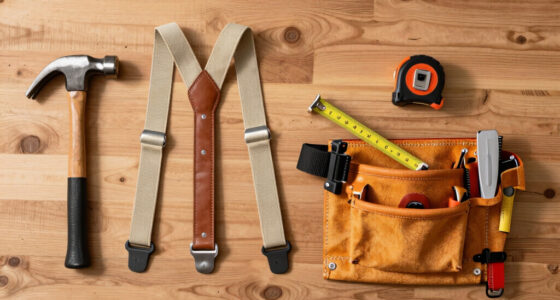
Setting up your tool belt correctly helps you work faster and stay comfortable all day. Focus on balancing weight, organizing tools logically, and choosing durable gear for best results.
Ever tried lugging around a cluttered, uncomfortable tool belt all day? It’s exhausting. A smart setup isn’t just about holding tools — it’s about working safely, efficiently, and with less strain. If you’re tired of digging for your screwdriver or feeling like your hips are about to give out, it’s time to rethink your approach.
This guide will walk you through how to set up your tool belt so every tool is within reach, every move is smooth, and your back stays happy. Whether you’re a seasoned pro or just starting out, a good setup makes all the difference between a tough day and a productive one.
Balance the weight of heavy tools close to your hips to reduce back fatigue.
Organize tools logically — most-used items in front, less-used on the sides.
Choose durable materials like leather or nylon based on your work environment.
Adjust your belt snugly but comfortably, testing movement before work.
Limit overload to prevent strain and stay safe all day.
How to Balance Your Tool Belt for All-Day Comfort
The secret to lasting comfort is balancing the weight of your tools. Think of your belt as a see-saw — heavy tools should sit close to your center of gravity. Place the heavier items like drills and screwguns near your hips, on the side you favor most.
Try to distribute the load evenly. For example, if you’re right-handed, keep your screwdriver on your right side, close to your hip, so you don’t have to reach across your body. This reduces strain and keeps your movements natural.
Adjust your belt straps so it sits snug but not tight. You want to avoid slippage while still allowing some flexibility. Once set, test by walking around a bit — if it shifts or pinches, readjust.
Proper weight distribution is crucial because uneven loading can cause muscle imbalance, leading to fatigue and potential back pain over time. When tools are balanced, your body works more efficiently, reducing unnecessary strain and helping you maintain stamina for longer periods.
professional tool belt for cabinet installers
As an affiliate, we earn on qualifying purchases.
As an affiliate, we earn on qualifying purchases.
Organize Your Tools in a Way That Saves You Seconds
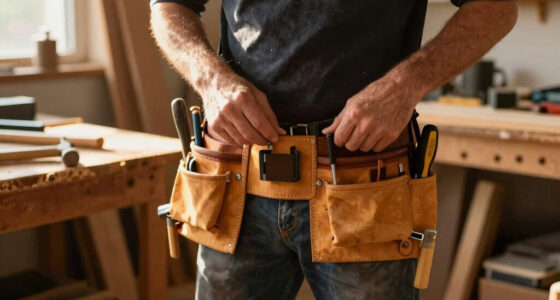
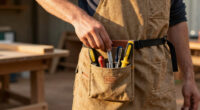
When every second counts, your tool belt should be a well-oiled machine. Use pouches with compartments for different tools — screwdrivers, chisels, and bits each have their home.
Place the most-used tools within arm’s reach — think of it like your cockpit controls. For example, keep your tape measure and screwdriver on the front pouches for quick access. Less-frequently used items can go on the sides or in larger pockets.
For small parts like screws or nails, magnetic or clear plastic pockets work wonders. They stop you from digging around for tiny bits when you’re in a rush. Remember, organization isn’t just about storage — it’s about speed and reducing frustration.
Deep organization minimizes unnecessary movement, which not only saves time but also reduces physical strain. When tools are logically arranged, you avoid awkward reaching or twisting, which can lead to joint fatigue or injuries. The goal is to create a setup where your most essential tools are instinctively accessible, keeping your workflow smooth and your energy focused on the task, not on hunting for the right tool.
heavy-duty leather tool belt with pouches
As an affiliate, we earn on qualifying purchases.
As an affiliate, we earn on qualifying purchases.
Choosing the Right Materials for a Long-Lasting Belt
Durability and comfort start with materials. Leather belts resist wear and tear — they handle rough jobs and last for years. Nylon belts are lightweight, water-resistant, and dry quickly if you get caught in rain or spill paint.
Hybrid belts combine both, offering durability plus flexibility. For example, a leather core with nylon overlays can withstand daily knocks while remaining comfortable.
Reinforced pouches with double stitching or rivets keep your tools secure, even if you load up heavy. When you invest in quality gear, you cut down on replacements and stay focused on the job, not your gear.
Choosing the right material involves understanding the tradeoffs: leather tends to be heavier but more durable, making it ideal for long-term use in rugged conditions. Nylon, being lighter, can reduce fatigue but may wear out faster if not reinforced. Hybrid options aim to strike a balance, providing durability without sacrificing comfort. Your choice should align with your typical work environment and how much weight you’re willing to carry daily.
adjustable nylon tool belt for construction
As an affiliate, we earn on qualifying purchases.
As an affiliate, we earn on qualifying purchases.
5 Steps to Set Up Your Tool Belt for Maximum Efficiency
- Identify your core tools: List what you use daily — drills, screwdrivers, tape measures, levels, chisels.
- Assign specific pockets: Match each tool to a designated spot based on frequency of use.
- Distribute weight evenly: Keep heavier tools close to your hips and on your dominant side.
- Test the setup: Wear it around the shop or yard, simulate movements, and tweak as needed.
- Refine and adapt: As your needs change, adjust pockets or add/removes tools to stay efficient.
This simple step-by-step ensures your belt works with you, not against you. Over time, you’ll develop your own perfect setup that minimizes fatigue and maximizes productivity, based on real-world use and personal preference.
ergonomic tool belt with tool organizer
As an affiliate, we earn on qualifying purchases.
As an affiliate, we earn on qualifying purchases.
Compare Common Tool Belt Materials: Leather vs. Nylon
| Feature | Leather | Nylon |
|---|---|---|
| Durability | High; lasts decades if cared for | Good; resists wear but can fray over time |
| Weight | Heavier; adds to fatigue | Lightweight; easier on your hips |
| Weather Resistance | Good; ages well but can crack if not maintained | Excellent; water-resistant and quick-drying |
| Cost | Generally more expensive | More affordable |
Choosing between leather and nylon depends on your work environment. For outdoor, rugged jobs, leather offers unmatched longevity. If you need lightweight gear for quick, frequent trips, nylon is your friend.
Safety Tips for Wearing a Tool Belt All Day
Wearing a tool belt isn’t just about convenience — it’s about staying safe. Always wear your belt fitted properly. An overly loose belt can slip or cause imbalance, while tight belts restrict movement and blood flow.
Limit the weight of your belt to avoid back strain. If you’re carrying heavy tools, take breaks to stretch. Be mindful of how the belt shifts as you move, especially when climbing or bending.
Never overload your belt. It might seem tempting to cram everything in — but extra weight increases fatigue and risks injury. Use a modular setup to keep weight manageable and stay safe on the job.
Following ergonomic principles when wearing your belt helps prevent common injuries like lower back pain, shoulder strain, and joint fatigue. Proper fit and weight management allow your body to move naturally, reducing the risk of overexertion and long-term musculoskeletal issues. Remember, safety isn’t just about avoiding accidents — it’s also about maintaining your health over the course of many workdays.
Frequently Asked Questions
How do I prevent tools from falling out of my belt?
Use secure pockets with flaps or magnetic closures. For small metal tools, magnetic holders keep everything in place even when bending or climbing. Regularly check and tighten any loose closures to stay confident your tools won’t fall.
What’s the best way to carry power tools without overloading my belt?
Distribute heavy tools like drills on the hips and keep lighter items in front. Consider using a separate power tool bag or pouch attached to your belt for larger gear, so you don’t overload your core setup.
How often should I reorganize my tool belt?
Revisit your setup at least once a week or after completing a project. As your work changes, so should your belt — prioritize what you need most and ditch what’s unnecessary to stay efficient.
Can I wear a tool belt for indoor and outdoor work?
Yes, but choose your material accordingly. Leather belts work well indoors and for long-term durability, while nylon belts are better outdoors due to weather resistance. Adjust your setup for comfort and safety in different environments.
Conclusion
A great tool belt setup isn’t just about holding tools — it’s about working smarter, not harder. When your gear fits right, your tools are at your fingertips, and your load is balanced, you’ll notice the difference in your day-to-day productivity. Think of your belt as an extension of yourself, designed to keep you moving smoothly through every job.
Remember: a well-organized, properly adjusted tool belt makes your work easier, safer, and more enjoyable. Take the time to set it up right today. Your back will thank you tomorrow.
Fall yard work Picks
leaf blowers
As an affiliate, we earn on qualifying purchases.