TL;DR

Get business pricing on tools and workshop supplies
- Business-only prices and quantity discounts
- Tax-exempt purchasing
- Multiple users, one account, clear invoices
Choosing a tool belt for carpentry means balancing durability, comfort, and function. Consider materials, design, fit, and recent innovations to find the perfect match for your work style.
Ever tried carrying your tools in a flimsy pouch or an uncomfortable belt? It slows you down, wears you out, and wastes time. The right tool belt makes a real difference—keeping your tools accessible, reducing fatigue, and even boosting your productivity. But with so many options out there, how do you pick the one that truly fits your work?
This guide cuts through the noise. You’ll learn the key aspects to consider—from materials that last to features that fit your job. Plus, I’ll share recent design trends and practical tips to help you choose a belt that works as hard as you do.
Choose durable materials like leather or high-quality synthetic fabrics based on your work environment.
Match the number and size of pockets to your tools to stay organized without unnecessary bulk.
Prioritize fit and comfort with adjustable straps and padded belts for all-day wear.
Opt for modular and customizable designs to adapt to different tasks and preferences.
Stay updated on recent innovations like magnetic holders and ventilated padding for added convenience.
How to Choose a Tool Belt for Carpentry
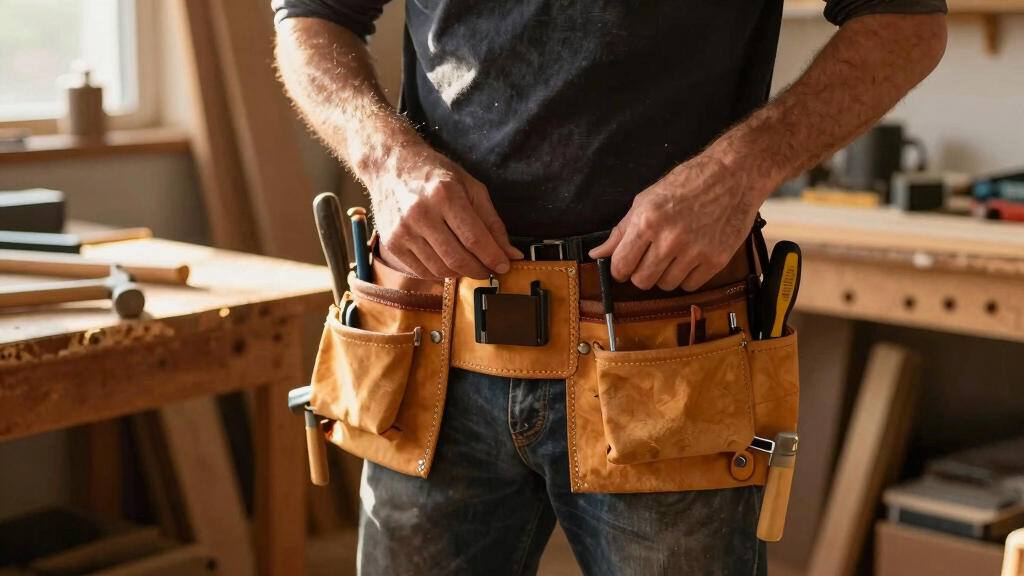
Choosing a tool belt means balancing durability, comfort, and function. The right setup keeps frequently used tools within reach, reduces fatigue, and helps you move through framing, finishing, repairs, and outdoor work without fighting your gear.
A good belt works like a portable bench: organized, balanced, and ready before the next cut.
Match material, pocket layout, fit, and modular features to your actual tool load instead of buying the biggest belt on the wall.
Choose durability for the worksite, not the showroom.
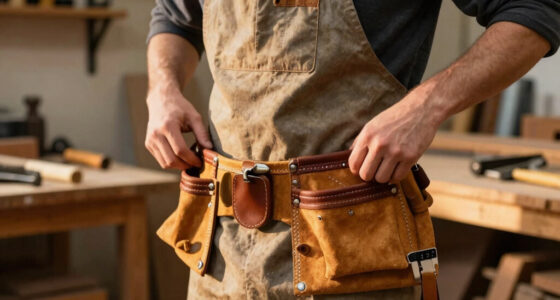
Leather handles heavy tools and rough outdoor use with long service life, while nylon and polyester reduce weight, flex more easily, and resist damp conditions. Combination belts can offer a practical middle ground for carpenters who shift between framing, finishing, and repairs.
Leather
Best for high durability, professional appearance, and carrying heavier tools. Expect more weight and a break-in period.
Nylon / Polyester
Good for outdoor or damp work where lighter weight, water resistance, and flexibility matter during long days.
Hybrid Belts
Use leather reinforcement with synthetic panels to balance strength, comfort, mobility, and cost over time.
More pockets are useful only when they match your workflow.
A belt overloaded with unused compartments adds weight and slows tool retrieval. Start with the tools you touch most often, then choose dedicated holders for tape, hammer, fasteners, screwdrivers, and task-specific accessories.
| Layout | Pocket Count | Best For | Bulk Risk | Customization |
|---|---|---|---|---|
| Minimal | 4-8 | Light carpentry, finishing work, DIY projects | ✓ Low | ~ Limited |
| Moderate | 9-15 | General carpentry, framing, rough work | ~ Manageable | ✓ Strong |
| Extensive | 15+ | Heavy-duty construction, multi-trade tasks | ✗ High | ✓ Excellent |
Build the belt around the way you actually work.
Use this sequence before buying: environment first, then tool load, then comfort support, then modular upgrades. That order keeps the decision grounded in daily jobsite reality.
Map Tasks
List framing, finishing, roofing, trim, repair, or outdoor work demands.
Pick Material
Choose leather for toughness or synthetic fabric for lighter, wetter conditions.
Size Pockets
Prioritize fasteners, tape, hammer, pencil, knife, and most-used hand tools.
Test Fit
Check padding, width, adjustability, and whether tools stay balanced.
Add Features
Consider suspenders, quick-release buckles, magnets, ventilation, or lighting.
Fatigue drops when weight is spread, secured, and breathable.
Comfort is not a luxury on long workdays. A padded, adjustable belt with a wider profile distributes load across the hips, reduces shifting, and helps prevent back soreness caused by uneven tool weight.
Feature impact on all-day wear
Prioritize the comfort features that directly affect fatigue, safety, and repeat movement.
Weight vs. durability spectrum
Leather usually sits toward durability; synthetics sit toward mobility. Hybrid belts occupy the practical middle.
Material Positioning
From tool load to better work rhythm.
The right belt creates a direct chain from gear choice to speed, comfort, and jobsite focus.
Are padded belts worth it?
Yes. Padding and wider support help reduce pressure points during long workdays, especially with heavier tool loads.
Can I customize my belt?
Many modern belts are modular, letting you add, remove, or reposition pouches for specific projects.
What matters outdoors?
Water resistance, durable materials, secure pockets, and breathable padding matter most in damp or hot conditions.
How do I make it last?
Clean it regularly, check stitching and rivets, treat leather when needed, and replace worn pouches or straps.
Material Matters: Which Durability Level Fits Your Job?
The material of your tool belt decides how long it lasts and how comfortable it feels during long days. Leather belts are known for their toughness—think of a rugged, worn-in saddle. They handle heavy tools and rough use, especially in outdoor carpentry. Nylon or polyester belts are lighter, more flexible, and resist water—great if your job involves rain or damp conditions.
For example, a framing carpenter working outside on a rainy day benefits from a synthetic belt, while a finish carpenter might prefer leather for its durability and professional look. Sometimes, belts combine materials—leather with nylon panels—to balance strength and flexibility.
According to BestBeltShop, investing in a known-for-durability material saves money in replacements and keeps your tools secure during tough conditions.
It’s important to understand that the choice of material affects more than just longevity. Leather, while durable, can be heavier and less flexible, which might cause discomfort over long periods. Synthetic options, being lighter, can improve mobility and reduce fatigue but may wear out faster if not high quality. The tradeoff often involves balancing weight and durability, depending on your typical workload and environment. For outdoor work, water resistance becomes critical; a belt that absorbs moisture can lead to rusted tools or rot, so selecting waterproof materials can prevent these issues and extend the belt’s life.
Beyond durability, consider how the material influences your movement and long-term comfort. A heavier leather belt might offer longevity but could contribute to fatigue if worn for hours, whereas lightweight synthetics may need replacement sooner but provide greater agility. Understanding these tradeoffs helps you make an informed choice aligned with your specific tasks and conditions.
heavy-duty leather carpentry tool belt
As an affiliate, we earn on qualifying purchases.
As an affiliate, we earn on qualifying purchases.
Design and Layout: How Many Pockets Do You Really Need?
Ever carry a belt loaded with pockets you never open? The secret is choosing a layout that matches your tool kit. Some belts have minimal pouches—just a couple of large ones for your hammer and tape measure. Others pack 15+ pockets, including specialized holders for screwdrivers, nails, or small power tools.
Imagine a carpentry job where you need quick access to nails, screws, and a tape measure. A belt with a dedicated fastener pocket, screwdriver slots, and a large tape holder speeds things up. But if you rarely carry power tools, a simpler layout reduces weight and clutter.
Here’s a quick comparison:
| Number of Pockets | Ideal For |
|---|---|
| Minimal (4-8) | Light carpentry, finishing work, DIY projects |
| Moderate (9-15) | General carpentry, framing, rough work |
| Extensive (>15) | Heavy-duty construction, electrical, plumbing |
Choosing the right pocket layout involves understanding your workflow. Too many pockets can cause clutter, making it harder to find tools quickly, which wastes time and can lead to frustration. Conversely, too few may mean constant trips back to the toolbox. The key is to analyze which tools you use most frequently and ensure those are most accessible. Modular designs allow for customization, letting you add or remove pouches based on the specific tasks at hand. This flexibility supports efficiency and reduces unnecessary weight, helping you stay agile on the job site.
However, it’s also crucial to recognize that overly complex layouts can be counterproductive. Excessive pockets might create clutter and make it harder to locate your tools swiftly, leading to delays and frustration. Conversely, minimalistic designs might lack the necessary storage for all your essential tools, forcing frequent trips to retrieve forgotten items. The ideal design strikes a balance—offering enough compartments for your most-used tools without overwhelming you with unnecessary extras. Modular and customizable pouches provide a flexible solution, enabling you to adapt your belt to different projects and work styles, which can enhance efficiency and comfort over time.
The goal is to optimize accessibility and workflow. A well-planned pocket arrangement can significantly reduce the time spent searching for tools, minimize distractions, and keep you focused on your work rather than your gear. Think about your daily tasks and tool habits, then choose or customize a layout that supports a smooth, organized work process.
adjustable padded tool belt for carpenters
As an affiliate, we earn on qualifying purchases.
As an affiliate, we earn on qualifying purchases.
Comfort Tips: Find a Fit That Won’t Wear You Out
If your belt hurts or shifts, it’s a hassle. Comfort starts with proper fit. Look for adjustable waist straps and padded belts—especially for those long days on the roof or framing wall sections. Wider belts—around 2-3 inches—distribute weight more evenly, reducing pressure points.
Picture yourself swinging a hammer all morning. A padded, adjustable belt with a snug fit keeps tools balanced and your hips happy. Also, consider belts with breathable padding or ventilated designs—sweaty belts make work miserable.
An example: A carpenter using a padded, adjustable leather belt reports less back pain after a full day, compared to a narrow, unpadded strap.
Beyond just adjusting for size, the material and construction of the belt influence comfort. Padded belts with moisture-wicking fabrics can significantly reduce chafing and sweating, especially in hot environments. Proper weight distribution prevents pressure points that cause fatigue or soreness. If your belt is too tight, it restricts movement; if too loose, tools shift and fall. Finding the right balance enhances not only comfort but also safety, as secure tools are less likely to cause accidents. Investing in belts with ergonomic design features—such as contoured padding or weight-distributing straps—can make a substantial difference in how you experience your workday, reducing long-term strain and improving focus.
Choosing a belt that fits well isn’t just about comfort—it directly impacts your efficiency and safety. An ill-fitting belt can cause discomfort, distract you from your work, and even lead to injuries if tools shift unexpectedly. Conversely, a properly fitted, ergonomic design supports natural movement, reduces fatigue, and keeps your tools secure, preventing accidents. Always try on different styles and adjust straps to find the most comfortable, supportive fit for your body and workload. Remember, comfort isn’t a luxury—it’s essential for sustained productivity and well-being during demanding workdays.
modular carpentry tool belt with magnetic holders
As an affiliate, we earn on qualifying purchases.
As an affiliate, we earn on qualifying purchases.
Frequently Asked Questions
What material is best for a carpentry tool belt?
Leather is known for durability and strength, ideal for heavy-duty use. Nylon or polyester belts are lighter, water-resistant, and flexible—great for outdoor or damp conditions. Choose based on your work environment and personal comfort preferences.
How many pockets do I need on my tool belt?
It depends on your tools. A typical carpenter might need 8-15 pockets—enough for nails, screws, tape measures, and screwdrivers. Aim for a balance: enough storage, but not so many that the belt becomes bulky or awkward to wear.
Are padded belts worth it?
Yes, especially if you spend long hours working. Padded belts distribute weight better, reduce pressure points, and keep you comfortable. They can make a noticeable difference in fatigue and back pain.
Can I customize my tool belt?
Many belts are modular, allowing you to add or remove pouches as needed. This flexibility helps tailor your setup for different projects, saving time and reducing clutter.
How do I ensure my tool belt fits properly?
Look for belts with adjustable straps and try them on with your typical tools. A snug, balanced fit prevents shifting and discomfort. Don’t settle for tight or loose—find the right balance for your body and workload.
ventilated work belt for carpentry
As an affiliate, we earn on qualifying purchases.
As an affiliate, we earn on qualifying purchases.
Conclusion
Your tool belt is more than just a bag—it’s a work partner. Picking the right one means fewer trips to fetch tools, less fatigue, and a smoother day on the job site. Focus on materials, fit, and features that match your workload.
Remember, a well-chosen tool belt doesn’t just carry tools — it carries your confidence. Invest wisely, and your workday will feel a lot lighter.
Fall yard work Picks
leaf blowers
As an affiliate, we earn on qualifying purchases.