
TL;DR

Get business pricing on tools and workshop supplies
- Business-only prices and quantity discounts
- Tax-exempt purchasing
- Multiple users, one account, clear invoices
Balancing weight in your tool belt improves comfort and reduces fatigue. Distribute heavy tools close to your center of gravity and use suspenders to spread weight evenly across hips and shoulders.
Distribute heavy tools close to your hips to keep your center of gravity stable.
Use suspenders to help spread weight evenly across shoulders and hips, reducing fatigue.
Rearrange your tools regularly during the day to adapt to changing tasks and prevent discomfort.
Choose ergonomic, adjustable belts with padding for better support during long work hours.
Avoid overloading your belt beyond 10-15% of your body weight to prevent musculoskeletal issues.
How to Balance Weight in a Tool Belt
Balancing weight in your tool belt improves comfort, protects your back, and keeps your workday moving. Keep heavy tools close to your hips, spread lighter tools evenly, and use suspenders when the load starts pulling on your waist.
Balance is body mechanics, not just organization.
A tool belt that hangs unevenly makes your muscles correct your posture all day. A balanced setup keeps the center of gravity close and reduces wasted energy.
Potential reduction with better weight distribution.
Recommended maximum share of body weight.
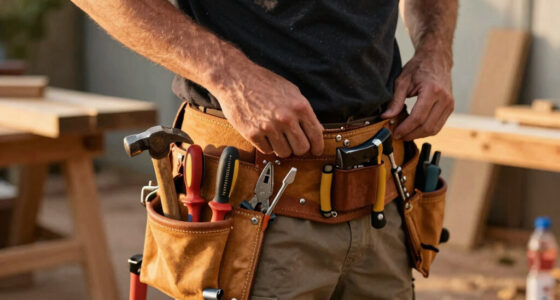
Place drills, hammers, and heavier tools near your pelvis.
Suspenders spread load across shoulders and hips.
Rearrange as tasks change and tools move in and out.
Back, shoulder, or joint strain means the setup needs review.
The Balanced Belt Blueprint
Good weight distribution starts with a simple idea: keep mass close, stable, and symmetrical. The goal is to stop tools from pulling your spine, hips, and shoulders out of alignment.
Put heavy tools near the hips
Carry a cordless drill, hammer, or pliers close to the waistline so the weight sits over your pelvis instead of pulling from one side.
Split lighter tools across both sides
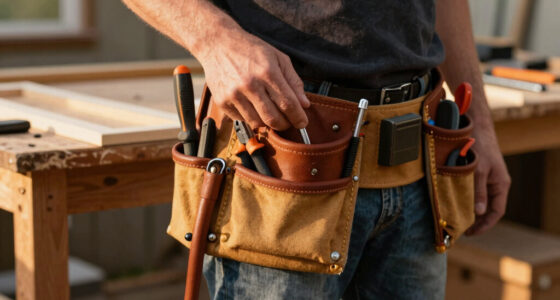
Tape measures, screwdrivers, fasteners, pencils, and bits should be distributed evenly to prevent side drag and shifting during movement.
Use pouches that stop swinging
Organized pouches keep tools from bouncing, sliding, and creating torque on your lower back while climbing, bending, or reaching.
Five-Step Setup Flow
Use this sequence at the start of the day, then repeat the last two steps whenever the job changes. Balance is not a one-time adjustment.
Start Light
Carry only the tools needed for the task window, not the entire shop.
Anchor Heavy
Place bulkier tools close to the hips to stabilize your posture.
Mirror the Sides
Balance lighter tools and fasteners so neither side dominates.
Add Support
Use suspenders when the belt sags or pressure builds at the waist.
Reset Often
Rearrange tools as the day changes to prevent localized fatigue.
Tool Belt Types Compared
The right belt changes how well you can control weight. Basic belts work for light jobs, while modular and padded systems give more support for long hours or heavier kits.
| Feature | Basic Belt | Modular Belt | Padded & Supportive Belt | Balance Verdict |
|---|---|---|---|---|
| Weight Distribution | Simple, minimal support | Custom compartments for balance | Extra padding and lumbar support | ~ Upgrade for heavier loads |
| Adjustability | Limited | High: add or remove modules | Very high with straps and suspenders | ✓ Better fit improves comfort |
| Material | Basic nylon or leather | Lightweight composites | Thick padded fabrics | ✓ Lighter shell reduces strain |
| Best For | Light jobs and basic needs | Versatile, heavy-duty tasks | Long hours and back support | ✗ Avoid basic belts for overload |
What Better Balance Changes
Weight management is an injury-prevention system. The more evenly the belt sits, the less your body has to fight twisting, sagging, and pressure points.
Impact Areas
If Balance Is Ignored
Uneven load forces muscles to stabilize posture all day.
Sagging belts concentrate pressure on one side or one point.
Repeated imbalance can contribute to chronic musculoskeletal issues.
Daily Balance Rules
These quick checks help keep your belt comfortable from the first climb to the last cleanup.
Start with essentials
Overloading raises fatigue risk, especially when rarely used tools sit in the belt all day.
Spread the load
Properly adjusted suspenders reduce pressure on the waist and lower back during long work hours.
Protect your spine
Heavy tools near the hips minimize torque when bending, twisting, climbing, or kneeling.
Match the task
Move tools throughout the day so your morning setup does not become an afternoon strain point.
Trace the Comfort Chain
A balanced tool belt connects every part of the workday: load, posture, endurance, safety, and productivity.
Common Questions
Use these answers as a quick diagnostic when your belt slips, sags, or starts causing discomfort.
How do I stop slipping or sagging?
Adjust the belt snugly, use suspenders when available, and redistribute tools so both sides carry a similar load.
What tools should I carry?
Prioritize lightweight essentials. Keep bulky tools near your hips and leave rarely used items off the belt.
What signs mean the belt is unbalanced?
Persistent back pain, shoulder strain, uneven fatigue, sagging, or shifting tools are all signs to reorganize.
Why Proper Weight Balance Stops You from Wasting Energy
Balancing your tool belt is about more than just comfort. When weight is uneven or poorly distributed, your body works harder to compensate, which can lead to quicker fatigue and overuse injuries. For example, carrying a heavy tool on one side forces your muscles to stabilize your posture constantly, increasing strain. Over time, this imbalance can cause chronic pain and musculoskeletal issues that may sideline you. Proper weight distribution helps your body maintain a natural posture, reducing unnecessary effort and preventing long-term health problems. Think of your body like a finely tuned machine—when all parts work in harmony, efficiency and safety improve significantly. The tradeoff is that some initial effort is required to organize and adjust your tools correctly, but the long-term benefits of reduced fatigue and injury risk far outweigh this minor inconvenience.
ergonomic tool belt with suspenders
As an affiliate, we earn on qualifying purchases.
As an affiliate, we earn on qualifying purchases.
How to Arrange Tools for Perfect Balance
Properly arranging your tools isn’t just about keeping things neat; it’s about understanding how weight affects your body and performance. Heavy tools placed close to your hips and centered over your pelvis help keep your center of gravity stable, reducing the effort needed to maintain balance and posture. Distributing lighter tools evenly prevents shifting that can cause discomfort or imbalance during movement. Using pouches and suspenders isn’t merely for convenience—they serve as critical tools for weight management. Pouches organize and secure tools, preventing them from swinging or shifting, while suspenders help distribute weight across your shoulders and hips, preventing strain on any single point. Rearranging tools as you work is vital because your tasks change throughout the day; what was balanced in the morning may become unbalanced after moving tools around. This ongoing adjustment minimizes fatigue and discomfort, allowing you to work longer and safer. For example, keeping a cordless drill and hammer near your hips ensures that the most weight is centered, reducing torque on your back and shoulders, which is especially important during extended periods of work.
As an affiliate, we earn on qualifying purchases.
Compare Popular Tool Belts for Better Weight Management
| Feature | Basic Belt | Modular Belt | Padded & Supportive Belt |
|---|---|---|---|
| Weight Distribution | Simple, minimal support | Customizable compartments for balance | Extra padding and lumbar support |
| Adjustability | Limited | High — add/remove modules | Very high — padded straps and suspenders |
| Material | Basic nylon or leather | Lightweight composites | Thick padded fabrics |
| Best For | Light jobs, basic needs | Versatile, heavy-duty tasks | Long hours, back support |
Selecting the right belt isn’t just about fit; it directly impacts how well you can manage weight and prevent fatigue. Modular belts allow you to customize compartments to suit your tool load, which can help distribute weight more evenly and adapt to different tasks. Padded and supportive belts, on the other hand, offer enhanced comfort and reduce strain during prolonged wear, which is crucial for preventing musculoskeletal issues. The tradeoff involves balancing flexibility with support—more customizable belts may require additional setup time but offer superior weight management, whereas basic belts are quicker to wear but less adaptable. Understanding these differences helps you choose a belt that aligns with your specific work demands and reduces long-term injury risk.
As an affiliate, we earn on qualifying purchases.
Quick Tips to Keep Your Tool Belt Balanced Every Day
- Start light. Carry only what you need for the day to avoid unnecessary strain. Overloading increases the risk of fatigue and injury, especially if the weight isn’t properly balanced.
- Use suspenders. They help distribute weight across your shoulders and hips, reducing pressure on your waist and lower back. Properly adjusted suspenders can significantly improve comfort and endurance.
- Place heavy tools near your hips. This positioning maintains your body’s natural center of gravity, making movement easier and less tiring. It also minimizes torque on your spine during bending or twisting.
- Rearrange periodically. As tasks change, so should your tool placement. Moving tools to better distribute weight during the day prevents localized fatigue and discomfort.
- Choose ergonomic designs. Belts with padding, adjustable straps, and supportive suspenders help evenly distribute weight, reducing pressure points and muscle fatigue. Investing in ergonomic gear pays off in increased comfort and safety over long hours.
For example, when working on a roof, keep your heavy hammer near your waist to stabilize your posture. Lighter items like a tape measure can be hung on the sides. Regularly adjusting your setup prevents fatigue and discomfort, ensuring you maintain productivity and reduce injury risk throughout the day.
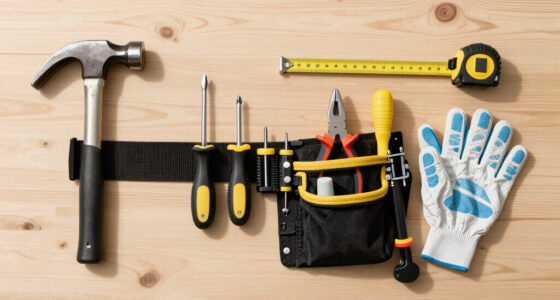
tool belt weight distribution accessories
As an affiliate, we earn on qualifying purchases.
As an affiliate, we earn on qualifying purchases.
What Happens if You Ignore Weight Balance?
Ignoring proper weight balance isn’t just uncomfortable; it can have serious health consequences. Over time, uneven weight distribution can cause persistent back pain, shoulder strain, and joint soreness, which may become chronic if not addressed. These issues often stem from muscular imbalances and joint wear caused by compensating for uneven load distribution. For instance, carrying a heavy tool on one side shifts your pelvis and spine, leading to misalignment and muscle fatigue. The long-term implications include increased risk of herniated discs, joint degeneration, and nerve compression—all of which can limit your ability to work or even cause permanent disability. The tradeoff of neglecting balance is that you might temporarily ignore discomfort, but the cumulative toll on your body can be severe and costly, both in health and productivity. Proper weight management is an investment in your long-term well-being, preventing avoidable injuries that could end your career prematurely.
Frequently Asked Questions
How do I prevent my tool belt from slipping or sagging?
Adjust the belt snugly around your waist, use suspenders if available, and redistribute tools to keep weight even. Tighten straps as needed during the day.What are the best tools to carry for balancing weight?
Prioritize lightweight, essential tools like screwdrivers, tape measures, and pliers. Keep bulkier, heavier tools close to your hips and avoid overloading your belt.How can I organize my tools to improve balance?
Place heavier tools near your hips, spread lighter items evenly, and keep frequently used tools in accessible pouches. Regularly shift tools during work to maintain balance.Are there specific belts better for weight distribution?
Yes, belts with padded straps, adjustable suspenders, and modular compartments offer better support and customizable weight distribution, especially for heavy-duty use.What are signs my belt is unbalanced or causing discomfort?
Persistent back pain, shoulder soreness, uneven fatigue, or tools shifting during work are signs you need to readjust your setup for better balance.Conclusion
Balancing your tool belt isn’t just about comfort — it’s about working smarter, safer, and longer. Take a moment each morning to organize your tools, keep heavier items near your hips, and wear suspenders if possible. Your body will thank you after a long, productive day.Fall yard work Picks
leaf blowers
As an affiliate, we earn on qualifying purchases.