TL;DR

Get business pricing on tools and workshop supplies
- Business-only prices and quantity discounts
- Tax-exempt purchasing
- Multiple users, one account, clear invoices
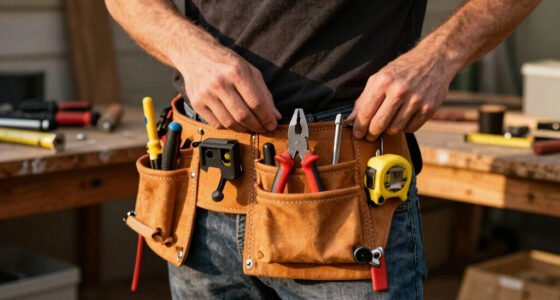
Attaching a tape measure clip keeps your tool accessible and secure during work. Use compatible clips, secure with screws or snap-on options, and ensure a firm fit for reliable use.
Choosing the right clip type depends on your work environment and how you carry your tape measure.
Proper alignment and firm securing with screws or snap-on features ensure your clip stays put.
Recent clip designs with quick-release and swivel features make attaching and adjusting easier.
Use the correct tools and avoid overtightening to prevent damaging your tape measure.
Universal clips are a versatile, cost-effective upgrade for most tape measures.
Why a Good Tape Measure Clip Matters More Than You Think
A solid clip keeps your tape measure within arm’s reach all day. It prevents drops, saves time, and reduces the hassle of hunting for misplaced tools. When you attach a clip properly, you avoid fumbling with your tape during tight spots or high-up work. A loose or poorly attached clip can turn into a lost tape, forcing costly replacements and downtime. Think of it as the hinge that keeps your tool secure and ready to go—small but mighty.
For example, a carpenter working on scaffolding relies on that clip to hold their tape steady while cutting or measuring. If the clip is insecure or poorly fitted, it might detach unexpectedly, leading to dropped tools or even potential injury if the tape snaps back. Proper attachment ensures safety and efficiency. The implications are clear: a well-secured clip minimizes work interruptions and enhances safety, especially in demanding environments where a dropped tool could cause delays or hazards. The tradeoff is investing a little extra time in proper installation but gaining peace of mind and durability in return.
universal tape measure clip replacement
As an affiliate, we earn on qualifying purchases.
As an affiliate, we earn on qualifying purchases.
Choose the Right Tape Measure Clip for Your Needs
Not all clips are built the same. Picking the right one depends on your work environment and how you prefer to carry your tape. Here’s a quick rundown:
| Type of Clip | Best For | Pros | Cons |
|---|---|---|---|
| Standard Belt Clip | Everyday use on work belts | Simple, cheap, widely available | Can slip if not secured properly |
| Swivel or Rotating Clip | Preventing tape tangles during movement | Prevents twisting, smooth movement | More complex, slightly bulkier |
| Universal or Replaceable Clips | Custom setups or upgrading | Fits multiple models, easy to swap | May not fit all tape measures perfectly |
Choosing the right clip means considering how you work. If you’re climbing ladders all day, a swivel clip might save you headaches by allowing free movement without twisting the tape. For general carpentry, a standard clip often does the trick but might require extra attention to ensure it stays secure under heavy use. Durability is also key—materials like stainless steel or reinforced plastics resist rust and wear, making them suitable for rough conditions. The tradeoff involves balancing convenience, durability, and compatibility; selecting the optimal clip enhances your efficiency and minimizes the need for replacements or adjustments during busy workdays.
As an affiliate, we earn on qualifying purchases.
Step-by-Step: How to Attach a Tape Measure Clip in 5 Easy Moves
- Identify the attachment points: Most tape measures have a small hole or slot at the end or side where the clip goes. Recognizing these points is crucial because they determine the type of clip you can attach and influence how securely your tape is held. Proper alignment ensures that the clip functions correctly, preventing accidental slips or detachment during work. Misaligned clips can cause uneven wear or stress on the tape casing, leading to earlier failure. Understanding your tape’s design helps you choose the right hardware and avoid common pitfalls like overtightening or forcing incompatible clips, which could damage the tape or reduce its lifespan.
- Choose your clip: Ensure compatibility with your tape measure—screw-in or snap-on styles work differently. Selecting the right clip involves understanding your work style and how you prefer to carry your tape. A mismatch can lead to instability or difficulty attaching the clip properly, which could result in it coming loose during use. Consider the environment: heavy-duty clips for rough conditions or lightweight versions for precision work. The implications of choosing poorly are frequent adjustments or replacements, whereas a well-selected clip provides peace of mind and consistent performance.
- Align the clip: Position it so that the opening faces outward, ready to slide onto your belt or pocket. Correct alignment is vital for ease of attachment and to prevent damage to the clip or tape measure casing. Misalignment can cause uneven stress, increasing wear and risking breakage over time. Properly aligned clips distribute tension evenly, reducing the likelihood of failure during vigorous movements. This step also ensures that the clip functions as intended, providing a secure fit that withstands daily activity and prolongs the life of both the clip and tape measure.
- Secure it: For screw-in clips, insert tiny screws with a screwdriver or drill. For snap-on, press firmly until it clicks into place. Tightening screws just enough to secure the clip prevents it from loosening over time, but overtightening can crack plastic or strip threads, reducing overall durability. The tradeoff here is between a snug fit and potential damage: too loose, and it may detach; too tight, and it could cause damage. Finding the right balance ensures the clip remains reliable without compromising the integrity of your tape measure’s casing, especially in demanding environments.
- Test the attachment: Tug gently—your clip should stay firm. Attach the tape to see if it moves smoothly without slipping. This step confirms that your installation is secure and that the clip can withstand daily use without failure. Testing also helps identify weak points or misalignments before you start work, preventing potential accidents or tool loss. A secure attachment minimizes interruptions, keeps your tape accessible, and ensures safety during high-stakes tasks. Regularly checking and adjusting your clip as needed maintains optimal performance over time.
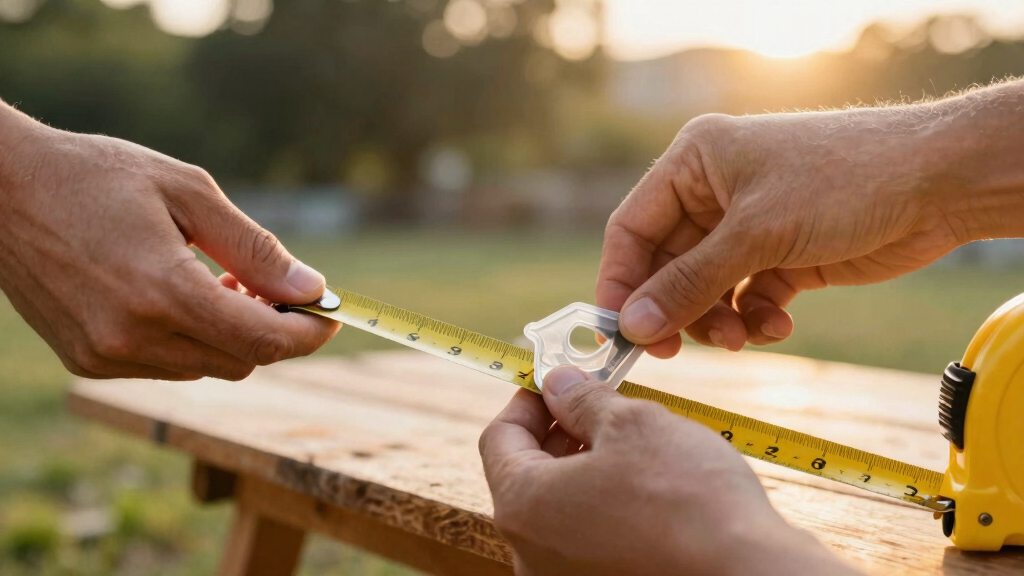
Imagine attaching a new clip to a tape measure in your workshop. The process takes less than five minutes, but it significantly enhances your tool’s usability. Proper installation ensures your tape stays put during critical moments, reducing frustration and increasing productivity. Investing this small amount of time pays off by making your workday smoother and your tools more reliable—a simple upgrade with substantial benefits.
As an affiliate, we earn on qualifying purchases.
Recent Innovations That Make Attaching Clips Easier and Better
New clip designs focus on durability and ease of use, directly impacting your workflow. Quick-release mechanisms allow you to swap clips effortlessly without tools, saving time and effort during adjustments or replacements. Magnetic features enhance convenience, enabling clips to snap onto belts or pockets instantly, reducing fumbling. Advanced materials like lightweight, corrosion-resistant stainless steel and high-strength plastics resist rust, wear, and damage, extending the lifespan of your clips. These innovations also include features like 360-degree swivels, which prevent tape tangles and allow free movement, especially when working in tight spaces or at awkward angles. Universal clips that fit multiple brands simplify upgrades and reduce the need for multiple accessories, which can otherwise clutter your toolbox. These developments mean fewer work interruptions, longer-lasting hardware, and overall improved efficiency—making your daily tasks easier and safer.
As an affiliate, we earn on qualifying purchases.
How to Ensure Your Tape Measure Clip Stays Put
Proper installation is critical for long-term reliability. Tighten screws fully to prevent loosening during use, but be cautious not to overtighten—excessive force can crack plastic or strip threads, especially on softer materials. Rivets should be set firmly; using a rivet gun ensures even compression, distributing stress and preventing the clip from loosening or falling off. Before heading into work, test the clip’s stability by gently tugging on it—if it moves or feels loose, re-tighten or replace hardware as needed. A secure fit not only prevents accidental detachment but also reduces stress on attachment points, which can cause early failure. Properly secured clips also protect your tape measure from unnecessary wear and tear, especially in demanding environments where tools are subjected to frequent movement and impact. Regular maintenance, such as checking screws and rivets periodically, extends the lifespan of your hardware and maintains safety and efficiency over time. For example, a carpenter who routinely checks his clips ensures they stay secure, avoiding costly replacements and work delays caused by dropped or loose tools.
Quick Tips for Attaching a Tape Measure Clip Without Damage
- Use the right tools—small screwdriver or drill for screws, rivet gun for rivets. Proper tools help prevent damage and ensure secure fastening, minimizing the risk of cracking or deforming the tape casing during installation.
- Align the clip carefully to avoid bending or damaging the tape’s casing. Proper alignment ensures even stress distribution, reducing the likelihood of cracks or warping that could compromise the tape’s integrity over time.
- Test fit before tightening fully—adjust as needed. This step prevents overtightening, which can cause cracks or deformation, and ensures that the clip fits snugly without unnecessary stress on the tape casing.
- Don’t overtighten—this can crack or deform the tape measure’s plastic casing. Finding the right balance between firmness and gentleness helps maintain the structural integrity of both the clip and the tape, especially in high-use environments.
- Choose clips made of durable materials to withstand daily wear and tear. Material quality directly impacts longevity and performance, reducing the need for frequent replacements and ensuring consistent security during work.
For instance, a roofing contractor carefully snaps a clip onto his tape, then gently tightens screws until secure—no damage, no fuss, just a reliable carry setup. Proper technique and attention to detail ensure your investment lasts longer and performs better over time, avoiding costly repairs or replacements caused by careless installation.
Frequently Asked Questions
How do I attach a clip to a tape measure that doesn’t have one?
Most clips attach via small screws or snap-on mechanisms. Check your tape for attachment points, then choose a compatible clip—either screw it on with a screwdriver or snap it into place. Many clips are designed for easy, damage-free installation.Can I replace or upgrade my tape measure clip?
Yes, most clips are replaceable. Look for clips with screw holes or snap-in features compatible with your tape measure. Upgrading can improve durability, comfort, and ease of access—especially if your current clip is worn or broken.What tools do I need to attach a clip?
Typically, a small Phillips or flat-head screwdriver, or a drill with the right bit. For rivet-style clips, a rivet gun works best. Some snap-on clips require no tools—just a firm press to lock them into place.Are universal clips really compatible with all tape measures?
Many brands make universal clips designed to fit a variety of tape measures, but check the size and mounting style first. Measure the attachment points on your tape, then match with a universal clip that offers similar dimensions and mounting type.How do I prevent my clip from loosening over time?
Tighten screws fully but avoid overtightening. Regularly check the clip’s stability, especially after heavy use. Upgrading to a heavier-duty or stainless steel clip can also help prevent loosening or wear over time.Conclusion
A well-attached tape measure clip transforms your workday—making your tool accessible, secure, and ready at a moment’s notice. Take a few minutes to pick the right clip, install it properly, and enjoy the convenience. A simple upgrade like this keeps your focus on the job, not on chasing lost tools.Halloween Picks
halloween
As an affiliate, we earn on qualifying purchases.