TL;DR

Get business pricing on tools and workshop supplies
- Business-only prices and quantity discounts
- Tax-exempt purchasing
- Multiple users, one account, clear invoices
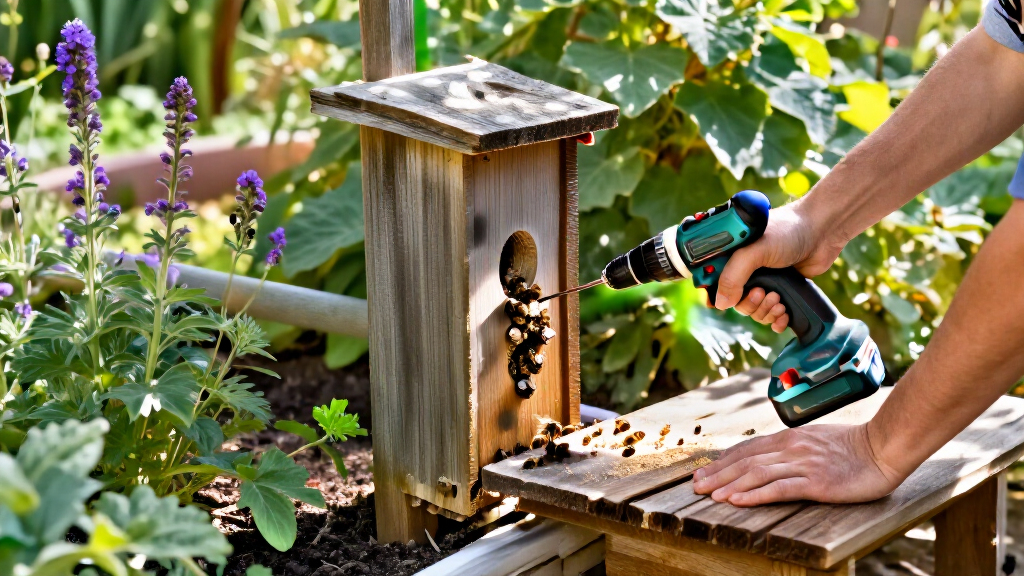
A Nature Yardlife video tutorial shows how to turn an untreated cedar fence board into a small, roofed house fitted with removable nesting tubes for mason bees. The design is a DIY option for providing nesting cavities, but the report does not establish how many bees it attracts or provide independent testing of the build.
A Nature Yardlife YouTube tutorial demonstrates turning an untreated cedar fence board into a small, roofed nesting house for solitary mason bees, offering gardeners a way to add nesting space alongside flowers. The design uses removable nesting tubes rather than a honeybee-style hive, and the report describes it as a simple project rather than providing evidence about how many bees it will attract.
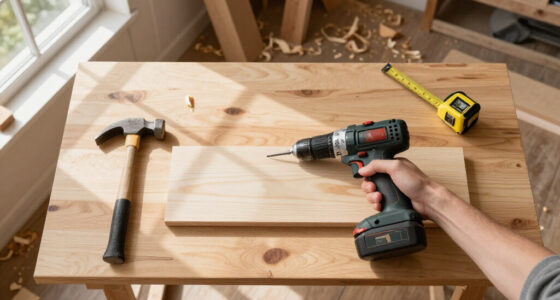
The finished structure has an overhanging roof, a small interior shelf and an upper compartment for nesting tubes. The tutorial’s materials list includes a cedar board, measuring and cutting tools, sandpaper, fasteners, mounting hardware and tubes made for mason bees. Paper liners are optional. The source says the board’s dimensions determine the house’s size, so the builder should select the tubes before cutting and make the housing deep enough to shelter them.
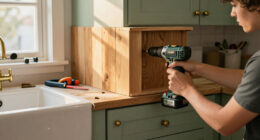
In the described build, the maker cuts matching side panels, with one side taller to create a sloped roof, then cuts pieces for the back and bottom. After sanding rough edges, the parts are assembled with screws or brad nails. A divider can create an optional lower compartment; the gardener in the video uses that space for cocoons. The roof is secured above the nesting area, and a scrap-wood strip is attached at the back for mounting.
The report recommends removable nesting tubes so they can be maintained seasonally. It warns that reusing nesting material without cleaning or replacing it can allow parasites and disease to build up. It also says to mount the house firmly under cover and face it east for morning sun. The tutorial recommends pairing it with bee-friendly plants, which provide flowers as well as a place to nest.
A Nesting Place Beyond the Flowers
The project highlights that planting flowers is not the only way a gardener can make a yard more useful to pollinators. The tutorial focuses on solitary mason bees, which, according to the source, lay and raise their young in existing cavities instead of sharing a communal honeybee hive. Tubes in a small house are intended to stand in for such spaces as hollow stems.
For readers, the practical point is that a garden’s usefulness to bees can depend on both food and nesting habitat. The build reuses a leftover board, but it also calls for purpose-made tubes and periodic upkeep. The report does not establish that this particular design improves pollination or guarantees bees will use it; it presents the house as a way to offer nesting space.
As an affiliate, we earn on qualifying purchases.
How the Fence-Board Design Works
The Hunker report describes the video as a tutorial for a compact DIY structure made from a single cedar fence board. Its approach differs from building a conventional hive: the house is a shelter for nesting tubes, while the bees remain solitary. The tubes are the central feature, so their length should guide the housing depth before the wood is cut.
The source specifies untreated cedar and gives builders a choice of screws with a drill or brad nails with a suitable nailer. The roof overhang is intended to shelter the entrance and sides. A mounting strip allows the finished house to be secured to a tree or post. The report offers these as the tutorial’s construction details, not as independently tested specifications.
“The house can be built with an extra fence board.”
— Hunker report
As an affiliate, we earn on qualifying purchases.
What the Tutorial Does Not Establish
The supplied report does not give the tutorial’s publication date, the exact dimensions of the finished house, or the number of tubes used. It also does not provide independent testing, evidence of bee occupancy, or a measured effect on pollination. The suggestion that morning sunlight helps bees become active is reported as the maker’s guidance, not as a quantified result.
It is also unclear from the source how often the tubes should be cleaned or replaced, or what specific maintenance steps are appropriate for each tube type. The report advises seasonal maintenance and warns against reusing material without proper cleaning or replacement, but does not provide a detailed protocol.
As an affiliate, we earn on qualifying purchases.
Build, Mount and Maintain the House
The next steps for a gardener following the tutorial are to choose suitable removable mason-bee tubes, measure them, and plan the cuts around their required depth. The builder can then assemble the cedar housing, sand rough edges and attach the rear mounting strip. The source recommends securing the finished house under cover with an east-facing opening, then planting flowers nearby for visiting pollinators.
After installation, the source’s guidance points to seasonal tube maintenance rather than simply leaving nesting material in place indefinitely. It does not state a schedule or report what happened to the house after use, so any results—such as whether bees occupy it—remain unreported.
As an affiliate, we earn on qualifying purchases.
Key Questions
What is the fence-board bee house designed for?
The tutorial’s house is designed to hold removable nesting tubes for solitary mason bees. It is not described as a communal honeybee hive.
What materials and tools does the project call for?
The reported list includes untreated cedar, a tape measure, pencil, saw, sandpaper, fasteners and either a drill or brad nailer. It also calls for mounting hardware and mason-bee tubes; paper liners are optional.
Which way should the bee house face?
The maker recommends placing it firmly beneath cover and facing it east, so it receives morning sun. That is the tutorial’s advice, not a measured result reported by Hunker.
Why does the house need removable tubes?
The report recommends removable tubes for seasonal maintenance and warns that nesting material reused without proper cleaning or replacement can allow parasites and disease to build up.
Will building the house guarantee bees visit the garden?
No such guarantee is established in the report. It presents the house as a way to provide nesting space and recommends nearby bee-friendly flowers, but gives no occupancy figures or measured results.
Source: rss
Fall Picks
fall essentials
As an affiliate, we earn on qualifying purchases.