
TL;DR

Get business pricing on tools and workshop supplies
- Business-only prices and quantity discounts
- Tax-exempt purchasing
- Multiple users, one account, clear invoices
Choosing the right electrician tool bag means balancing size, durability, and organization. Modern features like modular compartments and weather resistance make a big difference. Think about your tools, work environment, and comfort to pick the best fit.
Finding the right electrician tool bag isn’t just about carrying tools — it’s about making your workday smoother, safer, and more efficient. A sturdy, well-designed bag helps you access your tools quickly, protects them from damage, and reduces fatigue. It’s the difference between a chaotic scramble for your screwdriver and a smooth, organized workflow.
In this guide, you’ll learn exactly what to look for in a tool bag. From size and materials to organization features and recent innovations, I’ll help you make a choice that lasts, suits your needs, and keeps your tools in top shape.
Match your tool bag size to your typical workload and tools.
Prioritize durable materials like reinforced polyester or nylon for longevity.
Organize with multiple compartments to save time and reduce frustration.
Choose ergonomic, lightweight designs to avoid fatigue on long days.
Stay updated on modern features like weather resistance and modular compartments to boost efficiency.
How to Choose an Electrician Tool Bag
A great bag does more than carry equipment. It protects valuable tools, keeps every essential within reach, and reduces the strain that builds across a long working day.
Start with the workday
List the tools you use on a typical job, note where you work, then choose the smallest bag that carries the load comfortably—with modest room for future additions.
Match the load
Fit screwdrivers, pliers, meters, drills and consumables without creating an oversized, exhausting carry.
Protect the investment
Prioritize reinforced polyester, nylon or treated leather, plus a rigid base and heavy-duty zippers.
Assign every tool
Dedicated pockets, dividers and labels reduce search time while shielding meters and delicate instruments.
Carry without strain
Padded straps, ergonomic handles and balanced weight distribution matter on ladders and long site walks.
Open, see, retrieve
Wide openings, quick-release features and visible storage keep frequently used tools immediately available.
Keep tools controlled
Secure compartments, lockable zippers and tracking features help prevent spills, loss and theft.
Find the useful middle
Too small means repeat trips and missing essentials. Too large reduces mobility and invites unnecessary weight. The right fit supports quick access without overloading the carrier.
The capacity spectrum
A medium bag is the practical starting point for many electricians.
Run the loaded-bag test
Evaluate the bag with real tools—not while it is empty on a shelf.
Choose protection by environment
Material is only one part of durability. Inspect stitching, zipper quality, handle anchoring and—most importantly—the bottom that repeatedly meets rough surfaces.
| Material | Weight | Abrasion resistance | Weather handling | Best fit |
|---|---|---|---|---|
| Heavy polyester | ✓ Light | ✓ Strong | ~ Resistant | Everyday value |
| Ballistic nylon | ~ Moderate | ✓ Excellent | ✓ Strong | Demanding sites |
| Treated leather | ✗ Heavy | ✓ Excellent | ~ Needs care | Long service life |
| Light composite | ✓ Very light | ~ Varies | ✓ Strong | Mobile work |
Always verify manufacturer-specific waterproofing, load limits and cleaning instructions.
From choice to outcome
Good design creates a chain reaction: less searching, safer movement, lower fatigue and better protection for the tools that earn their keep.
Daily essentials and future gear
One logical home per tool
Less searching and disruption
Secure meters, parts and tools
Comfort, safety and efficiency
Spend where it matters
Durability and organization deliver the broadest everyday value. Smart additions can be worthwhile when they solve a genuine site problem rather than simply adding complexity.
Modern features worth testing
Questions electricians ask
Use these answers as a shortlist filter, then confirm dimensions and comfort with your own equipment.
What size should I get?
Choose around your normal workload. Smaller bags improve mobility; larger models suit power tools but increase carried weight.
Which brands are well regarded?
Klein Tools, Milwaukee, DeWalt and CLC are commonly recognized for functional, durable electrician storage.
Can I carry power tools?
Yes—when the bag includes reinforced compartments, a strong base and a load rating suitable for the equipment.
How should I clean it?
Use a damp cloth and mild soap. Avoid soaking the bag unless the manufacturer explicitly permits it.
Size and Capacity: Find the perfect fit for your tools
Your tool bag should match your workload. Too small, and you’ll constantly be searching for tools. Too big, and it becomes heavy and unwieldy. Think about your daily tools — screwdrivers, pliers, meters, drills — and add room for future gear. For most electricians, a medium-sized bag with around 20-30 pockets strikes a good balance. If you carry larger power tools, look for bags with reinforced compartments designed for weight and size.
Choosing the right size directly impacts your efficiency. A bag that’s too small forces you to make multiple trips or leave essential tools behind, slowing down your work. Conversely, an oversized bag can cause fatigue and reduce mobility, especially when climbing ladders or navigating tight spaces. Finding a balanced size ensures quick access without unnecessary weight, enabling you to work more comfortably and effectively.
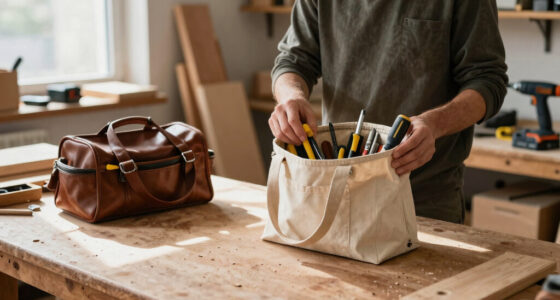
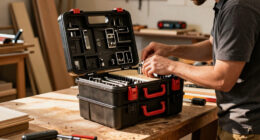
electrician tool bag with modular compartments
As an affiliate, we earn on qualifying purchases.
As an affiliate, we earn on qualifying purchases.
Durability and Material Matter — Here’s what lasts
Durability is king because your tool bag endures constant physical stress — drops, water splashes, abrasive surfaces, and frequent handling. Choosing the right materials ensures your tools stay protected over time. Heavy-duty polyester and nylon are popular because they resist tearing, UV damage, and abrasion, but understanding their limitations is key. Leather offers exceptional longevity and a professional look but can be heavier and less water-resistant unless treated properly.
Reinforced bottoms with rubber pads are critical because they absorb shocks and prevent wear from dragging or dropping. Water-resistant fabrics are especially important if you work outdoors or in damp environments, as they prevent moisture from seeping in and damaging tools. The tradeoff often involves balancing weight and flexibility; heavier materials may offer more protection but can add to fatigue during long carries. Prioritizing quality materials means fewer replacements, better protection for your tools, and fewer interruptions in your workday.
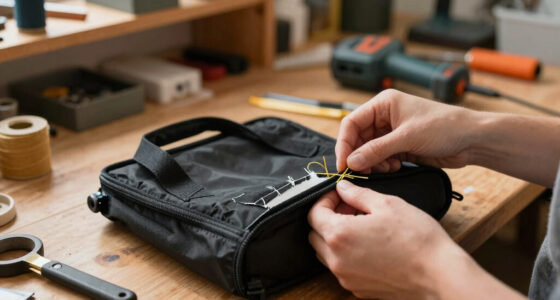
heavy-duty electrician tool bag nylon
As an affiliate, we earn on qualifying purchases.
As an affiliate, we earn on qualifying purchases.
Organize with Purpose: Why compartments matter
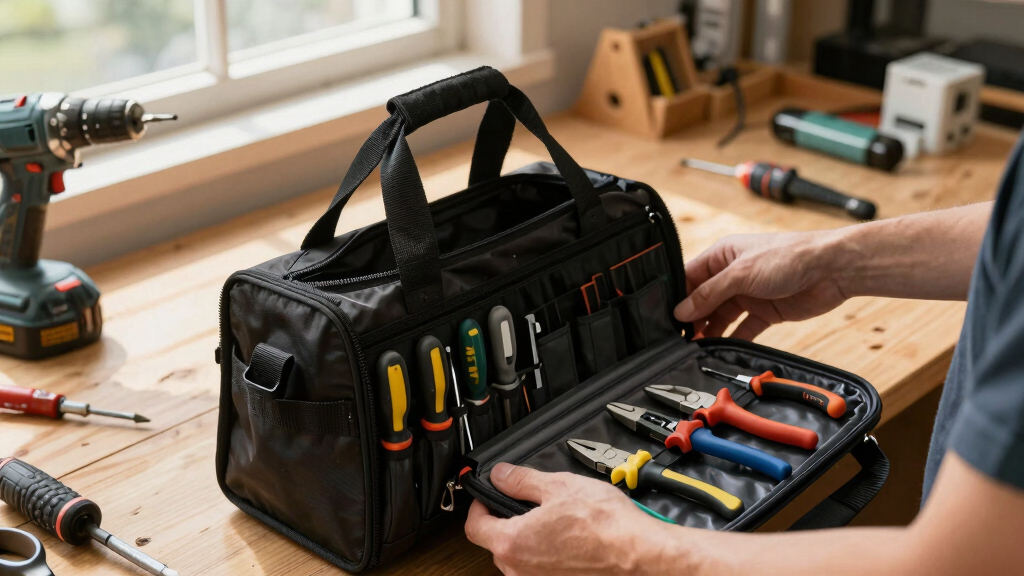
A tool bag with multiple pockets, dividers, and labeled sections is more than just convenient — it fundamentally changes your workflow. Proper organization minimizes the time spent searching for the right tool, reducing frustration and increasing productivity. Modular compartments that you can remove or rearrange add flexibility, allowing you to customize your setup based on the day’s tasks or project requirements.
For example, dedicated pockets for multimeters, screwdrivers, and small parts mean you can quickly grab what you need without rummaging through a cluttered bag. Clear pockets or labels further enhance speed by reducing the cognitive load of remembering where each tool is stored. This organization not only saves time but also helps prevent damage to delicate instruments and reduces the risk of forgetting essential tools, which can lead to delays or safety issues on site.
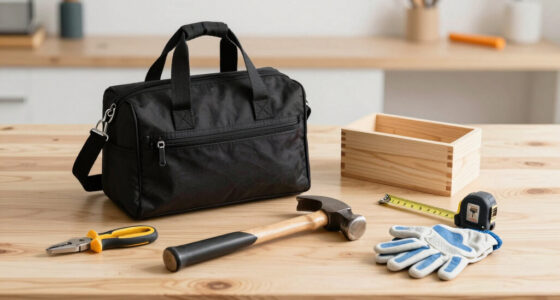
weather-resistant electrician tool bag
As an affiliate, we earn on qualifying purchases.
As an affiliate, we earn on qualifying purchases.
Portability and Comfort: Carrying tools all day
Electricians often carry their tools for hours, sometimes in challenging conditions. Handles, padded shoulder straps, or backpack styles are essential features that influence comfort and fatigue levels. Ergonomic designs that distribute weight evenly across your shoulders and back help prevent strain and long-term injuries. Lightweight yet sturdy materials contribute to reducing overall weight without sacrificing strength.
Imagine lugging a heavy bag up a ladder or through a busy worksite. Without proper support and balance, this can lead to fatigue, back pain, or even accidents. Features like padded straps, adjustable harnesses, and balanced weight distribution significantly improve comfort, enabling you to work longer without discomfort. Investing in these features pays off by maintaining your efficiency and reducing physical stress over time.
ergonomic electrician tool bag lightweight
As an affiliate, we earn on qualifying purchases.
As an affiliate, we earn on qualifying purchases.
Latest Features: What’s new and why it matters
Modern electrician tool bags incorporate innovative features that enhance usability and resilience. Modular, customizable compartments allow you to tailor your bag for specific tasks, reducing clutter and improving efficiency. Weather-resistant fabrics protect your tools from rain and moisture, extending their lifespan. Built-in USB charging ports and LED lights are game-changers in dark or wet conditions, providing convenience and safety. RFID tags and smart tracking systems help you keep tabs on your tools, minimizing loss and theft.
For instance, a bag with an integrated LED light allows you to see your tools clearly in tight, poorly lit spaces, reducing errors and increasing safety. Weatherproofing ensures your equipment stays dry during outdoor jobs or sudden downpours, preventing rust and damage. These features aren’t just luxury add-ons; they directly impact your productivity, safety, and the longevity of your tools, making your work more efficient and less stressful.
Quick Comparison: What to look for in a tool bag
| Feature | Why it Matters |
|---|---|
| Size | Fits your tools and future growth. A well-chosen size ensures you can carry everything you need without excess weight, which is crucial for maintaining mobility and reducing fatigue during long workdays. |
| Material | Durability and weather resistance. High-quality materials protect your tools and extend the life of your bag, especially in tough environments where wear and tear are inevitable. |
| Compartments | Organization and quick access. Multiple, well-designed compartments prevent clutter, saving time and reducing the risk of damaging delicate tools or missing essentials. |
| Portability | Comfort during long carries. Features like padded straps and ergonomic handles make it easier to transport your tools over long distances or challenging terrains, reducing fatigue and injury risk. |
| Features | Extra benefits like LED, RFID, or modular design enhance usability, safety, and customization, allowing you to adapt your bag to specific needs and improve overall efficiency. |
Questions Electricians Ask Before Buying
- What size should I get? Smaller bags are portable; larger ones hold more tools but can be heavy. Consider your typical workload and how much weight you’re comfortable carrying daily.
- Are there brands that stand out? Yes, Klein Tools, Milwaukee, Dewalt, and CLC are known for quality and durability. Researching trusted brands helps ensure you get a reliable product that lasts.
- How do I keep my bag clean? Usually with a damp cloth and mild soap. Avoid soaking unless specified by the manufacturer. Regular cleaning prevents dirt buildup that can degrade materials over time.
- What safety features should I look for? Lockable zippers, sturdy construction, and reflective accents enhance security and visibility, reducing theft risk and increasing safety on busy sites.
- Can I carry power tools? Larger, reinforced bags with dedicated compartments are best for power tools. Properly designed compartments prevent damage and make transportation safer.
Conclusion
The right electrician tool bag isn’t just a carrier — it’s a productivity booster. Pick one that fits your tools, withstands tough conditions, and keeps you comfortable. Your tools will thank you, and so will your back at the end of a long day.
Remember: a well-chosen bag is an investment in your workflow. It’s not just about carrying tools — it’s about carrying them smarter, safer, and longer.
Halloween Picks
halloween
As an affiliate, we earn on qualifying purchases.