TL;DR
Tool bags are lightweight and flexible, perfect for quick, small jobs. Toolboxes are sturdy and offer better protection for larger or more delicate tools. Your choice hinges on your project scope and tool collection size.
Choose a tool bag for quick, small repairs with minimal tools needed.
Opt for a toolbox when you have a larger collection or need to protect delicate items.
Modern designs with wheels and modular compartments make both options more user-friendly.
Consider how often and where you’ll carry your tools—this affects your choice.
Invest in durable, weather-resistant materials to extend your gear’s lifespan.
What a Tool Bag Does Better Than a Toolbox
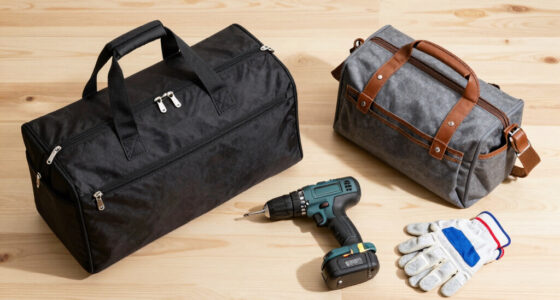
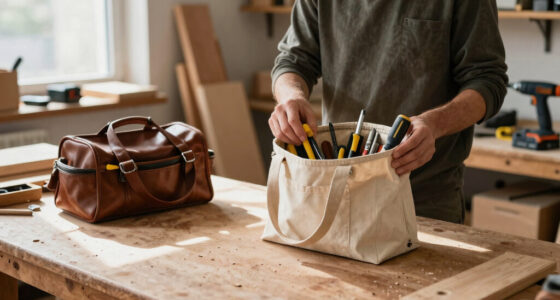
A tool bag is the lightweight, flexible buddy for quick jobs and small repairs. Made of fabric, leather, or soft materials, it molds to your needs and is easy to carry around. Imagine fixing a leaky faucet—just grab a small bag with your pliers, screwdriver, and a few extras.
For homeowners, a tool bag shines when you need to move fast and keep tools handy. Its flexible compartments let you toss in what you need without fuss. But beware—less protection means fragile or expensive tools might get banged up.
Using a tool bag for quick fixes is about efficiency. It allows you to organize only the essentials and access them rapidly, which is crucial when time is limited. However, this flexibility comes with a tradeoff: less protection means your tools are more vulnerable to damage, especially if you’re working in rough environments or transporting fragile items frequently.
For example, a homeowner fixing a loose cabinet hinge might use a small fabric bag with just a screwdriver, pliers, and a few screws. Quick, simple, effective.
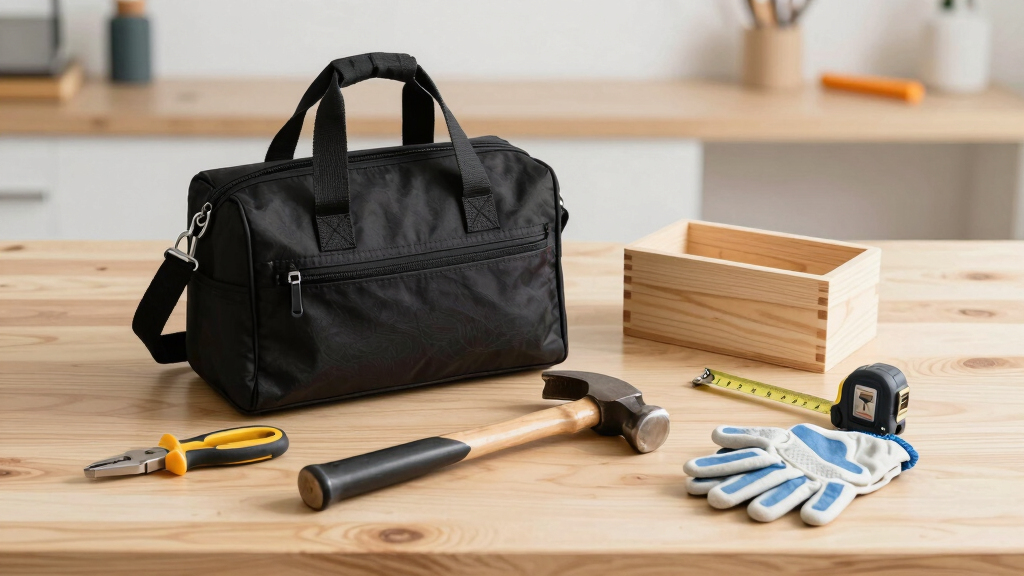
lightweight tool bag for homeowners
As an affiliate, we earn on qualifying purchases.
As an affiliate, we earn on qualifying purchases.
Why a Tool Box Is Your Heavy Lifter
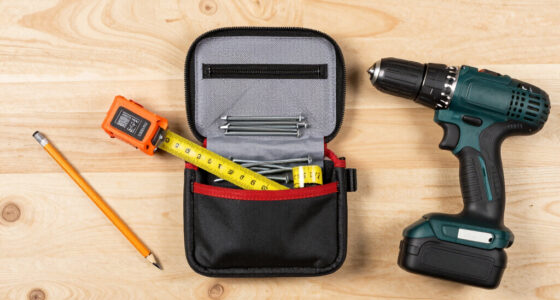
A tool box is the sturdy, organized workhorse for bigger collections and delicate tools. Usually made of plastic, metal, or wood, it offers solid protection from impacts, moisture, and dust. Think of it as a safe for your favorite power drill and saw blades.
Homeowners with a growing set of tools or expensive gear should lean toward a toolbox. It keeps everything in place with compartments, trays, or removable inserts. Plus, many come with wheels, making it easier to move heavier loads.
Choosing a toolbox isn’t just about storage; it’s about safeguarding your investment. Proper organization prevents tools from banging into each other, which can cause damage or dull blades. The added protection ensures your tools last longer and perform better. The tradeoff is that heavier, more protective cases can be less convenient to carry around, especially if you don’t have wheels or multiple handles.
For instance, if you’re remodeling your basement, a toolbox with multiple trays can hold your drills, wrenches, and screws, all protected from bumps and spills. This organization streamlines your workflow and minimizes the frustration of searching for misplaced tools.
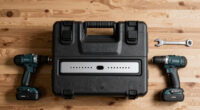
sturdy plastic tool box with wheels
As an affiliate, we earn on qualifying purchases.
As an affiliate, we earn on qualifying purchases.
Tool Bag vs Tool Box: How They Stack Up
| Feature | Tool Bag | Toolbox |
|---|---|---|
| Weight | Light as a feather, easy to carry | Heavier, especially when loaded |
| Protection | Minimal—good for non-sensitive tools | High—shields tools from impacts, dust, moisture |
| Organization | Flexible compartments, less rigid | Structured trays, dividers, inserts |
| Portability | Handles, shoulder straps; highly mobile | Wheels, handles; easier with weight |
| Cost | Generally less than $50 | From $20 to several hundred dollars |
organized tool storage with compartments
As an affiliate, we earn on qualifying purchases.
As an affiliate, we earn on qualifying purchases.
Picking the Right One for Your Home Projects
Deciding between a tool bag and a toolbox hinges on your typical tasks. Do you fix things around the house often? Or do you tackle bigger projects like remodeling?
If you mostly do quick fixes—changing a faucet, hanging a picture—a tool bag keeps your essentials at your fingertips. For more extensive work, a toolbox offers the organization and protection you need.
For example, a homeowner installing a new shelf might keep their screws, level, and drill bits in a small toolbox. Meanwhile, a DIY enthusiast fixing a fence might carry a tool bag with just pliers, a screwdriver, and a tape measure.
As an affiliate, we earn on qualifying purchases.
Modern Features Making Your Choice Easier
Advances in materials and design have blurred the lines. Today, you’ll find tool bags made of weather-resistant fabrics and toolboxes with modular, customizable compartments. Some even include RFID tags to track your tools.
Wheels, ergonomic handles, and lightweight plastics make transport smoother. Think of a homeowner moving from workspace to workspace—each feature saves effort and time.
For example, a homeowner with a large collection might opt for a toolbox with wheels and removable trays. Meanwhile, a person who repairs small things on the go might prefer a rugged, foldable tool bag.