
TL;DR

Get business pricing on tools and workshop supplies
- Business-only prices and quantity discounts
- Tax-exempt purchasing
- Multiple users, one account, clear invoices
A good plumber’s tool bag should match your workload, be durable, and keep tools organized. Recent trends include ergonomic designs and eco-friendly materials. Pick wisely to work smarter, not harder.
Ever tried juggling tools in a flimsy bag that spills everything every time you bend down? A solid, well-chosen plumber’s tool bag isn’t just about holding tools — it’s about boosting your efficiency, protecting your gear, and easing your workload.
Whether you’re a seasoned pro or just starting out, picking the right bag makes a difference. It’s not just about size or price. It’s about finding a durable, organized, and comfortable setup that keeps your tools within arm’s reach and ready for action.
Choose a size that matches your daily tool load—don’t overpack or underpack.
Durability depends on high-quality nylon or polyester, which can last 5+ years with proper care.
Organize tools with multiple compartments and magnetic strips—saving time and preventing loss.
Prioritize comfort features like padded straps and balanced weight distribution.
Invest in weatherproofing if working outdoors often—moisture can ruin tools and shorten their lifespan.
How to Choose a Plumber’s Tool Bag
A strong tool bag does more than hold gear. It protects your investment, keeps essentials within reach, and reduces the fatigue caused by awkward loads. Match the bag to your real workload—not the largest option on the shelf.
A practical range for most professionals carrying daily repair and installation essentials.
Possible with high-quality nylon or polyester, reinforced seams, and proper care.
Enough space for essentials, with no excess bulk that reduces mobility.
Typical range once everyday plumbing tools are packed.
Entry-level bags suit light or occasional workloads.
Premium builds add structure, comfort, and longevity.
Useful only when the larger load is genuinely required.
Carry the job, not the whole workshop
Start with the tools you use on a normal day. A bag that is too small creates repeat trips; one that is too large invites overpacking, fatigue, and slower movement. Flexible storage is the safest middle ground.
20–30 L for most pros
This range usually accommodates wrenches, pliers, drivers, testers, fittings, and small consumables without becoming unwieldy.
Capacity by workload
Relative bag volume needed for a typical tool load
Durability starts with the shell
Plumbing bags face water, mud, sharp edges, heavy tools, and rough floors. Material quality, seam reinforcement, base construction, and zipper strength matter more than appearance alone.
| Material | Toughness | Water resistance | Weight | Maintenance | Best fit |
|---|---|---|---|---|---|
| 1680D nylon | ✓ Excellent | ✓ Strong | ~ Medium | ✓ Easy | Daily professional use |
| Coated polyester | ~ Good | ✓ Strong | ✓ Light | ✓ Easy | Mobile and budget-conscious work |
| Leather | ✓ Excellent | ✗ Limited | ✗ Heavy | ~ High | Dry sites and traditional setups |
| Light polyester | ✗ Variable | ~ Moderate | ✓ Very light | ✓ Easy | Occasional or beginner use |
Field benchmark: reinforced high-denier nylon offers a strong balance of tear resistance, moisture protection, manageable weight, and long service life.
Every tool needs a predictable home
Good organization reduces search time, prevents small parts from disappearing, and limits damage from tools striking each other. The best layout stays simple enough to reset at the end of every job.
Open-access pockets
Keep everyday pliers, drivers, and gauges visible and reachable without unloading the main compartment.
Dividers and labels
Separate fittings, bits, seals, and consumables. Transparent pockets make identification faster under pressure.
Loops and magnetic strips
Tool loops stabilize longer items while magnetic strips keep small metal tools secure but immediately accessible.
Repair, testing, cutting, and fittings.
Daily tools go closest to the opening.
Use sleeves, loops, or rigid pockets.
Return every item to the same location.
Protect your body and your tools
A loaded bag can reach 10–20 pounds before extra fittings are added. Balanced weight distribution and weather protection are functional requirements, especially on long shifts or outdoor sites.
Make the load feel lighter
Look for padded handles, adjustable shoulder straps, a stable base, and a balanced internal layout. Backpack designs spread weight across both shoulders and suit stairs, ladders, commutes, and multi-site work.
Stop moisture before rust starts
For damp or outdoor work, favor coated nylon or polyester, sealed compartments, protected zippers, and a rigid waterproof base. Water resistance is worth the cost when puddles and splashes are routine.
Less strain means better mobility, steadier work, and lower fatigue across a full shift. Test the bag with realistic weight before committing.
Useful innovation, without the gimmicks
Recent designs focus on reduced strain, modularity, sustainable materials, and inventory control. Choose extras only when they solve a recurring problem in your actual workflow.
Better balance
Contoured padding and load-stabilizing straps reduce pressure points during long carries.
Job-specific carry
Interchangeable pouches let one base bag adapt to repairs, installations, or inspections.
Inventory visibility
Device sleeves and RFID-ready layouts can support tracking for larger professional tool sets.
Lower-impact fabrics
Recycled textiles and responsible manufacturing offer more sustainable buying options.
Wide-open structure
Rigid openings and quick-release closures reduce digging while keeping the bag stable.
Integrated lighting
Built-in LED lighting can help identify tools in cabinets, basements, and low-light spaces.
Five checks before you buy
The best bag is not automatically the largest, toughest, or most expensive. It is the one that fits your core toolkit, working environment, carrying style, and organization habits.
Pack for the daily load, with a small flexible buffer.
Check fabric, seams, zipper quality, and base reinforcement.
Confirm frequent tools have obvious, accessible locations.
Adjust the straps and walk with realistic weight.
Add weatherproofing when moisture exposure is routine.
20–30 L, reinforced nylon, modular storage
Add padded adjustable straps, a rigid moisture-resistant base, durable zippers, and a layout that keeps daily tools visible.
Buy for your real workload and protect both your gear and your body.
How to Pick the Perfect Size and Capacity for Your Work
The first step is knowing what tools you carry daily. A small bag might be fine for simple repairs, but a busy plumber with a full set of wrenches, connectors, and tester tools needs more space.
Think of it like packing for a trip. Overpack, and you’ll struggle to carry everything. Underpack, and you’ll leave essentials behind. Look for a bag with adjustable compartments or modular pouches to adapt as your toolkit grows or shrinks.
For example, a medium-sized bag with about 20-30 liters of capacity works for most pros. Larger jobs might need 40+ liters, but beware — bigger isn’t always better if it becomes heavy or unwieldy.
Choosing the right size influences your efficiency. A bag that’s too small can cause you to make multiple trips or leave essential tools behind, slowing down your work. Conversely, an overly large bag might seem like an advantage but can become cumbersome, leading to fatigue and decreased mobility. Modular options allow you to customize your setup, ensuring you carry what’s necessary without excess weight, and adapt to different jobs seamlessly.
Deeply considering your daily tasks helps you avoid common pitfalls: a bag that’s too small causes constant trips, wasting time, while one that’s too large can cause strain and reduce agility. The key is balance—select a size that matches your typical workload, with flexibility for growth or variation. This strategic choice directly impacts your productivity, safety, and comfort on the job.
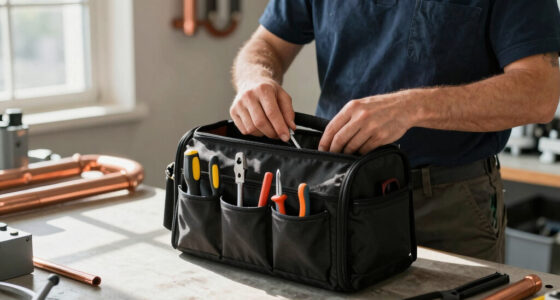
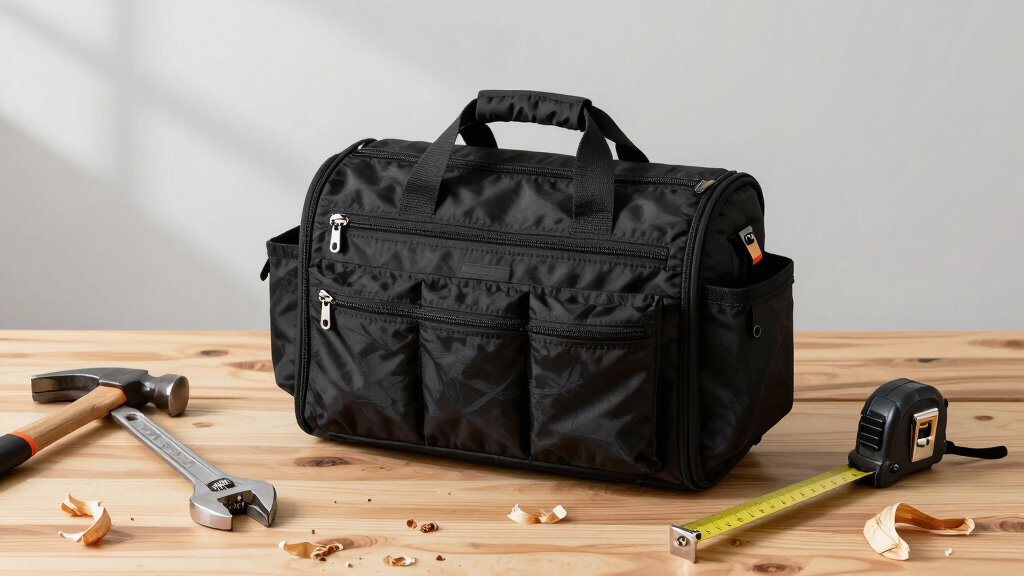
plumber's tool bag with multiple compartments
As an affiliate, we earn on qualifying purchases.
As an affiliate, we earn on qualifying purchases.
Durability Matters: What Materials Last in the Field
Plumber’s tool bags face water, mud, sharp edges, and heavy weight. So, durability is non-negotiable. Common materials include nylon, polyester, and leather. Each has pros and cons.
For instance, heavy-duty nylon with reinforced seams resists tearing and stands up to years of daily abuse. Leather looks sharp but can be stiff and less water-resistant. Polyester is lightweight and affordable but may wear out faster if not high-quality.
Real-world tip: A bag made from 1680D nylon offers a good balance — tough enough for rough sites and resistant to moisture, which is common in plumbing work.
The choice of material impacts not just longevity but also how well your tools are protected. For example, nylon with reinforced seams can withstand the rigors of a construction site, reducing replacement costs over time. Leather, while durable and stylish, may require more maintenance and is less forgiving in wet conditions. Polyester, especially high-denier variants, offers a lightweight alternative but needs to be of high quality to endure heavy daily use. Understanding these tradeoffs helps you select a bag that balances durability, maintenance, and cost, ensuring your tools stay safe and your investment lasts longer.
Deeply understanding the implications of material choice allows you to prioritize what matters most: whether it’s maximum longevity, ease of maintenance, or weight considerations. For example, if you work in wet environments daily, selecting a water-resistant nylon or coated polyester can save money over time by preventing rust and degradation. Conversely, if appearance and prestige matter, leather might be appealing but comes with higher upkeep and less water resistance. Weighing these factors ensures your investment aligns with your work conditions and long-term needs, reducing downtime and repair costs.
As an affiliate, we earn on qualifying purchases.
Organize Tools Fast with Smart Compartments and Pockets
Nothing slows you down like digging through a jumble of tools. A plumber’s tool bag with multiple pockets, dividers, and pouches keeps everything in its place.
For example, dedicated spots for wrenches, screwdrivers, and small parts prevent misplacing vital pieces. Magnetic strips inside the bag can hold metal tools like screwdrivers or bits, so they’re always at your fingertips.
Plus, look for bags with transparent pockets or labels — quick IDs save precious minutes on busy days.
Efficient organization isn’t just about convenience; it directly impacts your productivity. When tools are well-arranged, you spend less time searching and more time working. Using dedicated compartments for frequently used tools reduces clutter and prevents damage from tools banging into each other. Magnetic strips are particularly helpful for small, metallic tools, keeping them secure yet accessible. Transparent pockets and labels further streamline your workflow by allowing instant identification of contents, which is crucial during high-pressure situations. Deeply organizing your tools minimizes downtime, prevents frustration, and helps maintain a professional, efficient approach to your work. The tradeoff is that overly complex systems can sometimes slow you down if not well thought out—so balance simplicity with accessibility for maximum benefit.
ergonomic plumber's tool bag with padded straps
As an affiliate, we earn on qualifying purchases.
As an affiliate, we earn on qualifying purchases.
Portability and Comfort: How Your Bag Should Feel
If your bag feels like a gym workout before you even start, it’s the wrong fit. Portability features like padded handles, adjustable shoulder straps, and balanced weight distribution make a huge difference.
Imagine carrying a fully loaded bag up a ladder. A lightweight, padded strap setup reduces strain, letting you focus on the job instead of your aching back.
For example, a backpack-style tool bag distributes weight evenly, ideal for long commutes or multi-site work.
Choosing a comfortable bag isn’t just about convenience; it’s about preventing fatigue and injury. Proper ergonomic features help distribute weight evenly across your shoulders and back, reducing strain during long days. Padded handles and adjustable straps prevent pressure points that can cause discomfort or even long-term musculoskeletal issues. A balanced, ergonomic design allows you to carry heavier loads without sacrificing mobility or risking injury, which is especially important when working on multi-story buildings or across rugged terrain. Investing in comfort features ensures you stay productive and injury-free, ultimately saving you time and healthcare costs in the long run. Deeply considering ergonomic features means understanding how weight distribution impacts your body and choosing a bag that aligns with your physical needs and work conditions.
As an affiliate, we earn on qualifying purchases.
Weatherproofing: Protect Your Tools from the Elements
Working outdoors or in damp environments calls for weather-resistant gear. Water-resistant fabrics or sealed compartments keep moisture off your tools and prevent rust.
For example, a bag with a coated nylon shell and waterproof zippers will stand up against rain, puddles, and splashes. Think about the last storm you faced — your tools should stay dry, not soaked in mud and water.
Real-life tip: Regularly applying a water-repellent spray extends the life of your bag, especially if you work in wet conditions often.
Weatherproofing isn’t just about keeping your tools dry; it’s about preventing corrosion and damage that can compromise their performance. Choosing a bag with a waterproof shell and sealed zippers creates a reliable barrier against rain, mud, and splashes—common hazards in plumbing environments. This protection helps maintain your tools’ integrity, preventing rust and deterioration that could lead to expensive repairs or replacements. Regular maintenance, like applying water-repellent sprays, enhances these protective features and prolongs your bag’s lifespan. Deeply understanding these features enables you to select gear that offers maximum protection in your specific working conditions, ultimately reducing downtime and long-term costs associated with damaged tools and equipment.
Latest Trends in Tool Bags You Should Know About
Modern tool bags are more than just tough fabric and zippers. Manufacturers now focus on ergonomic design for comfort, eco-friendly materials for sustainability, and modular systems for customization.
For instance, some bags incorporate padded straps with breathable mesh, reducing sweat and strain. Others use recycled fabrics, helping tradespeople stay green while working tough jobs.
Tech-savvy options include built-in LED lights for dark corners and RFID pockets for inventory tracking, making your day smoother and smarter.
Staying updated with these trends can greatly enhance your efficiency and reduce your environmental impact. Ergonomic designs improve comfort, especially during long shifts, reducing fatigue and injury risk. Eco-friendly materials demonstrate a commitment to sustainability, aligning with modern values and often providing durable, high-quality options that last longer. Modular systems allow you to customize your setup for different jobs, increasing versatility. Tech integrations like LED lights and RFID tracking make your workflow more efficient and organized. Embracing these innovations ensures you’re working with the best tools available, ultimately making your job easier, safer, and more environmentally responsible.
How Much Should You Expect to Spend?
The price of a plumber’s tool bag varies widely. Basic models start around $20, suitable for weekend warriors or DIYers. Professional-grade bags with reinforced materials, multiple compartments, and ergonomic features can cost over $100.
Investing in a quality bag pays off. It lasts longer, protects your tools better, and saves time on the job. Consider your typical workload and choose a bag that balances cost with durability and features.
Remember, a cheap bag might need replacing every 1-2 years. A mid-range or high-end model could serve you for 5+ years if well cared for.
When budgeting, think about the long-term savings. A slightly higher upfront cost for a durable, feature-rich bag often translates into lower replacement and maintenance costs over time. Cheaper models might seem like a bargain initially but can lead to frequent replacements and increased frustration. Prioritizing quality and features that match your work demands ensures you get value for your money, making your investment a smart one that pays off in the long run.
Should I Choose a Backpack or Shoulder Bag?
Backpack-style tool bags distribute weight evenly across your shoulders and back, reducing fatigue during long days or when carrying heavy loads. Shoulder bags are easier to grab and go but can strain one side if overloaded.
For example, if you work on multiple sites across a day, a backpack keeps you balanced. If you prefer quick trips with fewer tools, a shoulder bag might be enough.
Think about your body, workload, and personal comfort. Sometimes, a hybrid design offers both options—try before you buy.
Choosing between a backpack and shoulder bag isn’t just about convenience; it’s about health and efficiency. A backpack’s even weight distribution minimizes strain on your back and shoulders, reducing the risk of discomfort or injury over time. This is especially beneficial during long hours or when carrying heavier tools. Shoulder bags, while more accessible, may cause uneven strain if overloaded, leading to potential musculoskeletal issues. Assess your typical workload, physical condition, and personal preference. Some manufacturers now offer hybrid designs combining features of both, providing flexibility and ergonomic benefits. Making an informed choice helps you work longer, safer, and more comfortably, ultimately enhancing your productivity and well-being.
How to Keep Your Tool Bag in Top Shape
Cleaning your tool bag regularly extends its life. Empty it out, shake off dirt, and wipe down with a damp cloth. For fabric bags, a gentle soap solution works well. Leather options benefit from specialized cleaner and conditioner.
Inspect zippers, seams, and straps monthly. Replace worn-out parts before they tear. Store your bag in a dry, cool spot away from direct sunlight to prevent fading and material breakdown.
Real-world tip: After a muddy job, rinse the bag with water, hang it to dry, and apply a water-repellent spray to keep it waterproof for future use.
Maintaining your tool bag isn’t just about appearance; it’s about ensuring your tools stay protected and your bag remains reliable. Regular cleaning prevents dirt buildup that can degrade materials over time, while inspecting zippers and seams catches issues early before they become costly repairs. Proper storage in a dry, shaded area prevents unnecessary wear from sunlight and moisture. Addressing minor damages promptly, like replacing worn straps or repairing tears, extends the bag’s lifespan and maintains its protective features. This proactive approach minimizes downtime and ensures your investment continues to serve you well, saving money and hassle in the long run.
Frequently Asked Questions
What size of tool bag do I need as a beginner versus a professional?
Beginners can start with a smaller bag around 15-20 liters, enough for essential tools. Professionals handling multiple jobs daily may need 30-50 liters or more for full kits and spare parts.
Are waterproof or weatherproof bags worth the extra cost?
Yes. If you work outdoors or in damp environments, waterproof bags protect your tools from rust and water damage, saving money on replacements over time.
How do I organize my tools efficiently in a tool bag?
Use multiple compartments, pouches, and magnetic strips. Keep frequently used tools in easy-to-reach spots, and group similar tools together for quick access.
What are the best materials for durability and longevity?
High-denier nylon (like 1680D) and reinforced polyester offer excellent durability. Leather is stylish but less water-resistant and heavier.
Should I choose a backpack-style tool bag or a traditional shoulder bag?
Backpacks distribute weight evenly, ideal for long days or heavy loads. Shoulder bags are more convenient for quick, light trips. Choose based on your work style and comfort.
Conclusion
The right plumber’s tool bag isn’t just about holding tools — it’s about working smarter. Pick a bag that fits your workload, withstands the job site chaos, and keeps your tools accessible and protected.
In the end, a well-chosen bag is an investment in your productivity—and your back. Find one that feels right, and your tools will thank you.
Fall yard work Picks
leaf blowers
As an affiliate, we earn on qualifying purchases.