TL;DR

Get business pricing on tools and workshop supplies
- Business-only prices and quantity discounts
- Tax-exempt purchasing
- Multiple users, one account, clear invoices
A smart tool belt setup helps fence installers work faster, safer, and more comfortably. Focus on organization, durability, and ergonomics, and stay updated on new features like modular pouches and safety enhancements.
Imagine spending hours on your feet, swinging a hammer, measuring, and juggling tools. Without the right setup, your belt turns into a weighty, awkward mess, slowing you down and causing fatigue. A smartly organized tool belt isn’t just about holding your gear—it’s about working smarter, faster, and safer.
In this guide, you’ll learn how to craft a setup that fits your needs, minimizes strain, and keeps your tools within arm’s reach. Whether you’re new to fence installation or looking to sharpen your existing setup, these tips will help you stay on top of your game.
Choose a belt width of 3-5 inches for a balance of capacity and comfort.
Organize tools by frequency of use—most accessed tools should be front and center.
Durable materials like reinforced nylon or leather withstand tough conditions.
Regularly maintain and tidy your tools and belt to extend their lifespan.
Use modular pouches and safety features like reflective strips to customize and stay safe.
How to Pick the Perfect Tool Belt Size and Style for Fence Work
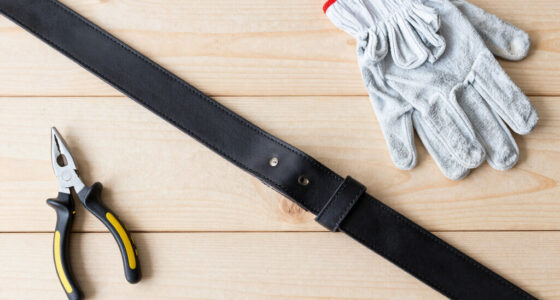
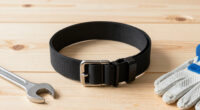
Choosing the right tool belt isn’t just about size—it’s about fit, weight, and accessibility. A belt that’s too tight causes discomfort; one that’s too loose shifts and slows you down. For fence installers, a belt width of 3 to 5 inches balances capacity and comfort. Look for adjustable straps and padded waistbands—these features help distribute weight evenly over your hips, reducing strain.
Imagine a day spent installing a new fence, hauling tools like levels, hammers, and fasteners. A belt that fits snugly, with enough room for your essentials, keeps everything close without chafing or bouncing. Think of it as your personal workhorse—reliable and tailored to your body.
Why does this matter? An ill-fitting belt can cause localized pressure points, leading to discomfort and even long-term musculoskeletal issues. Conversely, a well-fitted belt promotes better posture, reduces fatigue, and allows you to work longer without discomfort. When choosing your belt, consider the tradeoff: a very snug fit might restrict movement slightly, while a loose fit can be unsafe and inefficient. Prioritize adjustability and padding to find the optimal balance for your workload and body type.
As an affiliate, we earn on qualifying purchases.
The Essential Tools Every Fence Installer Should Carry
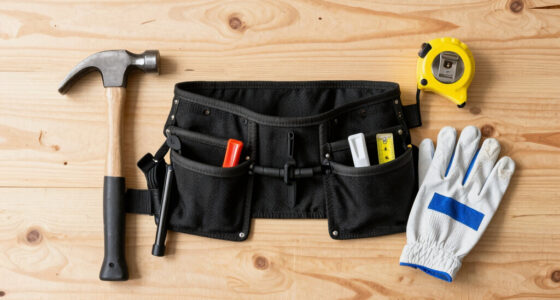
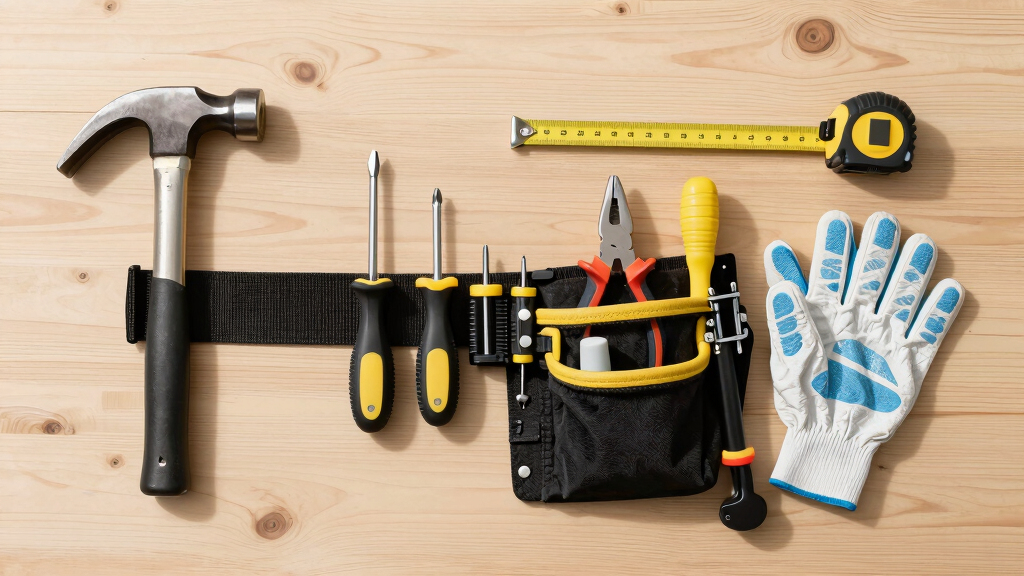
In your tool belt, some items are non-negotiable. A tape measure, level, hammer, screwdrivers, pliers, utility knife, chalk line, and fasteners top the list. These tools handle 90% of your daily tasks—measuring, marking, fastening, and adjusting.
For example, a 25-foot tape helps measure post spacing precisely, while a chalk line keeps your string straight across uneven terrain. Carrying a pencil and safety glasses adds safety and efficiency. The goal? Keep your most-used tools within arm’s reach, so you don’t waste time searching or bending down repeatedly.
To stay organized, consider using a dedicated pouch for fasteners and separate slots for your measuring tools. It’s about quick access, avoiding those frustrating moments where you dig through your belt or bag. Why does this matter? When your essential tools are readily accessible, you reduce downtime and fatigue caused by unnecessary movements. Efficient tool access translates directly into faster job completion and less physical strain. A well-organized setup also minimizes the risk of dropping or losing tools, which can cause safety hazards or delays. Keep in mind that the right combination of tools and their placement can make a significant difference in your daily workflow and overall productivity.
adjustable work belt for construction
As an affiliate, we earn on qualifying purchases.
As an affiliate, we earn on qualifying purchases.
How to Organize Your Tools for Fast Access and Fewer Trips
Organization is the secret sauce to a productive workday. Use multiple pouches, loops, and compartments to keep your tools sorted. Place the tools you use most often—like your hammer, tape measure, and screwdriver—in easily accessible spots at the front or on the sides.
For example, attach a dedicated pouch for fasteners near your dominant hand. Keep your level and chalk line in separate, quick-grab compartments. When you need to check post alignment, you grab your level with a flick of the wrist.
Think about it like a chef’s kitchen—everything has a place, so you don’t waste time searching. Regularly tidy and reassess your setup to match your changing work needs. Why is this important? Proper organization directly impacts your efficiency. If your tools are scattered or hard to reach, you’ll spend unnecessary time bending, reaching, or searching, which increases fatigue and decreases productivity. A well-structured setup minimizes these movements, allowing you to work more smoothly. Additionally, organizing tools by task or frequency of use helps you anticipate what you’ll need next, reducing mental and physical fatigue. Remember, a cluttered belt isn’t just inefficient—it can be dangerous if tools fall out or get misplaced during critical moments.
As an affiliate, we earn on qualifying purchases.
The Best Materials for Fence Installer Tool Belts — Durability Matters
Durability is king when it comes to tool belts. Heavy-duty leather, reinforced nylon, and tough polyester dominate the scene. Leather belts feel robust and mold to your waist over time, but modern nylon and polyester options often weigh less and dry faster after rain.
Imagine a rainy day—your belt made of reinforced polyester dries quickly, preventing rust and mold. A leather belt, though durable, might soak up water, leading to stiffness or cracking over months of use. Why does material choice matter? The environment in which you work significantly impacts your belt’s lifespan. Fence installation often involves exposure to mud, rain, and rough handling, which can accelerate wear and tear. Leather, while strong, is more susceptible to water damage and may require more maintenance to keep it flexible and resistant. Reinforced nylon offers a good compromise—resistant to weather, lightweight, and flexible, but it might not mold as comfortably to your body as leather. The tradeoff involves balancing durability with comfort and maintenance needs. Investing in high-quality, weather-resistant materials ensures your belt withstands harsh conditions, reducing replacement costs and downtime, ultimately supporting your productivity and safety.
As an affiliate, we earn on qualifying purchases.
Recent Upgrades: Modular Pouches, Smart Features & Safety Boosts
Tool belt setups for fence installers have come a long way. Modular pouches let you swap out or add compartments tailored to each job—say, extra fastener pouches for fence panels or a dedicated space for your phone.
Some belts now include smart features—like RFID tags to track your tools or smartphone holders for quick access. Safety features are also improving—reflective strips and high-visibility colors help you stay seen in low light or early mornings.
For instance, a fence crew working at dawn can benefit from reflective accents on their belts, boosting safety without sacrificing practicality. Why do these features matter? Modular pouches provide flexibility, enabling you to customize your setup for different tasks, which can reduce clutter and increase efficiency. Smart features like RFID tags can help prevent lost tools, saving you money and time. Safety enhancements, such as reflective strips, are critical for visibility, especially in early or late shifts, and can prevent accidents. The tradeoff with high-tech or safety features is often cost versus benefit—investing in these upgrades can pay off by reducing accidents and improving workflow, especially in challenging conditions. Moreover, eco-friendly options, like belts made from sustainable materials, are gaining traction—combining durability with environmental responsibility.
Quick Tips to Keep Your Tools in Top Shape and Ready to Go
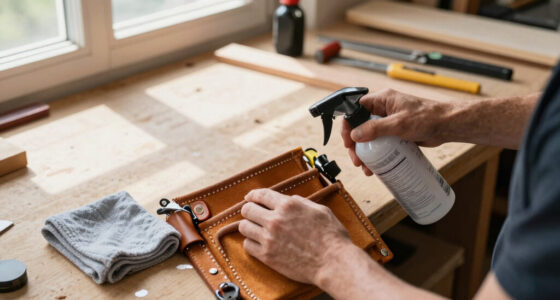
Regular maintenance keeps your tools and belts in prime condition. Wipe down metal tools after use to prevent rust. Check stitching and hardware—replace worn-out clips or torn pouches before they fail.
For example, a quick wipe of your hammer’s face removes dirt and reduces bouncing when you swing. Lubricating moving parts on tools ensures smooth operation.
Organize your gear daily—clean out clutter, tighten loose screws, and replace missing fasteners. A tidy setup reduces downtime and extends the life of your gear. Why does this matter? Well-maintained tools perform better and last longer, preventing unexpected breakdowns that can halt your work. Regular inspections help identify early signs of wear—like frayed stitching or rust—so you can address issues before they become costly or dangerous. Proper storage, like a dedicated toolbox or pouch, protects your tools from environmental damage, keeping them ready for use and reducing the risk of injury caused by damaged or malfunctioning equipment. Investing time in maintenance enhances safety, efficiency, and overall job quality, ensuring your setup remains reliable day after day.
How to Make Your Setup Fit Your Specific Fence Job Needs
Every fence project is different. Tailor your toolbelt to match the task—digging, stringing, or post-setting. For instance, if you’re setting posts, carry a post-hole digger or auger attachment in a dedicated pouch.
Adjust your setup based on terrain and workload. On uneven ground, lightweight belts reduce fatigue. For dense, fast-paced days, extra pouches for fasteners and tools save trips back and forth.
Think of your belt as a custom toolbox—every pocket should serve a purpose. Reassess after each project to improve your efficiency for the next one. Why does this matter? Customizing your setup ensures you have exactly what you need, where you need it, minimizing unnecessary movements and time wastage. Different tasks and terrains demand different tools and configurations; a one-size-fits-all approach can lead to inefficiencies and fatigue. By tailoring your belt to each job, you optimize your workflow and reduce physical strain, ultimately making you more productive and less tired at day’s end.
Frequently Asked Questions
What are the must-have tools in a fence installer’s tool belt?
A tape measure, level, hammer, screwdrivers, pliers, utility knife, chalk line, and fasteners are essentials. These cover most tasks—from measuring and marking to fastening and adjusting fences.How do I choose the right tool belt size and style for my needs?
Measure your waist comfortably, then select a belt width of 3-5 inches with adjustable straps. Consider padded waistbands for comfort and choose materials like reinforced nylon or leather for durability.What materials are best for durability and comfort?
Reinforced nylon and polyester are lightweight and tough, resisting weather and wear. Leather belts offer durability and a snug fit over time but can be heavier and less quick-drying.How can I organize my tools efficiently?
Use multiple pouches, loops, and compartments based on your most-used tools. Keep fasteners and small items in dedicated pockets for quick access—think of your belt as a mini toolbox tailored to your work.Are there safety tips for using a tool belt on the job site?
Yes. Make sure belts fit well to avoid chafing, avoid overloading to prevent strain, and wear high-visibility features if working in low light. Regularly inspect your belt and tools for damage to prevent accidents.Conclusion
Your tool belt isn’t just a holder—it’s your work partner. A setup tailored to your tasks, built with durability, and organized for speed will keep you moving smoothly from post to post. Remember, a well-placed tool is a faster, safer tool.
Invest a little time in customizing your belt, and you’ll notice the difference every day you swing a hammer or stretch a string. Get your gear right, and watch your productivity climb—faster fences, fewer trips, less fatigue.
Columbus Day / Indigenous Peoples' Day Picks
long weekend sales
As an affiliate, we earn on qualifying purchases.