
Choosing a heavy-duty work belt is less about picking the toughest-sounding material and more about deciding how your tools should ride through a full workday. A leather belt typically holds its shape and supports a fixed tool layout; a reinforced nylon belt tends to weigh less, adjust more easily, and cope better with rain or repeated wet-dry cycles. Both can carry substantial loads when properly built, but they are not interchangeable in feel or upkeep.

Get business pricing on tools and workshop supplies
- Business-only prices and quantity discounts
- Tax-exempt purchasing
- Multiple users, one account, clear invoices

MeloTough 2-Inch Nylon Web Work Belt with Quick-Release Metal Buckle
- ✔ Strap material: Nylon web strap listed; description also gives conflicting material details
- ✔ Width: 2 inches
- ✔ Length: 55 inches
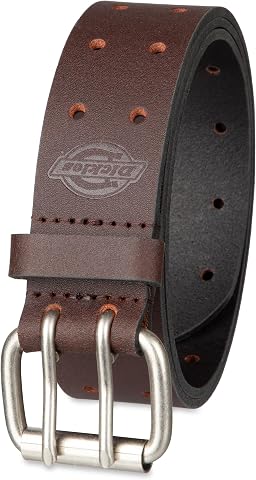
Dickies Men’s Double-Prong Leather Work Belt
- ✔ Material: 100% leather
- ✔ Buckle: Double-prong roller buckle
- ✔ Adjustment: Perforations along the entire strap

Dickies Men’s Genuine Leather Work and Casual Belt
- ✔ Material: 100% genuine leather
- ✔ Width: 1.5 inches
- ✔ Buckle: Metal
This comparison focuses on a sturdy leather belt and a reinforced nylon belt designed for work rather than a basic clothing belt. Choose leather if you want a firm platform for frequently used, relatively heavy tools and do not mind breaking it in or maintaining it. Choose nylon if comfort, fit adjustment, weather exposure, or easier care matters more. Buckle design, belt width, stitching, and compatibility with your pouches still matter: a weak buckle or poorly matched pouch system can undermine either material.
At a Glance
| Criteria | Heavy-duty leather work belt | Heavy-duty nylon work belt | Winner |
|---|---|---|---|
| Support and shape retention | Usually firmer and more stable under a fixed tool load | Can support heavy gear, but depends strongly on webbing, reinforcement, and buckle | A |
| Comfort and weight | Heavier and may feel stiff before it breaks in | Usually lighter and more flexible against the body | B |
| Fit adjustment | Often less convenient to fine-tune between clothing layers | Often quick to adjust, including over different layers | B |
| Weather and moisture handling | Can dry slowly and may need care after repeated exposure | Generally handles rain and drying more easily | B |
| Durability and wear | Can last for years, though holes, edges, and stitching can wear | Strong models resist abrasion, but stitching, hook-and-loop, or buckle parts may wear | Depends |
| Maintenance | Needs occasional cleaning and appropriate leather conditioning | Usually simple to clean; little material-specific care | B |
| Tool-system compatibility | Often suits traditional fixed pouches; confirm width and attachment fit | Works well with compatible clips, modular pouches, or matching systems | Depends |
| Value | Higher upfront cost can pay off for frequent, heavy use | Often lower entry cost; premium reinforced versions may narrow the gap | Depends |
MeloTough 2-Inch Nylon Web Work Belt with Quick-Release Metal Buckle
For buyers who want a belt designed around quick fastening and a broad fit range, the MeloTough 2-Inch Web Work Belt is the clearest utility-first pick in this group. Its quick-release buckle is designed to make fastening and removal straightforward, while the stated 32–51-inch waist range gives it more explicit fit coverage than either Dickies listing provides. That can make it appealing when an easy-to-adjust belt matters more than a traditional leather appearance.The 2-inch strap is also the main tradeoff. It is wider than the 1.5-inch Dickies Genuine Leather Belt, which can feel more purpose-built for workwear but may not pass through narrower belt loops. The product description identifies a nylon web strap in its specifications but gives conflicting strap-material details elsewhere, so buyers should treat the exact material description with caution. The listed length is 55 inches, but fit should be judged against the stated waist range rather than length alone.Compared with the Dickies Double-Prong, MeloTough emphasizes quick release and a stated waist range instead of leather construction and multiple perforations. Choose it for convenient, adjustable everyday use; skip it if your clothing has narrow loops, you prefer leather, or you need clearly documented construction details. The supplied information does not specify a tool-load capacity, so we would not infer specialized support from the work-belt label alone.
Pros:
- Quick-release buckle is designed for easy fastening and removal.
- Stated fit range covers waist sizes 32–51 inches.
- 2-inch strap gives it a wider workwear profile than the Dickies leather options.
- Described for work, outdoor activities, and daily wear.
Cons:
- The 2-inch width may not fit every belt loop.
- The description gives conflicting details about strap material.
- No load rating or specialized safety-use capacity is provided.
Best for: Workers or outdoor users who want a quick-release buckle and a clearly stated broad waist-fit range, and whose belt loops can accommodate a 2-inch strap.
Not ideal for: Buyers with narrow belt loops, those who prefer a leather strap, or anyone who needs unambiguous material specifications or a stated load rating.
Bottom line: We rank the MeloTough first for its quick-release design and stated waist range, provided its wider strap suits your clothing and its material ambiguity is acceptable.
“We rank the MeloTough first for its quick-release design and stated waist range, provided its wider strap suits your clothing and its material ambiguity is acceptable.”
Dickies Men’s Double-Prong Leather Work Belt
The Dickies Double-Prong Leather Work Belt is the leather-focused option for buyers who value a buckle with two prongs and adjustment points along the strap. Its perforations along the entire strap offer more potential adjustment positions than the seven holes listed for the standard Dickies leather belt. The double-prong roller buckle is the defining feature: it gives this model a different fastening approach from the single metal buckle on its sibling.That extra adjustability makes the Double-Prong a sensible choice when a fixed set of holes feels limiting, but it also asks buyers to pay close attention to sizing. The instructions say to choose a belt 2 inches larger than your pant size, which differs from the standard Dickies model’s one-size-up guidance. We would not assume the two belts share sizing just because both carry the Dickies name. Its leather construction and work-to-casual styling also make it less of a straightforward utility strap than the wider MeloTough, whose quick-release hardware and stated waist range are more explicit.Spot cleaning is required, and no strap width or load rating is specified in the supplied details. That makes this pick best for someone who wants a traditional leather look with broad strap adjustment, not someone selecting a belt around verified heavy-load support. Compared with the standard Dickies, it wins on adjustment range and buckle design; compared with MeloTough, it gives up the stated waist span and quick-release convenience.
Pros:
- Perforations along the strap provide broad adjustment options.
- Double-prong roller buckle distinguishes it from the single-buckle Dickies model.
- Leather styling works with workwear and casual outfits.
- Adjustable design can suit buyers who want more than a fixed set of holes.
Cons:
- Sizing guidance requires a belt 2 inches larger than pant size.
- Spot cleaning is specified.
- The supplied details do not state strap width or a load rating.
Best for: Buyers who want a leather work-and-casual belt with a double-prong roller buckle and adjustment perforations along the strap.
Not ideal for: Anyone who wants a quick-release buckle, needs an explicitly stated wide waist range, or prefers low-maintenance cleaning and simple sizing.
Bottom line: We place this model second because its double-prong buckle and full-strap adjustment make it the most adjustable leather choice, but its sizing and limited specifications require care.
“We place this model second because its double-prong buckle and full-strap adjustment make it the most adjustable leather choice, but its sizing and limited specifications require care.”
Dickies Men’s Genuine Leather Work and Casual Belt
When one belt needs to look at home with workwear and everyday clothes, the Dickies Genuine Leather Work and Casual Belt is the most versatile choice here. Its 1.5-inch width is narrower than MeloTough’s 2-inch web strap, which may make it a better match for clothing with standard or tighter loops. Reinforced edge stitching and a metal buckle give the design practical construction details without the more specialized look of a wide web belt or a double-prong closure.Seven adjustment holes provide a defined range of fit changes, but not the along-the-strap adjustment offered by the Dickies Double-Prong. The sizing note is also easy to overlook: the manufacturer recommends ordering one size up from your pant size. That is not the same instruction as the Double-Prong model’s two-inch difference, so we recommend checking the fit guidance for this exact belt instead of applying a general Dickies rule.This is the strongest pick for versatility, not the most clearly utility-oriented belt in the lineup. The leather strap needs spot cleaning, and the supplied details do not state a load rating or specialized support capacity. Compared with MeloTough, it trades quick release and a broader stated waist range for a more traditional appearance; compared with the Double-Prong, it has reinforced edge stitching and a conventional buckle but fewer adjustment points. Choose it when appearance and everyday flexibility matter alongside work use; skip it when maximum adjustability or a wide web strap is the priority.
Pros:
- Genuine leather with reinforced edge stitching.
- 1.5-inch width suits buyers who prefer a less-wide strap than MeloTough’s.
- Metal buckle and seven adjustment holes provide a conventional, adjustable setup.
- Designed to work with both workwear and casual outfits; Regular and Big & Tall sizes are listed.
Cons:
- Sizing guidance recommends ordering one size up from pant size.
- Care instructions specify spot cleaning only.
- Seven holes offer less adjustment range than the Double-Prong’s full-strap perforations.
Best for: Buyers who want a traditional leather belt for both workwear and casual outfits, especially if a 1.5-inch strap better suits their belt loops.
Not ideal for: Workers seeking a quick-release buckle, a 2-inch web strap, adjustment holes along the full strap, or documented heavy-load capacity.
Bottom line: We recommend this Dickies belt for everyday work-to-casual versatility, but buyers focused on maximum adjustment or utility-first fastening should choose one of the other two.
“We recommend this Dickies belt for everyday work-to-casual versatility, but buyers focused on maximum adjustment or utility-first fastening should choose one of the other two.”
As an Amazon Associate we earn from qualifying purchases.
Key Differences
The practical split is between a more rigid platform and a more adaptable one. A substantial leather belt tends to resist folding under a clustered load, which can help keep a familiar arrangement of hammer, fasteners, and hand tools in position. That firmness is useful when the belt carries weight for hours, but the belt itself adds weight and may initially feel stiff. A well-made nylon belt can carry serious gear too, but its performance depends more on construction: look for dense webbing, reinforced load points, a dependable buckle, and a width suited to the pouches.
Nylon has the clearer advantage when conditions or clothing change. It is generally easier to adjust, less demanding to clean, and less troublesome after rain or sweat. Leather rewards routine care and sensible drying; leaving it damp or neglecting it can shorten its useful life. Neither material guarantees comfort or longevity on its own. Belt width, fit, buckle security, pouch attachment, and how the load is distributed can matter as much as the material.
The best value depends on how often the belt is worn and what it carries. A professional who keeps a heavy, consistent tool layout may find leather’s rigidity worth a higher initial price. Someone who needs an adaptable belt for changing tasks, layers, or wet conditions may get more usable value from nylon, even if a premium model costs more than an entry-level one. Avoid choosing on material label alone: compare construction and confirm that your pouches fit.
Detailed Comparison
Support and shape retention (Heavy-duty leather work belt wins — moderate)
Leather wins for a firm, consistent platform, by a moderate margin. A thick leather belt commonly resists bending under a dense set of tools, helping pouches stay aligned when you reach or move. Reinforced nylon can also carry heavy loads, but flexible webbing may sag or twist if the belt or buckle is underspecified. For a tool-heavy setup, choose either option only after checking its construction and intended load; leather has the more predictable advantage in rigidity.
Comfort and weight (Heavy-duty nylon work belt wins — moderate)
Nylon wins for lower weight and easier movement, by a moderate margin. A leather belt’s stiffness can spread and stabilize a load, but it adds material weight and may press or rub until broken in. Nylon usually bends more readily with the wearer and is easier to tolerate during long shifts or frequent bending. If the belt carries exceptionally heavy tools, though, a supportive fit and balanced pouch layout matter more than softness alone.
Fit adjustment (Heavy-duty nylon work belt wins — moderate)
Nylon usually wins, by a moderate margin. Many nylon designs allow quick, fine adjustment and are convenient over changing clothing layers. Leather models often rely on fixed holes, which can limit small fit changes as layers or body position change. Buckle and closure designs vary, so check the specific belt: the advantage belongs to adjustable nylon designs, not every nylon belt by default.
Weather and moisture handling (Heavy-duty nylon work belt wins — moderate)
Nylon wins, by a moderate margin. Nylon webbing generally tolerates rain and dries with less material-specific care than leather. Leather can remain usable in damp environments, but repeated soaking and poor drying can make upkeep harder and affect its condition. For outdoor trades, wet sites, or frequent washing, nylon is the more practical choice; for mostly dry indoor work, this difference may be minor.
Durability and wear (moderate difference)
There is no universal winner; this is a construction-dependent tie. Quality leather can serve for years, but its edges, holes, and stitching still wear, and neglect or repeated damp exposure can cause problems. Quality nylon resists many everyday scuffs and handles moisture well, but webbing, closures, and stitching can fail. Inspect reinforcement and hardware, and favor a belt with repair or replacement support if downtime matters. A material name alone cannot predict service life.
Maintenance (Heavy-duty nylon work belt wins — minor)
Nylon wins, by a moderate margin. It is generally straightforward to wipe or wash according to the maker’s instructions and does not need conditioning. Leather benefits from cleaning, careful drying, and occasional suitable conditioning, particularly when exposed to sweat or moisture. That is a manageable routine for a belt used daily, but nylon is the simpler option for workers who prefer minimal upkeep.
Tool-system compatibility (major difference)
The winner depends on your pouches and attachment method. Traditional leather pouches and belts may pair naturally, while many nylon belts are designed around clips, modular attachment, or a matching platform. Neither material is automatically more compatible: belt width, thickness, loops, and attachment hardware decide. Measure and check the pouch maker’s specifications before buying. This is a major practical issue if you already own a set of pouches, even though the general material comparison is a tie.
Value (moderate difference)
It depends on use frequency and workload. Nylon often costs less to enter and asks less of the owner, making it good value for changing jobs or moderate loads. Paying more for leather makes sense when you wear it frequently, carry a stable heavy load, and value rigidity enough to accept extra weight and maintenance. A premium nylon belt may also be worth its price if it provides the reinforcement and adjustment your work requires. Compare build quality and expected use, not just the material or sticker price.
Heavy-duty leather work belt: Pros and Cons
Pros:
- Firm feel can help stabilize a heavy, familiar tool layout.
- Pairs naturally with many traditional leather pouch setups, subject to fit checks.
- A quality belt can offer long service with suitable care.
Cons:
- Usually heavier and less flexible than nylon.
- May need a break-in period and routine material care.
- Less convenient to adjust in small increments on many models.
Heavy-duty nylon work belt: Pros and Cons
Pros:
- Usually lighter and easier to adjust over changing layers.
- Handles wet conditions and routine cleaning with less fuss.
- Often suits modular or clip-based pouch systems.
Cons:
- Flexible designs may sag or twist if not reinforced for the load.
- Buckles, closures, and stitching remain potential wear points.
- Compatibility can be limited when existing pouches require a different belt width or attachment style.
Who Should Choose What
Choose Heavy-duty leather work belt if:
- You carry a heavy set of tools in a stable layout and want a firmer belt.
- You work mainly in dry conditions and are willing to maintain leather.
- Your existing pouches are designed for a leather belt and fit its width.
Choose Heavy-duty nylon work belt if:
- You value lower weight, flexibility, or quick adjustment over different clothing layers.
- Your work regularly involves rain, sweat, washing, or damp job sites.
- You use a compatible modular pouch setup or want a belt that is easy to clean.
Skip both if: Your load is unusually heavy, your back or hips need specialized support, or neither belt matches your pouch attachments. Look at a purpose-built tool vest, suspenders, or a supported harness system, and confirm the maker’s load guidance rather than expecting a belt alone to solve the problem.
Value for Money
Paying more for leather is worthwhile when the belt will see frequent use and its firmness helps manage a heavy, consistent tool load. In that case, a better-made leather belt can justify its cost through stable pouch placement and long service, provided you accept its weight and care needs. It is poor value if you rarely wear it, work in wet conditions, or would not notice the added rigidity.
Nylon is often the better everyday value for variable tasks, changing layers, and damp environments because it is lighter and simpler to maintain. Do not assume the cheapest nylon belt will support heavy gear: inspect webbing density, stitching, buckle strength, and reinforced attachment areas. A premium nylon model is worth paying for when those details address a real load or fit need. Before spending extra on either material, verify that your current pouches fit; an incompatible belt can add more cost than the material choice itself.
Final Verdict
For workers carrying a heavy, consistent set of tools in mostly dry conditions, choose a well-built leather work belt. Its main advantage is a firmer platform that can keep a familiar setup stable, and that benefit can justify a higher price for frequent professional use. Choose reinforced nylon if you prioritize lighter wear, easier adjustment, simpler care, or regular exposure to moisture. For most users who do not need a particularly rigid tool platform, nylon is the more adaptable and lower-maintenance pick.
The deciding factor is not which material sounds tougher; it is whether your work benefits more from stiffness or adaptability. Match the belt to your load, inspect the buckle and reinforcement, and confirm pouch compatibility before buying. If neither offers the support your workload needs, move to a vest or harness rather than overloading a standard belt.
Frequently Asked Questions
Is leather or nylon better for carrying heavy tools?
A substantial leather belt often has the advantage when a heavy load stays in a fixed arrangement because it tends to hold its shape. Reinforced nylon can also work well, but check webbing, stitching, buckle, and attachment points. The belt’s construction and pouch fit matter more than the material name alone.
Are nylon work belts strong enough for professional use?
Yes, many reinforced nylon belts are made for demanding work. Strength varies by design, so check the maker’s load guidance and inspect the buckle, stitching, and areas where pouches attach. A lightweight everyday belt is not automatically suitable for a heavy tool load.
Does a leather work belt need regular maintenance?
Leather benefits from cleaning and careful drying, especially after exposure to sweat or rain. Occasional conditioning with a product suitable for the belt can help maintain the material, but follow the manufacturer’s care instructions. Nylon generally needs less material-specific upkeep.
Should I pay more for a premium work belt?
Pay more when the added construction solves a real problem: better support for frequent heavy loads, more secure hardware, a better fit, or a compatible attachment system. For occasional or changing work, a solid mid-priced nylon belt may offer better value. Compare construction and compatibility before paying for a material label or branding.
Fall yard work Picks
leaf blowers
As an affiliate, we earn on qualifying purchases.