
TL;DR

Get business pricing on tools and workshop supplies
- Business-only prices and quantity discounts
- Tax-exempt purchasing
- Multiple users, one account, clear invoices
Remove the gear, brush off loose dirt, then hand-wash a nylon tactical belt with lukewarm water and a small amount of mild detergent. Rinse it thoroughly and air-dry it completely in a ventilated, shaded place before loading it again; check the maker’s instructions first, especially for belts with coatings, padding, hook-and-loop panels, or quick-release hardware.
A belt can look tough and still trap sweat, grit, and soap in the places you least want them: under a buckle, along a seam, or deep in a stiff layer. If you wear yours through long shifts, a quick rinse may seem harmless. Heat, harsh cleaners, or a damp gear bag can cause more trouble than the dirt you set out to remove.
This guide shows you how to clean a nylon tactical belt with a gentle, practical routine. You’ll learn how to handle webbing and metal hardware, what to avoid, and how to tell when your belt is fully dry and ready to carry gear again. The key points for a blog article on belt care are simple: check the maker’s instructions, clean the whole construction carefully, and don’t rush the drying.
Check the manufacturer’s care instructions and inspect the belt before washing, especially if it has coatings, padding, layered construction, or moving hardwar…
Remove all gear, close hook-and-loop panels, and brush away dry grit before using water.
For routine grime, hand-wash gently with lukewarm water and a small amount of mild detergent; rinse thoroughly.
Blot the belt and air-dry it fully in a ventilated, shaded place before storing it or loading it again.
Avoid bleach, strong solvents, high heat, and machine washing unless the maker specifically approves them.
FIELD GUIDE / BELT CARE
How to Clean a Nylon Tactical Belt
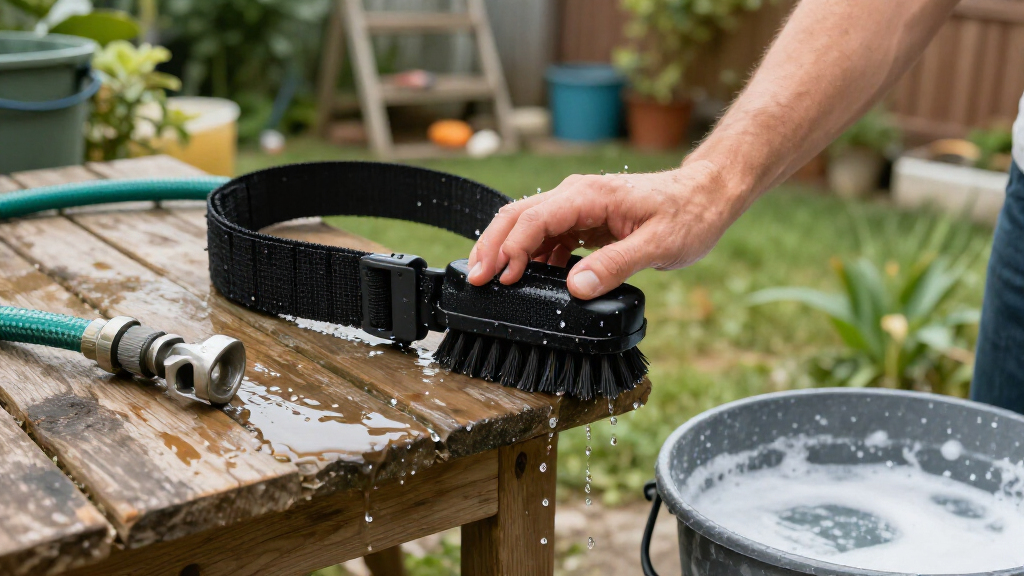
Remove the gear, brush away loose dirt, then hand-wash gently with lukewarm water and mild detergent. Rinse well and air-dry completely in a ventilated, shaded place before loading the belt again.
Inspect the whole belt first
Start with the product instructions. A simple webbing belt and a layered belt with specialized hardware may not share the same care routine.
Remove gear and expose the webbing
Detach pouches, tools, holsters, and accessories so dirt beneath them is visible and the belt can be cleaned evenly.
Check seams, finish, and hardware
Look for fraying, loose stitching, corrosion, peeling coatings, or a buckle that sticks. Cleaning cannot repair damage.
Close hook-and-loop panels
Fasten them before brushing or washing. This helps prevent lint buildup and reduces the chance of rough hooks snagging the webbing.
Choose the mildest useful clean
Routine dust and sweat usually call for a soft cloth, lukewarm water, and a small amount of mild detergent.
Six steps for a gentle clean
Work patiently over dirty areas. If a mark remains, repeat gentle spot-cleaning and check the care guidance before trying a stronger product.
Empty and inspect
Remove attached gear. Check instructions, seams, buckle, and finish for wear or damage.
Brush off loose dirt
Use a soft brush or cloth while dry. Close hook-and-loop panels first.
Wash by hand
Use lukewarm water and a little mild detergent. Wipe or gently work the cloth over grime.
Rinse thoroughly
Use clean water until the webbing no longer feels slippery and soap residue is gone.
Blot and air-dry
Press with a clean towel, reshape, then hang or lay flat in moving air and shade.
Check before loading
Confirm the webbing, seams, closures, and buckle are dry and sound before use.
Clean each part with care
Grit can act like fine sand between the belt and clothing. Remove it before wiping to reduce abrasion across the weave.
Gentle pressure wins
Work section by section, including folds and edges. Avoid aggressive scrubbing that may wear fibers, stitching, or dyes.
Wipe separately
Use a damp cloth, then dry promptly. Follow the maker’s advice for moving parts and coated finishes; oils or solvents may stain webbing.
Check special care needs
Padding, laminates, coatings, and hook-and-loop parts can change washing and drying requirements. Ask the maker about persistent stains.
Skip shortcuts that can cause damage
Hand-washing is the gentler default. Use a machine or stronger treatment only when the manufacturer specifically approves it.
Bleach and strong solvents
Harsh chemicals may affect fibers, dyes, coatings, or finishes.
High heat
Avoid boiling water, hot dryers, ironing, and radiators.
Unapproved machine washing
Hardware can damage the belt, washer, or other laundry.
Leaving it damp in a bag
Trapped moisture can lead to odor and mildew.
Prolonged direct sun
Ventilated shade is a cautious choice for dyes and finishes.
Fragrance as a fix
For persistent odor or mildew, follow maker guidance instead of masking it.
Let the belt dry completely
There is no reliable universal drying time. Thickness, construction, humidity, and airflow all affect how long it takes.
Then load it.
Blot excess water, reshape the belt, and hang it or lay it flat in a ventilated, shaded place. Keep it out of a damp gear bag while it dries.
Common belt-care questions
Can I machine-wash the belt?
Only if the manufacturer says it is safe. Hand-washing is the gentler choice, especially with hardware or layered construction.
Can I use soap or detergent?
A small amount of mild detergent is generally suitable for routine grime. Rinse thoroughly and avoid unapproved chemicals.
How long should it take to dry?
It depends on the belt and conditions. Wait until all parts are completely dry instead of relying on a set number of hours.
What if odor or mildew persists?
Follow the maker’s instructions. Avoid masking odors with fragrance or applying an unapproved treatment.
Check the Whole Belt Before You Reach for Water
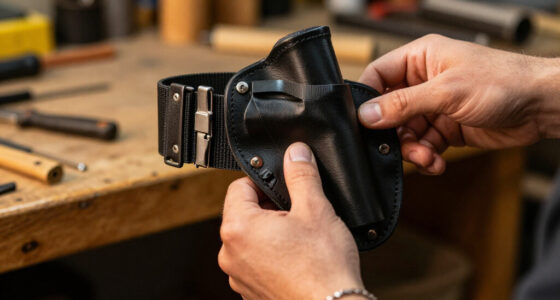
A nylon tactical belt is usually made from woven synthetic fibers, but it may also include coatings, stiffened layers, stitching, padding, a buckle, and hook-and-loop panels. Check the maker’s care instructions before washing because those other parts can have different needs. A belt is a complete assembly, not just a strip of webbing.
Start by removing every attached pouch, tool, holster, or accessory. Set each piece aside so you can clean the belt evenly and inspect its full length. If you normally wear a pouch in the same spot every day, look closely there: dust and sweat often build up beneath it, while the surrounding webbing stays cleaner.
Look for frayed edges, loose stitching, corrosion, peeling coatings, or closures that no longer grip well. A small amount of surface dust calls for routine cleaning; a split seam or damaged buckle calls for attention before you load the belt again. Cleaning can remove grime, but it can’t restore worn stitching or make faulty hardware safe.
Close any hook-and-loop panels before washing. The hooked side can collect loose fibers or snag the belt’s webbing, and a closed panel is easier to wipe clean. For example, if a work belt has a loop panel beneath its inner layer, fasten it before brushing so the rough hooks don’t catch on a cloth.
Products Worth Considering

EGO Power+ 9‑Gallon Wet/Dry Shop Vacuum with Remote Control (WDV0900) – Battery Not Included

EGO Power+ 3-Gallon Compact Cordless Wet/Dry Vacuum, 85 CFM (WDV0300)

EGO Power+ 9-Gallon Cordless Wet/Dry Shop Vacuum (WDV0904) with 56V 5.0Ah Battery and Charger
As an affiliate, we earn on qualifying purchases.
Follow These Six Steps for a Gentle Clean
To clean a nylon tactical belt safely, remove its gear, brush away loose grit, hand-wash with lukewarm water and mild detergent, rinse thoroughly, and air-dry it completely. Check the manufacturer’s instructions before you start, especially if the belt has a coating, laminate, padding, or hardware. For ordinary dust and sweat, a soft cloth and a small amount of cleaner are usually enough.
- Empty and inspect: Remove attached gear and check the label, seams, buckle, and finish.
- Brush off loose dirt: Use a soft brush or cloth, and close hook-and-loop panels before washing.
- Wash by hand: Use lukewarm water with a small amount of mild detergent. Wipe the belt or gently work the cloth over dirty areas.
- Rinse well: Remove soap residue with clean water. Residue can attract dirt and may irritate skin through clothing.
- Blot and air-dry: Press it gently with a clean towel, reshape it, then hang it or lay it flat in a ventilated area.
- Check before loading: Confirm the webbing, seams, closures, and buckle are dry and sound.
Work slowly over the dirtier sections. A belt worn all day beneath tools may have a dark strip where it rubs against clothing. Give that spot a gentle pass with the cloth, then rinse; don’t attack it with an abrasive brush just because the stain remains visible.
The routine should leave the belt clean without turning washing into a wrestling match. If grime remains after one pass, repeat gentle spot-cleaning and consult the maker’s care guidance before trying anything stronger.
Clean the Webbing Without Wearing It Down
Clean woven nylon gently: lift loose grit first, then use a soft cloth or brush with lukewarm water and mild detergent. Woven fibers can stand up to regular use, but aggressive scrubbing and harsh chemicals may abrade the weave, affect dyes, or damage a finish. Gentle pressure is the safer starting point for routine dirt.
Think of grit like fine sand caught between a belt and your clothing. Scrubbing hard before removing it can grind particles across the webbing. Brush away what you can while the belt is dry, then use a damp cloth for the marks that remain. That order is especially useful after a dusty day carrying tools through a workshop or job site.
Use a small amount of detergent rather than soaking the belt in suds. Clean one section at a time, paying attention to folds, edges, and the areas hidden under accessories. Rinse until the water runs clear and the fabric no longer feels slippery. Soap left in the weave can attract fresh dirt, and residue against a shirt or waistband may bother your skin.
Some belts have stiffened layers, padding, or coated components alongside the woven nylon. Don’t assume that every part tolerates the same treatment. If a coating is peeling or a stain persists, check the belt’s instructions or contact its maker; stronger stain removers and solvents can damage materials that mild soap leaves unharmed.
Keep the Buckle Clean Without Soaking Its Moving Parts
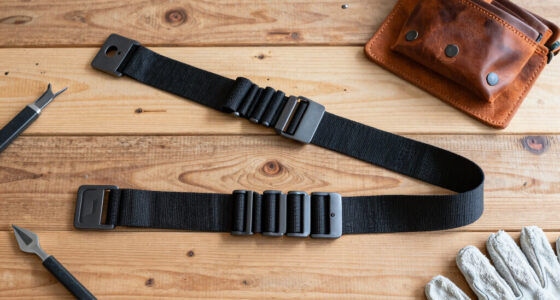
Clean the buckle separately by wiping it with a damp cloth, then dry it promptly with a clean towel. The buckle may be metal with its own finish or moving parts, so the care guidance for that hardware matters as much as the guidance for the webbing. Don’t assume an oil or solvent is safe because the buckle appears to be metal.
For example, after a sweaty summer shift, you might see a dull film near the buckle where skin and dust meet. Wipe that area carefully instead of immersing the whole belt and hardware in a bucket. Use only the cleaning approach approved by the maker, particularly for quick-release parts or coated finishes.
Pay attention to places where the buckle meets the webbing. A damp cloth can lift surface dirt, but lingering moisture trapped in a fold takes longer to escape. Blot the area and leave the belt open in moving air. Before wearing it again, check that the buckle operates as intended and that the surrounding stitching remains intact.
A nylon tactical belt may have a buckle that looks simple but connects to a more complex system of layers or closures. If you notice corrosion, a sticking mechanism, or damage, stop and follow the manufacturer’s guidance before returning the belt to loaded use. A clean buckle is useful; a reliable buckle is what keeps the gear in place.
Dry It Fully Before You Put It Back in Service
Air-dry a cleaned nylon tactical belt completely before attaching gear or storing it. Blot away excess water, reshape the belt, and hang it or lay it flat in a well-ventilated place away from high heat. Drying time varies with humidity, airflow, thickness, and construction, so check the belt itself instead of trusting a fixed number of hours.
A plain strip of webbing may feel dry long before a padded section or layered seam does. Run your fingers along the folds and stitching, and check beneath closed panels and around the buckle. If any section still feels cool or damp, give it more time. Putting a wet belt into a gear bag traps moisture, which can lead to musty odor or mildew.
Skip radiators, hot dryers, ironing, boiling water, and prolonged direct sun. High heat may deform materials or affect finishes, while long exposure to strong sunlight can affect some dyes or coatings. A shaded spot with airflow is a cautious choice. For instance, hanging the belt near an open window or in a ventilated room gives moisture somewhere to go without baking the webbing.
When the belt feels dry throughout, inspect its seams, closures, and buckle once more. Then reattach gear and store it in a dry place. Taking a little time to dry it properly is easier than dealing with lingering odor or discovering moisture after the belt has been packed away.
Avoid Heat, Solvents, and Unapproved Machine Washing
Keep bleach, strong solvents, harsh stain removers, and high heat away from a nylon tactical belt unless its manufacturer specifically approves them. These products or methods may affect the webbing, coatings, stitching, padding, or hardware. When a stain resists one gentle wash, repeat spot-cleaning or ask the maker before stepping up to a stronger treatment.
Machine washing is not a safe blanket rule for every belt. A belt with metal hardware can bang against the drum, damage other laundry, or be damaged itself. Layered construction and closures add more variables. If the manufacturer confirms machine washing is allowed, follow its instructions; otherwise, hand-washing gives you more control over pressure, water, and hardware.
Here is the practical tradeoff: a washer may save a few minutes, while a hand wash lets you protect a specific buckle and avoid rough tumbling. For a belt that carries tools all week, that control matters more than speed. Close hook-and-loop panels, remove the load, and wash gently in a basin or sink unless the product guidance says otherwise.
Don’t mask sweat or mildew with fragrance, either. A strong scent can cover an odor without removing its cause, and an unapproved chemical may leave residue where the belt contacts clothing. Wash gently, rinse thoroughly, and dry completely. If odor or mildew persists, get care guidance from the manufacturer rather than experimenting with bleach or solvents.
Match Your Cleaning Routine to the Dirt You See
Clean a nylon tactical belt when it is visibly dirty, sweaty, or odorous, and brush off loose dust regularly. There is no single schedule that fits every job or climate. A belt worn in a cool, clean workshop may need less attention than one used through hot shifts, dusty sites, or repeated contact with sweat.
After a dusty day, a dry brush may be enough to remove grit before it settles into the weave. After a sweaty shift, let the belt air out rather than sealing it in a bag. If it has a visible mark, spot-clean it with a damp cloth and mild detergent. A full hand wash makes sense when dirt or odor covers a wider area.
Consider a tradesperson who wears the same belt under a loaded pouch every weekday. The area beneath that pouch may stay damp or grimy even when the outside looks fine. Removing the pouch after work lets air reach the covered section and makes it easier to spot dirt or fraying before the next shift.
Regular care is less about washing as often as possible and more about not letting sweat, dirt, and moisture linger. Too much cleaning can mean needless wear; too little can leave grime trapped in hidden areas. Let what you see and feel guide the routine, and check the belt’s care instructions when its construction includes specialized coatings or reinforced layers.
Frequently Asked Questions
Can I put a nylon tactical belt in the washing machine?
Only if the manufacturer says machine washing is safe for that belt. Hand-washing is the gentler default, particularly if the belt has hardware, layered sections, coatings, or hook-and-loop panels.
Can I use soap or detergent on a nylon tactical belt?
A small amount of mild detergent is generally suitable for routine dirt. Rinse thoroughly to remove residue, and avoid bleach or strong chemicals unless the maker approves them.
How do I remove sweat odor or mildew?
Wash the belt gently, rinse it well, and air-dry it completely in a ventilated place. Don’t rely on fragrance to cover the smell; for persistent mildew or odor, follow the manufacturer’s care guidance.
How long does a nylon tactical belt take to dry?
It depends on the belt’s thickness and construction, as well as airflow and humidity. Check seams, folds, padding, and areas around the buckle, and wait until every part feels dry before storing or wearing it.
Can I dry the belt in a clothes dryer or direct sunlight?
Avoid a hot dryer and prolonged direct sun unless the manufacturer specifically approves them. Air-dry the belt in a shaded, ventilated spot to limit the risk of heat damage or changes to dyes and finishes.
Should I clean the buckle separately?
Yes. Wipe it separately and dry it promptly, following the maker’s guidance for its finish and any moving parts. Avoid oils or solvents unless approved, since they can affect coatings or stain the webbing.
Conclusion
Clean your nylon tactical belt with a soft brush, mild detergent, and patience. Check its full construction before washing, rinse away every trace of soap, and let it dry completely before you put the weight of your gear back on it.
A belt earns its place through long days, dusty jobs, and hard use. Treat its webbing, seams, and buckle with care, and it will be ready when the next shift starts.