
TL;DR

Get business pricing on tools and workshop supplies
- Business-only prices and quantity discounts
- Tax-exempt purchasing
- Multiple users, one account, clear invoices
Nylon belts are lightweight, water-resistant, and practical, perfect for tactical use. Leather belts offer durability, style, and aging appeal, ideal for everyday carry. Your choice depends on your needs and preferences.
Choosing a gun belt isn’t just about style; it’s about support, durability, and how well it fits your lifestyle. Leather belts have long been the classic choice, loved for their look and aging charm. But nylon belts have gained ground, especially among tactical and outdoor enthusiasts.
Knowing the real differences can save you money, frustration, and even improve your safety when carrying a firearm. This guide breaks down what makes each material tick and helps you decide which fits your needs best.
High-quality nylon belts can support heavy firearms as well as leather, with added resistance to water and elements.
Leather belts look more formal and age beautifully, but require regular maintenance to stay in top shape.
Choose belt width based on your holster and wardrobe—most are 1.25 to 1.5 inches wide.
Modern innovations like hybrid designs and reinforced nylon webbing improve durability and support for tactical users.
Proper sizing and sturdy buckles are essential for safety and comfort in any gun belt.
Nylon vs Leather Gun Belts
Choosing a gun belt is about support, durability, comfort, and how well the belt fits your daily carry life. Leather brings classic structure and aging character. Nylon brings low-maintenance strength, water resistance, and fast adjustment for tactical or outdoor use.
Modern nylon can match leather support, then outperform it in harsh weather.
High-quality nylon belts can carry heavier firearms just as reliably as leather, especially when reinforced with sturdy webbing, stitching, and hardware.
Classic patina or all-weather practicality?
Leather can last decades when conditioned and cared for. Nylon resists water, mildew, abrasion, and rough environments with far less upkeep.
Formal, rigid, and character-rich
Full-grain or top-grain leather offers strong support and a polished look. It softens over time, but neglected leather can dry, crack, or lose flexibility.
Lightweight and low maintenance
Synthetic webbing handles rain, mud, sweat, and outdoor work without much fuss. Reinforced stitching helps it stay reliable under daily carry loads.
Appearance versus consistency
Leather ages beautifully and looks professional. Nylon stays more functionally consistent in wet, dirty, or tactical conditions.
Strength is only useful when the belt stays put.
A weak or sagging belt can shift your holster and reduce comfort. The right stiffness, width, fit, and buckle matter more than material alone.
Rigid support that molds over time
Thick leather offers firm, form-fitting structure. It may feel stiff at first, then conforms to the wearer after break-in.
Flexible fit with tactical hardware
Reinforced webbing, steel buckles, polymer inserts, and quick-adjust designs help nylon carry heavy-duty gear securely.
Match holster loops
Most carry belts fall between 1.25 and 1.5 inches wide.
Check stiffness
Support should prevent sagging without making daily movement miserable.
Inspect buckle
Heavy-duty hardware is essential for safety on both leather and nylon.
Size correctly
Many carriers size 1 to 2 inches above waist size for comfort and gear.
Which belt wins each use case?
Nylon and leather both work for concealed carry when well built. The better choice depends on wardrobe, weather, maintenance tolerance, and support needs.
| Category | Leather Gun Belt | Nylon Gun Belt | Decision Signal |
|---|---|---|---|
| ✓ Formal appearance | Classic, professional, suitable for business casual and dress wear. | Usually tactical, outdoor, or casual in appearance. | Choose leather when image and polish matter. |
| ✓ Rain and mud | Can absorb moisture and needs care after wet use. | Water-resistant, mildew-resistant, and easy to clean. | Choose nylon for harsh environments. |
| ~ Heavy firearm support | Excellent when thick, stiff, and well crafted. | Excellent when reinforced with strong webbing and hardware. | Quality matters more than material alone. |
| ✗ Maintenance burden | Requires conditioning to prevent cracking and preserve flexibility. | Needs basic washing and occasional stitching checks. | Choose nylon for low upkeep. |
| ~ Long-term value | Higher upfront cost, strong aging appeal, potential decades of use. | Lower cost, rugged daily function, strong tactical value. | Choose based on budget and lifestyle. |
The best value is the belt you will actually maintain.
Leather rewards care with patina and longevity. Nylon rewards neglect with steady performance. Hybrid designs now blend leather styling with nylon structure.
Leather costs more. Nylon starts practical.
Leather often reflects premium material and craftsmanship. Nylon usually offers strong support at a lower entry price.
- Hybrid belts: leather exterior with nylon webbing inside for a cleaner look and stronger practical support.
- Enhanced nylon: reinforced stitching, quick-release buckles, modular attachments, and internal stiffeners improve tactical use.
- Better leather: vegetable-tanned and ethically sourced options are gaining interest among style-focused carriers.
- Universal rule: sturdy buckles, correct sizing, and holster compatibility decide real-world safety.
From lifestyle to material choice
Start with how and where you carry. The best belt is the one that supports your firearm securely while fitting your clothing, climate, and routine.
Carry Load
Heavy gear demands stiffness, width, and hardware strength.
Environment
Rain, sweat, mud, and outdoor work push the advantage toward nylon.
Wardrobe
Business or formal clothing usually favors a leather profile.
Upkeep
Condition leather regularly or choose nylon for simpler care.
Final Fit
Pick the belt that stays secure, comfortable, and compatible.
Material and Durability: Which Belt Lasts Longer?
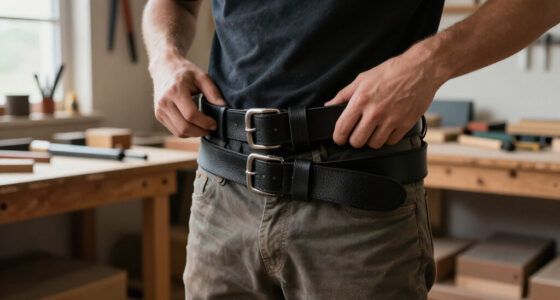
Leather belts are made from full-grain or top-grain leather, offering a timeless look and tough support. They develop a rich patina, showing years of use. But they need regular conditioning to prevent cracking and keep their flexibility.
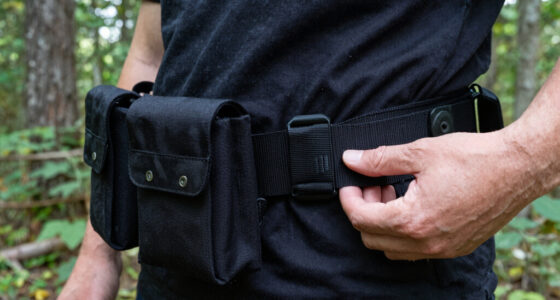
Nylon belts are woven from synthetic fibers, making them lightweight and resistant to water, mildew, and abrasions. They can handle rough environments and still look good after years of outdoor work or tactical missions.
For example, a leather belt might age beautifully, gaining character and a rugged look. But if you’re caught in rain or mud, nylon stays clean and functional without fuss.
Understanding these differences matters because it affects your long-term investment. Leather may look better with age but can become brittle or cracked if neglected. Nylon, on the other hand, offers consistent performance but may lack the aesthetic charm of aged leather. The tradeoff is between classic appearance and low-maintenance durability.
As an affiliate, we earn on qualifying purchases.
Support and Strength: Can Nylon Match Leather’s Power?
Both nylon and leather belts are designed to support your firearm’s weight. High-quality leather belts, especially those with stiff, thick leather, can support heavier guns without sagging. They’re often the go-to for carry rigs that need serious support.
Nylon belts, especially tactical models with reinforced webbing and steel buckles, can easily hold heavy-duty gear. Some even include internal steel rods for extra strength. For instance, a nylon belt with a reinforced buckle can support a 12-pound Glock with no problem.
This support capability is crucial because it directly impacts safety and comfort. A weak or sagging belt can cause your firearm to shift or even fall, which is dangerous. Modern nylon belts have closed this gap in strength, but the choice often hinges on how much support you need and the environment you’re operating in. The tradeoff is that leather offers a more rigid, form-fitting support, while nylon provides adjustable flexibility with equally reliable strength—especially in demanding situations.
leather gun belt for concealed carry
As an affiliate, we earn on qualifying purchases.
As an affiliate, we earn on qualifying purchases.
Comfort and Fit: Which Feels Better on Your Waist?
Leather belts tend to be stiff at first but soften over time, conforming to your waist. They’re less flexible initially but offer a snug, tailored fit after break-in. Imagine slipping into a well-worn leather belt that molds perfectly to your body.
Nylon belts are flexible from day one. Their lightweight webbing and quick-adjust buckles make them comfortable, especially during long days or outdoor activities. Picture a tactical operator adjusting their nylon belt swiftly for a tight fit before a mission.
Comfort isn’t just about initial feel; it impacts your daily performance. A stiff leather belt might feel restrictive until broken in, which could be inconvenient if you need to put on or take off your belt quickly. Conversely, nylon’s immediate flexibility allows for rapid adjustments, but some may find it less supportive or more prone to shifting if not properly fitted. The tradeoff is between the natural, conforming comfort of leather and the instant adjustability and lightweight feel of nylon, influencing your endurance and ease of carry over time.
As an affiliate, we earn on qualifying purchases.
Style and Appearance: How Do They Look?
Leather belts offer a classic, professional look suitable for both casual and formal settings. They come in various finishes—smooth, textured, or distressed—that age beautifully over time.
Nylon belts lean toward a utilitarian, tactical, or outdoor vibe. They’re often black or camouflage, with rugged buckles and webbing that scream ‘military’ or ‘outdoors.’ For example, a leather belt pairs well with a suit or business casual, while nylon fits right into a rugged outdoor outfit.
Choosing between them isn’t just about aesthetics; it’s about how your belt complements your overall image and environment. Leather exudes a polished, timeless look suitable for professional settings, but might seem out of place in rugged outdoor scenarios. Nylon’s rugged appearance is practical for outdoor activities but may lack the refined look needed for formal occasions. Your style choice impacts not only appearance but also how others perceive your professionalism and preparedness.
As an affiliate, we earn on qualifying purchases.
Maintenance and Longevity: Keep Them Strong
Leather belts require regular conditioning to keep the leather supple and prevent cracks. They can last decades if well cared for. Think of a leather belt that develops character and a rich patina over 10+ years.
Nylon belts need minimal upkeep—just wash if dirty and occasionally check the stitching. They resist water, mildew, and wear, often outlasting leather in harsh environments. For instance, a nylon tactical belt used daily in rain and mud may look almost new after five years.
Understanding maintenance is key because it impacts longevity. Leather, while durable, can deteriorate rapidly if neglected—cracking, drying out, or developing mold. Proper care extends its life but requires effort. Nylon’s resistance to elements reduces maintenance needs, making it more reliable in demanding outdoor conditions. The tradeoff is that leather, with proper maintenance, can develop a unique character over time, whereas nylon remains consistently functional without much fuss.
Cost and Value: What’s Worth Your Money?
Leather belts tend to be pricier, often costing $50 to $150 depending on quality and craftsmanship. They’re an investment in style and longevity.
Nylon belts are usually more affordable—$20 to $60—and offer excellent value, especially for tactical or outdoor use. You get durability and support without breaking the bank.
This difference impacts your decision based on how much you’re willing to invest upfront versus long-term durability. Leather, with its craftsmanship and premium materials, often justifies higher prices, especially if you value aesthetics and aging. Nylon provides a cost-effective solution that still offers robust support, making it an attractive choice for budget-conscious buyers or those who need a versatile, all-weather option. The tradeoff is between perceived luxury and practicality, with both options providing solid value in their respective niches.
Recent Trends and Innovations in Gun Belts
Hybrid belts combine leather and nylon to get the best of both worlds—style with support and practicality. A leather exterior with nylon webbing inside offers durability plus a professional look.
Advances in nylon webbing and buckle technology mean modern tactical belts can now support heavier guns and gear, with features like quick-release buckles and modular attachments.
Eco-friendly leather options, like vegetable-tanned or ethically sourced leather, are gaining popularity among conscious consumers, reflecting a shift towards sustainable craftsmanship. These innovations aim to balance aesthetics, support, and environmental responsibility, making the belts more adaptable to modern needs.
Choosing the Right Belt: 5 Tips for a Perfect Fit
- Measure your waist accurately—most belts should be 1-2 inches larger than your waist size.
- Match the belt width to your holster’s belt loops—most are 1.25 to 1.5 inches.
- Decide on style based on your daily wardrobe—leather for dress, nylon for outdoor or tactical.
- Check the buckle quality—sturdy metal buckles prevent accidental releases.
- Consider your environment—water-resistant nylon suits rain and mud, leather suits style and longevity.
Choosing the right belt involves understanding your needs and environment. Proper measurement ensures comfort and support, while matching style to your wardrobe ensures you look appropriate and confident. Quality buckles and environment considerations safeguard your firearm and enhance safety. These practical tips help you select a belt that not only fits well but also complements your lifestyle and operational demands.
Safety Tips When Using Any Gun Belt
Always choose a belt rated for firearm support. Ensure the buckle is sturdy and properly attached. Avoid belts that sag or shift when loaded with gear.
Regularly inspect for frayed stitching or worn areas. Remember, a loose or weak belt can compromise safety and retention of your firearm.
Follow manufacturer recommendations for weight limits and maintenance. When in doubt, consult a professional for advice.
Frequently Asked Questions
Is a nylon belt safe for carrying a heavy firearm every day?
Yes. Modern nylon belts with reinforced webbing and sturdy buckles are designed to support heavy firearms safely during daily carry. Just ensure the belt is rated for your specific weight and use.How often should I condition my leather belt?
Condition your leather belt every 3-6 months, depending on usage and climate. Regular conditioning keeps the leather supple and prevents cracks, extending its lifespan.Can I mix and match a leather belt with tactical gear?
It’s possible, but generally not recommended. Leather belts are more formal and less flexible, making them less suitable for tactical gear, which favors nylon for its support and adaptability.Are there safety concerns with cheap nylon belts?
Cheaper nylon belts may lack reinforcement or sturdy buckles, which can compromise safety. Always choose belts from reputable brands that specify weight ratings and quality standards.What’s the best way to clean my tactical nylon belt?
Wipe it down with a damp cloth, use mild soap if needed, and let it air dry. Avoid harsh chemicals or machine washing, which can weaken webbing or damage buckles.Conclusion
When it comes down to it, your choice between nylon and leather hinges on your lifestyle, environment, and style preference. Both materials have evolved to meet demanding needs—nylon with its toughness and water resistance, leather with its classic elegance and aging character.
Pick what supports your daily routine best. A well-chosen gun belt isn’t just a tool—it’s a trusted partner in your carry setup, ready for whatever the day throws at you.
Halloween Picks
halloween
As an affiliate, we earn on qualifying purchases.