TL;DR

Get business pricing on tools and workshop supplies
- Business-only prices and quantity discounts
- Tax-exempt purchasing
- Multiple users, one account, clear invoices
Properly sizing your battle belt involves measuring your waist accurately, choosing adjustable options, and considering gear placement. A well-fitted belt boosts comfort and gear security, especially in dynamic scenarios.
Accurately measure your waist with a flexible tape, accounting for clothing and gear layers.
Choose adjustable belts if your size fluctuates or you want flexibility during wear.
Consider gear placement and weight distribution when sizing your belt to prevent discomfort and slippage.
Use belts with micro-adjustment features for precise tuning after initial setup.
Regularly reevaluate your sizing, especially after long wear or gear changes, to maintain comfort and security.
How to Measure Your Waist for a Battle Belt
The first step in sizing a battle belt is getting your waist measurement spot on. Use a flexible, non-stretch tape. Wrap it around your natural waist, just above the hips where your belt will sit. Keep the tape snug but not tight—think comfortable, not constricting. For example, if your waist measures 34 inches, that’s your starting point. Repeat the measurement a couple of times to confirm accuracy. Remember, your waist can shift slightly depending on your posture or clothing, so measure both relaxed and active positions if possible.
Many folks forget to measure over their clothing or gear they plan to wear. If you’ll be wearing the belt over a thick uniform or load-bearing gear, add an extra inch or two to your measurement. This ensures the belt won’t feel tight when loaded up or during movement.
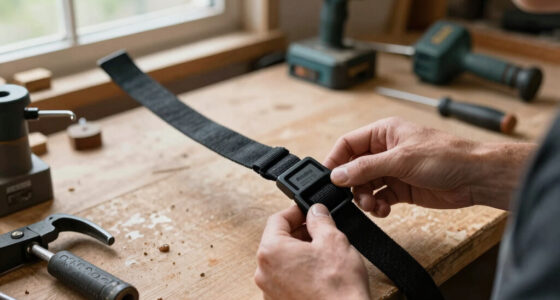
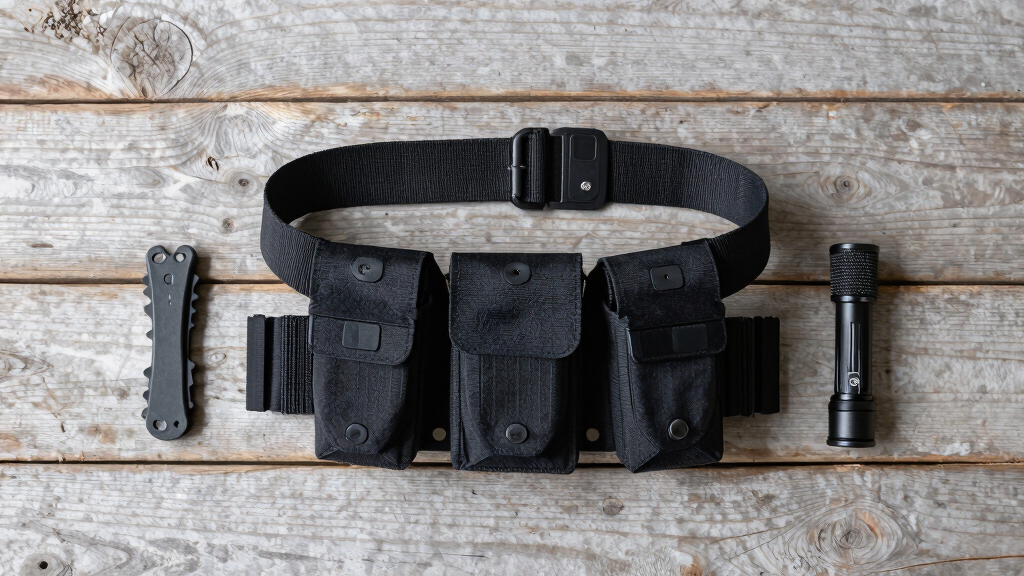
adjustable battle belt with micro-adjustment
As an affiliate, we earn on qualifying purchases.
As an affiliate, we earn on qualifying purchases.
Deciding Between Fixed or Adjustable Battle Belts
Choosing between a fixed size and an adjustable belt can make or break your comfort. Fixed belts come in specific sizes—small, medium, large—and are best if your measurements fit those exactly. Adjustable belts, on the other hand, have Velcro, ratchets, or buckle systems that let you fine-tune the fit. They’re more forgiving if your size fluctuates or if you want to wear different layers underneath.
Opting for an adjustable belt provides a significant advantage in scenarios where your body size or gear load can vary. For instance, during a long day of operations, your body might swell slightly, or you might add layers for cold weather. An adjustable belt allows you to maintain a secure fit without needing to buy multiple sizes or risk discomfort. However, this flexibility can come with tradeoffs: adjustable belts might be bulkier, slightly heavier, or more complex to operate than fixed ones. The key is weighing the importance of a perfect fit against ease of use and weight considerations, especially in high-stakes situations where comfort and quick adjustments matter.
tactical load-bearing belt for military
As an affiliate, we earn on qualifying purchases.
As an affiliate, we earn on qualifying purchases.
Using a Comparison Table to Pick the Right Belt Size
| Feature | Fixed Belt | Adjustable Belt |
|---|---|---|
| Fit Precision | High if measurements match exactly | Very flexible, accommodates slight size changes |
| Ease of Use | Simple, straightforward | May require some adjustment, but easy to fine-tune |
| Size Flexibility | Limited to specific sizes | Can fit a range of sizes within adjustment limits |
| Best For | Steady size, minimal gear changes | Variable gear load, clothing layers |
Understanding these differences helps you select a belt that aligns with your activity level and gear complexity. Fixed belts are often simpler and lighter, making them ideal for straightforward, consistent setups. Adjustable belts, however, offer adaptability for changing gear loads or body size fluctuations, which can be a significant advantage in dynamic tactical scenarios. Your choice impacts not only comfort but also your ability to respond quickly and efficiently in critical moments. Recognizing the trade-offs between simplicity, weight, and adaptability ensures you select a belt that complements your operational needs and personal preferences.
As an affiliate, we earn on qualifying purchases.
How Gear Placement Affects Your Belt Size Needs
The way you arrange your gear impacts how tight or loose your belt should be. Heavy pouches, holsters, or radios add weight and bulk. If your gear sits high or low, it shifts your center of mass and can cause discomfort if the belt isn’t sized right. Proper placement ensures that weight is distributed evenly, reducing strain on your hips and lower back, which directly influences how snug your belt needs to be for stability.
For example, if you carry a full-sized pistol in a holster on your right hip, you’ll want your belt snug enough to prevent movement but not so tight it pinches. Overly tight belts can restrict circulation and cause fatigue, while loose belts may allow gear to shift during movement, compromising your security and effectiveness. Thoughtful gear placement is also about balancing accessibility and weight distribution. Positioning heavier items closer to your hips or along your body’s natural weight-bearing zones can reduce fatigue and enhance stability. Over time, improper placement can lead to uneven wear, discomfort, or even injury, especially during extended operations. Thus, considering how gear placement affects sizing is crucial for long-term comfort and operational efficiency.
waist measurement tape for tactical belts
As an affiliate, we earn on qualifying purchases.
As an affiliate, we earn on qualifying purchases.
Practical Tips for Ensuring a Comfortable Fit
- Always measure with the gear you plan to carry on the belt. This accounts for weight and bulk, which can affect how the belt sits and feels during activity. Ignoring gear weight can lead to a belt that’s either too tight or too loose when loaded, compromising security and comfort.
- Allow an extra 1-2 inches if you wear thick clothing or load up your gear. This ensures the belt remains comfortable and functional across different scenarios, preventing chafing or restricted movement during high activity levels.
- Test the belt in active positions—reach, squat, bend—to check for pinching, shifting, or slipping. Static measurements can’t account for dynamic movements, so real-world testing ensures the belt performs well during actual use.
- Use belts with micro-adjustment features for fine-tuning. These allow subtle size changes, which are especially useful as your body or gear load changes over time, maintaining a consistently optimal fit.
- Remember, a belt that’s too tight cuts circulation and causes fatigue; too loose, it shifts and affects your aim and safety. Strive for a balance that feels secure yet comfortable during all movements. Regularly rechecking your fit during extended wear helps catch any shifts or discomfort early, ensuring sustained comfort and security.
The Secret to Resizing and Adjusting Your Battle Belt
Most modern belts are designed to be resized easily. Velcro, ratchets, or buckle systems let you tighten or loosen on the fly. If your belt feels a bit off after a few wears, check the adjustment points and readjust accordingly. For belts with removable components, you might also swap out extenders or add padding for a better fit.
Understanding how to quickly modify your belt allows you to adapt to changing conditions—whether you’re transitioning from a training scenario to a tactical operation or adjusting for fatigue. Regularly re-evaluating and fine-tuning your belt ensures that it continues to provide reliable support without causing discomfort or restricting movement. This ongoing process is critical because your body and operational environment can change unexpectedly. A belt that can be easily resized not only maintains comfort but also ensures you can respond swiftly to evolving situations, ultimately enhancing your safety and effectiveness during prolonged activities or in unpredictable scenarios.
Frequently Asked Questions
How do I accurately measure my waist for a battle belt?
Use a flexible tape measure, wrap it around your natural waist above the hips. Keep it snug but not tight. Measure multiple times to ensure consistency, especially over clothing or gear you’ll wear with the belt.Should I size my belt tighter or looser for better security?
Your belt should be snug enough to prevent gear slipping without restricting movement or blood flow. Test it by moving around—bend, squat, reach—to confirm comfort and security.Can I resize my belt after purchase?
Most adjustable belts allow easy resizing via Velcro, ratchets, or buckles. If your belt has removable extenders or padding, you can modify it further for a perfect fit after initial sizing.What signs indicate my belt is too small or too large?
A too-small belt pinches or causes discomfort, especially when loaded. A too-large belt shifts during movement or lets gear slide. Both can compromise safety and efficiency—adjust accordingly.What materials make for the most durable and comfortable battle belts?
Nylon or reinforced polymer belts offer durability and support. Look for breathable, lightweight materials if you’ll wear the belt for extended periods. Comfort and resilience go hand-in-hand with quality fabrics.Conclusion
A battle belt that fits just right becomes an extension of your body—supporting your gear without pinching or shifting. Take the time to measure carefully, pick the right system, and fine-tune as needed. When your belt sits perfect, your focus stays on the task, not your discomfort.Halloween Picks
halloween
As an affiliate, we earn on qualifying purchases.