
TL;DR

Get tools and workshop supplies delivered free — and shop member deals
- Fast, free delivery on millions of items
- Access to Prime Big Deal Days deals on October 6–7
- Prime Video, Amazon Music and more included
Quick-release buckles offer fast, one-handed operation ideal for emergencies, while traditional duty buckles excel in security and heavy loads. Recent tech advances boost durability and safety across both types.
Quick-release buckles excel in situations demanding speed, but may require locking features for safety.
Traditional buckles offer unmatched security and load capacity, ideal for heavy-duty applications.
Recent innovations improve durability, safety, and customization across both types.
Always check load ratings and safety standards before selecting a buckle for critical use.
Your choice hinges on balancing ease of use versus security, based on your specific needs.
What exactly are quick-release and traditional duty buckles?
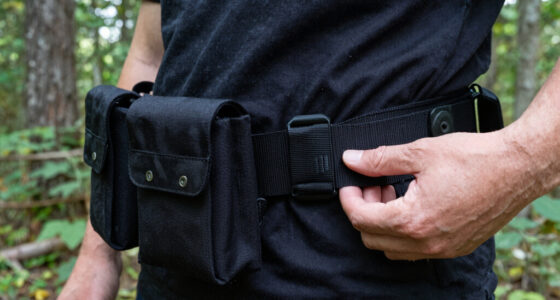
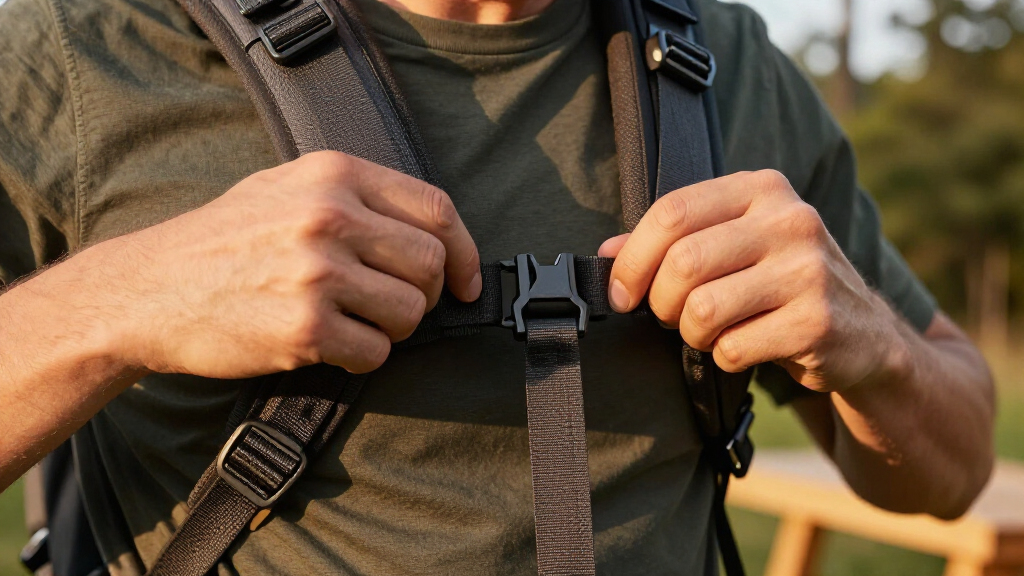
Quick-release buckles are fasteners that clip together with a simple push-button or side-release mechanism. They snap open instantly—think of the buckle on your hiking backpack or tactical vest.
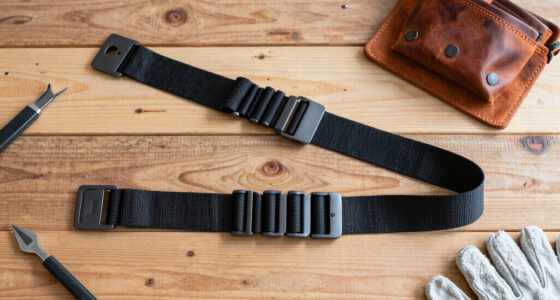
Traditional duty buckles, on the other hand, often involve a metal frame and prong, like a classic belt buckle or heavy-duty latching system. They usually require threading or manual manipulation to secure.
For example, a firefighter’s harness uses a traditional metal buckle for heavy loads, while a climbing harness might use a quick-release for rapid adjustments.
quick-release buckle for backpacks
As an affiliate, we earn on qualifying purchases.
As an affiliate, we earn on qualifying purchases.
How do quick-release and traditional buckles compare in ease of use?
Quick-release buckles shine when you need to get in or out fast. With a simple press or squeeze, you’re free—perfect for tactical situations or quick gear changes.
Traditional buckles take more time. You might need to thread the belt or lift a prong—think about tightening a leather belt versus snapping on a carabiner.
For instance, in emergency rescue, quick-release buckles save crucial seconds, while in a construction site, a traditional buckle’s security might matter more.
heavy-duty traditional duty buckles
As an affiliate, we earn on qualifying purchases.
As an affiliate, we earn on qualifying purchases.
Which is stronger and more durable: quick-release or traditional buckles?
| Feature | Quick-Release Buckles | Traditional Duty Buckles |
|---|---|---|
| Material | High-strength plastics, composites, some metals | Primarily metals like stainless steel, aluminum |
| Load Capacity | Varies; many rated for 100-300 lbs, some higher | Often rated for 500+ lbs, very secure |
| Wear & Tear | Can wear faster if frequently snapped | Very durable, especially metal types |
For instance, a military-grade quick-release can handle 250 lbs but might wear out if snapped dozens of times daily. Heavy-duty metal buckles, used in cargo straps, sustain years of abuse.
As an affiliate, we earn on qualifying purchases.
What are the latest updates in buckle technology?
New materials like reinforced plastics and lightweight alloys boost durability without adding weight. Some quick-release buckles now incorporate locking mechanisms—think of a safety latch that prevents accidental release.
Design tweaks include textured surfaces for better grip, even with gloves or in wet conditions. Manufacturers also offer custom colors and branding options for tactical teams or professional gear.
Recent standards demand testing for shock absorption and chemical resistance—making modern buckles safer in extreme environments.
military-grade load bearing buckles
As an affiliate, we earn on qualifying purchases.
As an affiliate, we earn on qualifying purchases.
Which buckle type should you pick for your needs?
Ask yourself: do you value speed or security? Quick-release buckles are great when you need to undo gear fast—like in tactical ops or first aid scenarios.
If your priority is to handle heavy loads or ensure the buckle won’t slip, traditional duty buckles often win. They’re less likely to open accidentally and can handle more weight.
For example, a rescue worker might choose a quick-release for ease of removal, but a construction worker’s tool belt relies on a traditional buckle for security.
Are quick-release buckles safe for heavy-duty or critical use?
Yes, but only if they meet safety standards. Modern quick-release buckles with locking features can handle significant tension—think 200-300 lbs—enough for many tactical or rescue tasks.
However, accidental release is a risk if the buckle isn’t designed with safety in mind. Always verify load ratings and safety certifications before relying on them for critical tasks.
For instance, a quick-release buckle with a locking latch prevented accidental release during a high-stakes rescue, proving safety depends on design quality.
Frequently Asked Questions
Can quick-release buckles handle heavy loads?
Yes, many are rated for 200-300 lbs, especially those with locking features. Always verify the manufacturer’s load specifications before use in critical applications.Are traditional duty buckles better for safety gear?
Generally, yes. Metal buckles with high load ratings are less likely to accidentally release, making them a reliable choice for heavy or safety-critical gear.What should I consider when choosing between the two?
Think about ease of use versus security. If you need quick removal, go for a quick-release. For maximum security and load capacity, traditional buckles are usually better.Do recent innovations improve quick-release buckle safety?
Absolutely. Locking mechanisms, reinforced materials, and ergonomic designs now make quick-release buckles safer and more reliable than ever.Can extreme environmental conditions damage buckles?
Yes. Heat, cold, chemicals, and moisture can affect both types. Look for buckles rated for your specific environment to ensure long-term performance.Conclusion
Choosing the right buckle isn’t just about convenience; it’s about safety, efficiency, and durability. Think about what matters most in your work or outdoor gear—then pick the mechanism that ticks those boxes. Remember: a buckle is more than just a fastener; it’s your safety link in demanding situations.Halloween Picks
halloween
As an affiliate, we earn on qualifying purchases.