
TL;DR

Get tools and workshop supplies delivered free — and shop member deals
- Fast, free delivery on millions of items
- Access to Prime Big Deal Days deals on October 6–7
- Prime Video, Amazon Music and more included
An inner-outer belt system’s effectiveness depends on purpose, material quality, system compatibility, and maintenance ease. Innovations like modular design and advanced polymers boost durability and efficiency, making informed choices crucial for lasting performance.
Ever try to use a worn-out belt that slips, cracks, or fails just when you need it most? That frustration can be avoided if you understand what makes an inner-outer belt system tick. Whether you’re handling heavy gear in a tactical environment or managing conveyor lines in a warehouse, your choice impacts durability, safety, and performance.
This guide breaks down the essentials — from materials and compatibility to the latest tech — so you can pick the right setup that lasts. No fluff, just practical advice you can trust when it’s time to make a smart call on your belt system.
Match your belt system to the specific demands of your environment to ensure durability.
Material choice directly impacts lifespan, resistance, and maintenance needs.
Compatibility between inner and outer belts prevents slippage and system failures.
Regular tension adjustments and inspections extend belt life and reduce downtime.
Stay aware of technological advances like modular and sensor-integrated belts for better performance.
Know Your Purpose: Why Your Application Dictates Your Choice
Every belt system is a tool, but not all tools fit every job. For heavy-duty work like tactical gear or industrial conveyors, durability matters more than anything. If you’re hauling loads in a factory, your belt needs to resist abrasions, chemicals, and constant flexing.
Imagine a tactical operator dropping their gear into a muddy, rocky environment. Their belt must withstand dirt, moisture, and rugged use. Conversely, for light-duty tasks like package sorting, a softer, flexible belt suffices. Matching your belt’s purpose to your environment saves money and headaches down the line.
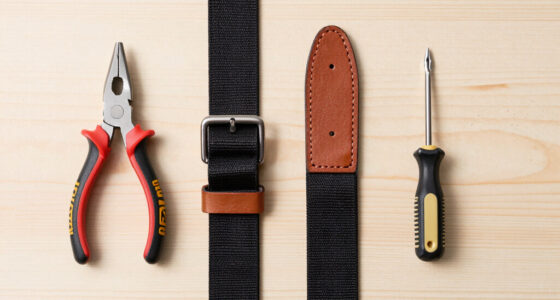
inner outer belt system for conveyor belts
As an affiliate, we earn on qualifying purchases.
As an affiliate, we earn on qualifying purchases.
Picking the Right Materials: What Makes a Belt Last
Belt material is the backbone of durability. Common options include rubber, polyurethane, PVC, and reinforced fabrics. Rubber belts are tough, with high abrasion resistance, perfect for heavy loads. Polyurethane offers chemical resistance and flexibility, ideal for environments with oils or solvents.
A tactical belt made from high-performance polymers can resist tearing and UV damage. For conveyor systems in food processing, food-grade PVC ensures safety and longevity. Always consider the environment: the right material prevents premature failure and keeps your system running smoothly.
Choosing the appropriate material also involves understanding the tradeoffs. For instance, while rubber belts excel in toughness, they might be less flexible than polyurethane, which could be a drawback in applications requiring frequent bending or complex routing. Conversely, more rigid materials might resist chemicals better but could be prone to cracking under extreme cold. Recognizing these tradeoffs helps tailor your choice to fit specific operational demands, ultimately extending system longevity and reducing unexpected failures.
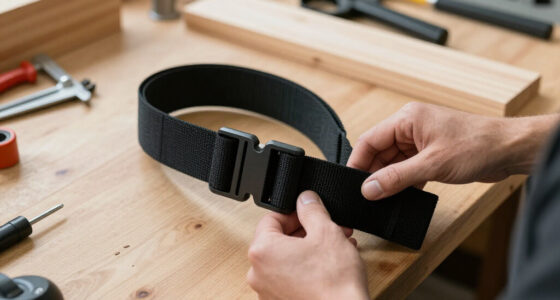
tactical belt system with modular design
As an affiliate, we earn on qualifying purchases.
As an affiliate, we earn on qualifying purchases.
Matching Inner and Outer Belts: Compatibility Is Key
Choosing an inner-outer belt system isn’t just about individual parts — they must work together. The width, tension, and drive mechanisms need to align perfectly. Think of it like a tightrope walk: if the belts aren’t compatible, slippage, misalignment, or failure will happen.
For example, a 2-inch wide belt with a tensioning system designed for 3 inches won’t fit or perform well. Ensuring compatibility means checking manufacturer specs for tension ranges, width, and drive compatibility. Otherwise, you’re risking costly downtime or damage.
Deep compatibility considerations involve understanding the belt’s tension limits, the drive system’s torque capacity, and the environmental factors that could affect belt behavior. Overlooking these details can lead to early wear, unexpected failures, or inefficient operation, ultimately increasing costs and reducing system reliability. For instance, selecting a belt with insufficient tension capacity may cause slippage under load, leading to uneven wear and potential system failure. Conversely, over-tensioning can strain bearings and reduce component lifespan. Properly matching these specifications ensures reliable operation and prolongs the overall system life, which is crucial for minimizing downtime and maintenance costs.
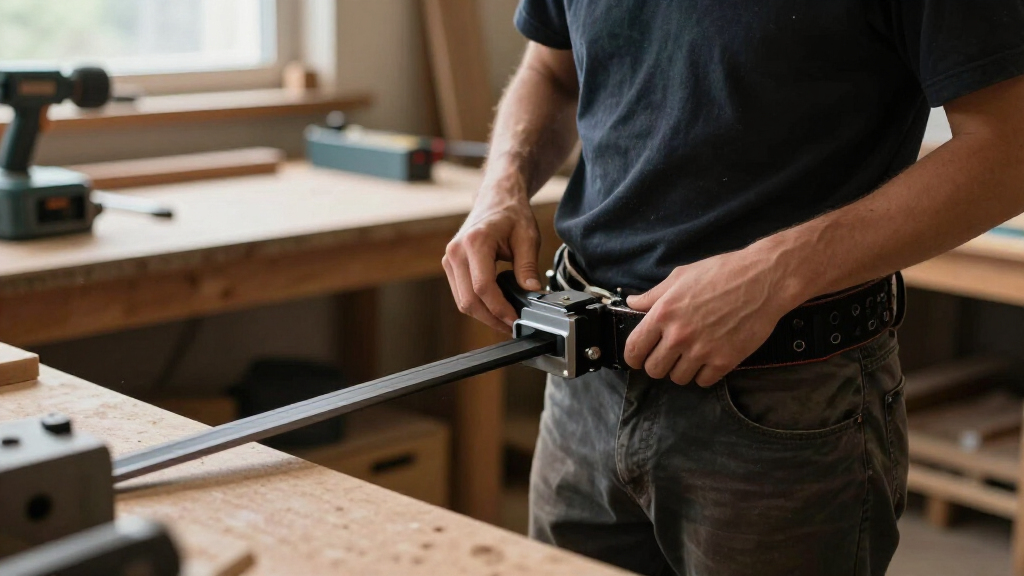
heavy-duty industrial belt with advanced polymers
As an affiliate, we earn on qualifying purchases.
As an affiliate, we earn on qualifying purchases.
Adjusting and Maintaining: Keep Your Belt System Running Smoothly
Easy tensioning and regular inspections are vital. A belt that’s too loose slips, while one that’s too tight wears out bearings faster. Modern systems come with tension adjustment mechanisms — like turnbuckles or automatic tensioners. Using them correctly extends belt life.
Set a routine: check tension weekly for high-use systems. Look for signs of fraying, cracking, or misalignment. For example, a warehouse conveyor might run flawlessly for months, then suddenly slow down — a quick tension check could reveal a worn belt needing replacement.
Understanding the tradeoffs in tension adjustments is crucial: too tight can cause undue stress and premature bearing failure, while too loose leads to slippage and uneven wear. Regularly calibrating tension based on operational feedback helps optimize lifespan and performance, reducing unexpected downtimes and costly repairs. Over-tensioning can also lead to increased energy consumption and accelerated component wear, while under-tensioning risks slippage and uneven load distribution. Striking the right balance through routine checks and adjustments is key to maintaining system efficiency and longevity.
As an affiliate, we earn on qualifying purchases.
Cost and Safety: Balance Your Budget with Practical Features
Budgeting for a belt system isn’t just about initial cost. You need durability, safety features, and ease of maintenance. Cheaper belts may save money upfront but cost more in repairs or replacements. Safety features like guards and emergency stops protect operators and prevent accidents.
For instance, investing in a modular belt system with safety sensors might cost more initially but reduces downtime and risks. Always weigh the long-term savings against upfront expenses.
Choosing the right balance involves understanding the total lifecycle costs, including potential downtime, maintenance, and safety compliance. A system that’s slightly more expensive upfront but offers better durability and safety features can lead to significant savings and safer operations over time.
Latest Tech and Innovations: What’s New in Inner-Outer Belt Systems?
New materials and designs are changing the game. High-performance polymers resist wear and chemicals better than ever. Modular designs make maintenance faster, saving hours and reducing downtime.
Many modern systems now include sensors that monitor belt tension, wear, and temperature. IoT connectivity allows real-time alerts — so you catch problems before they cause failures. For example, a factory with smart belts can schedule maintenance proactively, avoiding costly breakdowns.
These technological advancements not only improve durability but also provide critical data that helps optimize the entire system’s performance. They enable predictive maintenance, which can significantly reduce unexpected failures and extend the lifespan of your belts, ultimately saving money and improving safety. However, integrating these technologies requires upfront investment and training, which some operations might find challenging. The key is to weigh these costs against the long-term benefits of reduced downtime, improved safety, and extended system life.
Quick Checklist for Choosing Your Belt System
- Define your operational environment and load needs.
- Select materials suited for your conditions.
- Check compatibility between inner and outer belts.
- Ensure easy tension adjustment and maintenance access.
- Prioritize safety features and certifications.
- Consider future upgrades or automation options.
Frequently Asked Questions
How do I know if my belt system is compatible with my equipment?
Check the manufacturer specifications for belt width, tension range, and drive compatibility. Measure your existing setup carefully, and consult with a supplier if unsure. Compatibility is key to avoiding slippage and system failure.How often should I replace my belt system?
Regular inspections should occur weekly or monthly, depending on use. Replace belts when they show signs of fraying, cracking, or consistent slippage. Well-maintained belts can last several years, but proactive replacement prevents costly downtime.What are the best materials for high-load or harsh environments?
Reinforced rubber or high-performance polymers like polyurethane are excellent choices. They resist abrasions, chemicals, and UV damage, making them suitable for demanding applications like tactical gear or industrial conveyors.Can I upgrade my existing belt system with newer technology?
Yes, many systems are modular and compatible with sensors or automation upgrades. Retrofit your setup with safety sensors, tension monitors, or smart controls to extend lifespan and improve safety.What signs indicate my belt system needs maintenance or replacement?
Watch for slippage, fraying edges, cracks, unusual noises, or inconsistent movement. These are signs that your belt is wearing out and should be inspected or replaced to prevent failure.Conclusion
The right inner-outer belt system isn’t just about picking a belt — it’s about understanding your needs, choosing quality materials, and staying proactive with maintenance. Think of it like tuning a precision tool: the better your setup, the smoother your operation.
Invest wisely, stay vigilant, and your system will serve you reliably for years. After all, a well-chosen belt system is the backbone of any efficient operation — it keeps everything moving.
Fall yard work Picks
leaf blowers
As an affiliate, we earn on qualifying purchases.