
TL;DR

Get business pricing on tools and workshop supplies
- Business-only prices and quantity discounts
- Tax-exempt purchasing
- Multiple users, one account, clear invoices
A well-set-up duty belt reduces fatigue and prevents back pain. Focus on proper fit, even weight distribution, and strategic gear placement. Modern ergonomic designs and materials make comfort achievable for long shifts.
If you’ve ever spent hours on your feet with a heavy duty belt digging into your waist, you know how quickly discomfort can turn into pain. Setting up your duty belt properly isn’t just about keeping gear secure — it’s about staying comfortable and focused during those long, demanding shifts.
In this guide, you’ll learn the key aspects of comfortable duty belt setup, recent innovations that make a difference, and simple steps to tweak your gear for maximum ease. Whether you’re a seasoned officer or new to the job, the right setup can transform your workday from a pain point into a smooth operation.
Choose a belt that fits snugly but allows free movement — don’t over-tighten.
Distribute gear evenly around your waist to reduce pressure points and fatigue.
Prioritize ergonomic, padded materials for all-day comfort, especially in hot or humid conditions.
Rearrange gear regularly, especially after shifts or gear updates, to maintain comfort.
Modern modular belts with ergonomic contours and breathable fabrics can make long shifts more bearable.
How to Find the Perfect Fit for Your Duty Belt
The first step in comfort is a snug, but not tight, fit. Your belt should sit securely around your waist, just below your belly button, without pinching or restricting movement. A belt that’s too loose causes gear to shift, leading to constant readjustments that can cause strain and reduce efficiency. Conversely, a belt that’s too tight can compress your abdomen, restrict blood flow, and lead to fatigue or even long-term musculoskeletal issues.
Taking the time to measure your waist accurately with a flexible tape ensures you select a belt size that provides optimal support. When fitting your belt, consider how your body moves — bending, sitting, walking, and reaching. A proper fit allows freedom of movement without the belt shifting or digging in. The goal is to distribute pressure evenly around your waist to prevent localized pain and to keep your gear stable throughout your shift.
Pro tip: Choose belts with adjustable sizing and quick-release mechanisms. This flexibility allows you to fine-tune the fit during different activities or as your body changes over time, maintaining comfort and support in various situations.
As an affiliate, we earn on qualifying purchases.
Distribute Weight to Stop Fatigue Before It Starts
Effective weight distribution isn’t just about comfort — it directly impacts your physical health. When gear is unevenly distributed, it can create unnecessary strain on your back, hips, and shoulders, leading to fatigue and potential injury. For example, concentrating a heavy radio or firearm on one side causes your spine to compensate, which over time can lead to misalignment and chronic pain.
Balancing heavy items on both sides of your belt helps maintain a natural posture, reducing the risk of musculoskeletal issues. Positioning frequently used gear close to your hips minimizes the lever effect — the tendency for weight farther from your center to cause more strain. Additionally, keeping weight close to your body’s center of gravity allows your core muscles to stabilize your posture, preventing fatigue and discomfort during extended periods of activity.
Think of your gear as a symphony — every piece should harmonize to prevent one part from pulling on your back. Proper weight distribution enhances endurance, improves mobility, and ultimately ensures you can perform your duties effectively without being hindered by discomfort or injury.
As an affiliate, we earn on qualifying purchases.
Best Gear Placement Strategies for Comfort
Strategic gear placement is crucial because it directly affects your ability to respond quickly and comfortably. Placing your most-used items — like handcuffs, radio, or flashlight — on the side of your dominant hand isn’t just about convenience; it’s about reducing the effort and strain involved in accessing essential tools. When gear is placed too high or too low, it can cause awkward reaching or twisting, which adds unnecessary strain and slows response times.
Heavy equipment such as a baton or extra magazines should sit at your hips, where they can be supported by your core muscles. This placement helps distribute weight evenly and prevents the formation of pressure points that can lead to soreness or injury. Less-frequent items can be positioned higher or lower, out of the way but still accessible, to maintain an organized and efficient setup.
Visualize your belt as a well-organized toolbox — everything should be within easy reach without requiring you to twist or stretch. Proper placement reduces strain during movement and helps maintain a balanced posture, which is essential for long-term comfort and operational readiness.
breathable duty belt for long shifts
As an affiliate, we earn on qualifying purchases.
As an affiliate, we earn on qualifying purchases.
Smart Belt Material Choices for All-Day Comfort
The material of your duty belt influences not only its durability but also your comfort. Heavy-duty nylon belts with padded linings or ergonomic contours help distribute weight evenly and reduce pressure points that can cause discomfort. Leather belts, while sturdy, can be stiff and uncomfortable if not lined or padded, especially after hours of wear. The rigidity can lead to chafing or pinching, which diminishes comfort and can cause skin irritation.
Modern belts incorporate moisture-wicking fabrics and breathable padding, which are essential for hot or humid conditions. These materials help keep sweat away, reducing skin irritation and preventing the belt from slipping. Belts with integrated padding that contours to your waist provide a more natural fit, reducing the risk of digging in or creating pressure points. The right choice balances support, flexibility, and breathability, ensuring you stay comfortable throughout your shift.
Choosing the right material is akin to selecting the best shoes: it must support your activities while preventing discomfort. Investing in high-quality, ergonomic belts can significantly reduce fatigue, improve focus, and extend the longevity of your gear and your body.
modular duty belt with quick-release
As an affiliate, we earn on qualifying purchases.
As an affiliate, we earn on qualifying purchases.
How to Adjust and Reconfigure Your Belt for Ongoing Comfort
- Wear your belt over the gear you typically carry during a shift. This helps you understand how the setup feels in real working conditions and allows for adjustments that improve comfort and access.
- Loosen or tighten the belt gradually, aiming for a snug fit that secures your gear without restricting movement or blood flow. Over-tightening can cause discomfort and impede circulation, while too loose a fit can lead to shifting gear and increased fatigue.
- Rearrange gear as needed, placing heavier items closer to your hips and adjusting their positions to balance weight and accessibility. Regular reconfiguration ensures your setup adapts to changing demands or gear updates.
- Test your adjustments by walking, sitting, and bending — these actions reveal hidden discomforts or pressure points. If you experience pinching or shifting, further fine-tune your setup.
- Make small, incremental adjustments regularly, especially after changing gear or clothing layers, to maintain optimal comfort and support. Over time, this habit helps you develop an intuitive understanding of what works best for your body.
Think of belt adjustment as fine-tuning an instrument — small, deliberate tweaks can make a significant difference in comfort and performance over the course of a shift.
Recent Innovations Making Duty Belts More Comfortable
Modern duty belts now feature ergonomic contours, built-in padding, and modular attachment systems that revolutionize comfort. These innovations are designed to distribute weight more evenly across your waist and hips, reducing strain and fatigue. For example, ergonomic contours follow the natural shape of your body, minimizing pressure points and chafing. Built-in padding adds a layer of comfort, preventing the belt from digging in after hours of wear.
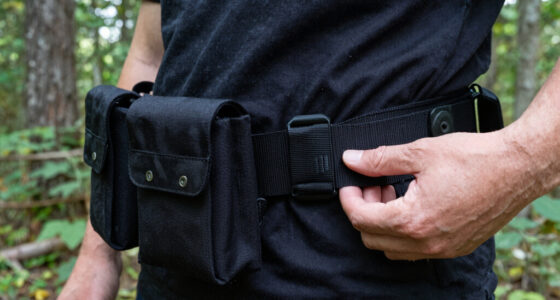
Modular attachment systems like MOLLE offer customizable configurations, allowing you to position gear precisely where it’s most comfortable and accessible. Lightweight, breathable materials — such as moisture-wicking fabrics and mesh padding — further enhance comfort by preventing overheating and excessive sweating. These features combine to create belts that feel like an extension of your body rather than a burdensome accessory.
If you’re still using an old, stiff belt, it’s like wearing a suit of armor that restricts movement. Upgrading to modern ergonomic designs is akin to replacing heavy armor with a flexible, supportive second skin — enabling better mobility, reduced fatigue, and improved overall comfort during long shifts.
Key Facts: Why Proper Setup Matters
Research shows that an incorrectly fitted duty belt can cause back pain in up to 60% of officers after a shift. Proper fit and weight distribution are critical because they directly influence your musculoskeletal health. An ill-fitting belt forces your body to compensate, often resulting in misalignments that cause pain and long-term injury. Ensuring your belt is correctly adjusted minimizes these risks, promoting better posture and reducing fatigue.
Most officers wear their duty belts 8 to 12 hours straight, making comfort not just a convenience but a necessity for maintaining operational readiness. Departments increasingly recognize that ergonomic, padded belts are investments in health, reducing sick days and injury claims. Proper setup enhances not only comfort but also focus and effectiveness, as discomfort and pain can distract from your duties.
This isn’t just about comfort — it’s about safeguarding your health and ensuring that you can perform efficiently over the long term, without the hindrance of preventable injuries or fatigue.
Your Top Questions About Duty Belt Comfort Answered
- How tight should my duty belt be? It should be snug enough to keep gear securely in place but loose enough to allow for comfortable movement and breathing. Striking this balance prevents unnecessary strain and reduces fatigue.
- What materials are best for all-day comfort? Padded nylon, breathable fabrics, and padded leather are ideal because they support your body while managing moisture and heat. Stiff, unpadded belts can cause chafing and restrict circulation, leading to discomfort over time.
- How can I prevent back pain? Distribute weight evenly across the belt, keep items close to your hips, and choose ergonomic, padded belts. These strategies help maintain proper posture and reduce strain on your back muscles.
- Where should I place my most-used gear? On the side of your dominant hand, at waist level, to enable quick, natural access. Proper placement minimizes awkward reaching and twisting, reducing fatigue during active shifts.
- How often should I adjust my setup? Regularly, especially after changing gear or clothing layers, or if you notice discomfort. Frequent adjustments keep your setup optimized for comfort and support throughout your shift.
Conclusion
Getting your duty belt setup right isn’t just about gear — it’s about your whole day’s comfort and safety. Take the time to adjust, experiment, and invest in quality, ergonomic belts. Your back, your focus, and your shift depend on it.
When your belt feels like a trusted partner, not a burden, every step becomes easier. Remember: a little tweak today pays off in hours of comfort tomorrow.
Fall Picks
fall essentials
As an affiliate, we earn on qualifying purchases.