
TL;DR

Get business pricing on tools and workshop supplies
- Business-only prices and quantity discounts
- Tax-exempt purchasing
- Multiple users, one account, clear invoices
Rigger belts are built for heavy-duty tasks with maximum strength, while duty belts prioritize comfort and accessibility for everyday law enforcement. Choosing the right one depends on your specific needs and environment.
Ever wonder why some belts look tough enough to hold up a truck, while others seem built for comfort all day long? The difference isn’t just in the look—it’s in the design, materials, and purpose. Picking the wrong one can mean discomfort, limited functionality, or even safety risks.
In this guide, you’ll learn exactly how rigger belts and duty belts differ—so you can choose the right tool for your work, whether you’re climbing, law enforcement, or outdoor adventures. It’s about matching your gear to your job, not the other way around.
Rigger belts are built for extreme strength, supporting heavy loads and rugged use.
Duty belts prioritize comfort and accessibility, ideal for daily law enforcement or security work.
Material choice affects durability—reinforced nylon and Dyneema excel in toughness.
Buckle type influences speed—quick-release for emergencies, traditional for everyday use.
Match your belt to your environment—outdoor, tactical, or daily wear.
Strength belt or shift belt? Choose by the job, not the look.
Rigger belts are engineered for heavy-duty stress, tactical movement, and outdoor load support. Duty belts are built around comfort, access, and organized everyday carry for law enforcement and security work. The right choice comes down to what you carry, how long you wear it, and whether your environment demands load-bearing strength or all-day ergonomics.
Rigger belts support heavier stress; duty belts keep essential gear reachable for long shifts.
Same waistline, different engineering priorities.
A duty belt is a working platform for holsters, cuffs, radios, and pouches. A rigger belt is a stress-ready anchor point for rugged movement, heavy tools, or tactical tasks.
Reinforced webbing
Heavy-duty nylon, Dyneema, or reinforced fibers help the belt resist stretching, tearing, and sudden stress.
Wearable platform
Leather, nylon, or polymer designs spread equipment weight and keep frequently used tools in predictable positions.
Strength vs comfort
Rigger belts can feel stiffer and narrower. Duty belts usually feel better over a full shift but are not optimized for extreme load support.
Feature by feature: where each belt wins.
Use this as a practical screening tool before buying. The “better” belt is the one matched to your load, movement, and wear time.
| Feature | Rigger Belt | Duty Belt | Decision Signal |
|---|---|---|---|
| Material | ✓Reinforced nylon, Dyneema, high-strength webbing | ~Leather, nylon, polymer, padded systems | Pick rigger for toughness; duty for structured carry. |
| Load Capacity | ✓Built for heavier stress and rugged loads | ~Designed around everyday gear weight | Heavy tools, rappelling, or tactical stress favors rigger. |
| Comfort | ~Secure but often stiff during long wear | ✓Padded, wider, ergonomic for shifts | Long patrol or security shifts favor duty. |
| Buckle | ✓Quick-release or military-style buckle | ~Traditional buckle or hook-and-loop closure | High-pressure donning and doffing favors rigger. |
| Accessory Setup | ~Streamlined profile, fewer attachment points | ✓Holsters, pouches, radio, cuffs, taser layout | Multiple tools and repeat access favor duty. |
| Best For | ✓Outdoor, tactical, climbing, heavy-tool work | ✓Law enforcement, security, daily professional carry | Match the belt to environment first. |
Buckles change the speed, safety, and daily rhythm.
Closure choice affects how quickly you gear up, how secure the belt feels under pressure, and how easily you adjust it during a long day.
Quick release for high-pressure readiness.
Military-style and quick-release buckles are common because speed and secure lockup matter in rescue, tactical, climbing, or rugged field scenarios.
Stable adjustment for repeated everyday carry.
Traditional buckles and hook-and-loop systems are easy to adjust and pair well with keepers, holsters, pouches, and uniform standards.
Choose rigger when…
- You need heavy-load support or rugged outdoor reliability.
- You may need rapid release under pressure.
- You prefer a streamlined profile for movement.
Choose duty when…
- You carry multiple tools for patrol or security work.
- You wear the belt for long daily shifts.
- You need predictable access to holsters and pouches.
A simple way to pick the right belt.
Start with the task. Then weigh load, wear time, attachments, and environment. The best belt should disappear into the workflow.
Define work
Patrol, rescue, climbing, security, construction, or outdoor travel.
Map load
Heavy tools and stress point to rigger; standard gear points to duty.
Check time
Long shifts make padding, width, and pressure relief more important.
Plan access
Holsters and pouches need predictable placement and stable attachment.
Buy by risk
Safety-critical load support should never be treated like casual carry.
Belts are getting lighter, stronger, and more modular.
Recent designs increasingly blend tactical strength with comfort features, so users can carry less bulk without giving up capability.
Dyneema and reinforced nylon
High-strength fibers can improve durability while keeping overall belt weight lower.
MOLLE and PALS layouts
Attachment systems let users swap pouches, tools, and trip-specific gear without replacing the full belt.
Padded inner liners
More tactical and duty belts now add ergonomic support for long wear without abandoning durability.
How Are Rigger Belts and Duty Belts Built Differently?
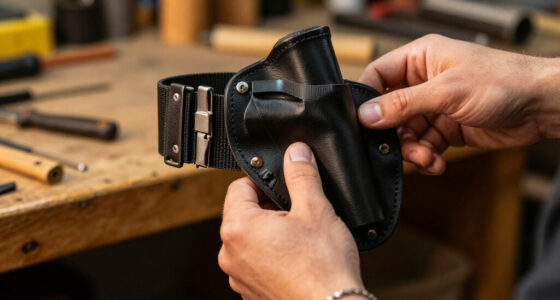
Rigger belts and duty belts look similar but are engineered for different jobs. A duty belt is usually made from leather, nylon, or polymer, designed for comfort and all-day wear. It’s about even weight distribution and quick access to gear. Think of it as a dependable workhorse that you wear daily.
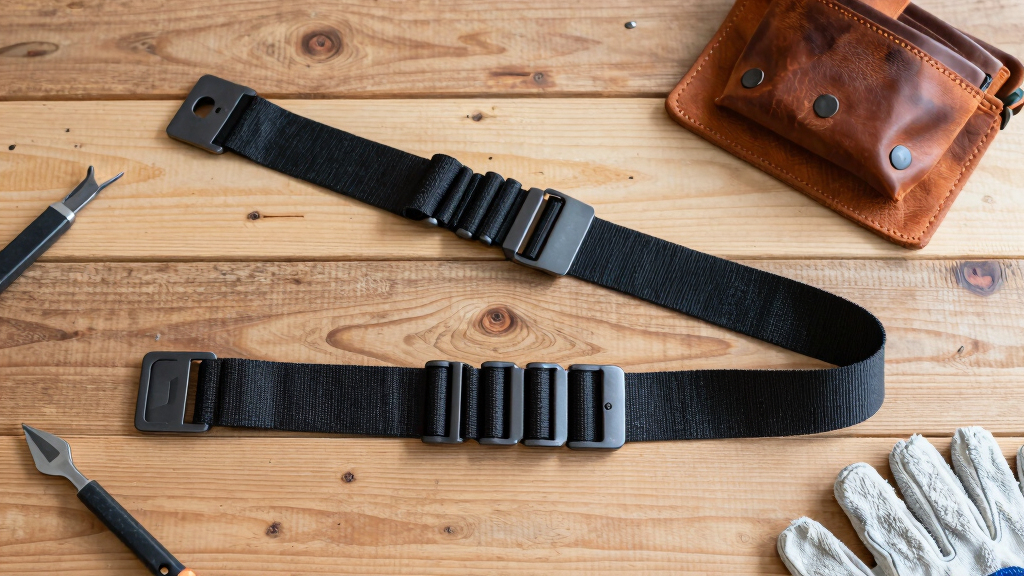
Meanwhile, a rigger belt is built for toughness—made from reinforced nylon or high-strength fibers like Dyneema. It’s narrower for better mobility but can handle heavier loads and extreme stress. Imagine a climbing harness or tactical gear that’s ready to support you during intense outdoor missions.
**Example:** A law enforcement officer wears a duty belt with holsters, radio pouches, and cuffs. A soldier or outdoor enthusiast uses a rigger belt to support heavy gear during rappelling or rugged hikes.
As an affiliate, we earn on qualifying purchases.
Why Do People Say Rigger Belts Are Super Tough?
Rigger belts are designed to support weights up to 2,000 pounds in some cases—think about rappelling gear or heavy tools. Their high load-bearing capacity isn’t just a marketing point; it’s a critical feature that enables users to perform demanding tasks safely. The reinforced nylon and military-grade buckles are engineered to absorb and distribute stress evenly, reducing the risk of failure under extreme conditions. This means you can confidently support heavy loads without worrying about sudden breakage, which could lead to injuries or equipment failure.
**Real-world scenario:** A construction worker uses a rigger belt to hang heavy tools, ensuring it won’t give out when supporting a power drill or a bag of tools. Their strength is unmatched for demanding outdoor or tactical tasks. The tradeoff is that these belts tend to be stiffer and less flexible, which can impact comfort during prolonged wear but is essential for safety and reliability in tough environments.
tactical duty belt for law enforcement
As an affiliate, we earn on qualifying purchases.
As an affiliate, we earn on qualifying purchases.
What Makes Duty Belts More Comfortable for Daily Wear?
Duty belts focus on user comfort—padded linings, softer materials, and ergonomic designs. They’re meant to be worn for hours without pinching or chafing. For example, a police officer on patrol can carry their gear all shift long without discomfort because these belts distribute weight evenly and incorporate padding to reduce pressure points. The materials are chosen to be lightweight yet durable, minimizing fatigue over long periods.
**Tip:** Look for duty belts with wide, padded straps and adjustable buckles. These features prevent fatigue and allow quick access to essential gear, making them practical for long shifts. The key tradeoff is that increased padding and ergonomics often mean slightly less support for very heavy loads, which is why they’re optimized for comfort rather than extreme strength.
**Contrast:** Rigger belts prioritize strength over comfort—so they might feel stiff or narrow but excel in extreme conditions. They’re not designed for all-day casual wear, but for tasks where safety and load support are paramount.
As an affiliate, we earn on qualifying purchases.
How Do Buckles and Closures Differ?
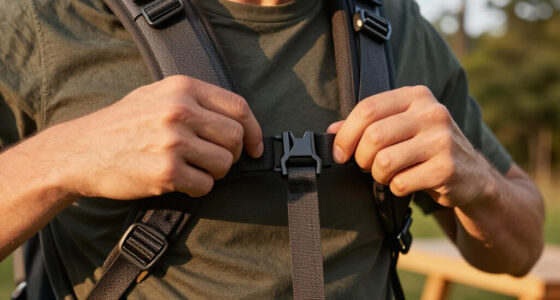
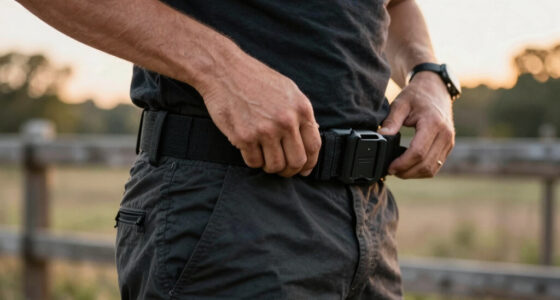
Duty belts usually have traditional metal or hook-and-loop fasteners, making them easy to adjust and secure for everyday use. Rigger belts often feature quick-release or military-style buckles, allowing rapid donning and doffing in tactical situations. This difference impacts how quickly you can get into or out of your gear, which can be crucial in emergencies.
**Example:** A firefighter quickly straps on a rigger belt with a quick-release buckle during a rescue, enabling immediate readiness. In contrast, a security guard might adjust their duty belt with a hook-and-loop system, prioritizing ease of adjustment over speed. The choice of buckle affects both convenience and security, with quick-release systems offering rapid access at the expense of some simplicity in design.
**Tip:** If you need speed and reliability, a quick-release buckle on a rigger belt can save critical seconds, especially in high-pressure situations.
As an affiliate, we earn on qualifying purchases.
Latest Trends: What’s New in Tactical and Duty Belts?
Recent innovations include lightweight yet super-strong materials like Dyneema, plus modular systems like MOLLE/PALS for attaching gear. These advancements allow users to customize their setups for specific missions, improving efficiency and comfort. Belts now often feature padded inner linings for enhanced comfort during extended wear and sleek, low-profile designs that blend tactical utility with modern aesthetics.
**Real-world example:** An outdoor guide chooses a tactical belt with modular attachment points for different trips, swapping pouches easily without changing belts. This flexibility saves time and effort while ensuring gear is secure and accessible. The trend toward lighter, more adaptable belts addresses the evolving needs of users who demand both durability and versatility in the field.
These upgrades make belts more versatile, durable, and comfortable—perfect for the modern user who demands adaptability. The implication is that gear is now more aligned with diverse scenarios, reducing the need for multiple belts and streamlining operational readiness.
Which Belt Is Better for Your Job?
Choosing the right belt boils down to your work environment. For daily law enforcement, a well-padded duty belt that meets safety standards works best because it balances comfort with accessibility. If you’re rappelling, climbing, or in tactical missions, a rigger belt’s strength and support are unmatched, providing the security needed for extreme conditions. The critical consideration is the nature of your tasks—if safety and quick access are priorities, go for a duty belt; if load-bearing capacity and durability are essential, a rigger belt is the better choice.
**Scenario:** A police officer on patrol needs quick access and all-day comfort, making a duty belt ideal. Conversely, a military climber needs a belt that won’t fail under stress, supporting heavy loads during rigorous outdoor activities. Think about what you carry, how you move, and the conditions you face — your specific needs should guide your choice, ensuring you’re prepared for the challenges ahead.
Comparison Table: Rigger Belt vs Duty Belt
| Feature | Rigger Belt | Duty Belt |
|---|---|---|
| Material | Reinforced nylon, Dyneema | Leather, nylon, polymer |
| Load Capacity | Up to 2,000 lbs | Designed for everyday gear, less heavy-duty |
| Comfort | Focused on durability, often stiff | Padded, ergonomic for all-day wear |
| Buckle | Quick-release, military-style | Traditional, hook-and-loop, or buckle |
| Best For | Heavy outdoor, tactical, climbing | Law enforcement, security, daily use |
Frequently Asked Questions
Can I use a rigger belt for everyday law enforcement work?
While you can, rigger belts are usually stiffer and less comfortable for all-day wear. They’re designed for heavy-duty support, so a duty belt is often better for daily law enforcement tasks.
What materials last the longest in tough conditions?
Reinforced nylon and high-strength fibers like Dyneema are known for their durability and load-bearing capacity. These materials resist wear, tear, and extreme stress better than traditional leather or basic nylon.
Are rigger belts suitable for outdoor or tactical use?
Absolutely. Their rugged construction and high load capacity make them perfect for outdoor adventures, military operations, and tactical scenarios where strength and reliability matter most.
How do I know if a belt meets safety standards?
Check for compliance with standards like NIJ or military specifications. Quality belts from reputable brands will specify their testing and safety certifications.
What should I consider when choosing between a duty belt and a rigger belt?
Think about your primary activities. For everyday gear access and comfort, a duty belt works best. For supporting heavy loads or outdoor toughness, a rigger belt is the way to go.
Conclusion
Picking the right belt isn’t just about looks. It’s about matching strength, comfort, and features to your job. A heavy-duty rigger belt can be your best friend during outdoor adventures or tactical missions. Meanwhile, a duty belt keeps your gear accessible and comfortable during long shifts.
Remember, your gear needs to support you—not slow you down. Choose wisely, and gear up with confidence for whatever challenge comes next.
Halloween Picks
halloween
As an affiliate, we earn on qualifying purchases.