
TL;DR

Get business pricing on tools and workshop supplies
- Business-only prices and quantity discounts
- Tax-exempt purchasing
- Multiple users, one account, clear invoices
MOLLE belt attachments rely on webbing and weaving straps for a secure fit. Proper technique, quality materials, and recent quick-release innovations make gear reliable and adaptable, whether for duty or outdoor adventures.
Master the weaving technique to secure loads over 50 pounds without slipping.
Choose high-quality webbing and reinforced stitching for durability in tough conditions.
Use quick-release systems for rapid gear swaps in emergencies.
Always verify compatibility between your gear and webbing spacing.
Properly securing straps and double-checking attachments prevents failures when it matters most.
Secure Gear Starts With the Weave
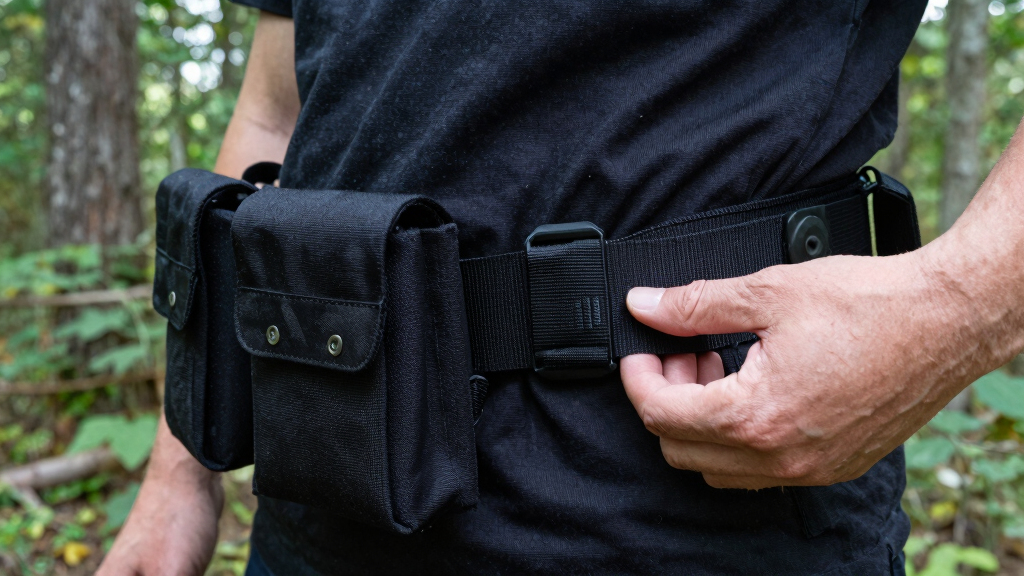
MOLLE belt attachments rely on webbing, strap tension, and correct routing. When the pouch straps alternate through PALS loops on the pouch and belt, the connection becomes stable enough for duty, trail, camp, and emergency-response setups.
Proper weaving can support 50+ pounds without slipping when the gear is correctly assembled and reinforced.
Common PALS webbing spacing to verify before mounting pouches.
Main methods: woven straps, snap or clip systems, and hybrids.
Possible with correct weaving, strong webbing, and reinforced stitching.
Typical webbing spacing in inches. Mismatches can cause loose mounting.
Modern quick-release systems prioritize fast pouch swaps and detachment.
Loose straps are the simplest way to turn a good system unreliable.
The Backbone: Webbing, PALS, and Tension
MOLLE works because heavy-duty nylon webbing creates a ladder of anchor points. The straps do the real locking work by weaving through both the pouch and the belt, distributing load across multiple stitched rows instead of one single clip.
Rows Create Structure
PALS webbing is stitched in repeatable channels so pouches, holsters, and accessories can be positioned with predictable spacing and stable support.
Straps Lock the Load
Routing straps back and forth through pouch and belt loops prevents sway, spreads weight, and reduces accidental detachment during movement.
Stitching Carries Stress
Quality nylon, reinforced seams, and strong snaps or buckles keep the system from fraying, tearing, or releasing under repeated load.
Thread It Like a Pro
The technique is simple, but precision matters. Treat the strap path like lacing a boot: align, alternate, tighten, secure, then verify that nothing shifts before relying on the setup.
Lay Out
Place the pouch flat and inspect the strap, snap, buckle, or Velcro closure.
Align
Match the pouch channels to the belt webbing and confirm compatible spacing.
Weave
Alternate straps through pouch loops and belt loops to build a locked path.
Tighten
Pull slack out of every pass so the pouch cannot wobble or creep sideways.
Secure
Close the snaps, buckles, or hook-and-loop, then tug-test the attachment.
Attachment Methods Compared
Choose based on what matters most: maximum security, fast swaps, or a balanced system. Heavy or critical gear usually rewards the slower woven method, while modular loadouts may benefit from quick-release hardware.
| Method | Security | Speed | Ease of Use | Best Fit |
|---|---|---|---|---|
| Weaving Straps | ✓Very high when routed tightly through both pouch and belt webbing. | ~Moderate setup time, especially for complex or crowded belts. | ~Requires practice, but becomes reliable once mastered. | Heavy pouches, duty gear, radios, medical kits, and long-wear setups. |
| Snap / Clip Attachments | ~Moderate. Worn fasteners or poor closure can release under movement. | ✓Fast attachment and removal for rapid deployment. | ✓Very easy for beginners and quick gear changes. | Light accessories, temporary placement, and fast-access needs. |
| Hybrid Systems | ✓High when weaving is paired with reinforced quick-release closure. | ✓Fast to adjust, detach, or reposition in dynamic environments. | ~Moderate learning curve because two systems must be understood. | Operators, hikers, and users who reconfigure loadouts frequently. |
| Mismatched Belt | ✗Low. Wrong spacing or weak webbing can cause shifting or damage. | ✗False speed advantage because the setup needs constant correction. | ✗Easy to attach badly, hard to trust under load. | Avoid for critical gear unless compatibility is verified first. |
Security Versus Speed: The Practical Tradeoff
Recent innovations make MOLLE systems faster and lighter, but the strongest setup still depends on matching the method to the mission. Use quick-release parts where speed matters and woven support where load stability matters.
Method Performance
Compatibility Risk Scale
The safest zone combines compatible webbing spacing, reinforced stitching, fully seated straps, and a final tug-test before the loadout is used.
Newer Gear Is Faster and Lighter
Modern MOLLE equipment increasingly blends old-school webbing strength with quick-detach hardware, hook-and-loop retention, lighter nylon blends, and modular pouches that can be swapped between tactical and outdoor roles.
Innovation Checklist
Use quick-release features where rapid access matters, but inspect wear points regularly. Components that move frequently can fatigue faster than plain woven webbing.
Quality Rule
Spend attention where stress concentrates: webbing rows, stitching, closure hardware, and strap ends. A pouch can look secure on the belt but still fail if the material is thin, frayed, or poorly reinforced.
Trace the Secure Setup
A reliable MOLLE belt is not one decision. It is a chain of small checks that connect material quality, spacing, weaving, closure, and final verification.
Beginner Questions, Answered
Most problems come from assuming every belt and pouch is automatically compatible. A few checks before mounting prevent wobble, wear, and lost gear later.
How do I attach a pouch properly?
Use the weaving method: thread the straps through the webbing loops on both the pouch and belt, pull tight, then secure with snaps, buckles, or hook-and-loop.
Can MOLLE pouches attach to any belt?
Only if the belt has compatible webbing or MOLLE-compatible channels. Plain belts usually need an adapter or purpose-built MOLLE sleeve.
What makes attachments stay secure?
Correct weaving, no slack, compatible spacing, quality webbing, reinforced stitching, and a final double-check before use.
Are quick-release options reliable?
Yes, when made well and used for the right load. They are excellent for fast swaps, but heavy-duty gear still benefits from woven support.
What Makes MOLLE Webbing the Backbone of Secure Attachments
MOLLE webbing is the foundation of the entire system. It’s heavy-duty nylon stitched into gear in a grid pattern, known as PALS (Pouch Attachment Ladder System). This webbing creates loops that serve as anchor points for straps and clips. Think of it like a ladder that your straps weave through, locking pouches, holsters, and accessories into place. The webbing is tough enough to support over 50 pounds when correctly woven, making it ideal for tactical and outdoor use. For example, a law enforcement officer attaching a radio pouch to a duty belt relies on this webbing to hold steady during high-movement situations.
Understanding the webbing’s role is crucial because it acts as the structural backbone of your attachment system. Its durability and grid pattern allow for versatile configurations, but the true strength comes from how you weave and reinforce the straps through it. Poor weaving or using worn webbing can significantly reduce load capacity, leading to potential failures. Conversely, correctly woven webbing ensures your gear remains secure even under strenuous conditions, which can be the difference between quick access and gear loss at a critical moment.
As an affiliate, we earn on qualifying purchases.
How to Thread and Secure Your MOLLE Attachments Like a Pro
- Lay your pouch or accessory on a flat surface.
- Align the straps with the webbing on your belt or vest.
- Weave the straps through the webbing loops, alternating between the pouch and the webbing to lock everything in place.
- Pull the straps tight, ensuring no slack.
- Secure the straps with snaps, buckles, or Velcro as provided.
As an affiliate, we earn on qualifying purchases.
Compare Popular MOLLE Attachment Methods Side-by-Side
| Method | Security | Speed | Ease of Use |
|---|---|---|---|
| Weaving Straps | Very high when done correctly — offers the most secure attachment by distributing load evenly and reducing movement. However, it requires practice and attention to detail, which can be a tradeoff for quick setup. | Moderate — takes time to weave properly but provides long-term stability. | Requires skill and patience, especially for complex configurations. The tradeoff is that once mastered, it offers the most reliable hold. |
| Snap/Clip Attachments | Moderate — can come loose if not secured properly or if the fasteners wear out. Quick to attach but less forgiving under heavy or dynamic loads, which might lead to accidental detachment. | Fast — ideal for rapid deployment or quick swaps. | Very easy to use, making it suitable for quick access needs, but less secure for heavy-duty applications. |
| Hybrid Systems | High — combines weaving and quick-release features for a balance of security and speed. They often use reinforced straps with snap closures for added safety. | Fast to attach/detach — suitable for dynamic environments where quick adjustments are needed. | Moderate — requires understanding both systems but offers flexibility in use. |
As an affiliate, we earn on qualifying purchases.
Latest Innovations Making MOLLE Gear Faster and Lighter
Recent advances focus on saving weight and speeding up attachment. Quick-release buckles and snap systems let you swap gear in seconds. Lightweight composites and high-strength nylon reduce bulk without sacrificing durability. For instance, a tactical operator can remove a pouch with a single click, saving precious seconds during a mission. These innovations mean your gear adapts to your needs, not the other way around.
Furthermore, manufacturers are integrating modular systems that allow for seamless reconfiguration. This means you can switch from a tactical loadout to a hiking setup in moments, without sacrificing security. The tradeoff, however, is that some quick-release systems may wear out faster if frequently used, so choosing high-quality components is essential. Overall, these innovations enhance operational flexibility, reduce fatigue, and streamline gear management, making your setup more responsive to dynamic environments.
As an affiliate, we earn on qualifying purchases.
Why Compatibility and Material Quality Matter More Than Ever
With so many brands making MOLLE gear, compatibility isn’t always guaranteed. Make sure your webbing spacing matches — usually 1-inch or 1.5-inch — because mismatched systems can cause attachment failures or damage. High-quality nylon webbing and reinforced stitching are vital because they prevent tears, fraying, and premature wear. For example, attaching a heavy radio pouch to a flimsy belt might seem convenient, but if the webbing isn’t durable, it can rip during critical moments, risking loss or injury.
Choosing gear from reputable manufacturers ensures you get consistent quality, proper webbing spacing, and reinforced stress points. This reduces the risk of failure when under load or during vigorous activity. The tradeoff, however, is that high-grade gear often costs more upfront, but it pays off in reliability and safety over time. By prioritizing material quality and compatibility, you invest in gear that performs reliably when it counts most, ultimately saving time, money, and frustration in the long run.
What Questions Do Beginners Usually Ask About MOLLE Attachments?
- How do I properly attach a pouch to my MOLLE belt? Use the weaving method: thread straps through webbing loops on both the pouch and belt, then secure tightly with snaps or buckles. This ensures maximum security and load stability, reducing the risk of gear shifting or detachment during movement.
- Can I attach MOLLE pouches to any belt? Only if the belt has compatible webbing or MOLLE-compatible webbing sewn onto it. Not all belts are designed for MOLLE attachments, so verifying webbing spacing and compatibility is crucial to prevent attachment failures.
- How can I be sure my attachments won’t come loose? Proper weaving, tight straps, and high-quality gear with reinforced stitching are key. Regularly inspecting your attachments during use can catch potential issues early, preventing gear loss or failure at critical moments.
- Are quick-release options reliable? Many modern pouches feature snap systems or quick-release buckles that work well if properly used. However, they might not hold as securely under heavy loads or intense activity, so weigh convenience against security needs.
- How flexible is the placement of pouches? Very flexible — you can arrange pouches anywhere along the webbing grid to suit your needs. This adaptability allows for customized loadouts tailored to specific operational or outdoor requirements, but ensure attachments are secure to avoid shifting.
Frequently Asked Questions
Can I upgrade my older MOLLE gear with quick-release attachments?
Yes. Many newer pouches are compatible with standard webbing and can be fitted with quick-release buckles or snaps. Just ensure the attachment points match your gear’s webbing spacing.How often should I check my MOLLE attachments during a mission?
Regularly, especially during long operations or intense activity. Quick checks every hour or after heavy movement help prevent accidental detachment.Is it better to use Velcro or snaps for quick access?
Velcro offers fast and silent access but can wear out over time. Snaps are more durable but may require a bit more effort to open quickly. Hybrid systems often give the best of both worlds.What’s the biggest mistake beginners make with MOLLE gear?
Not weaving straps tightly enough or using low-quality gear that frays easily. Both can cause gear to shift or fail during critical moments.Conclusion
Getting your MOLLE attachments right turns your gear into a reliable extension of yourself. When you understand webbing, weaving, and latest innovations, you set the stage for faster, safer, and more flexible loadouts. Your gear should work as hard as you do — so take the time to attach it properly, and it’ll never let you down.Columbus Day / Indigenous Peoples' Day Picks
long weekend sales
As an affiliate, we earn on qualifying purchases.